










Not so long ago, ingredients like hummus, avocado, or even quinoa felt like exotic finds reserved for speciality shops.
Now, they’re sitting right next to your milk and eggs in nearly every supermarket aisle.
The way Britain shops and eats has changed dramatically, turning yesterday’s hard-to-find groceries into everyday essentials.
All information is provided for general interest only. Availability and product ranges may vary by store and region.
1. Bananas
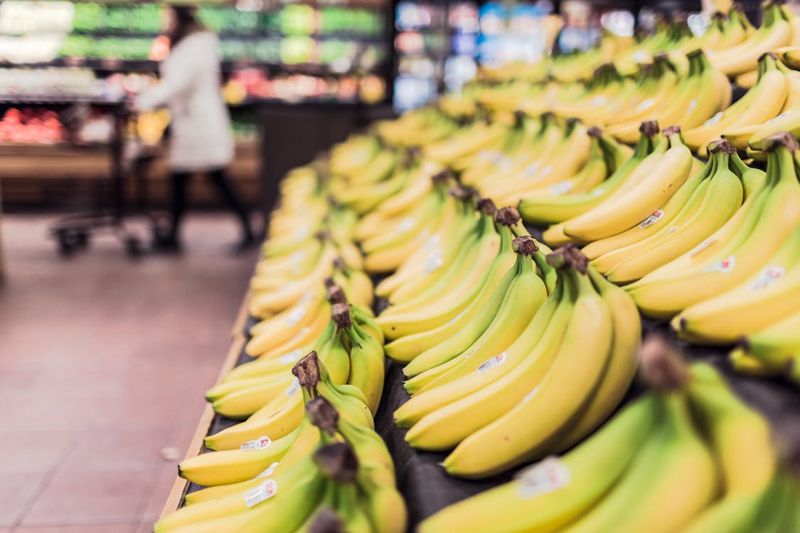
Believe it or not, bananas were once a luxury item in Britain.
Back in the early 1900s, they arrived by ship and cost a small fortune.
Most people had never even tasted one! Now they're the UK's most popular fruit, stacked high in every shop.
Their journey from rare treat to everyday snack shows how global trade transformed our diets completely.
2. Avocados
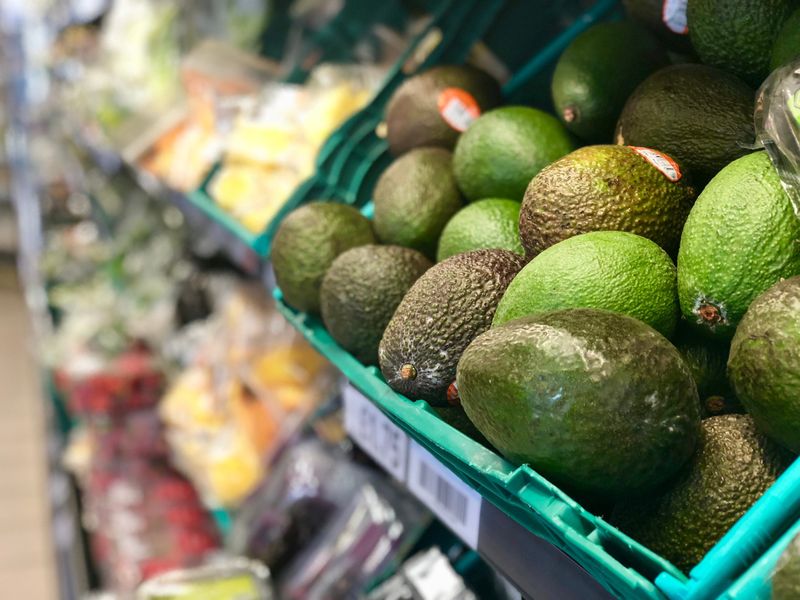
Remember when avocados were mysterious green things nobody quite understood?
Throughout the 1980s and 90s, you'd struggle to find them outside London's posh food halls.
Fast forward to today, and they're absolutely everywhere. Toast lovers rejoice!
The avocado boom happened so quickly that it's hard to imagine brunches without them now.
3. Olive Oil

Olive oil used to live exclusively in chemists, sold in tiny bottles as ear medicine rather than cooking oil.
British cooks relied on lard and butter for everything.
Mediterranean cuisine seemed impossibly foreign back then.
Now olive oil dominates entire supermarket aisles, with extra virgin, light, and flavoured varieties competing for attention.
4. Hummus
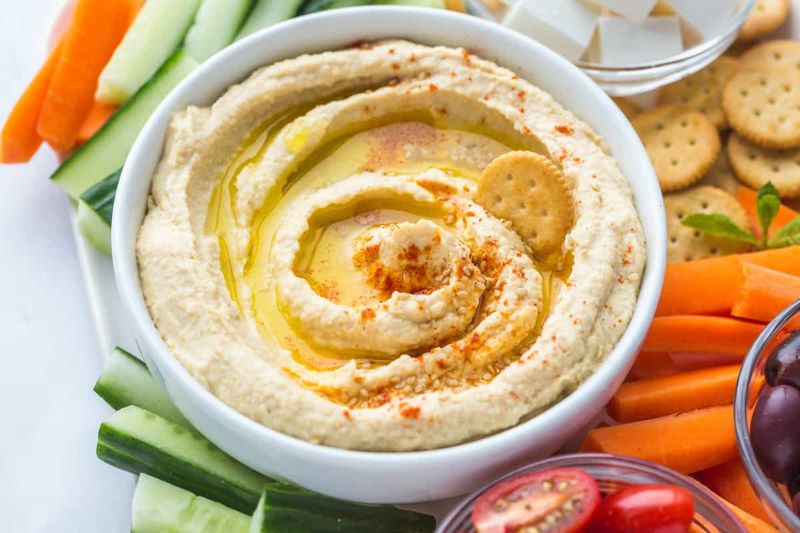
This creamy chickpea dip was practically unknown outside Middle Eastern communities until the late 1990s.
Finding it meant visiting specialist shops in specific neighbourhoods.
Today, hummus sits proudly in every chilled aisle.
Plain, roasted red pepper, garlic - there's a flavour for everyone.
It's become Britain's favourite dip, beating out traditional options hands down.
5. Coconut Milk
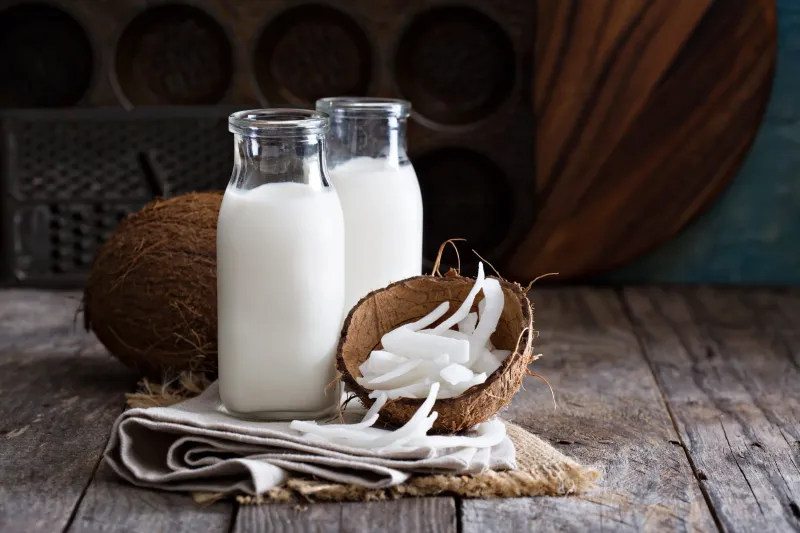
Coconut milk once required hunting through Asian grocers, and many shoppers wouldn't have known what to do with it anyway.
Thai and Indian cuisines weren't mainstream yet.
Now every supermarket stocks multiple brands, both tinned and carton versions.
Home cooks use it for curries, smoothies, and dairy-free alternatives without thinking twice.
6. Quinoa
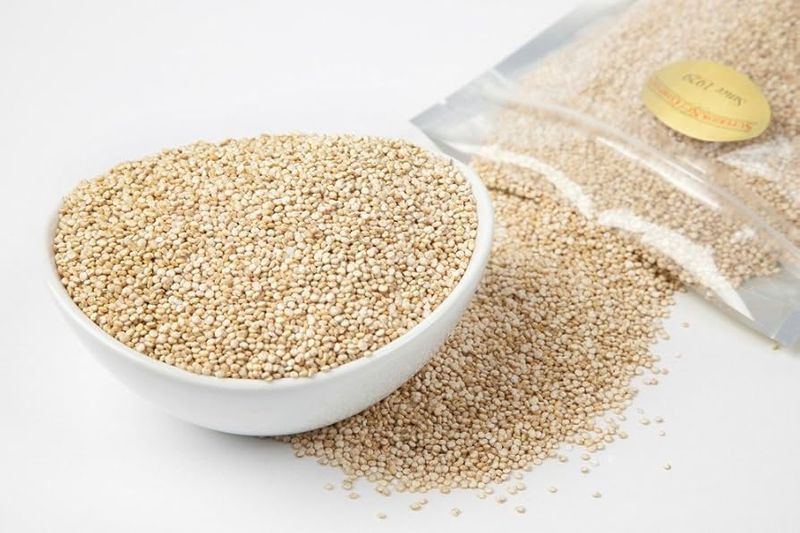
Pronounced KEEN-wah, this ancient grain was virtually impossible to buy in British shops before 2010.
Health food enthusiasts had to order it specially or travel to expensive organic markets.
Its protein-packed reputation sparked a revolution, though.
Nowadays, quinoa appears everywhere - pre-cooked pouches, dried bags, even ready-made salads.
What a transformation!
7. Blueberries
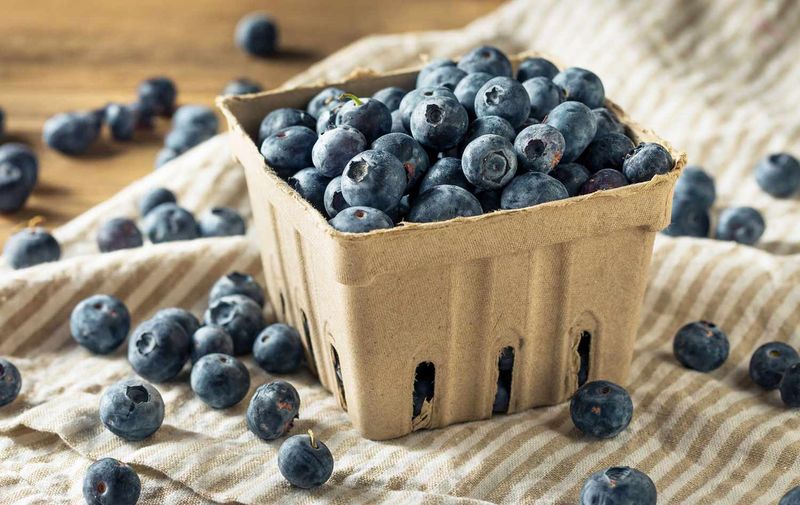
British shoppers barely knew blueberries existed until the early 2000s.
They seemed like something from American films, not real life.
Strawberries and raspberries dominated our berry choices completely.
Then suddenly, blueberries appeared everywhere - fresh, frozen, and dried.
Their antioxidant superpowers made them wildly popular, and now they're breakfast essentials for millions.
8. Sushi-Grade Salmon

Raw fish for home preparation? Absolutely unthinkable for most Brits until recently!
Sushi remained restaurant-only territory because finding safe, fresh salmon seemed impossible.
Supermarkets changed everything by introducing properly labelled sushi-grade fish.
Now you can grab salmon for homemade sushi rolls during your weekly shop.
Times have definitely changed!
9. Greek Yogurt

Thick, tangy Greek yogurt was nowhere to be seen in British supermarkets during the 1990s.
Standard runny yogurt ruled completely.
When Greek varieties finally arrived, they seemed exotic and expensive.
Their creamy texture and protein content won everyone over quickly, though.
Now Greek yogurt outsells traditional types, appearing in countless recipes beyond breakfast bowls.
10. Chilli Sauces
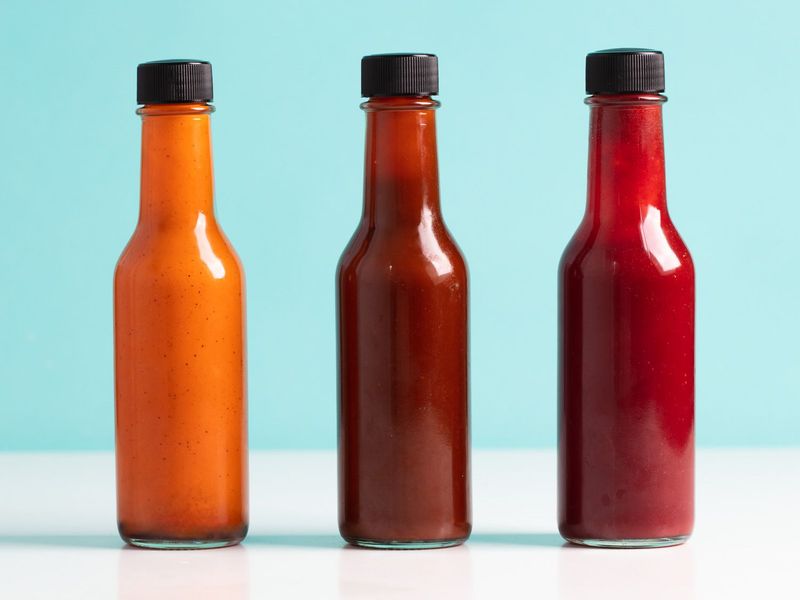
Beyond basic Tabasco, finding proper chilli sauces meant specialist hunting in the past.
British palates weren't ready for serious heat.
Sriracha, gochujang, and harissa were completely unknown.
Now entire shelves showcase global hot sauces with varying heat levels and flavour profiles.
Our taste for spice has grown tremendously, making these fiery condiments everyday essentials.