










Trying foods from around the world can sometimes feel oddly familiar, especially when certain flavours, textures, or cooking styles echo dishes you already know and love.
It’s always a small delight to realise a comforting pie, hearty stew, or simple pudding has a cousin tucked away in another culture’s kitchen.
These global favourites reveal just how connected everyday food traditions can be in the most unexpected ways.
All information is provided for general interest only.
Regional recipes, ingredients, and preparation methods may vary depending on location, availability, and cultural traditions.
1. American Chicken And Dumplings
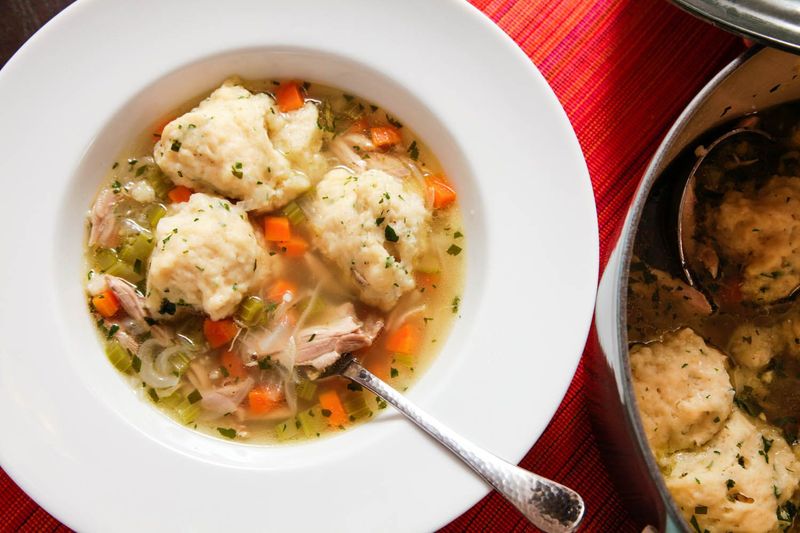
Think of this as America's answer to British chicken and dumplings.
Both dishes feature tender poultry swimming in rich, savoury broth with soft, pillowy dumplings that soak up all the flavour.
The main difference?
American versions often use flatter, noodle-like dumplings, whilst British recipes stick with round, suet-based ones.
Either way, both offer the same cosy, warming comfort that makes you feel like you're wrapped in a blanket on a chilly evening.
2. French Pot-Au-Feu
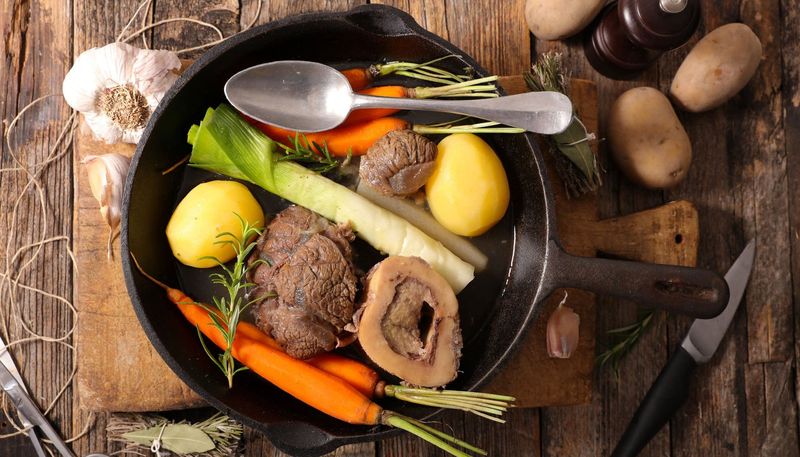
France's national dish mirrors Britain's beloved boiled beef and vegetables almost perfectly.
Pot-au-feu translates to 'pot on the fire,' which describes exactly how both dishes are made - slow-simmered until everything becomes melt-in-your-mouth tender.
The French might serve theirs with fancy mustard and cornichons, but the core concept remains identical.
Both cultures understood that patience and simple ingredients create something truly special, proving great minds think alike across the Channel.
3. Irish Stew
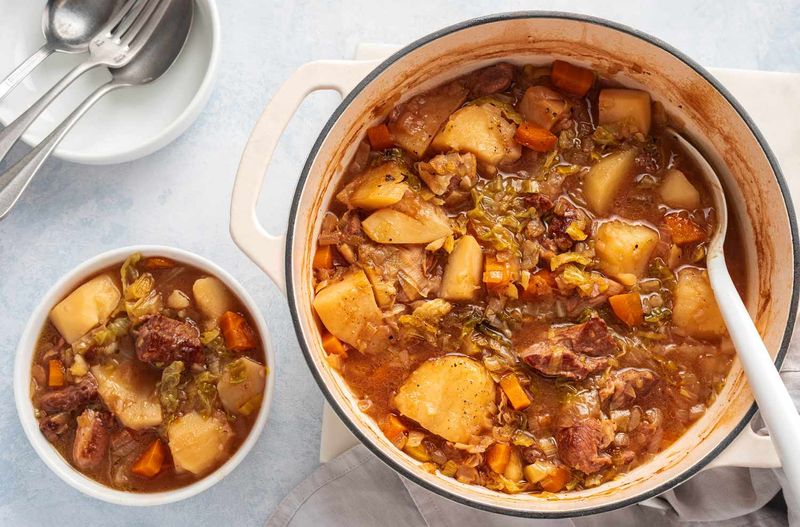
Here's where things get interesting - Irish stew and British stew are practically siblings.
Both rely on lamb or mutton, potatoes, and root vegetables simmered until everything melds together beautifully.
The recipes developed side by side, shaped by similar climates and agricultural traditions.
Some say Irish stew uses fewer ingredients, keeping things simpler, but honestly, both versions deliver that same soul-warming satisfaction.
It's comfort food that transcends borders, proving neighbours often share more than just geography.
4. Hungarian Goulash
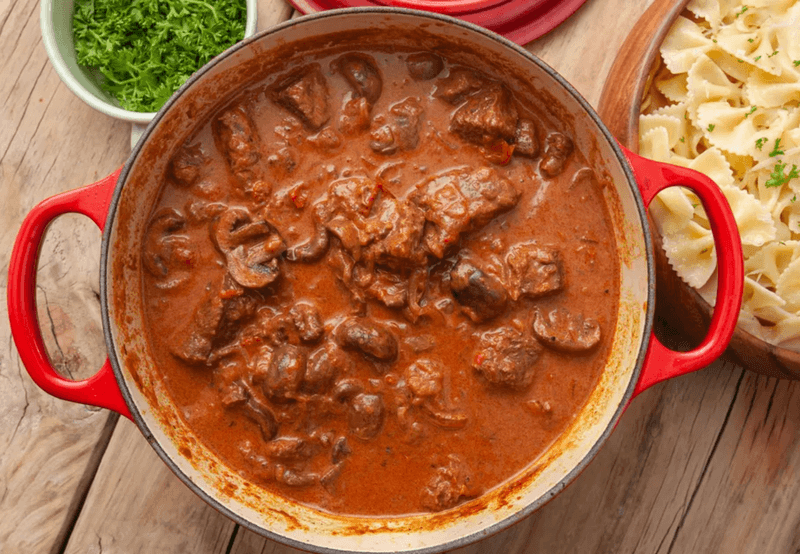
Goulash is Hungary's spicy cousin to British beef stew.
Both start with the same foundation: chunks of beef, onions, and root vegetables cooked low and slow until fork-tender.
The Hungarian version gets its distinctive character from generous amounts of paprika, whilst British stews rely on herbs and Worcestershire sauce.
Strip away those regional flavours, though, and you'll find the same comforting philosophy - turning tough meat into something spectacular through patience and proper technique.
5. Japanese Kare Raisu
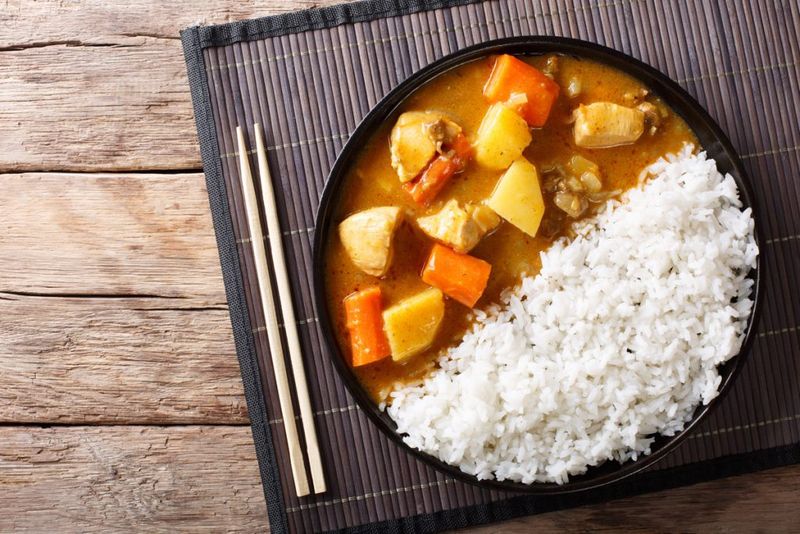
Believe it or not, Japanese curry traces its roots back to British naval curry, introduced during the Meiji era.
Both versions feature thick, gravy-like sauce poured over a starch - rice in Japan, sometimes potatoes or bread in Britain.
The Japanese adapted it brilliantly, making it sweeter and milder, but the DNA remains British.
It's fascinating how a dish travelled across the world, evolved, yet kept that same comforting, home-cooked essence that makes curry such a beloved staple.
6. Canadian Tourtière
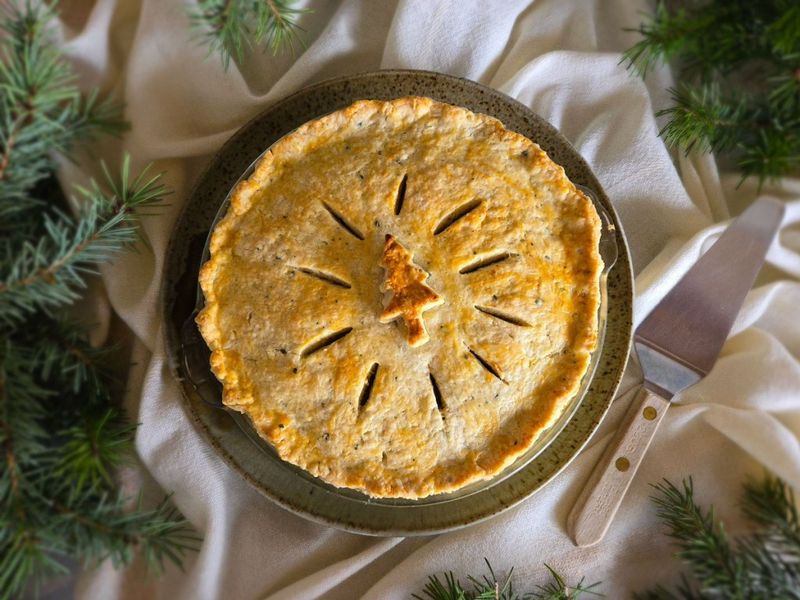
Tourtière is a traditional French-Canadian meat pie that shares a comforting, hearty spirit with many classic British savoury pies.
Seasoned minced meat is baked inside a sturdy pastry shell, creating a filling dish that works just as well for family dinners as festive gatherings.
Spices such as cinnamon, cloves, or allspice give it a gently warming flavour that feels both familiar and slightly adventurous.
It’s a lovely example of how different food cultures solve the same problem of turning simple ingredients into something deeply satisfying.
7. Australian Meat Pie
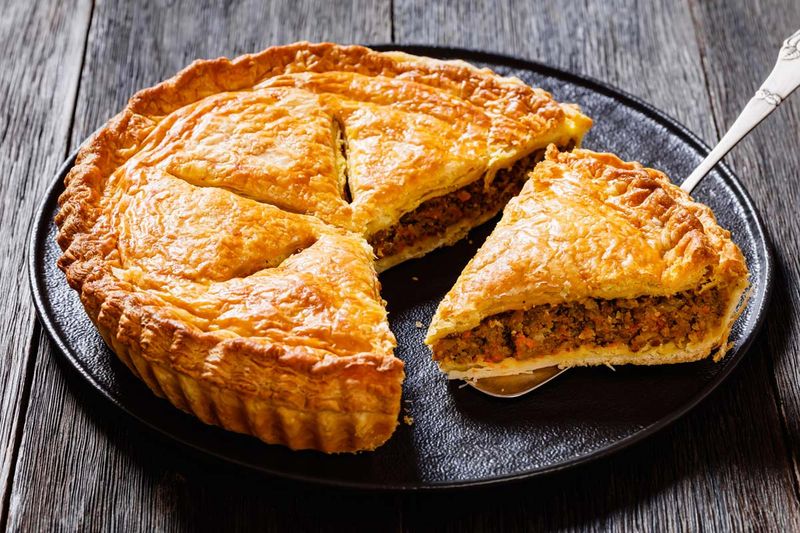
Australia's national snack is basically a handheld version of Britain's steak and kidney pie.
Both feature minced or diced beef in rich gravy, wrapped in flaky pastry that shatters when you bite it.
Australians made theirs portable for footy matches and road trips, whilst Brits kept theirs larger for family dinners.
The spirit remains unchanged, though - hearty, meaty, utterly satisfying.
It's brilliant evidence of how British settlers carried their food traditions Down Under, adapting them perfectly to their new home.
8. New Zealand Steak And Cheese Pie
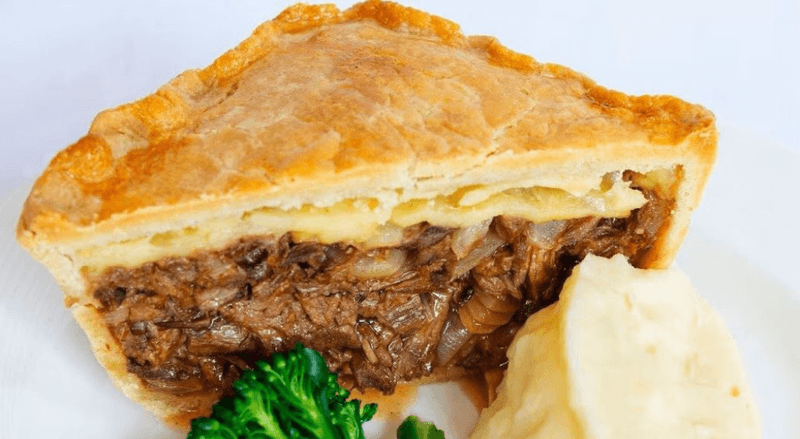
Take Britain's steak pie, add melted cheese, and you've got New Zealand's favourite bakery treat.
The Kiwis elevated the classic British formula by introducing gooey cheese that mingles with the gravy.
Both versions celebrate the same principle: tender beef chunks in savoury sauce, encased in crisp pastry.
New Zealand's innovation shows how British immigrants adapted traditional recipes to local tastes, creating something familiar yet distinctly their own.
It's culinary evolution at its most delicious, proving great ideas deserve tweaking.
9. German Sauerbraten
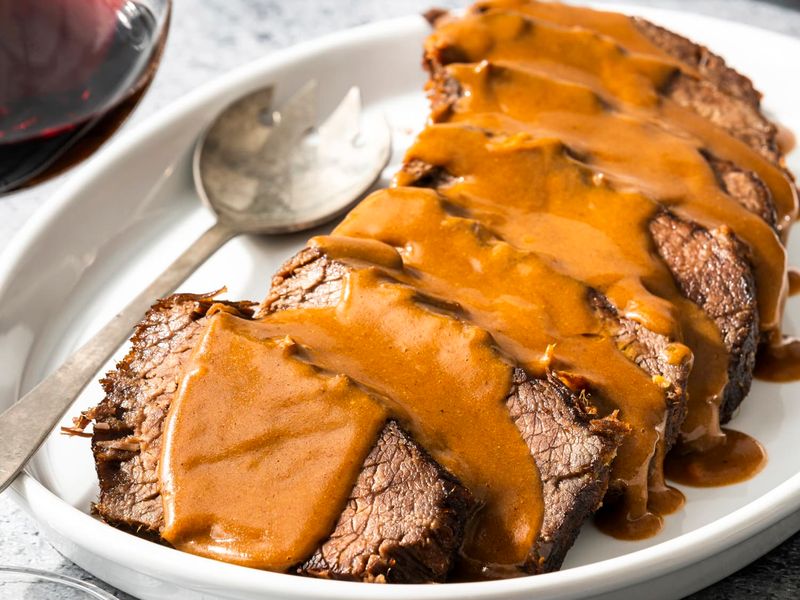
Germany's sauerbraten mirrors Britain's pot roast in surprising ways.
Both involve large cuts of beef, slow-cooked until they practically fall apart, served with rich gravy and root vegetables.
Sauerbraten gets marinated in vinegar for days, giving it a distinctive tangy flavour, whilst British pot roast stays simpler.
The cooking method and final presentation, though, are remarkably similar.
It's another example of how European cultures independently developed nearly identical solutions for turning tough, inexpensive meat into Sunday dinner centrepieces.
10. Swedish Meatballs
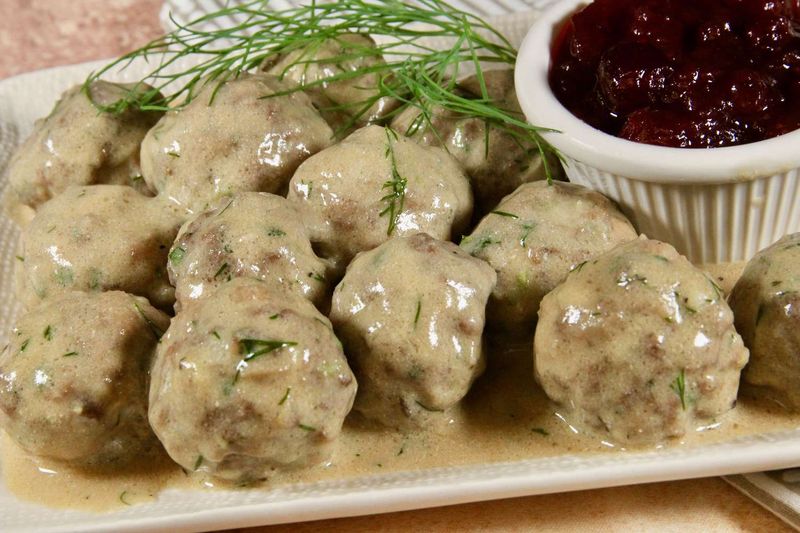
Swedish meatballs and traditional British savoury meat patties share more similarities than you might expect.
Both feature seasoned minced meat shaped into balls or patties, then gently cooked in rich gravy until tender.
The Swedish version is usually served with cream sauce and lingonberry jam, while the British dish often comes with onion gravy and mushy peas.
Strip away the accompaniments and you’ll spot the same idea at work, turning simple ingredients into something comforting through smart seasoning and careful cooking.
It’s a lovely example of resourceful home cooking that connects Scandinavian and British food traditions effortlessly.
11. Italian Polenta
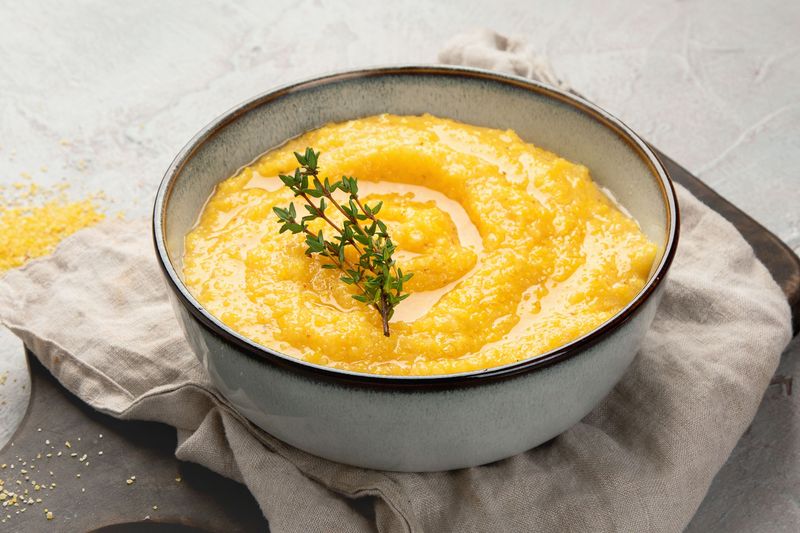
Polenta is Italy's answer to British porridge, though made from cornmeal instead of oats.
Both start as simple grains cooked with liquid until they become creamy, comforting mush.
Italians serve polenta savoury with cheese or meat, whilst Brits traditionally eat porridge sweet with sugar or jam - though savoury porridge exists too.
The preparation technique is virtually identical: constant stirring, patience, and the right liquid-to-grain ratio.
It's fascinating how different cultures created nearly identical dishes from their locally available grains.
12. Dutch Stamppot
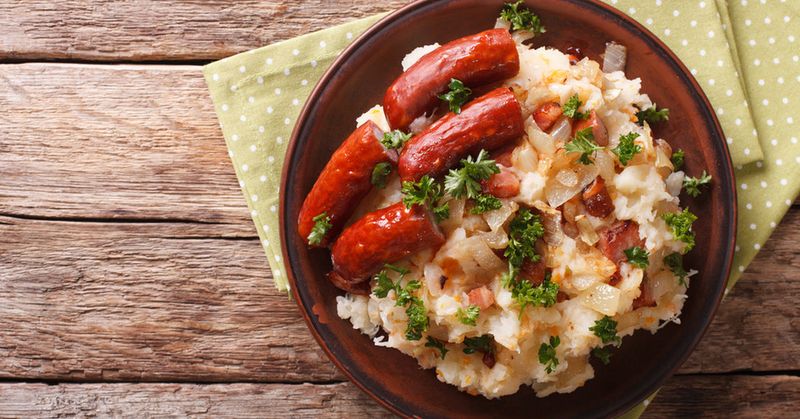
Stamppot is a cosy Dutch dish made by mashing potatoes together with vegetables such as kale, carrots, or sauerkraut.
The result is creamy, hearty, and wonderfully comforting, especially when served alongside sausage or gravy.
While it shares the same no-waste, practical cooking spirit found in many British comfort foods, the texture and preparation are quite different.
It’s the kind of meal that feels like a warm hug on a chilly evening and shows how simple ingredients can still deliver big comfort.
13. French Croque Monsieur
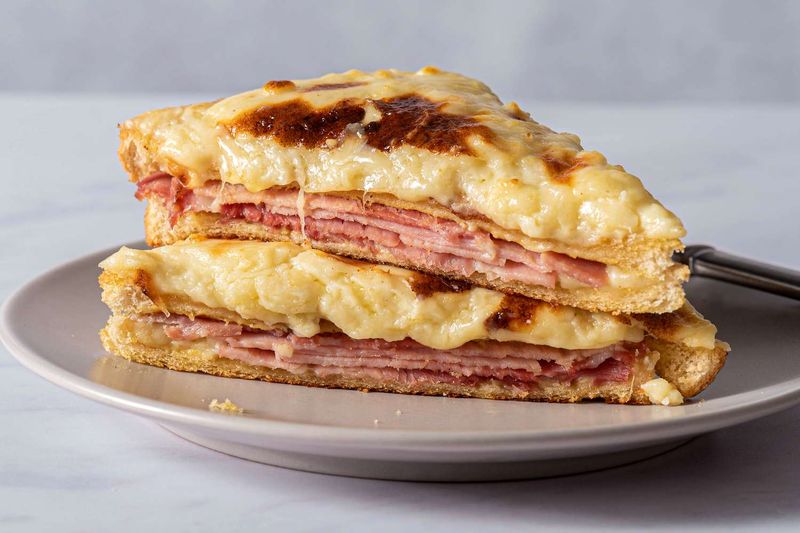
France's croque monsieur is basically a posh version of Britain's cheese and ham toastie.
Both sandwich ham and cheese between bread, then cook until golden and melty.
The French add béchamel sauce and grill theirs open-faced, whilst Brits keep things simpler with a toastie maker or frying pan.
The core concept stays the same, though - transforming basic ingredients into something indulgent through heat and cheese.
It's proof that great ideas need no translation, just perhaps a little French flair added for sophistication.
14. Indian Mulligatawny Soup
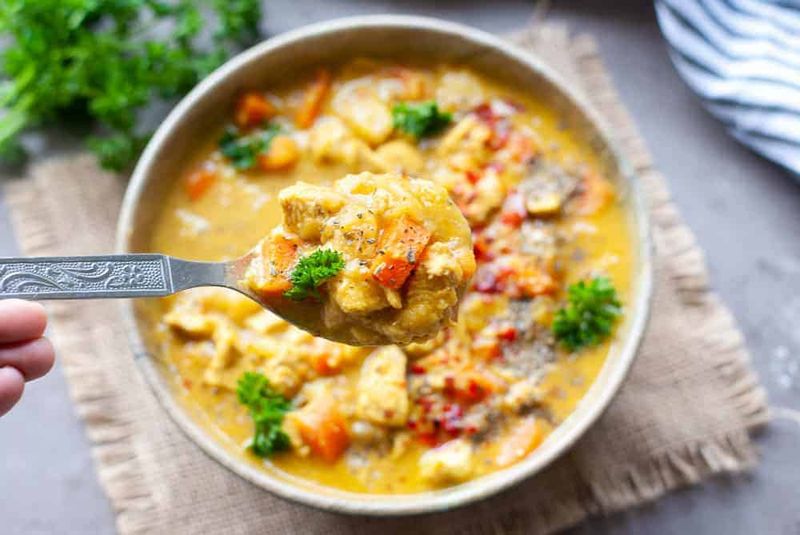
Here's a twist - mulligatawny was actually created by Indian cooks adapting recipes for British colonials who wanted familiar soup.
It combines British soup traditions with Indian spices, creating something uniquely hybrid.
The result tastes like British vegetable soup met curry and had a delicious baby.
It's thicker than most Indian dishes, more like British broths, but packed with warming spices.
This dish perfectly represents how cultures blend, creating something new that honours both traditions whilst standing entirely on its own merits.
15. Spanish Tortilla De Patatas
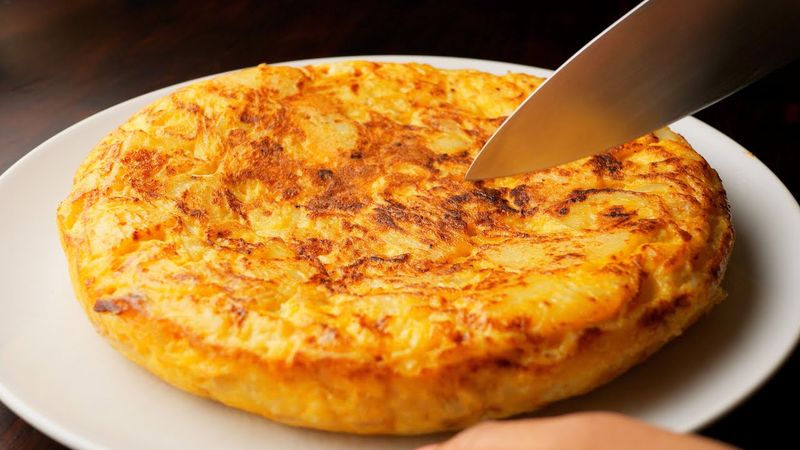
Spain's potato omelette shares remarkable similarities with Britain's bubble and squeak or potato cakes.
Both transform simple potatoes and eggs into satisfying meals that work any time of day.
The Spanish version stays fluffy and thick, whilst British versions often get fried until crispy.
The ingredients and cooking philosophy remain nearly identical, though - using everyday staples to create something filling and delicious.
It's wonderful how two countries on opposite ends of Europe independently decided that potatoes and eggs make perfect partners.