










If you’ve got a sweet tooth but want to keep your sugar intake in check, fruit can still be your best friend. While some varieties are naturally high in sugar, others are refreshingly light, offering all the flavour with far fewer grams of the sweet stuff.
These low-sugar fruits are perfect for anyone watching their diet, managing blood sugar, or just trying to make smarter snack choices without missing out on nature’s sweetness.
This article is for general informational purposes only – it should not be taken as medical or dietary advice. Always consult a qualified healthcare professional or registered dietitian before making major changes to your diet.
1. Avocado
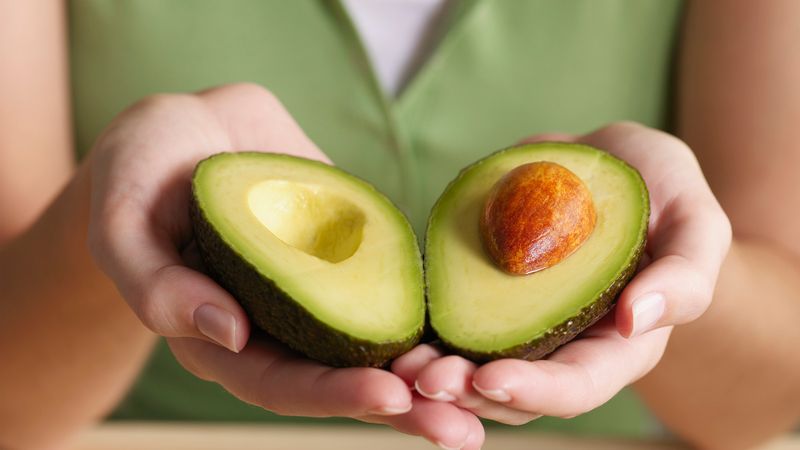
Technically a fruit, though most of us treat it like a savoury staple, avocado contains less than a gram of sugar per 100g. That's practically nothing compared to the usual suspects in the fruit bowl.
Packed with healthy fats and fibre, it's a brilliant option for keeping you full without spiking your blood sugar. Whether mashed on toast or tossed into a salad, it's creamy, versatile, and ridiculously good for you.
2. Raspberries
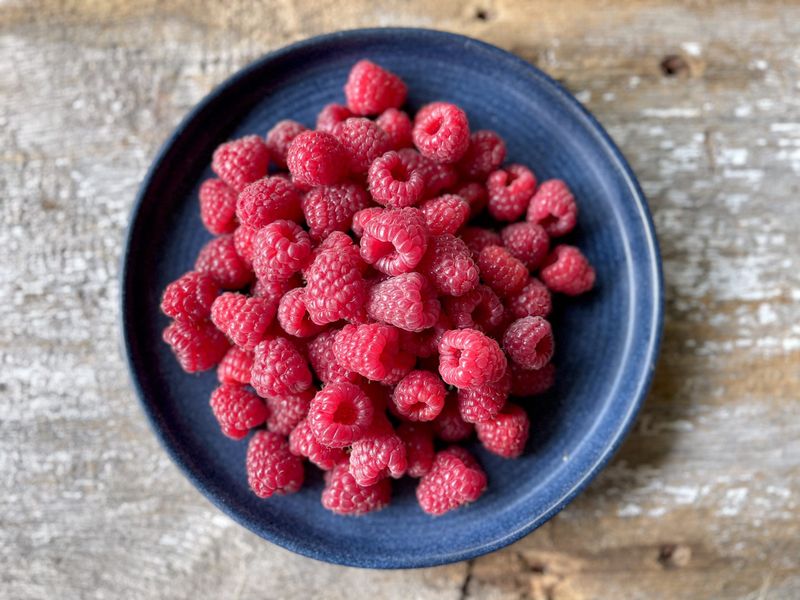
Did you know raspberries have been grown in Britain since medieval times? These little gems contain around 4.4g of sugar per 100g, making them one of the sweetest treats that won't wreck your diet.
They're bursting with antioxidants and fibre, which helps slow sugar absorption. Pop them on your porridge, blend them into smoothies, or just snack on them straight from the punnet for a guilt-free nibble.
3. Blackberries
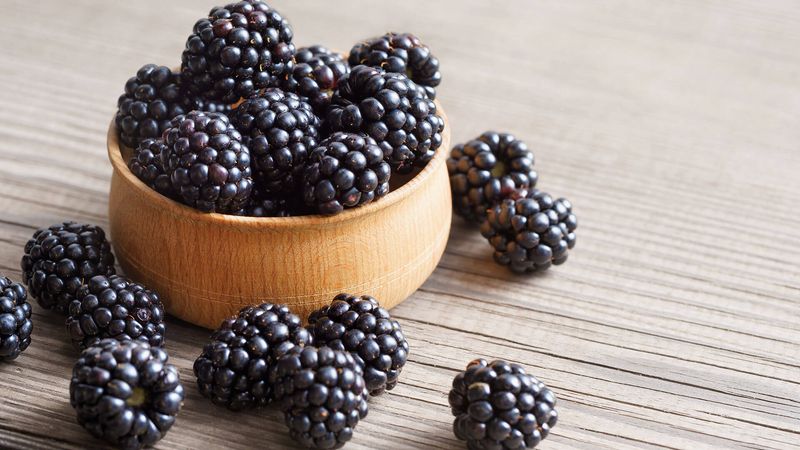
Foraging for blackberries in late summer is a proper British tradition, and there's good reason beyond nostalgia. With roughly 4.9g of sugar per 100g, they're a smart pick for anyone keeping tabs on their intake.
Rich in vitamins C and K, blackberries also deliver a hefty dose of fibre. Toss them into yoghurt, bake them into a crumble, or eat them fresh for a taste of the countryside without the sugar spike.
4. Strawberries
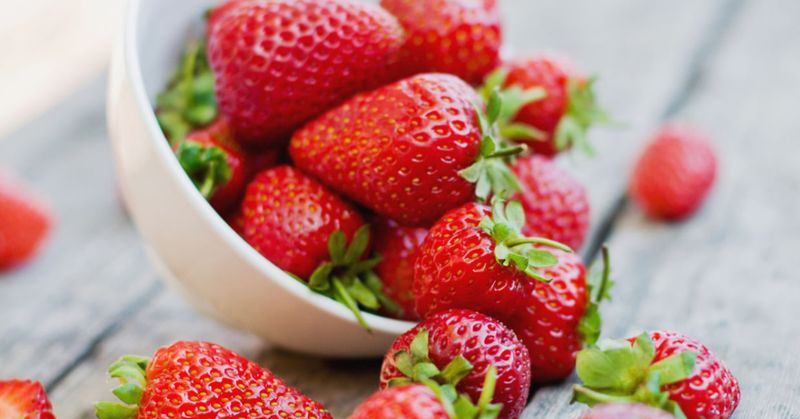
Strawberries might taste like summer in a bite, but they clock in at only about 4.9g of sugar per 100g. That's surprisingly low for something so naturally sweet and satisfying.
They're loaded with vitamin C and manganese, both brilliant for your immune system and overall health. Slice them over cereal, dip them in a bit of Greek yoghurt, or enjoy them solo. Either way, you're winning on flavour and nutrition.
5. Kiwi
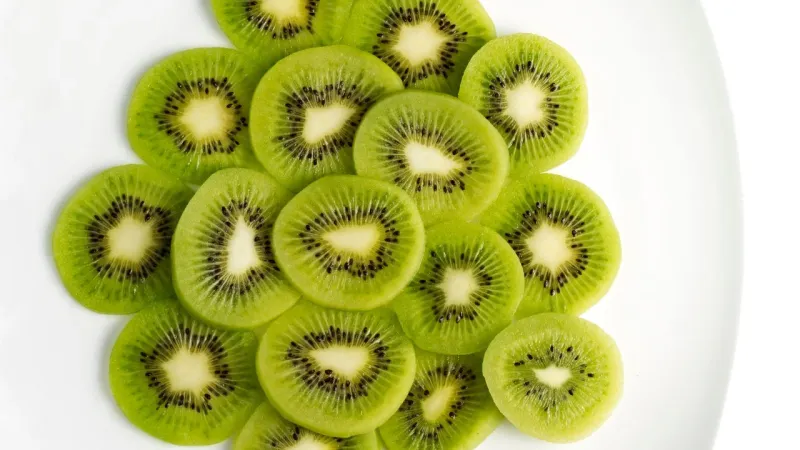
Originally from China but now grown in places like New Zealand and even some UK polytunnels, kiwi fruit packs around 9g of sugar per 100g. That's still on the lower end compared to tropical heavyweights like mango or pineapple.
Loaded with vitamin C, potassium, and digestive enzymes, kiwi is a powerhouse in a fuzzy package. Scoop it straight from the skin with a spoon or chop it into fruit salads for a zingy, refreshing bite.
6. Grapefruit
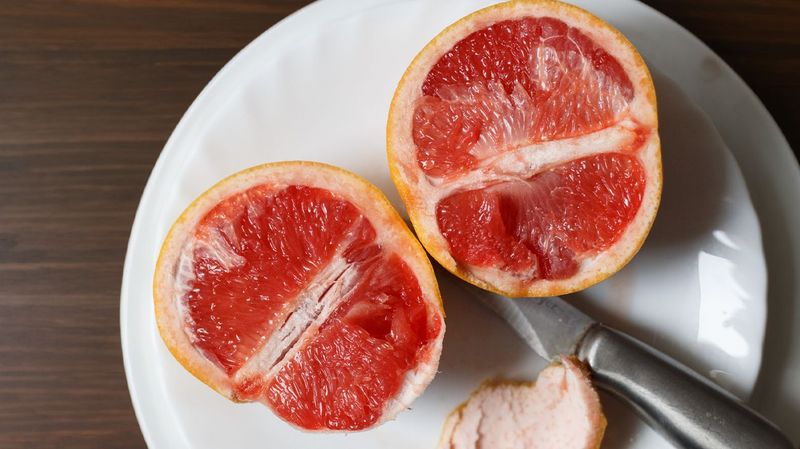
Grapefruit has about 6.9g of sugar per 100g, which is pretty decent for a citrus fruit. Its sharp, tangy flavour means a little goes a long way, so you won't be tempted to overdo it.
Nutritionists often recommend it for weight management because it's filling and low in calories. Halve it and eat it with a spoon, toss segments into salads, or squeeze it for juice. Just avoid it if you're on certain medications, as it can interfere.
7. Papaya
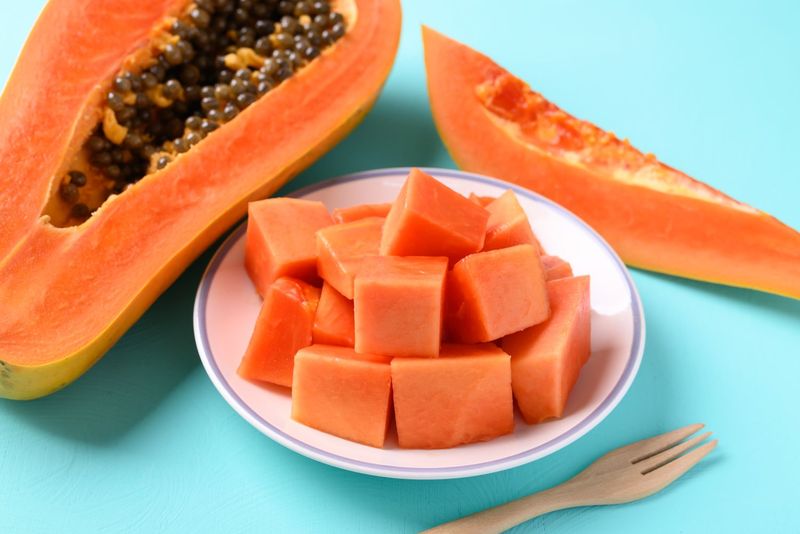
Papaya might seem like an exotic indulgence, but it contains only around 7.8g of sugar per 100g. That's lower than you'd expect for something so tropical and flavourful.
It's rich in an enzyme called papain, which aids digestion, plus it's loaded with vitamins A and C. You can find it in most UK supermarkets these days. Scoop out the seeds, slice it up, and enjoy it fresh or blend it into a smoothie for a sunny taste any time of year.
8. Cranberries
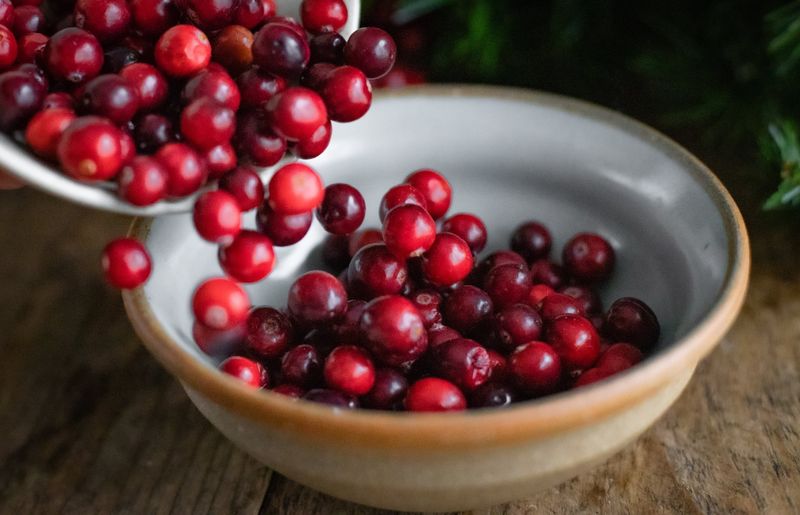
Fresh cranberries are surprisingly tart, which makes sense when you realise they contain only about 4g of sugar per 100g. That's one of the lowest on this list, though most people can't eat them raw without pulling a face.
They're brilliant for urinary tract health and packed with antioxidants. Try adding them to baking, simmering them into a sauce, or tossing a handful into your morning porridge. Just steer clear of the dried, sweetened versions if you're watching sugar.
9. Guava
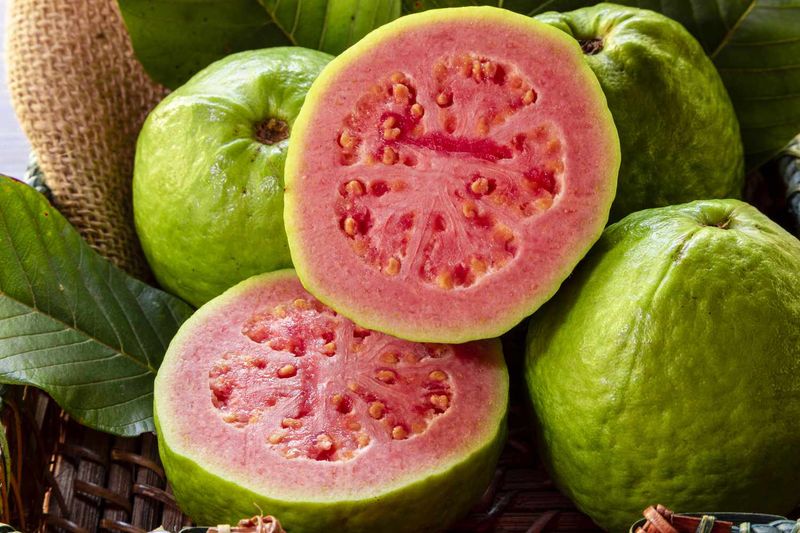
Guava might not be a British native, but it's increasingly available in supermarkets and Asian grocers across the UK. With around 8.9g of sugar per 100g, it's still a solid choice for keeping sugar low whilst enjoying bold, tropical flavour.
It's absolutely packed with vitamin C, even more than oranges, and contains plenty of fibre too. Slice it thin, eat it with the skin on, or blend it into smoothies for a fragrant, nutritious boost.