









Your body faces everyday stress from pollution, poor diet, and other environmental factors – but certain fruits offer natural protection from the inside out.
Antioxidants, found in many colourful fruits, help defend your cells against damage and may even lower the risk of conditions like heart disease and cancer.
The good news?
Some of the tastiest fruits are also the most powerful.
From everyday British berries to more exotic picks, these ten antioxidant-rich fruits could give your health a real boost.
This article is for general information only and does not constitute medical or nutritional advice.
Always consult a qualified professional before making changes to your diet or health routine.
1. Blackcurrants
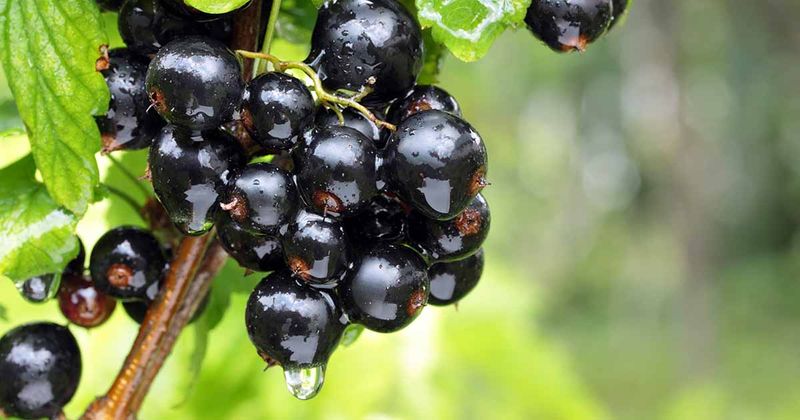
You might remember these tart little gems from childhood Ribena adverts, but blackcurrants genuinely deserve their reputation as vitamin C champions.
A single 100g serving contains four times more vitamin C than oranges, plus anthocyanins that give them their deep purple colour.
British blackcurrants are particularly potent because our cooler climate encourages higher antioxidant production.
Fresh or frozen, they're brilliant in smoothies, crumbles, or simply eaten by the handful if you can handle their sharp bite.
2. Blueberries
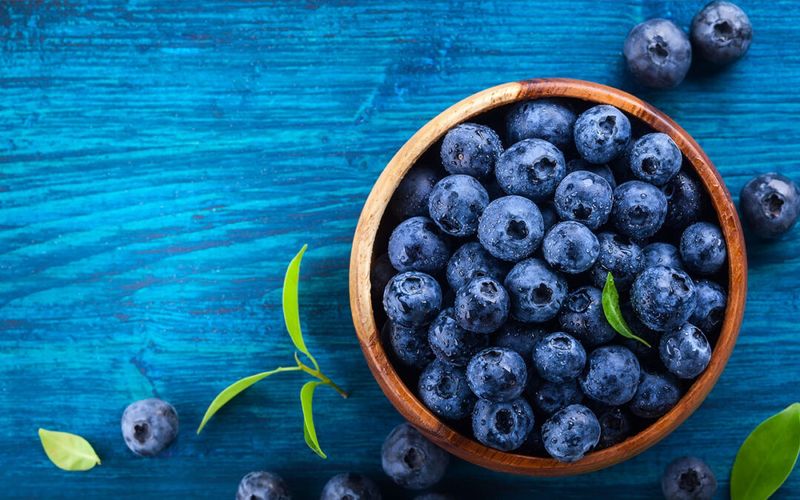
Scientists reckon blueberries might actually help keep your brain sharp as you age, thanks to their impressive antioxidant profile.
These little blue spheres contain anthocyanins and flavonoids that may improve memory and cognitive function.
Whilst most blueberries in UK supermarkets come from abroad, British varieties are becoming more common at farmers' markets.
They're absolutely perfect in porridge, muffins, or just grabbed by the handful as a guilt-free snack that actually does your body good.
3. Goji Berries
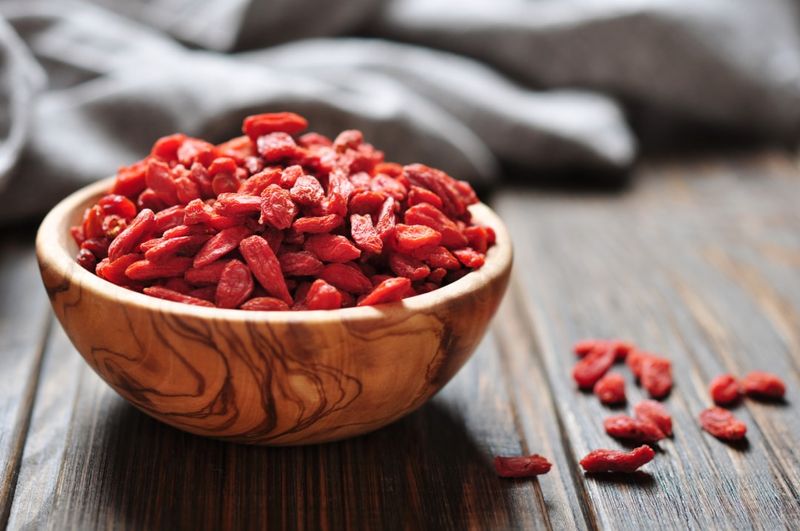
These wrinkled red berries have been used in Chinese medicine for centuries, and modern science is catching up with the hype.
Goji berries contain zeaxanthin, which supports eye health, plus loads of vitamin A and immune-boosting compounds.
You'll find dried goji berries in most health food shops and larger supermarkets now.
They taste a bit like a cross between cranberries and tomatoes, and work brilliantly sprinkled over yoghurt or mixed into homemade trail mix.
4. Elderberries
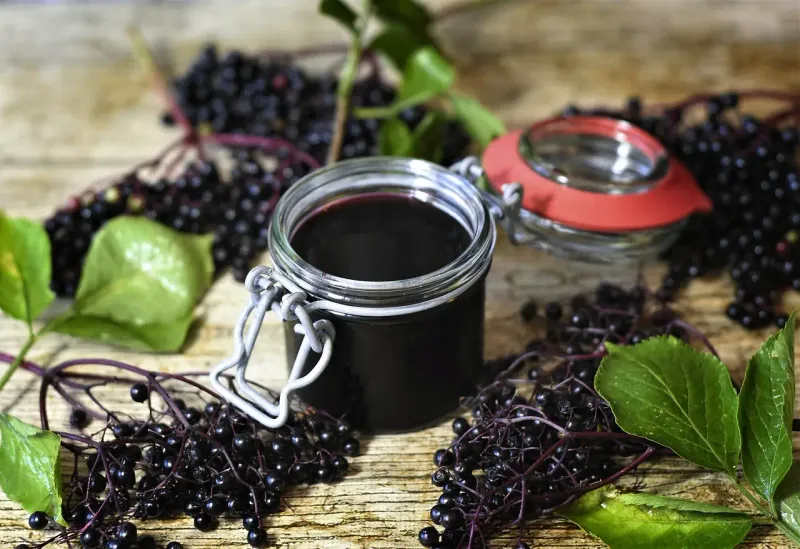
Long before expensive supplements hit the shelves, British folk were making elderberry cordial to ward off winter sniffles.
These dark purple berries contain powerful anthocyanins and have been shown to potentially reduce the duration of cold symptoms.
Wild elderberry bushes grow throughout the UK, though you can also find elderberry products in health shops.
The raw berries are quite bitter, so they're traditionally cooked into syrups, jams, or the classic elderberry cordial that your gran probably swore by.
5. Cherries
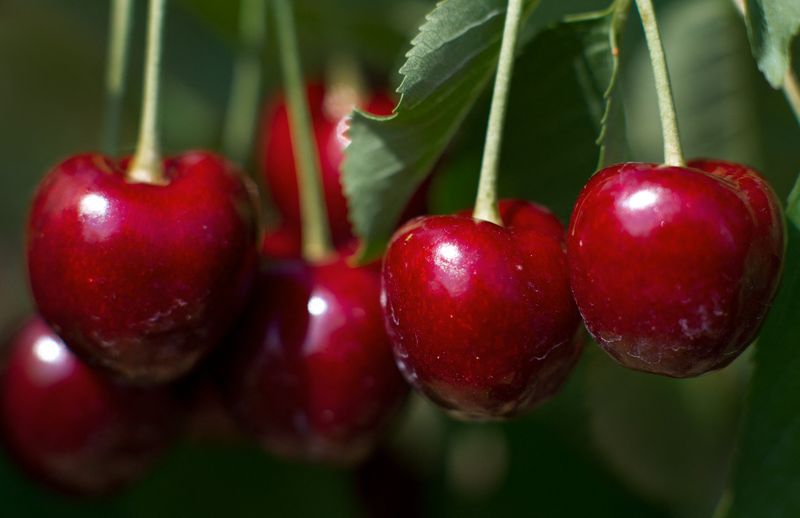
Beyond their gorgeous taste, cherries pack serious antioxidant power, particularly tart cherries which contain compounds that may help reduce inflammation and improve sleep quality.
The anthocyanins that give cherries their red colour are potent free radical fighters.
British cherry season runs from June to August, with Kent being our cherry capital.
Fresh cherries are obviously lovely, but frozen ones retain most of their antioxidant benefits and work beautifully in smoothies or baked goods year-round.
6. Blackberries
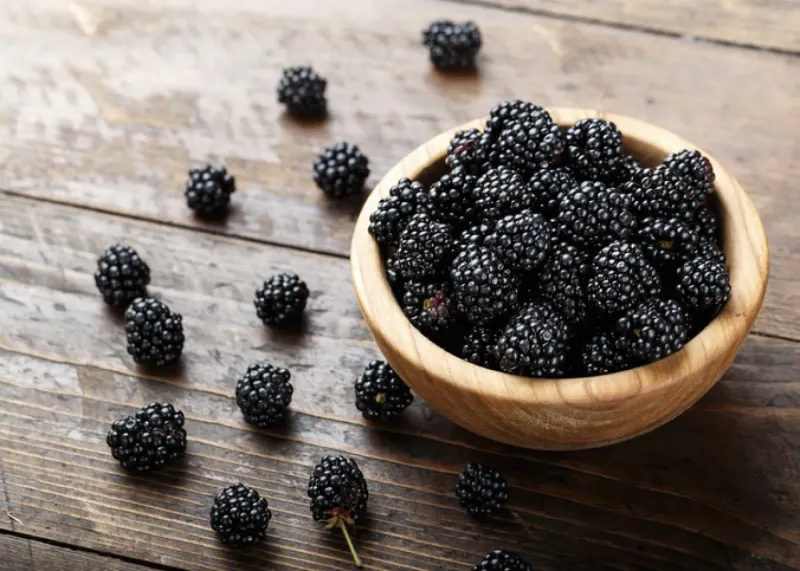
Every British child knows the joy of blackberry picking in late summer, and those thorny encounters are absolutely worth it for the antioxidant payoff.
Wild blackberries contain higher levels of anthocyanins than many cultivated varieties.
These purple gems are packed with vitamin C, fibre, and ellagic acid, which may have anti-cancer properties.
Whether you brave the brambles yourself or buy them from the shops, blackberries are brilliant fresh, in crumbles, or frozen for smoothies throughout the winter months.
7. Pomegranates
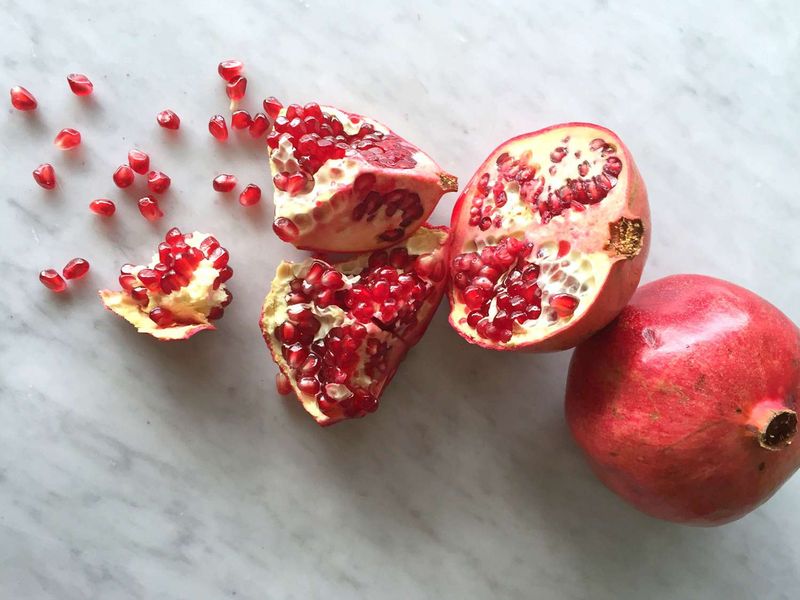
Cracking open a pomegranate feels like discovering buried treasure, and those ruby red arils are genuinely precious for your health.
Pomegranates contain punicalagins, powerful antioxidants that may support heart health and have anti-inflammatory properties.
Fresh pomegranates appear in UK supermarkets from autumn through winter, mostly from Mediterranean countries.
The seeds are lovely sprinkled over salads, stirred into yoghurt, or eaten straight from the fruit.
Pre-packed seeds save time but cost considerably more than doing the messy work yourself.
8. Strawberries
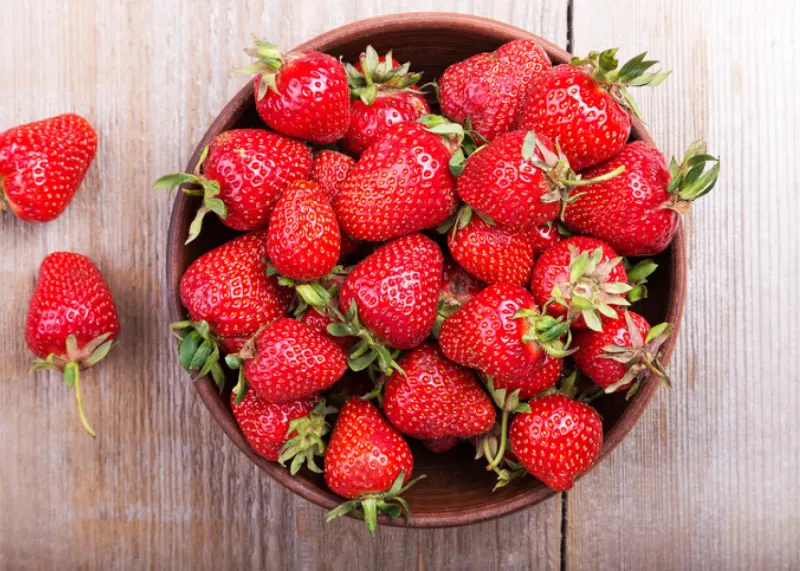
Wimbledon and strawberries go hand in hand for good reason beyond tradition – these heart-shaped beauties are loaded with vitamin C and flavonoids that support immune function and may help regulate blood sugar.
British strawberry season peaks in June and July, with varieties like Elsanta and Sonata leading the charge.
Local strawberries from pick-your-own farms often taste superior to supermarket imports and contain higher antioxidant levels thanks to being picked when properly ripe rather than for shelf life.
9. Cranberries
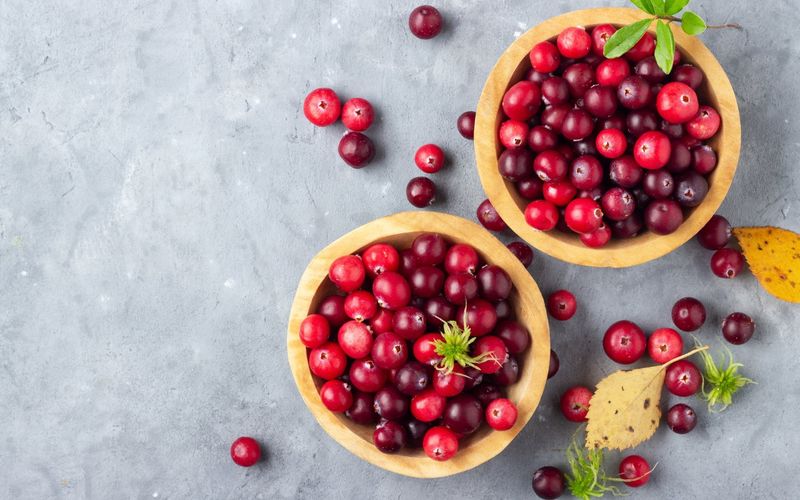
Most famous for preventing urinary tract infections, cranberries also pack impressive antioxidant power thanks to their high levels of proanthocyanidins and vitamin C.
These compounds may support heart health and have anti-inflammatory effects.
Fresh cranberries appear in UK shops around Christmas time, though frozen and dried versions are available year-round.
They're far too tart to eat fresh in quantity, but work brilliantly in sauces, baked goods, or mixed with sweeter fruits in smoothies and compotes.
10. Raspberries
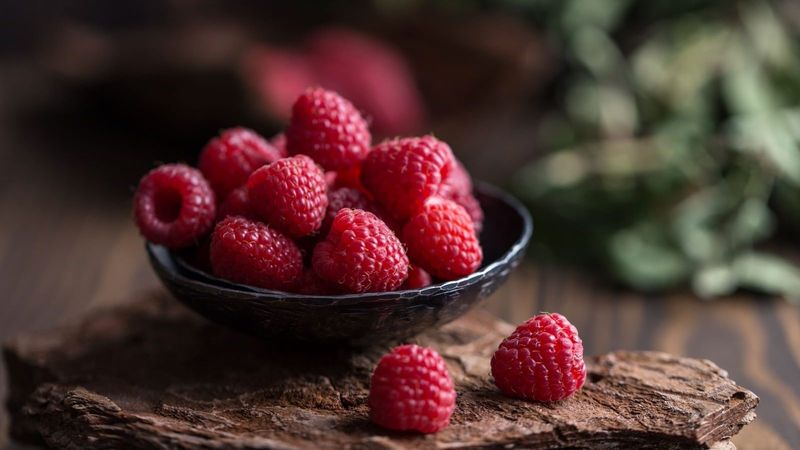
Despite their delicate appearance, raspberries are tough cookies when it comes to antioxidant content, containing ellagic acid and anthocyanins that may help protect against cellular damage and support brain health.
Scottish raspberries are particularly prized for their flavour and tend to have higher antioxidant levels than warmer climate varieties.
Fresh raspberries are gorgeous but fragile, whilst frozen ones retain most of their nutritional benefits and are perfect for smoothies, baking, or stirring into porridge on busy mornings.