







Rising food costs have a funny way of making old habits suddenly feel clever again. Back in the sixties, home kitchens quietly mastered the art of stretching ingredients, wasting very little, and turning simple cupboards into comforting food that actually lasted.
Those small, sensible routines can still make everyday cooking calmer, cheaper, and surprisingly satisfying. Some of them even bring a little nostalgia back to the table while saving you a few pounds along the way.
This content reflects general food and household practices based on historical trends and may vary depending on personal circumstances, budgets, and availability of ingredients.
1. Cooking From Scratch Using Basic Pantry Staples
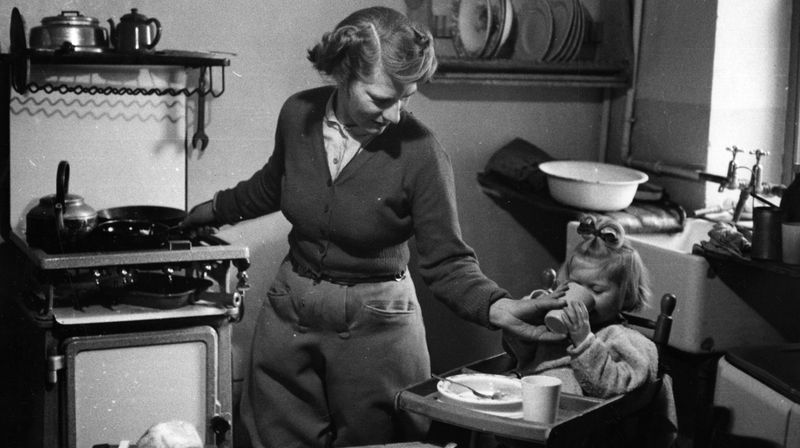
In many sixties kitchens, meals were often built around simple cupboard ingredients rather than ready-made packets. Home cooks relied on flour, fats, basic sugars, and fresh produce to prepare everyday food without much packaging or processing.
Making sauces, baking treats, and putting together filling dinners felt more hands-on, but it kept spending predictable and waste low. Cooking this way today still gives you more control over what goes into each dish and helps stretch ingredients further across the week.
It also brings back a satisfying rhythm to cooking that makes even ordinary meals feel more rewarding.
2. Saving Vegetable Scraps For Homemade Stock
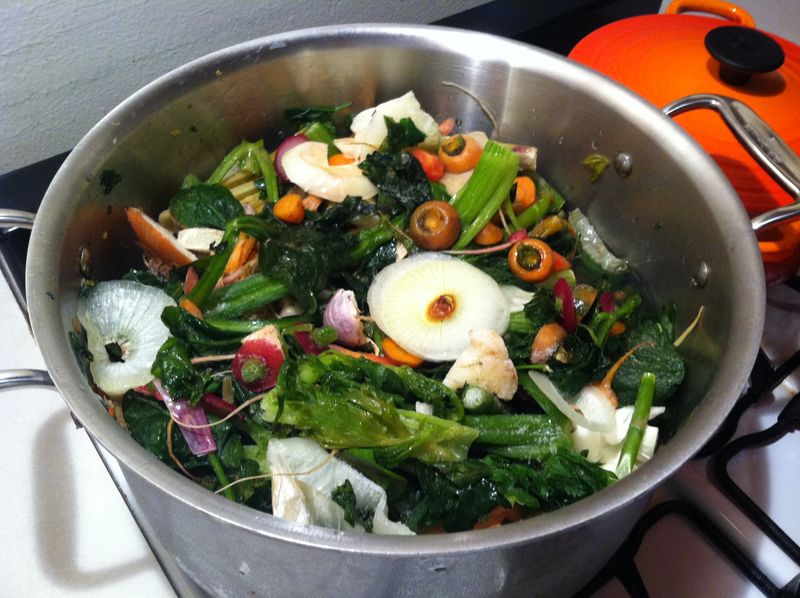
Vegetable peelings and trimmings were often seen as useful rather than rubbish in many older kitchens. Onion skins, carrot ends, and celery tops could be saved and simmered into a simple stock that added depth to soups and gravies.
This approach made the most of ingredients that might otherwise be thrown away. Keeping a small bag of scraps in the freezer makes it easy to build up enough for a batch whenever you need it.
The result is a practical habit that saves a little money and adds extra flavour without much effort.
3. Baking Bread At Home
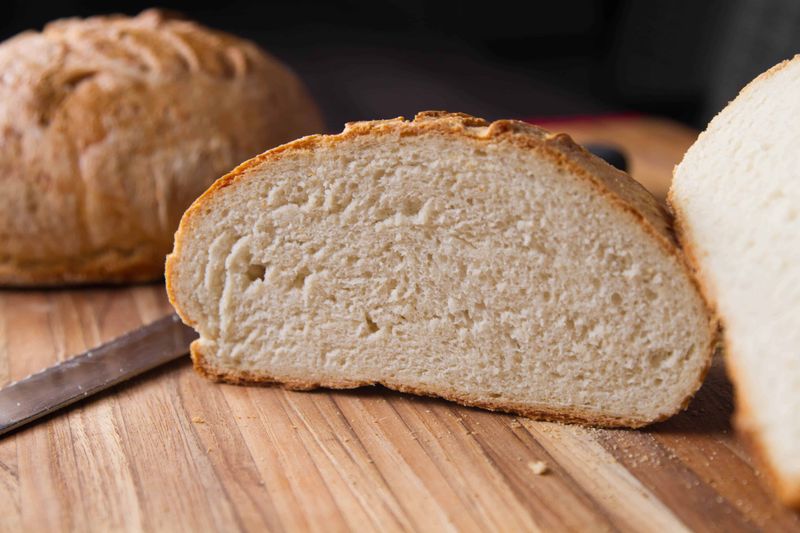
Home baking played a bigger role in everyday cooking for many families during the sixties, especially in households with time and space to bake regularly. Fresh loaves offered a sense of comfort and familiarity, even if shop bread was still widely used.
Basic recipes relied on simple ingredients and didn’t require fancy equipment. Making bread at home today can be surprisingly relaxing once you get into the rhythm of it.
The smell filling the kitchen and the satisfaction of slicing a warm loaf often make the effort feel well worth it.
4. Making Large Batch Stews And Casseroles
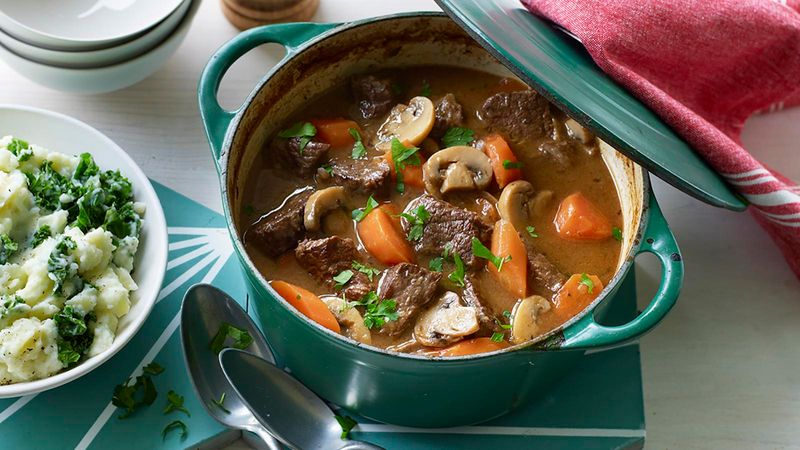
One-pot meals like beef stew or shepherd's pie fed entire families for days in the 1960s. Cooking in bulk meant less time in the kitchen and more meals from a single effort, stretching ingredients further than individual portions ever could.
Batch cooking still works brilliantly today for busy schedules and tight budgets. Make a huge casserole on Sunday, and you'll have ready-made dinners waiting in the fridge or freezer all week long.
5. Using Seasonal And Locally Grown Produce
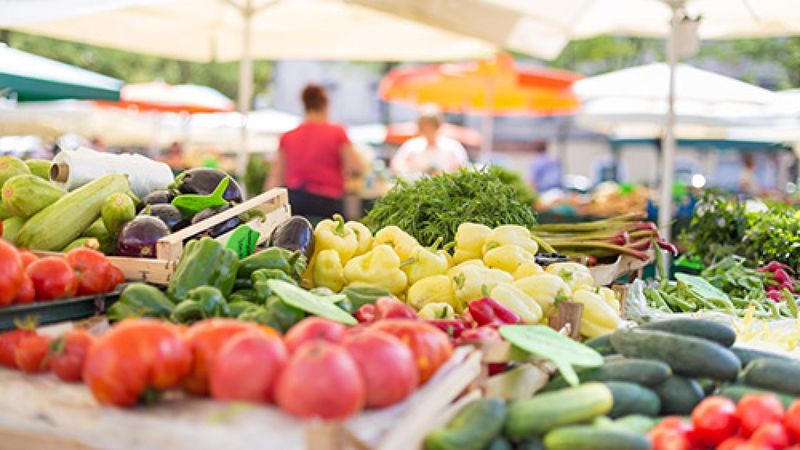
Strawberries in June, sprouts in December - 1960s families ate what was in season because that's what was available and affordable. Local greengrocers stocked fresh produce from nearby farms, keeping prices low and flavours high.
Seasonal shopping remains one of the smartest money-saving tricks around. Fruits and vegetables taste better when they're naturally ripe, and you'll pay far less than for out-of-season imports shipped from thousands of miles away.
6. Preserving Food By Bottling And Pickling
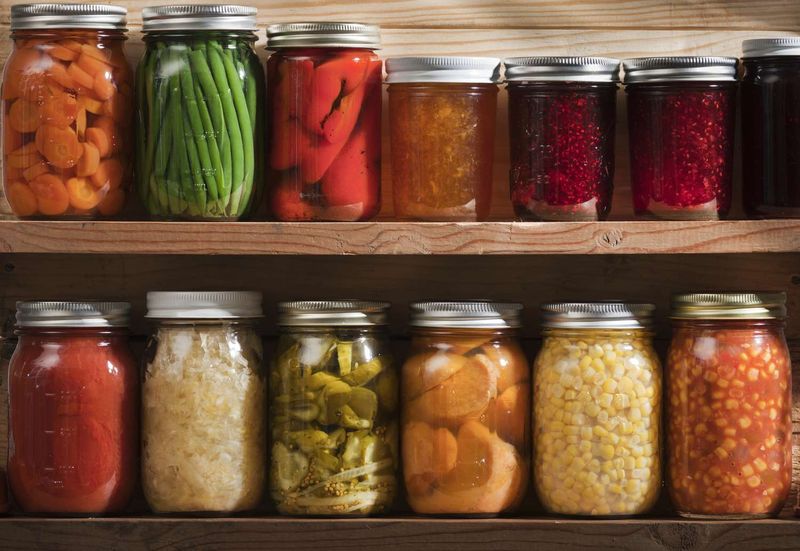
Jars of pickled onions, bottled fruits, and homemade jams lined pantry shelves throughout the 1960s. Preserving summer's bounty meant families could enjoy tasty treats all winter without paying shop prices for tinned goods.
Pickling and bottling are making a comeback as people rediscover how easy and satisfying they are. You'll reduce food waste, save money, and create delicious condiments and snacks that last for months in your cupboard.
7. Stretching Meat With Pulses And Vegetables
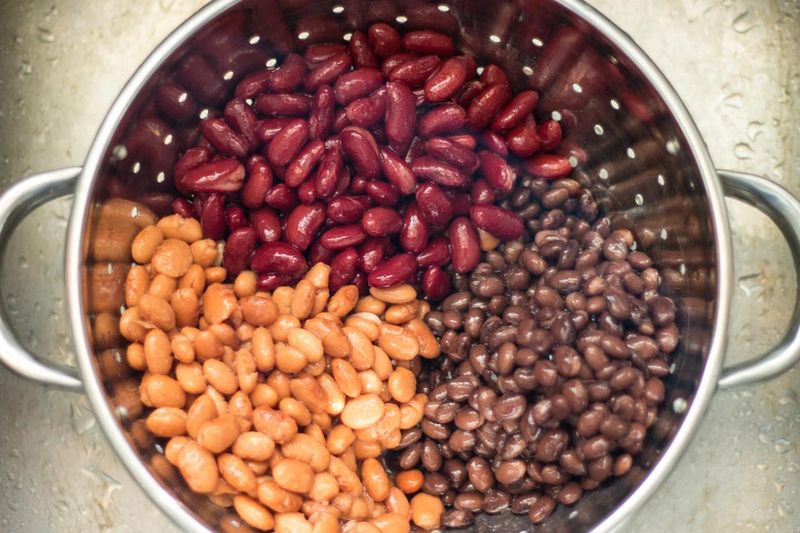
Meat was often used carefully in sixties cooking, with vegetables, grains, and pulses helping to bulk out meals. Lentils, pearl barley, and chopped vegetables added texture and substance while keeping portions generous.
This approach allowed a smaller amount of meat to go further across several servings. It still works well today for keeping food bills steady without making meals feel skimpy.
Hearty seasonings and slow cooking help everything blend together into comforting, filling dishes.
8. Reusing Leftovers For Next-Day Meals
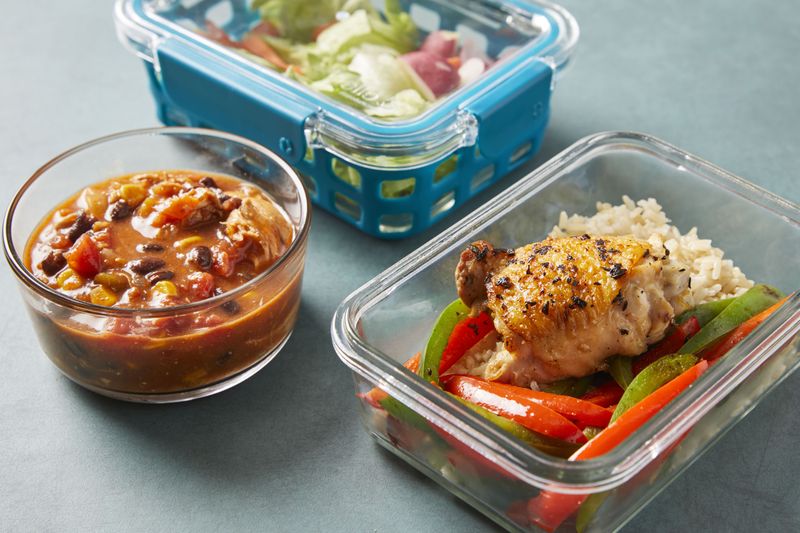
Sunday's roast chicken became Monday's curry, and Tuesday's sandwiches in 1960s households. Nothing went to waste because every scrap of food represented hard-earned money and effort.
Planning leftover meals can halve your cooking time and grocery spending. Roast extra potatoes for bubble and squeak, save pasta for frittatas, or transform yesterday's veg into today's soup.
Your bin will be lighter, and your purse will be heavier.
9. Shopping With A Written List To Avoid Waste
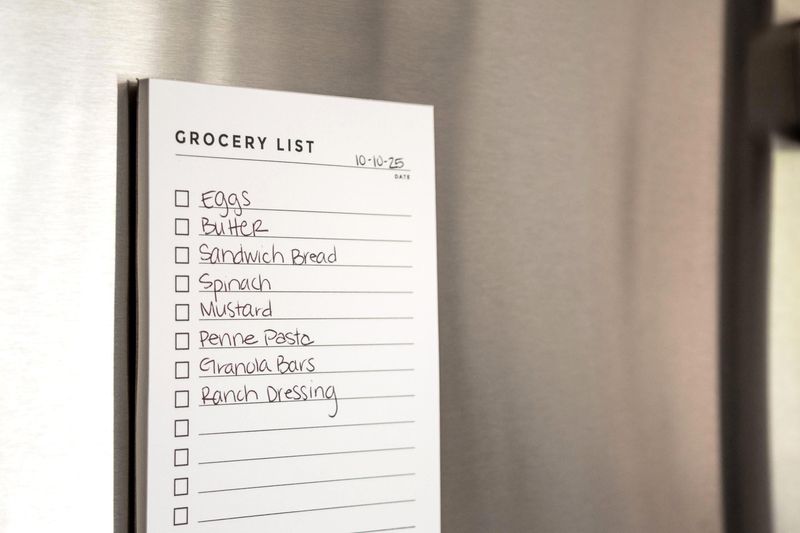
Planning shopping around meals was a common habit in many households during the sixties. Writing a list helped people focus on what they actually needed rather than buying on impulse.
It also reduced the chances of food being forgotten at the back of the cupboard. Using a list today keeps weekly shops calmer and more organised.
A little planning upfront often saves both money and unnecessary waste by the end of the week.
10. Growing Herbs And Vegetables At Home
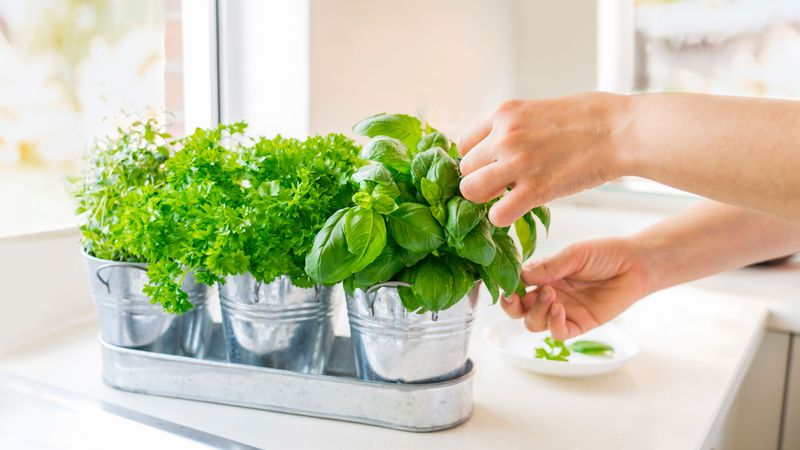
Victory gardens from wartime evolved into backyard vegetable patches throughout the 1960s. Families grew tomatoes, lettuce, and herbs in their gardens or even on windowsills, cutting grocery costs whilst enjoying the freshest possible produce.
You don't need acres of land to grow your own food today. A few pots of basil, mint, and cherry tomatoes on a sunny balcony can save you pounds every month and taste miles better than supermarket versions.