Europe’s winter holidays are filled with traditional desserts that capture the warmth and charm of the season. From buttery biscuits to rich fruit breads, every country has a treat that tells its own story and celebrates local flavours.
Whether you prefer something delicately sweet or wonderfully spiced, these festive classics bring a taste of European heritage to your holiday table.
This content is for general information only. Taste, appearance, and availability may vary depending on location and season.
1. Yule Log (France)
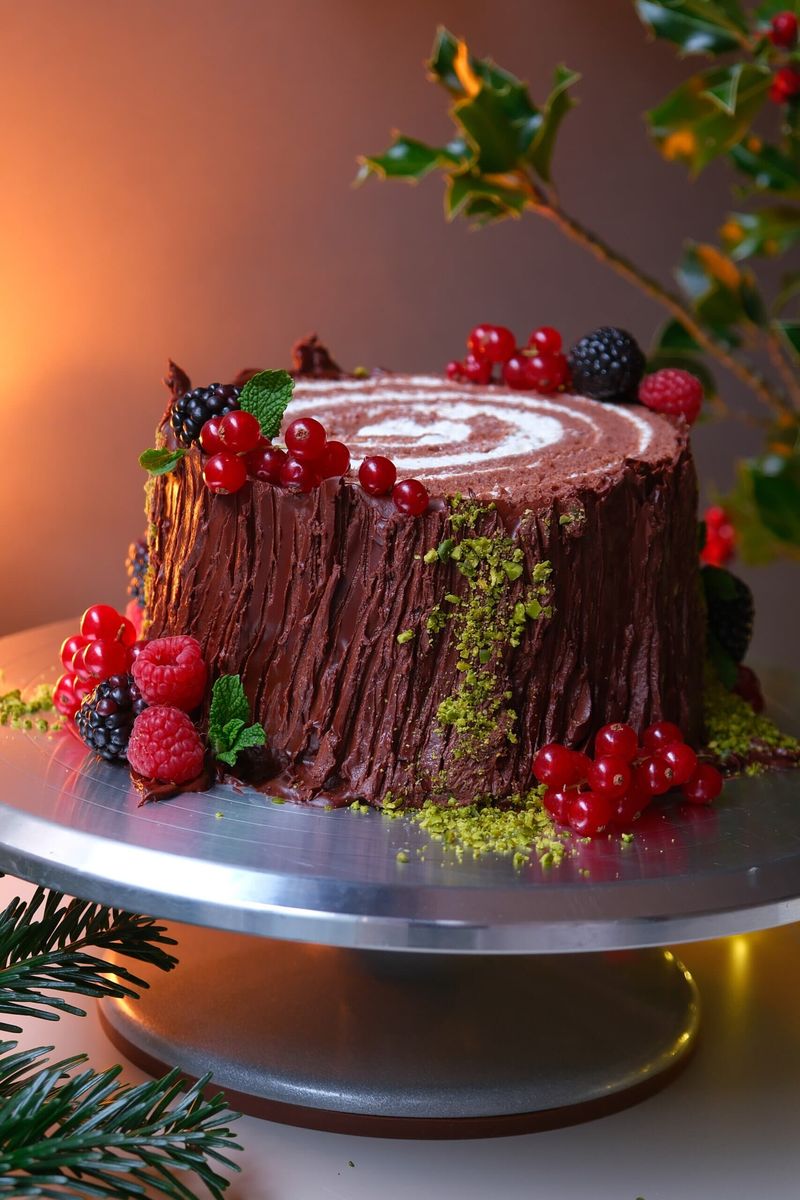
Picture a log from the forest, but made entirely of chocolate sponge and buttercream. That's the magic behind France's Bûche de Noël, which translates to Christmas log. Originally, families burned an actual log in the fireplace to bring good luck, but when fireplaces became less common, bakers got creative.
The sponge gets rolled up with rich filling, then covered in chocolate icing textured to look like tree bark. Some bakers add meringue mushrooms or sugared holly leaves on top. You'll find these beauties in every French pâtisserie come December, and honestly, they taste even better than they look.
2. Stollen (Germany)
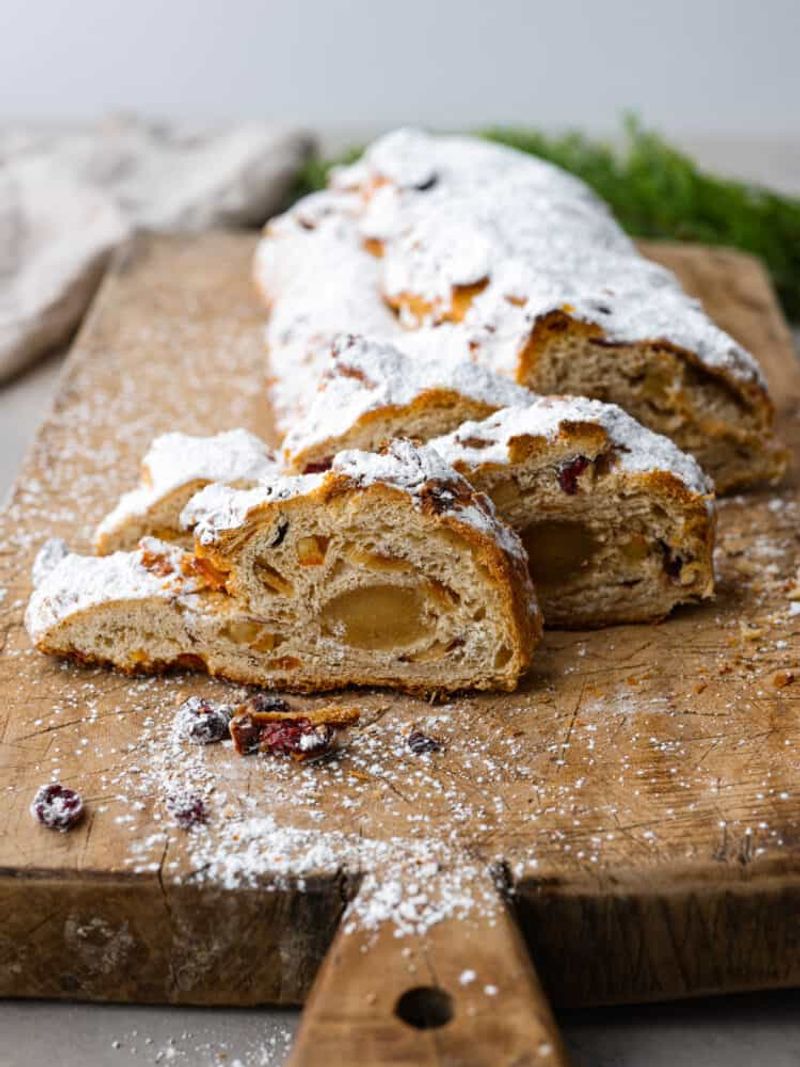
Germans have been baking this fruity bread since the 1400s, making it one of Europe's oldest Christmas treats. Stollen looks a bit like a giant folded pastry covered in a thick blanket of icing sugar. Inside, you'll discover a treasure trove of candied peel, raisins, almonds, and sometimes a hidden strip of marzipan running through the middle.
The dough is rich with butter and spices, giving it a dense, almost cake-like texture. Traditionally, it's meant to represent the baby Jesus wrapped in swaddling clothes, which is rather sweet when you think about it.
3. Vanillekipferl (Austria)
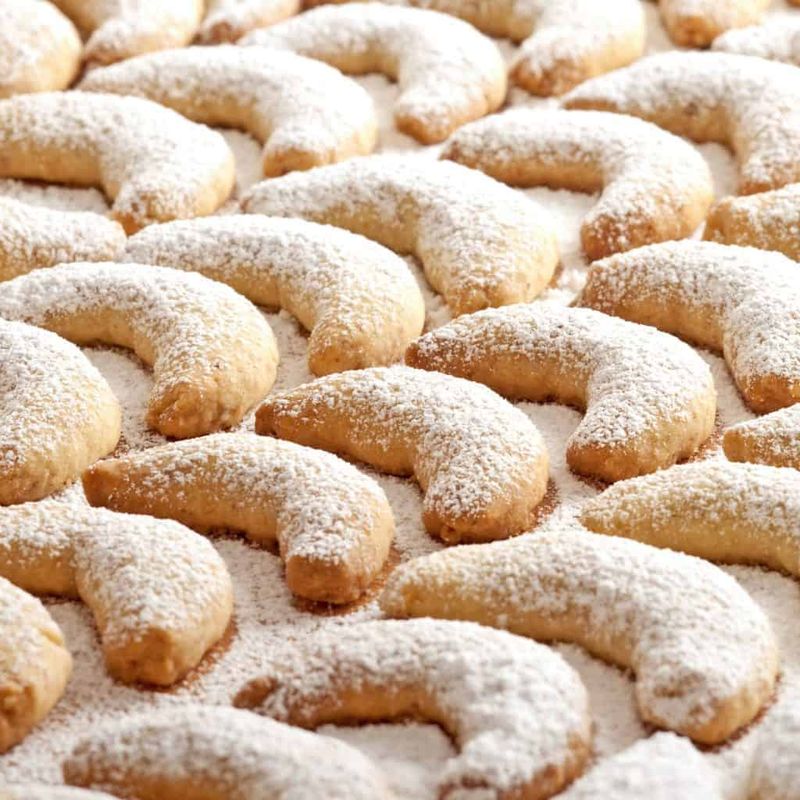
Crescent-shaped biscuits that practically melt on your tongue are Austria's gift to the holiday biscuit tin. These delicate little crescents are made with ground almonds or hazelnuts, giving them a sandy, shortbread-like texture that's absolutely divine. After baking, they get rolled in vanilla sugar while still warm, creating a sweet, fragrant coating.
The name literally means vanilla crescents, and they're so buttery and crumbly that you'll need a plate underneath to catch the inevitable shower of sugar. Austrians bake them by the dozen during Advent, and they pair brilliantly with a cup of hot chocolate.
4. Polvorones (Spain)
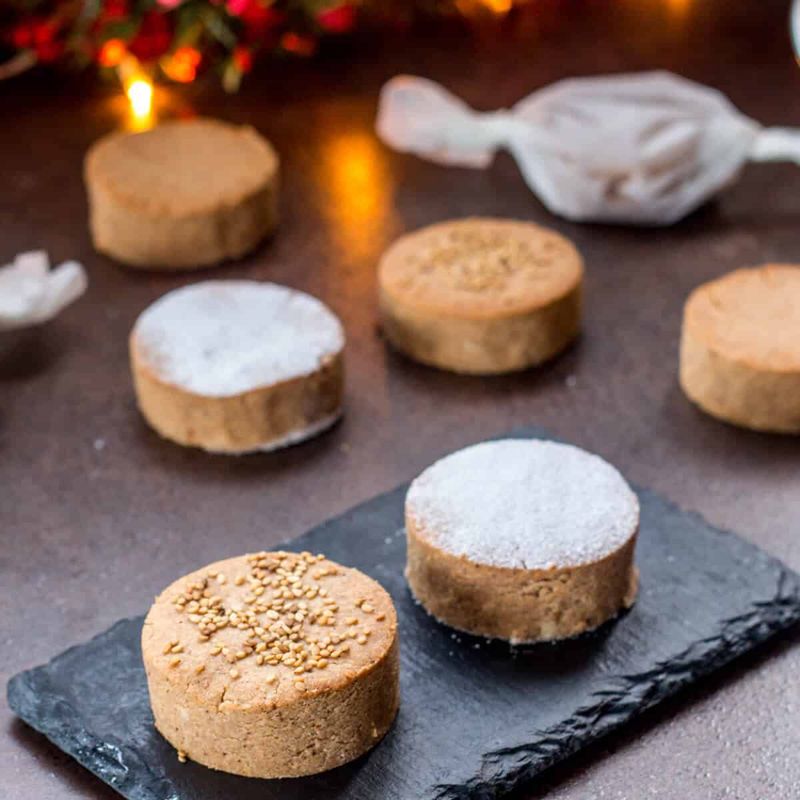
Spain's answer to shortbread comes wrapped in colourful tissue paper like tiny edible presents. Polvorones are made with lard (traditionally, anyway), flour, sugar, and almonds, then baked until they're pale and crumbly. The name comes from 'polvo,' meaning dust, which makes perfect sense when you bite into one and it practically dissolves into sweet, almond-flavoured powder.
There's actually a proper technique to eating them: unwrap carefully, pop the whole thing in your mouth, and let it melt. Breaking them apart usually results in a lapful of crumbs, though that's half the fun really.
5. Kransekake (Norway)
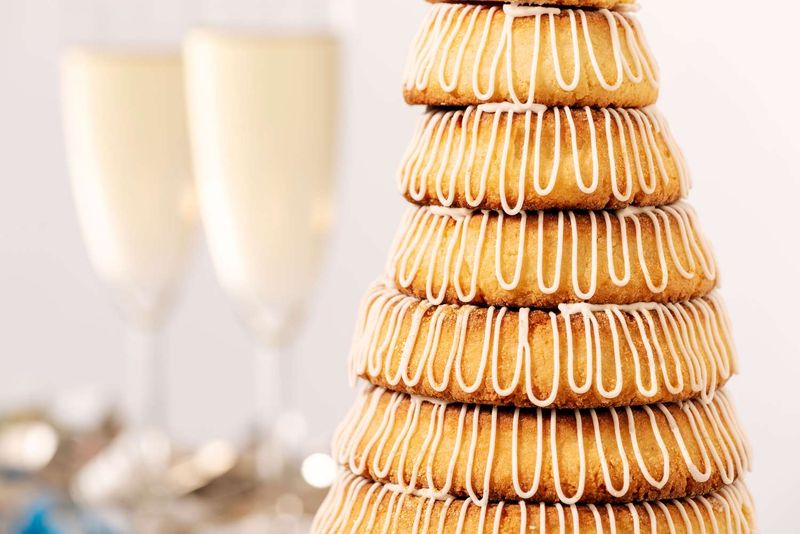
Imagine a tower of almond rings stacked from largest to smallest, creating an edible Christmas tree. That's Kransekake, Norway's showstopping celebration cake that appears at weddings, New Year's Eve, and Christmas gatherings. Each ring is made from ground almonds, sugar, and egg whites, giving them a chewy, macaroon-like texture that's utterly moreish.
The rings are often decorated with tiny Norwegian flags or delicate icing drizzles. Breaking off a ring to share is part of the tradition, and there's something quite satisfying about snapping through that slightly crispy exterior to the soft centre. It's fancy without being fussy.
6. Mince Pies (United Kingdom)
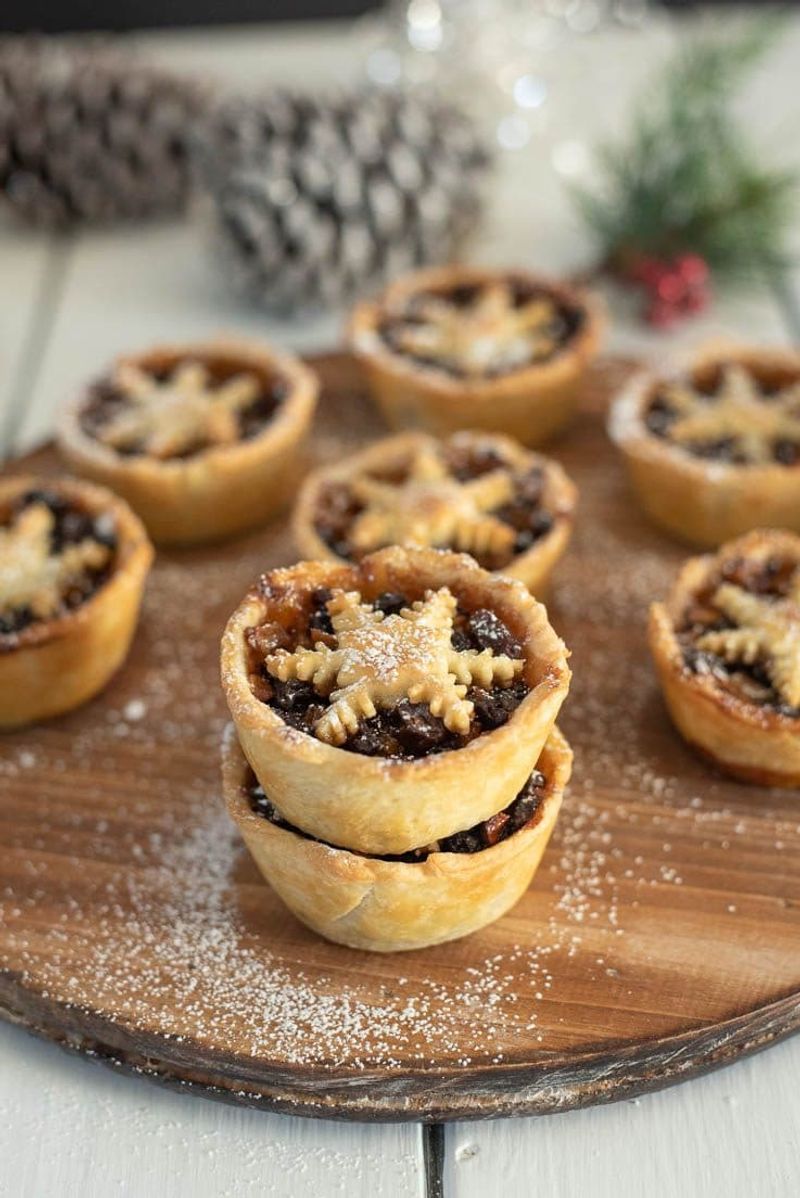
No British Christmas is complete without a plate of these little pastry parcels filled with spiced fruit mincemeat. Despite the name, there's no actual meat involved anymore, just a sticky mixture of dried fruits, suet, spices, and sometimes a splash of brandy. Supermarkets stock them from October onwards, and everyone has a favourite brand, whether it's M&S, Tesco Finest, or homemade.
Warm them slightly and serve with brandy butter or a dollop of cream. Some people prefer a pastry lid, others like a crumble top, and there's endless debate over star-shaped versus plain rounds.
7. Bejgli (Hungary)
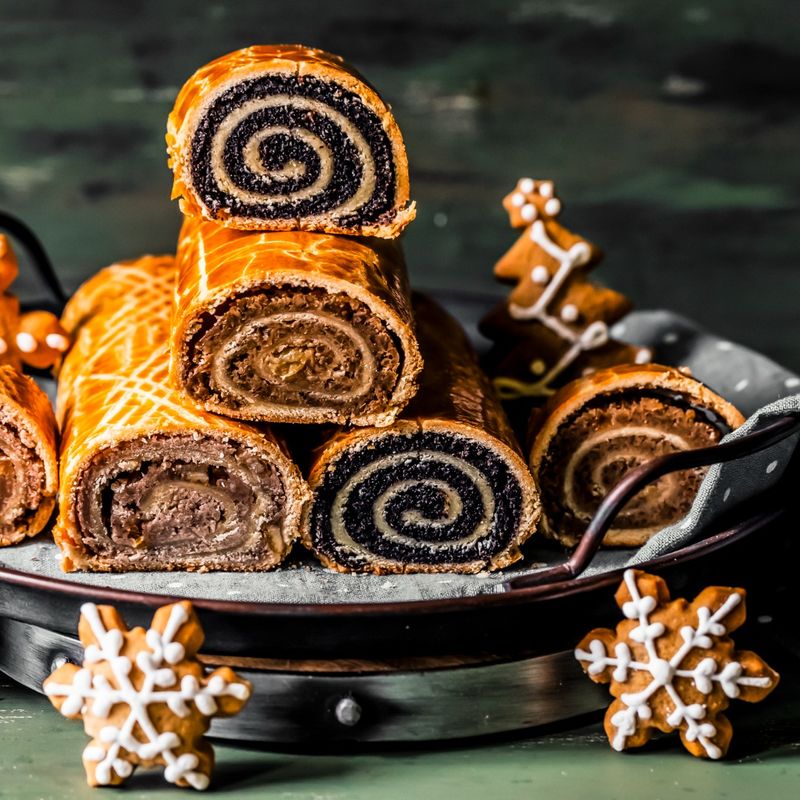
Hungary's traditional Christmas roll comes in two classic flavours: poppy seed or walnut. Both versions feature a soft, slightly sweet yeast dough wrapped around a dense, spiced filling that spirals through each slice. The poppy seed version is darker and has an earthy, nutty taste, whilst the walnut filling is sweeter and richer.
Hungarian families often bake both types so guests can choose their favourite. The dough is rolled thin, spread generously with filling, then rolled up like a Swiss roll before baking. Slicing it reveals a beautiful spiral pattern that looks almost too pretty to eat.
8. Risalamande (Denmark)
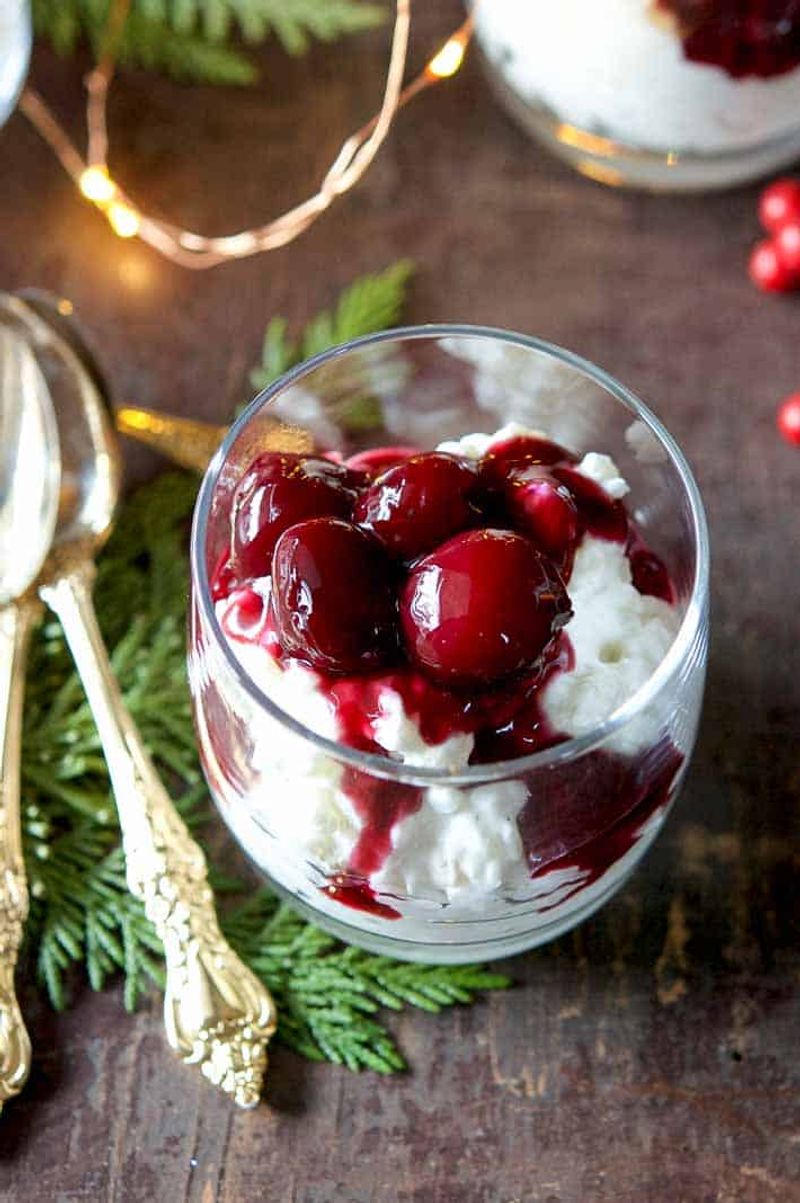
Cold rice pudding might not sound thrilling, but Denmark's Risalamande is properly festive and surprisingly addictive. It's made from rice pudding mixed with whipped cream, vanilla, and chopped almonds, then served with a warm cherry sauce poured over the top. The contrast between the cold, creamy pudding and the hot, tart sauce is absolutely brilliant.
There's a tradition of hiding one whole almond in the bowl, and whoever finds it wins a small prize, usually marzipan shaped like a pig. It's a fun way to end Christmas dinner and gets everyone excited about pudding.
9. Piernik (Poland)
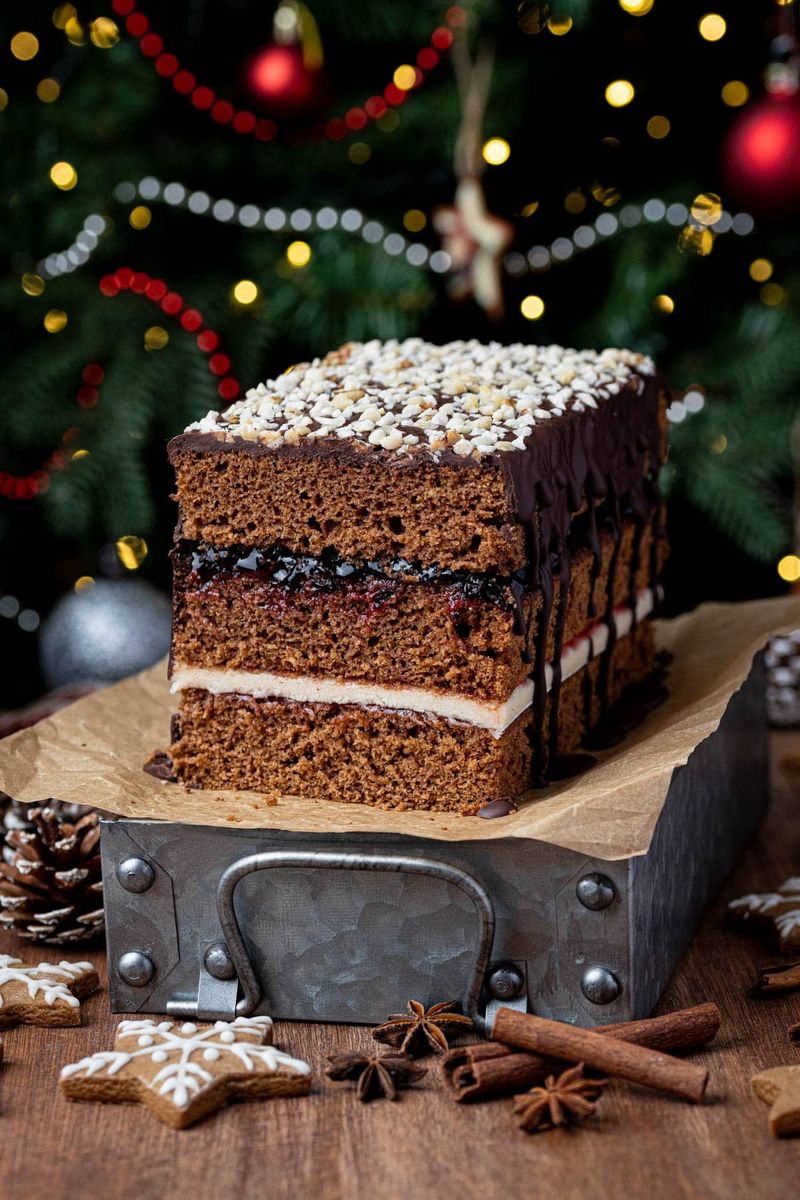
Poland's version of gingerbread is less biscuit, more cake, and absolutely packed with warming spices like cinnamon, cloves, ginger, and cardamom. Piernik is dense, dark, and incredibly moist, often made weeks in advance so the flavours can deepen and mellow. Some versions include honey, others use treacle, and many are glazed with chocolate or a simple icing.
The city of Toruń is particularly famous for its pierniki, which have been baked there since medieval times. A slice with a cup of tea is the perfect way to warm up on a cold December afternoon.
10. Panettone (Italy)
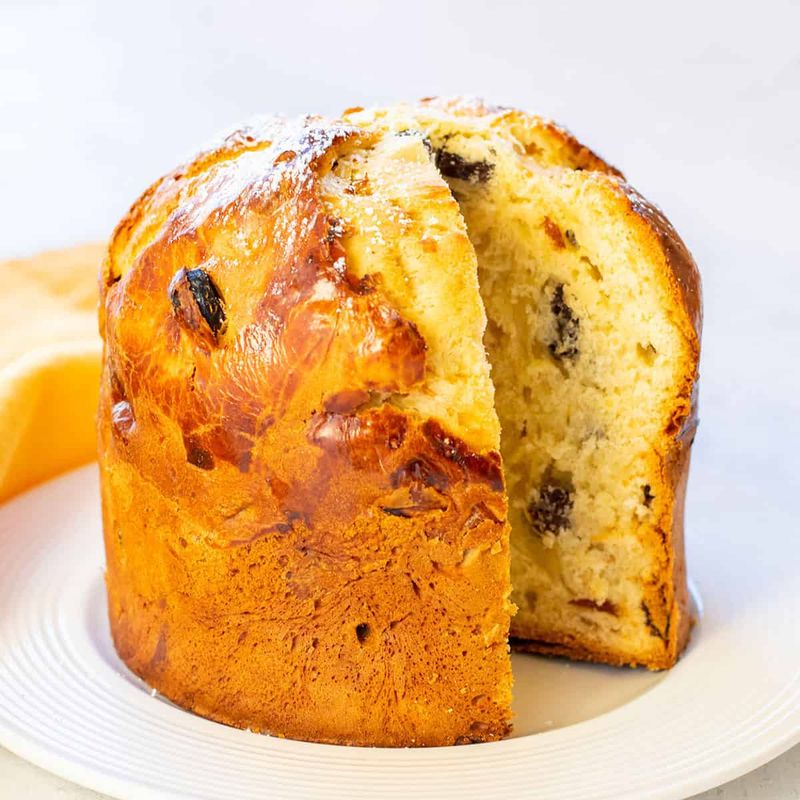
Italy's iconic Christmas bread towers above most other festive treats, both literally and figuratively. Panettone is a tall, domed loaf studded with candied orange peel, citron, and raisins, with a texture so light and fluffy it almost seems to float. Making proper panettone takes days because the dough needs multiple rises to develop that signature airy crumb.
You'll find them in every Italian household come Christmas, often gifted in beautiful boxes. Slice it into wedges and enjoy it with a cup of coffee or a glass of sweet wine. Some people even toast it for breakfast, which is rather genius.