







Few breakfasts spark as much loyalty across the United Kingdom as the traditional fry-up. While the core elements may look familiar, each nation brings its own ingredients and preferences to the plate.
From England’s classic combinations to regional additions found in Scotland, Wales, and Northern Ireland, small differences carry strong cultural meaning. Comparing these variations highlights how local produce and history shape everyday food traditions.
The fry-up remains more than a morning meal – it reflects identity, habit, and a shared British enthusiasm for a hearty start to the day.
All information is provided for general interest only. Ingredients, portion sizes, and preparation styles may vary by region and establishment. Individual preferences differ. Photos are for illustrative purposes only.
What Defines A Full English Breakfast And Why It Became A National Staple
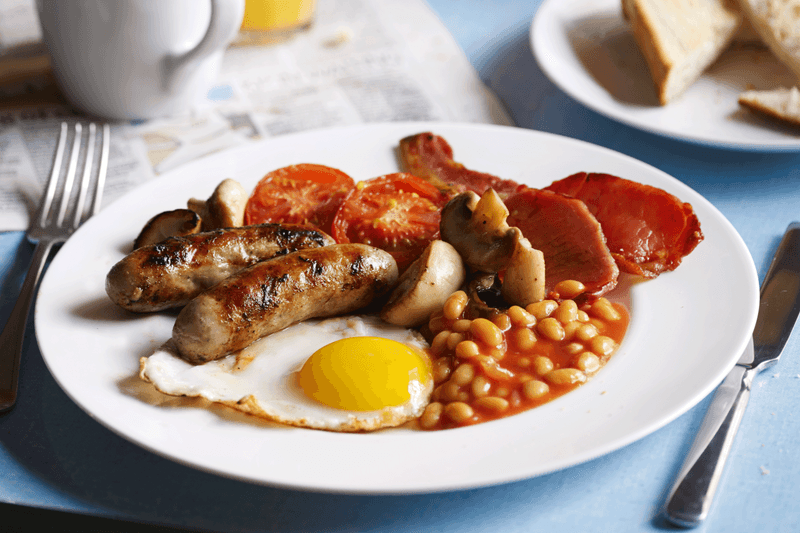
Bacon, eggs, sausages, baked beans, grilled tomatoes, mushrooms, and toast all come together on one glorious plate. This combination became the gold standard for British breakfasts sometime in the Victorian era when hearty morning meals symbolised prosperity and hospitality.
Working-class families adopted it as fuel for long days, whilst hotels made it a tourist attraction. The ingredients are surprisingly affordable and easy to find, which helped cement its place in everyday life.
Today, it remains comfort food at its finest, equally at home in greasy spoon cafes and posh hotel dining rooms across England.
The Scottish Fry-Up And How Haggis And Tattie Scones Shape Its Identity
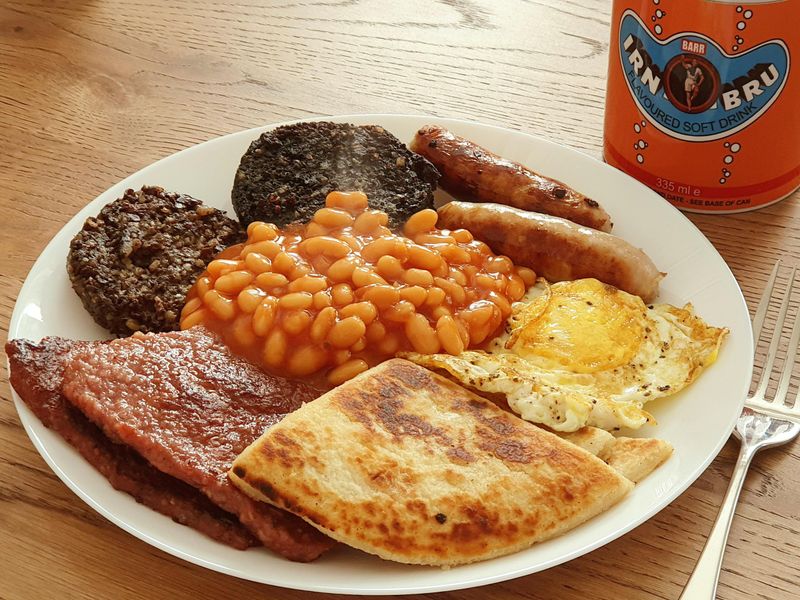
North of the border, breakfast gets a distinctly Scottish makeover with haggis stealing the spotlight. This spiced mixture of sheep's offal, oats, and seasonings might sound unusual, but it brings a rich, peppery warmth that transforms the entire plate.
Tattie scones add another layer of Scottish pride. These potato flatbreads turn wonderfully crispy when fried, offering a starchy contrast to the meaty elements.
Black pudding often makes an appearance too, creating a breakfast that's unapologetically bold and deeply rooted in Scottish culinary heritage that spans generations.
Inside The Ulster Fry – The Role Of Soda Bread And Potato Bread Traditions
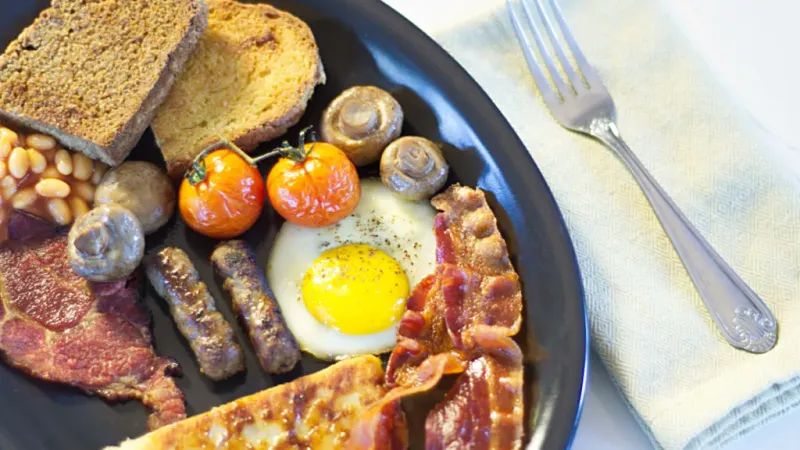
Soda farls are the star of Northern Ireland's breakfast table. Made from buttermilk and baking soda, these griddle-cooked breads develop a satisfying chew and subtle tang that soaks up every bit of egg yolk brilliantly.
Potato bread brings another starchy dimension, similar to tattie scones but with its own texture and flavour profile. White pudding joins black pudding here, creating a double dose of oatmeal-based sausage goodness.
The Ulster fry represents centuries of making the most of simple ingredients, turning humble components into something genuinely special and utterly filling.
The Welsh Breakfast And The Coastal Influence Of Laverbread And Cockles
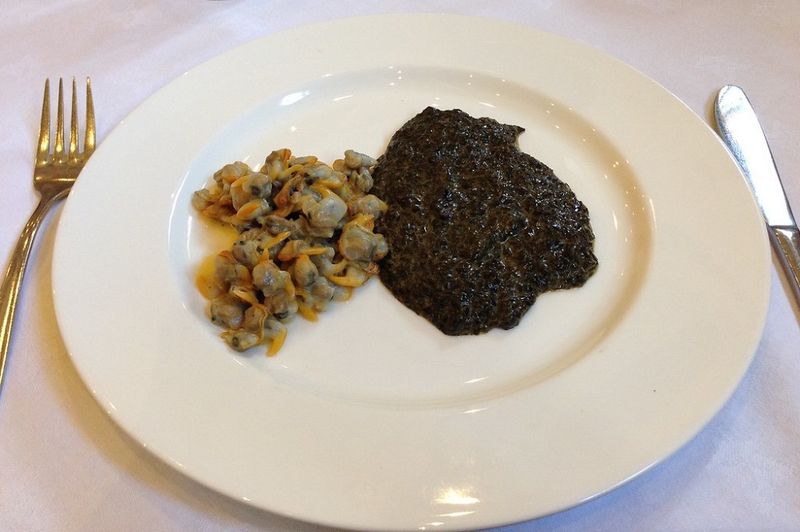
Wales brings the sea to the breakfast table with laverbread, which isn't actually bread at all. This pureed seaweed paste gets mixed with oatmeal and fried into savoury patties that taste slightly salty and wonderfully earthy.
Cockles add another coastal touch. These tiny shellfish pack a briny punch that pairs surprisingly well with traditional fry-up elements like bacon and eggs.
Welsh sausages round out the plate, often seasoned with leeks or other regional herbs. This breakfast showcases how geography shapes what we eat, bringing ocean flavours inland with pride.
How Local Ingredients And History Shaped Each Regional Fry-Up
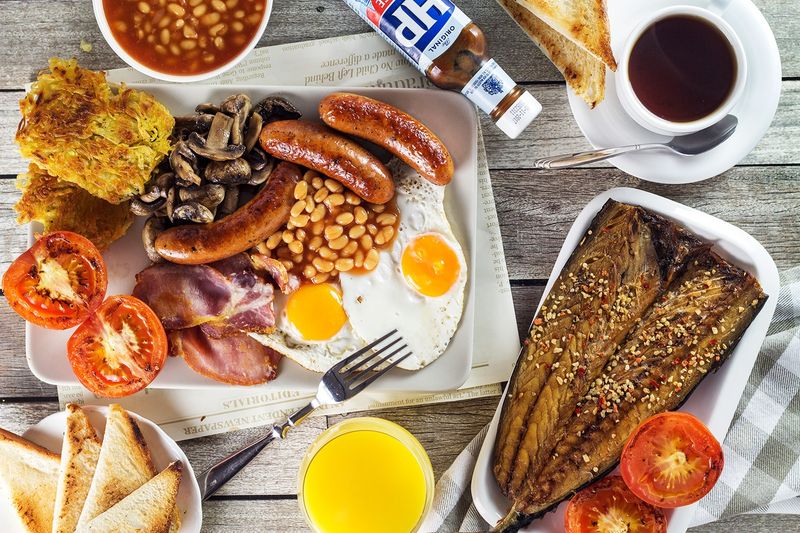
Geography determined what ended up on breakfast plates centuries ago. Coastal Wales naturally incorporated seaweed and shellfish, whilst Scotland's farming traditions made haggis and oats kitchen staples.
Northern Ireland's buttermilk production led to soda bread becoming essential, and England's agricultural abundance created the diverse full English we know today. These weren't random choices but practical decisions based on what grew, grazed, or washed ashore nearby.
Trade routes, farming practices, and even religious traditions influenced which meats and breads became breakfast standards, creating regional identities that still matter enormously today.
The Cultural Meaning Of Fry-Ups Across The United Kingdom
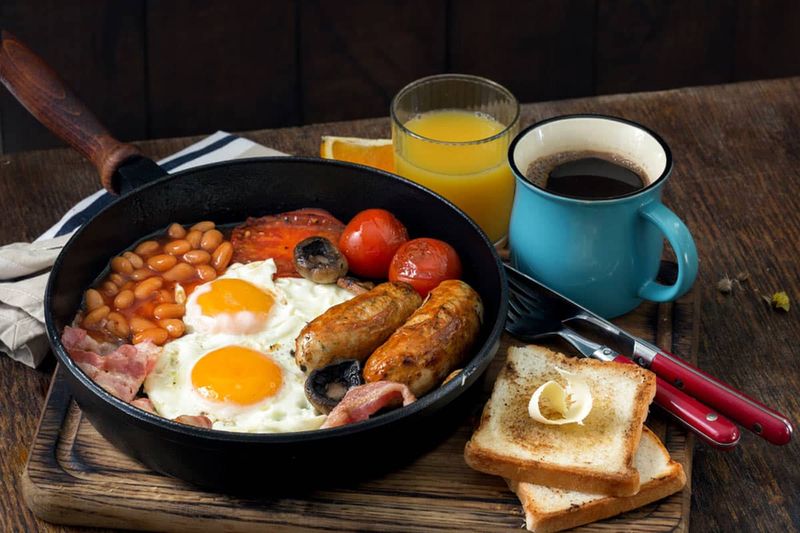
A proper fry-up means far more than just breakfast. It represents home, comfort, and regional pride rolled into one satisfying meal that connects generations.
Families pass down preferences for how eggs should be cooked or whether beans belong on the plate at all. These breakfasts mark special occasions, cure hangovers, and provide gathering points for communities in cafes nationwide.
Each regional variation tells a story about identity and belonging. Choosing haggis over laverbread isn't just about taste; it's about claiming your place within Britain's rich, complicated, and deliciously diverse cultural tapestry.
Which Ingredients Overlap – And What Makes Each Breakfast Distinct
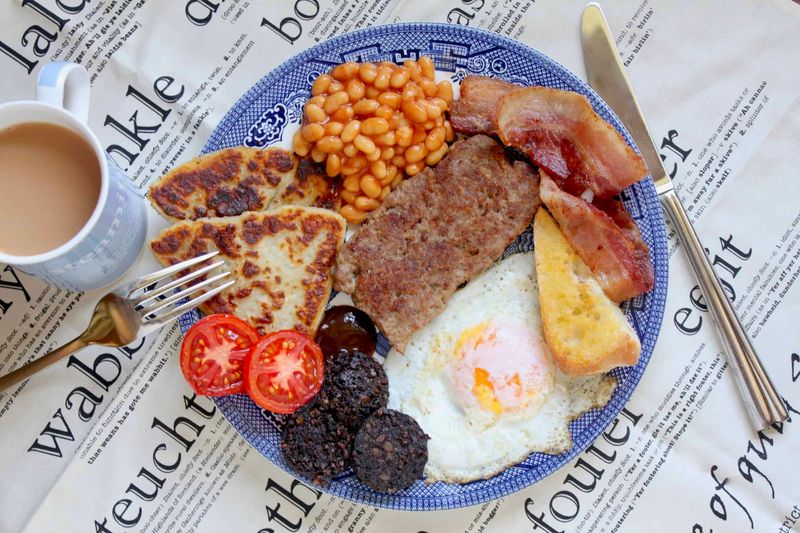
Bacon, eggs, sausages, and some form of tomato appear on virtually every British breakfast plate regardless of location. These common threads unite the four countries whilst allowing room for regional personality to shine through.
The differences matter more than the similarities, though. Haggis, laverbread, and soda farls aren't interchangeable; they're cultural markers that distinguish Scottish, Welsh, and Northern Irish breakfasts from their English counterpart.
Even cooking methods vary, with some regions preferring griddles whilst others stick to frying pans, creating subtle texture differences that locals notice immediately and visitors gradually appreciate.
Why Fry-Ups Still Matter In Modern British Food Culture
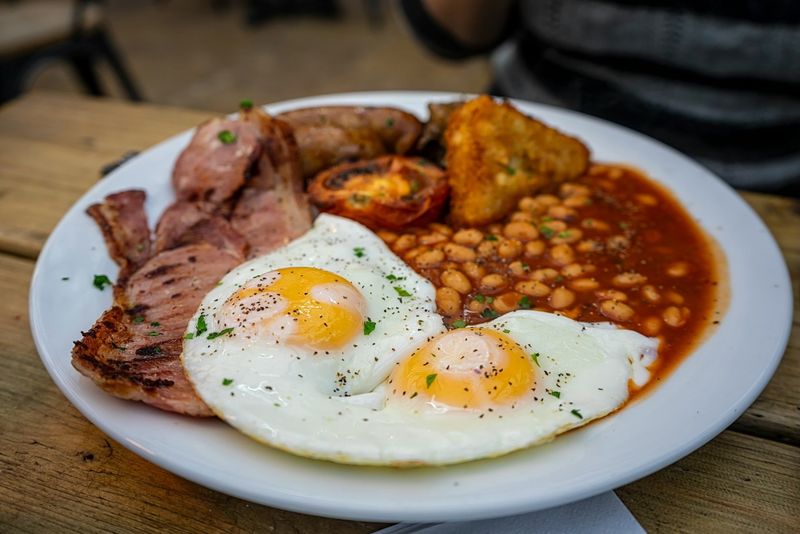
Despite health trends and busy schedules, the British fry-up refuses to disappear. Cafes serving proper breakfasts remain community anchors, and weekend fry-ups continue as cherished family rituals across all four countries.
Younger generations are rediscovering these traditions, with some chefs elevating regional breakfasts using high-quality local ingredients whilst respecting traditional preparations. Social media has made regional breakfast debates more visible and passionate than ever.
This enduring popularity proves that some food traditions transcend trends, offering comfort, connection, and cultural continuity that fancy smoothies simply cannot match, no matter how Instagram-worthy they might be.