










Ever heard of a sugar sandwich or a ketchup sarnie? Once upon a time, these quick, make-do bites were the heroes of Britain’s kitchen cupboards. Born from thrift and creativity, these forgotten poor man’s sandwiches prove that even the simplest ingredients can tell a delicious story of survival and nostalgia.
This article is for general informational and entertainment purposes only. Recipes, names, and regional variations may differ based on personal or family traditions. Photos are for illustrative purposes only; end results may vary.
1. Chip Butty
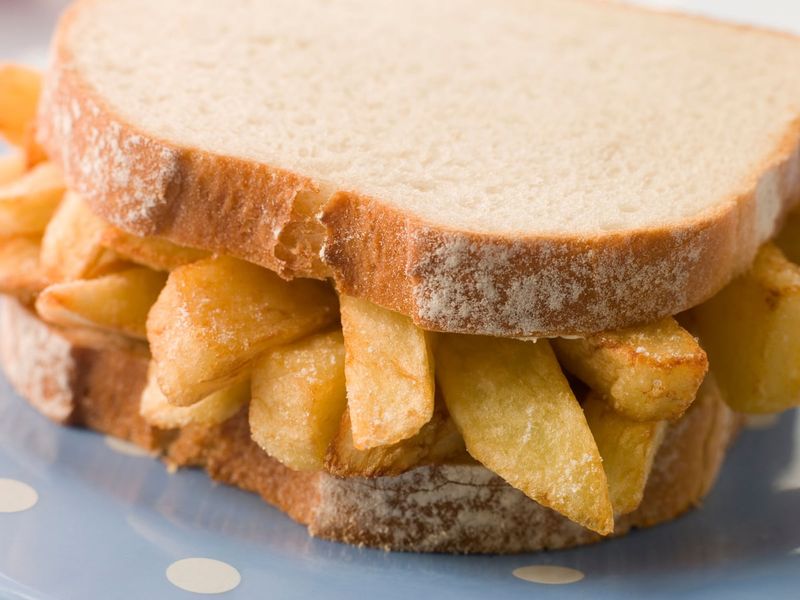
Few things sum up British comfort like a chip butty - thick-cut chips stuffed between buttered white bread. It was the original cheap lunch for miners, dockers, and school kids alike.
Doused in salt and vinegar (or brown sauce up North), it was hot, filling, and cost next to nothing. The perfect “poor man’s” meal that proved you didn’t need fancy ingredients to feel full and happy.
2. Sugar Sandwich

When cupboards were bare, the humble sugar sandwich came to the rescue. A sprinkle of white sugar over buttered bread turned into a sweet treat for countless children growing up in post-war Britain.
Simple yet comforting, it was proof that even during lean times, a bit of sweetness could lift spirits - and make a slice of bread feel like dessert.
3. Marrow Toast Sandwich
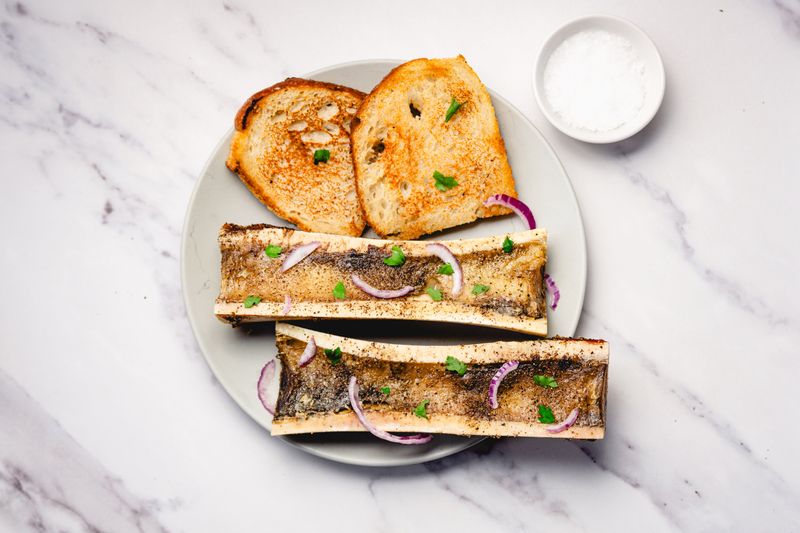
Nothing warmed a chilly British afternoon like bone marrow spread on toast, sandwiched between another slice. Victorians cherished this fatty delicacy when meat was scarce.
The marrow, scooped from beef bones and seasoned with salt, created a buttery richness that stuck to your ribs. Cheap from butchers who'd otherwise discard the bones, it became working-class sustenance.
4. Bloaters Sandwich
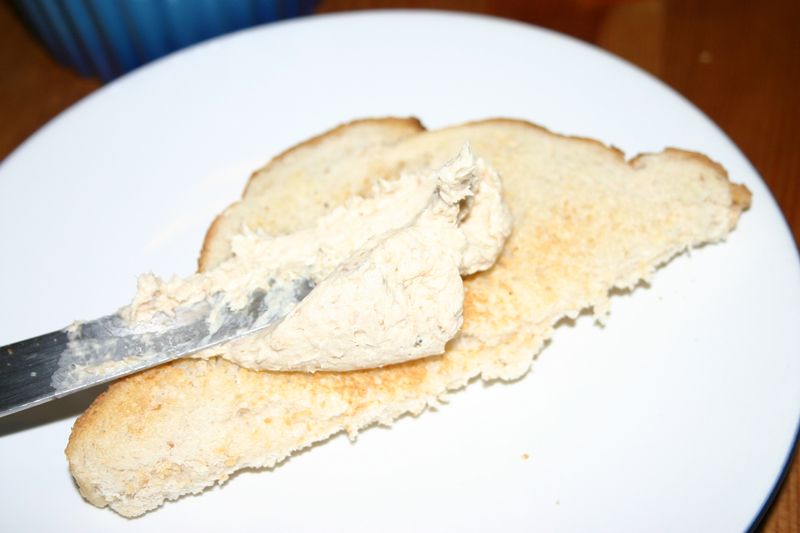
Cold smoked herrings (bloaters) mashed with vinegar between bread slices was a protein-packed penny-pincher's dream. These heavily smoked fish needed no refrigeration – perfect for workers' lunch pails.
The pungent aroma might curl modern noses, but the oily fish provided crucial nutrition during lean times. Coastal communities especially relied on this filling, affordable staple when fresh meat was beyond reach.
5. Bread And Dripping
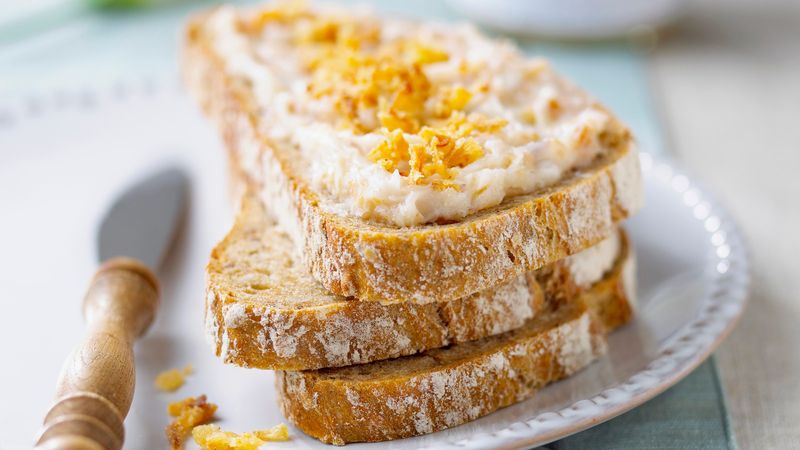
Sunday roast leftovers transformed into Monday's lunch with this working-class hero. The solidified fat (dripping) collected from meat roasting pans was spread on bread like butter.
The bottom layer of dripping, with its meaty sediment called "mucky fat," was particularly prized. Children would queue for a "mucky fat sandwich" after school, often sprinkled with salt or topped with a scraping of mustard.
6. Liver And Bacon Sandwich
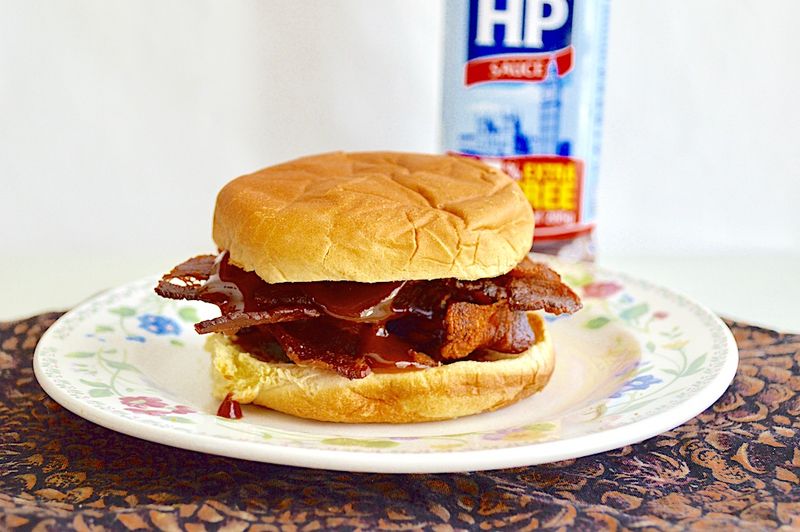
Offal once ruled working-class kitchens, with liver being dirt cheap yet packed with iron. Fried with a rasher of bacon and stuffed between bread, it delivered hearty nutrition for pennies.
The rich, mineral taste of liver paired beautifully with smoky bacon and a smear of brown sauce. Factory workers relied on this protein-rich meal to fuel long shifts, carrying the distinctive sandwiches wrapped in newspaper.
7. Ham And Pease Pudding Sandwich

A Northeast England staple that stretched expensive ham to feed entire families. Yellow pease pudding – split peas boiled with onions and herbs until mushy – was thickly spread on bread with thin scraps of ham.
The creamy, slightly sweet pea mixture complemented salty ham perfectly. Miners carried these filling sandwiches down into the pits, their bright yellow filling a cheerful sight amid the coal dust.
8. Spam Sandwich
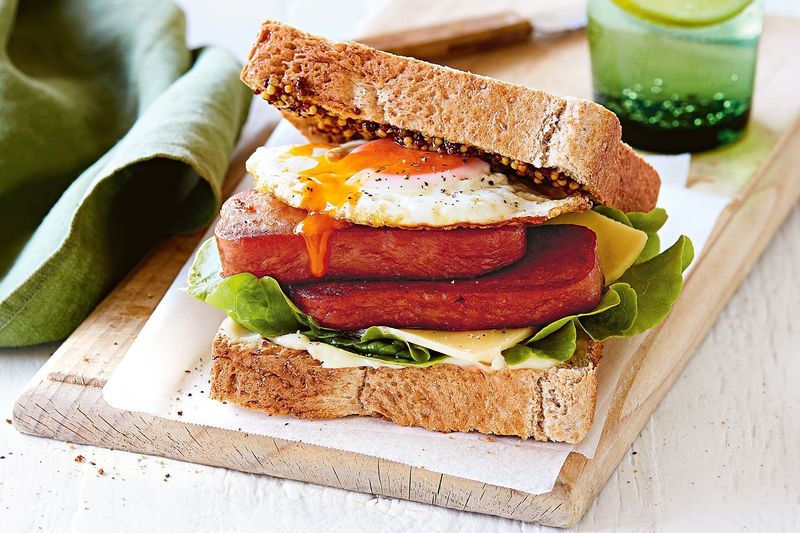
When WWII rationing bit hard, Spam became Britain's unlikely hero. This processed meat product – stretched with potato starch and salt – made its way between bread slices in countless lunch boxes.
Fried until crispy or cold from the tin, Spam provided scarce protein during desperate times. Some added mustard for kick or beetroot for sweetness, but most families ate it plain – grateful for any meat at all.
9. Collops Sandwich
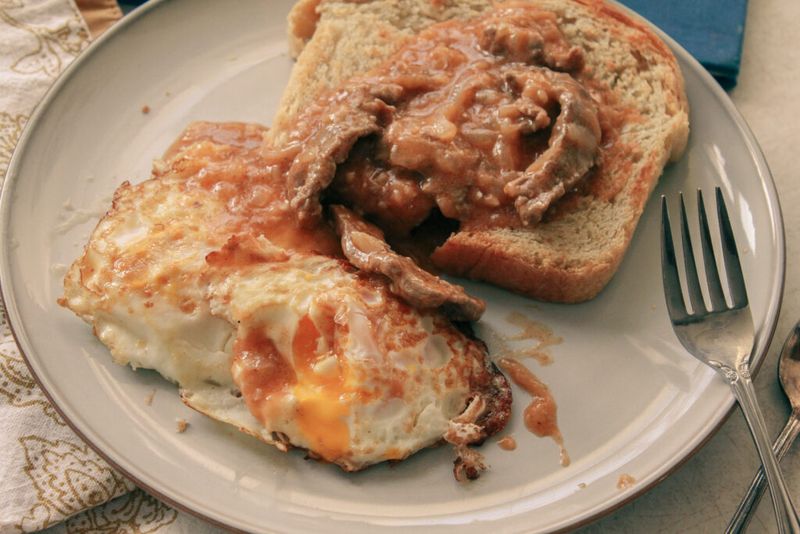
Thinly sliced leftover meat – called "collops" – fried with onions made Monday's sandwich from Sunday's roast. Nothing went to waste in frugal households where meat appeared once weekly at most.
The meat pieces, often pork or beef, were pounded thin to stretch further. A splash of Worcestershire sauce added flavor to these humble scraps. The sizzling meat and onion mixture created a hot sandwich that warmed hands on winter workdays.