







Some foods once graced dining tables daily, only to slip quietly out of kitchens and into history. These forgotten flavours tell stories of changing tastes, trends, and times. From curious concoctions to everyday staples, here are the vanished foodstuffs you’ll hardly find today.
This article is for general informational purposes and light historical interest. Availability may vary, and photos are for illustrative purposes.
1. Brown Windsor Soup
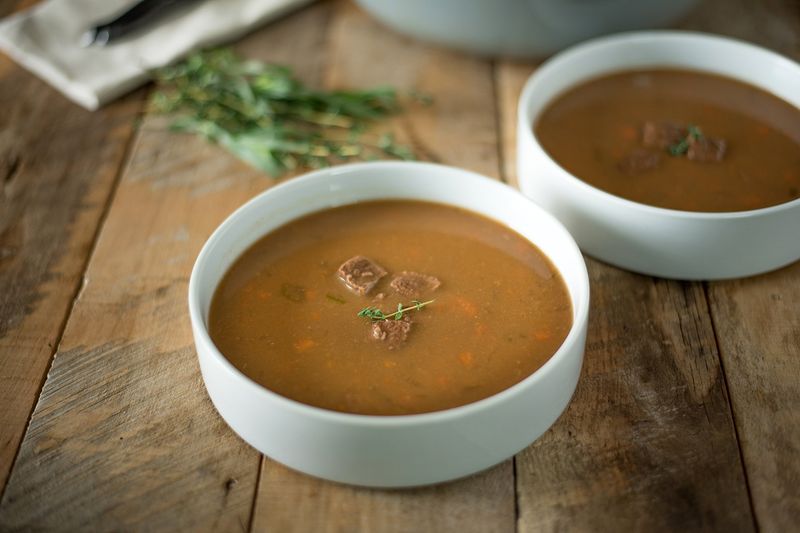
Once the pride of Victorian dining tables and a staple on British restaurant menus, this rich brown broth contained beef, lamb, or both, flavored with carrots, onions and herbs.
Its hearty character made it perfect for cold English evenings, but it gradually disappeared after World War II as tastes shifted toward lighter fare.
2. Carrageen Pudding
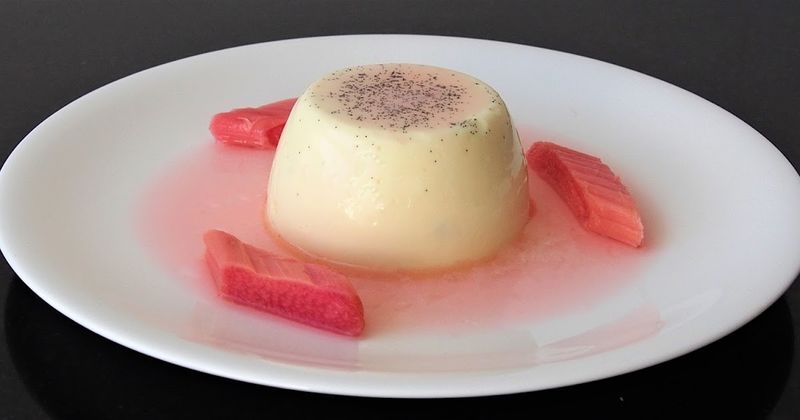
Made from Irish moss seaweed (Chondrus crispus), this delicate pudding was popular along British and Irish coastal communities during the 19th century. When boiled, carrageen releases a natural gelatin that sets into a silky dessert.
Often flavored with milk, vanilla, and sometimes whiskey, it was considered both a delicacy and a remedy for respiratory ailments. Modern commercial thickeners eventually rendered this labor-intensive treat obsolete.
3. Jellied Eels
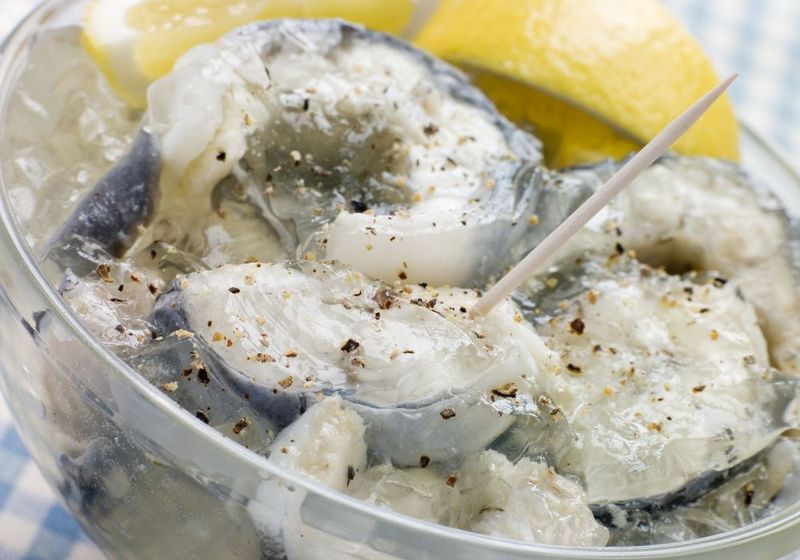
A classic East London delicacy dating back to the 18th century when eels were abundant in the Thames. Chopped eels were boiled with spices until the natural collagen created a savory jelly around the meat.
Served cold with vinegar and pepper, this working-class staple provided cheap protein. Though still found in a few traditional pie shops, genuine jellied eels have largely disappeared as eel populations have declined dramatically.
4. Eel Pie
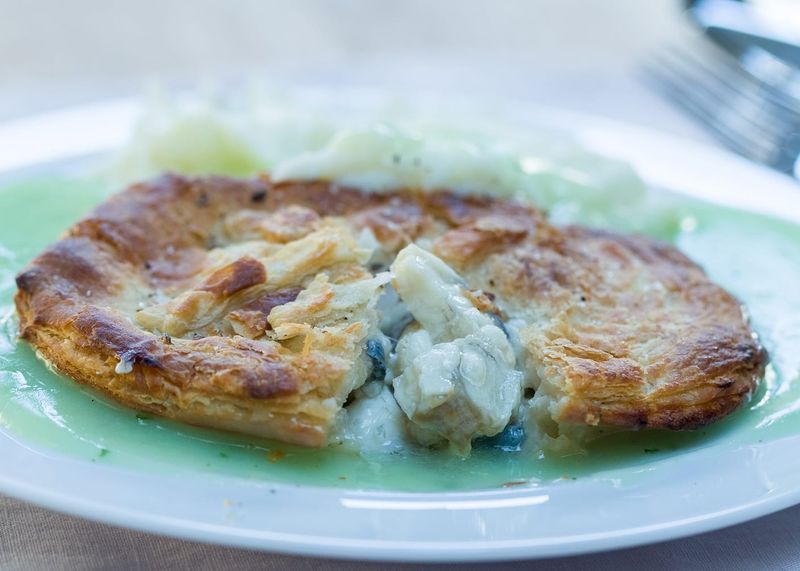
Dating back to medieval times, eel pie was once commonplace throughout Britain, particularly near rivers and coastal areas. Fresh eels were cleaned, chopped and seasoned with herbs before being baked in a pastry case with a rich sauce.
The dish became synonymous with London's Thames-side taverns. Eel and pie houses thrived until the mid-20th century when pollution and overfishing decimated eel populations, making this once-common dish a historical curiosity.
5. Openarse
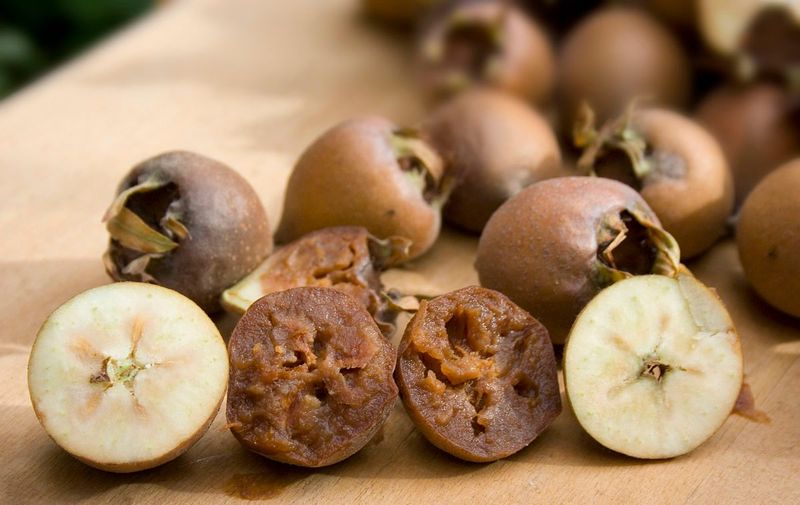
Despite its eyebrow-raising name, Openarse was a medieval term used for a variety of pear. These pears were often baked into pies or made into preserves in Tudor England. The name came from their distinctive shape, which split slightly at the base when ripe.
Over time, both the name and the fruit itself faded from common use, leaving only a quirky footnote in food history.
6. Pease Bread
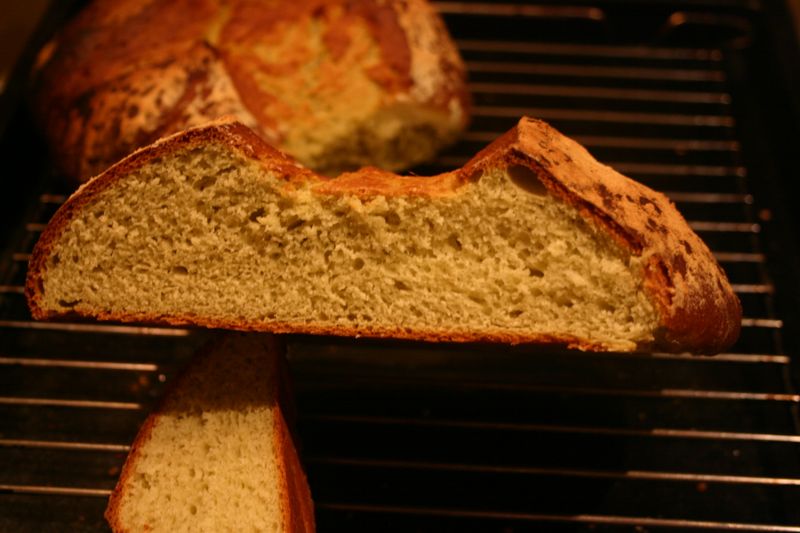
A medieval staple made from dried peas ground into flour and baked into a dense loaf. This hearty bread sustained peasants and laborers through long winters when wheat was scarce.
Often flavored with herbs and sometimes bacon fat, pease bread provided crucial protein in pre-modern diets. The practice faded as wheat became more widely available and affordable, though pease pudding - its softer cousin - survived longer in northern England.
7. Flummery
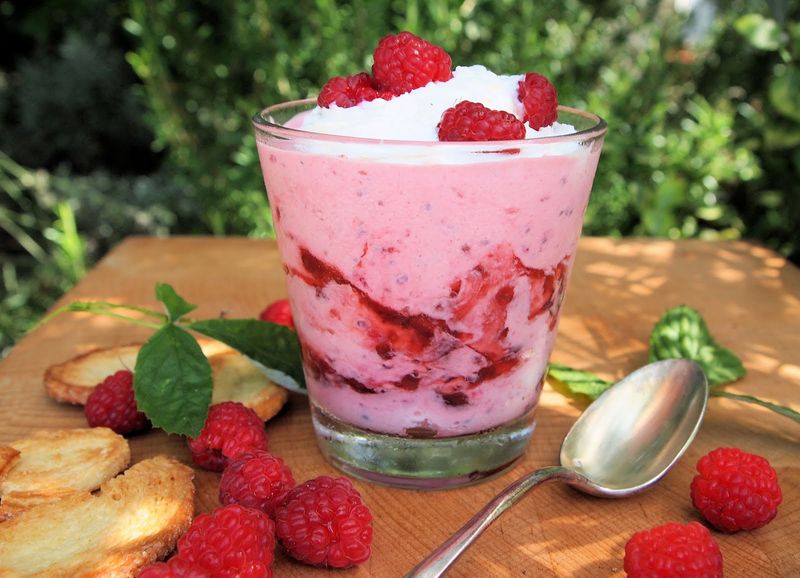
Originally a Welsh dish made from fermented oatmeal, Flummery evolved in the 17th century into an elegant dessert resembling a light jelly or mousse. The Tudor version had a sour taste from the fermentation process.
Later iterations used almonds, cream and fruit flavors to create a fashionable sweet for Georgian and Victorian dinner parties. The word 'flummery' eventually came to mean something insubstantial or nonsensical—perhaps reflecting how this once-popular dish faded into obscurity.
8. Banbury Cakes
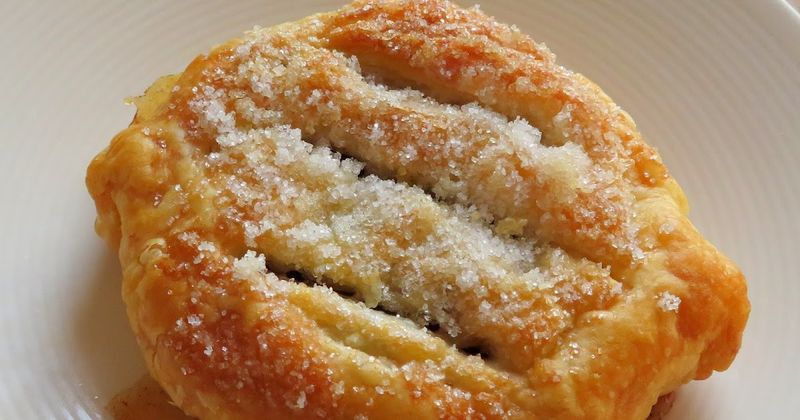
Dating back to at least the 16th century, these oval pastries from Oxfordshire were filled with a spiced mixture of currants, candied peel, and rum. Their distinctive shape and rich filling made them famous throughout England.
Mentioned in Shakespeare's works and enjoyed by travelers for centuries, genuine Banbury cakes were once sold to railway passengers. Though a few bakeries still make versions today, the authentic recipe and traditional preparation have largely vanished.
9. Maids of Honour Tarts
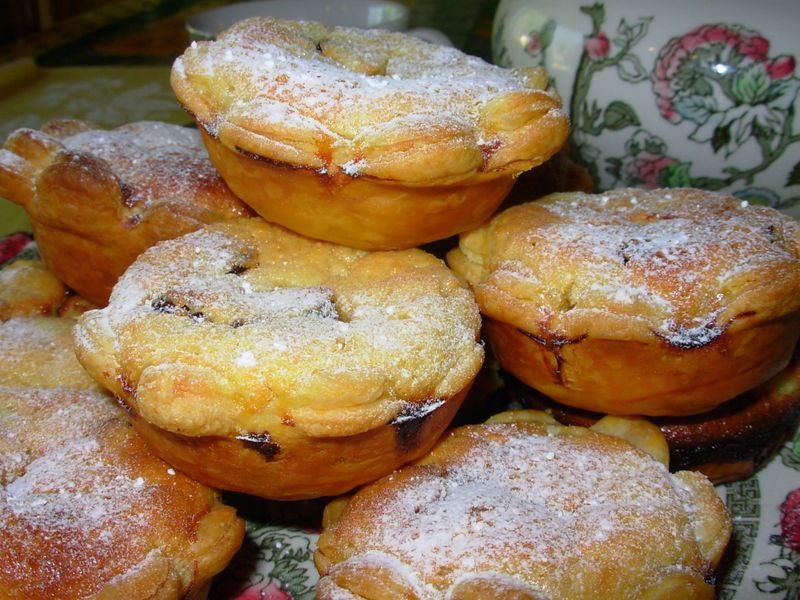
These delicate cheese curd tarts allegedly originated in Henry VIII's court when the king stumbled upon Anne Boleyn's maids of honour enjoying these treats. The original Tudor recipe used curd cheese in a puff pastry case.
Sometimes flavored with lemon or almonds, they remained popular for centuries, particularly in Richmond where a bakery claimed the 'original' recipe. True cheese curd versions are rare now, with modern adaptations using cream cheese instead.
10. Seed Cake
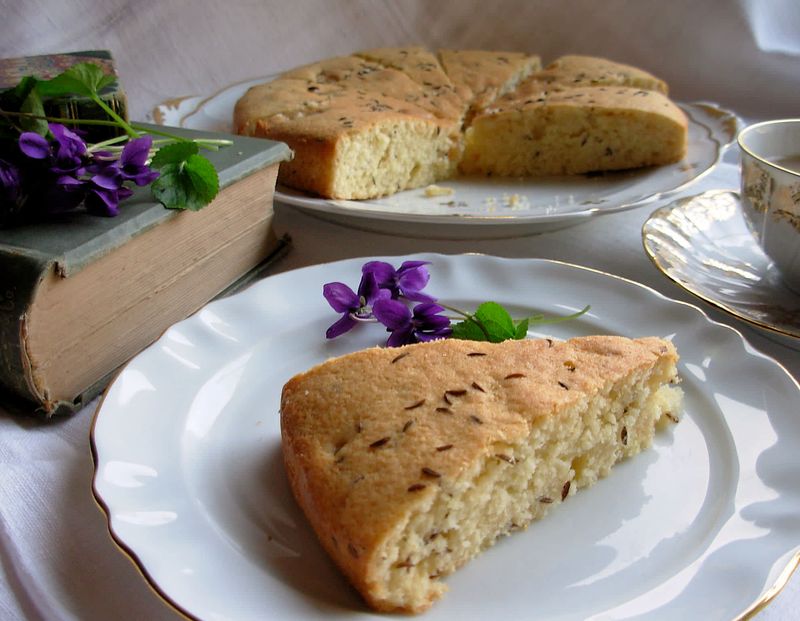
A staple of Victorian tea times, seed cake was a simple butter cake flavored with caraway seeds, giving it a distinctive aniseed-like flavor. Jane Austen and Charles Dickens both mentioned this once-ubiquitous treat in their novels.
Traditionally served in thin slices with afternoon tea, it gradually fell from favor as tastes changed. The aromatic caraway seeds, once a common kitchen staple, became increasingly unfamiliar to modern palates, rendering this literary cake virtually extinct.
11. Parliament Cake
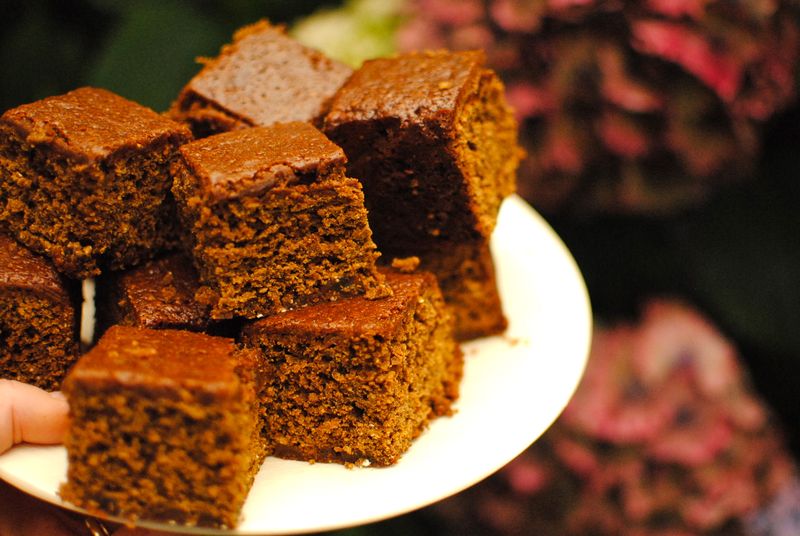
A spiced gingerbread from Scotland that dates back to the 17th century. This flat, dense cake earned its name because members of the old Scottish Parliament supposedly enjoyed it during lengthy sessions.
Made with treacle, ginger, cinnamon and often topped with candied peel, it was typically baked in large sheets and cut into squares. Despite being a once-common household staple in Edinburgh and beyond, Parliament Cake vanished almost completely by the early 20th century.
12. Trenchers
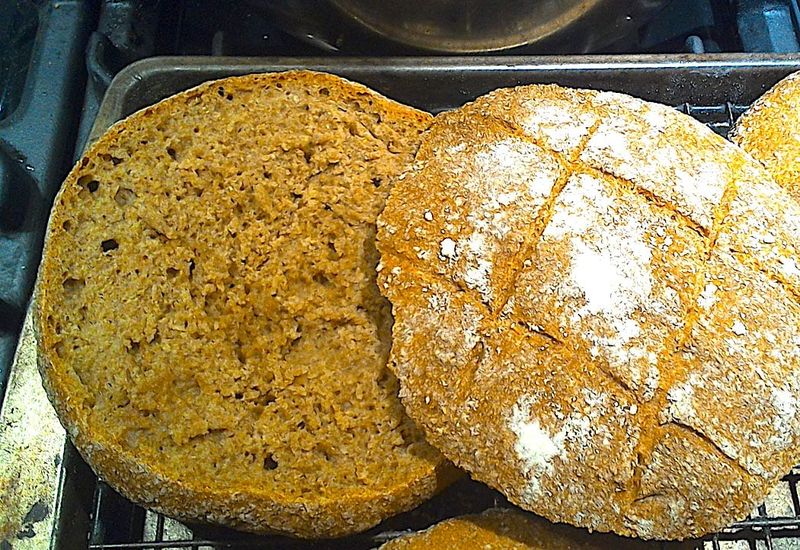
Not exactly a food but a vessel for it, trenchers were thick slices of stale bread used as plates in medieval feasts. After the meal, these edible plates, soaked with meat juices and sauces, were either eaten by the diners or given to the poor.
This practical solution predated widespread use of wooden or metal plates. The practice died out by the 16th century as table settings evolved, though the word "trencher" survives in our vocabulary as a reminder of this forgotten dining custom.