









Our grandparents knew how to make every ingredient count. Long before ready meals and kitchen gadgets took over, they relied on simple, clever techniques to stretch ingredients, lock in flavour, and keep food fresh for longer.
These old-school methods weren’t just practical – they brought a bit of heart and patience to cooking that modern kitchens could learn a thing or two from.
This article is for general informational and entertainment purposes only. Some traditional cooking methods may differ from current food safety standards. Always follow modern hygiene and storage guidelines when recreating older techniques.
1. Using Stale Bread
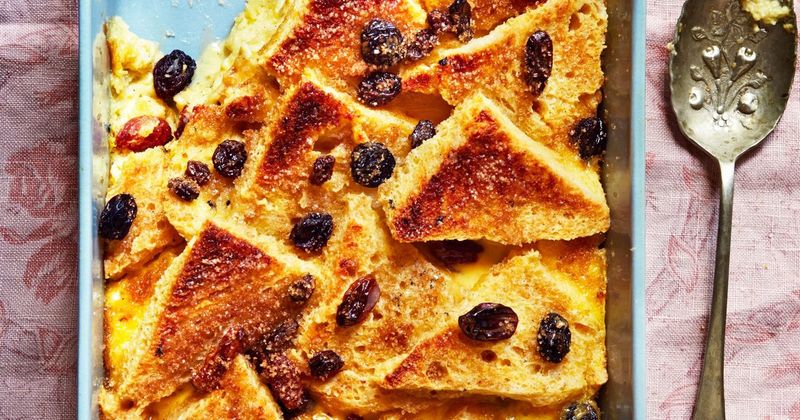
Before sliced white came wrapped in plastic, bread went hard fast. Rather than chuck it in the bin, your grandparents turned crusty loaves into breadcrumbs, stuffing, bread pudding, or even thickened soups. Every scrap had a purpose.
Bread and butter pudding became a teatime favourite precisely because it rescued yesterday's leftovers. French toast, summer pudding, and panzanella salads all owe their existence to this frugal mindset. Nothing was ever truly past it.
2. Preserving In Fat (Potting)
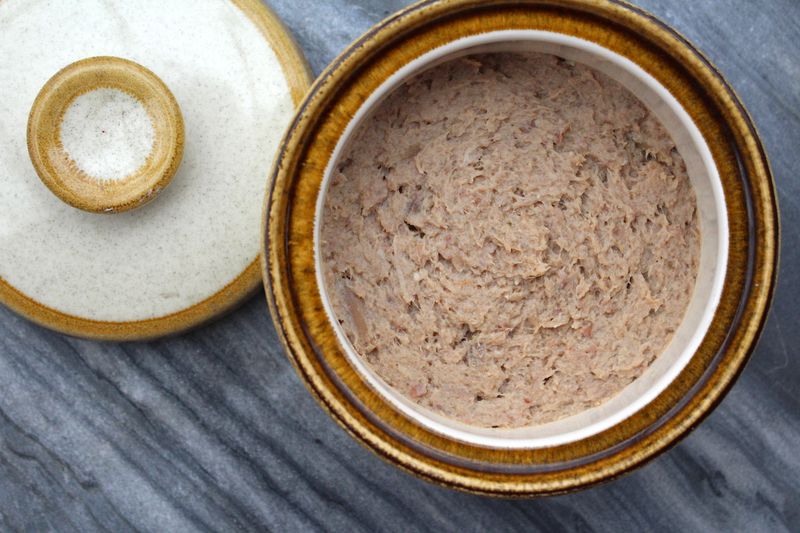
Sealing cooked meat or fish under a thick layer of fat kept it edible for weeks without refrigeration. Potted shrimp, duck confit, and rillettes were all born from this clever preservation trick. The fat acted as a barrier, keeping air and bacteria out.
Your gran might have potted beef or salmon after Sunday lunch, storing it in the larder for sandwiches later in the week. It's making a comeback in posh delis now, but back then it was just common sense and good housekeeping.
3. Cooking In A Clay Pot
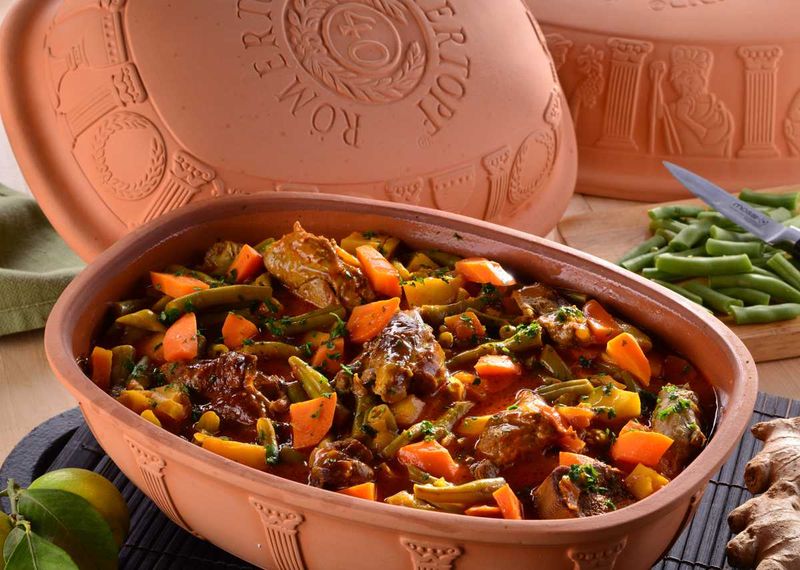
Long before non-stick pans and slow cookers, clay pots were the go-to for tender, flavourful stews. The porous material absorbs moisture, then releases it slowly during cooking, keeping everything beautifully moist. Romans used them, and so did your great-grandmother.
Chicken bricks were everywhere in the 1970s, but the technique goes back centuries. The gentle, even heat means meat practically falls off the bone, and vegetables stay sweet. It's fuss-free cooking at its finest.
4. Blooming Spices
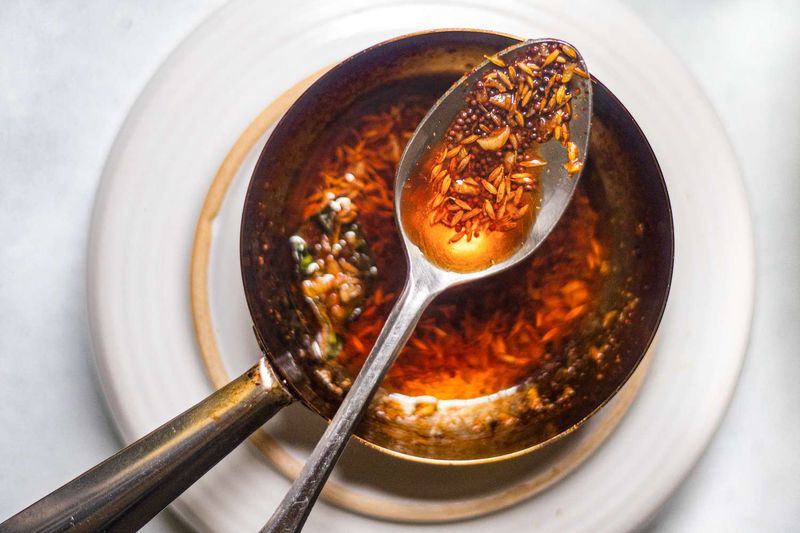
Tossing whole spices into a dry pan before grinding or adding them to a dish unlocks oils and aromas that pre-ground powders just can't match. Your gran knew this instinctively, especially if she cooked curries or spiced cakes. The kitchen would smell incredible.
Cumin, coriander, mustard seeds, and peppercorns all benefit from a quick toast. It takes seconds but transforms the flavour completely. Modern cooks are rediscovering this simple step, and it's about time.
5. Homemade Stock
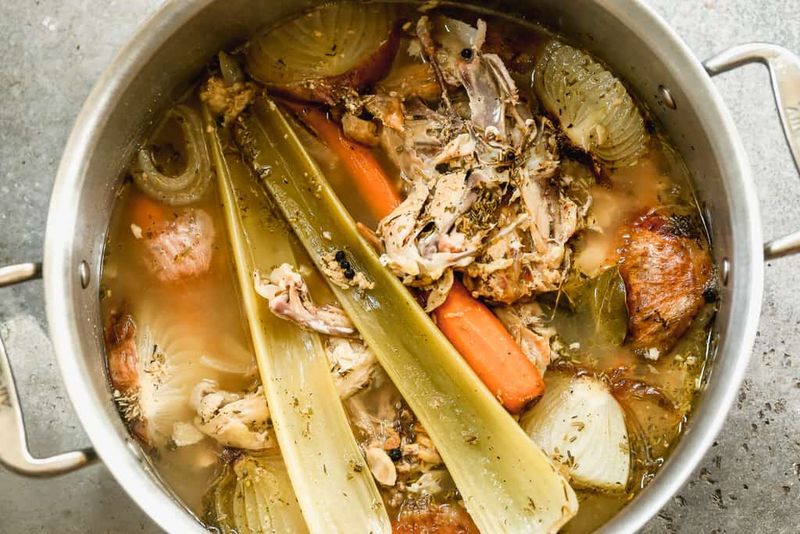
Chucking a roast chicken carcass into a pot with veg scraps and water was standard practice for generations. The resulting stock formed the backbone of soups, gravies, and risottos. Stock cubes are convenient, but they'll never touch the real thing for depth and richness.
Your grandparents kept a pot going on the back of the range, adding bones and peelings as they went. It cost nothing, wasted nothing, and made everything taste better. Proper thrifty brilliance.
6. Cooking Over An Open Hearth
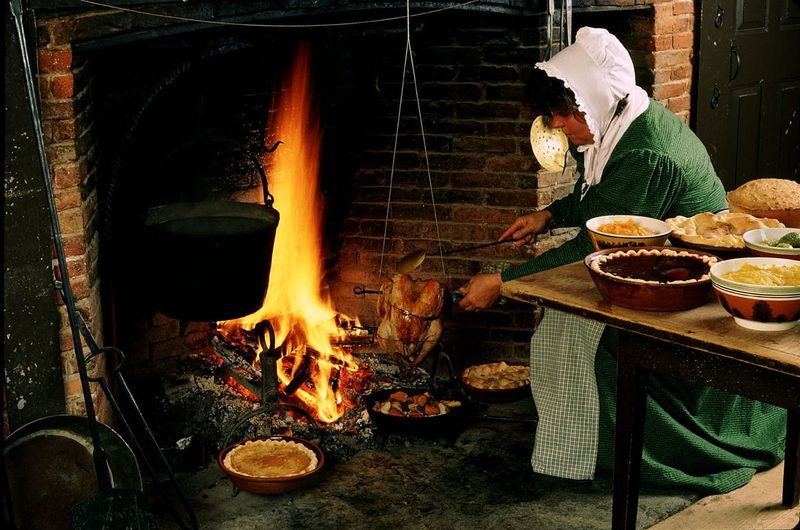
Before gas and electric cookers became standard, families cooked everything over an open fire. Pots hung from iron hooks, bread baked in side ovens, and meat roasted on spits. The heat was unpredictable, so cooks developed serious skill and intuition.
Meals took longer and required constant attention, but the smoky, charred flavours were unmatched. Some country pubs and heritage sites still cook this way, and it's a proper window into how our ancestors ate daily.
7. Salt Curing
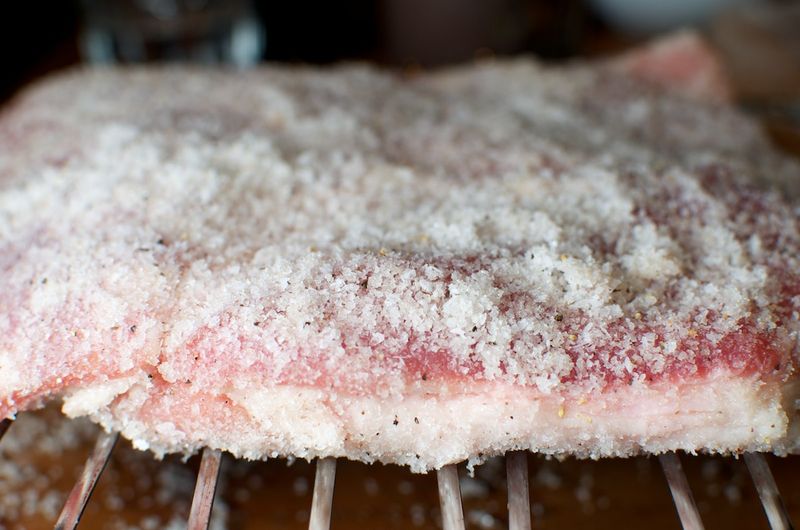
Rubbing meat or fish with salt draws out moisture, making it inhospitable to bacteria and extending its life dramatically. Bacon, ham, salt beef, and kippers all rely on this ancient method. Your grandparents would cure a whole side of pork to last through winter.
It's not just about preservation, though. The salt intensifies flavour and changes texture in ways you can't replicate otherwise. Home curing is having a moment again among food enthusiasts, and rightly so.
8. Canning And Preserving
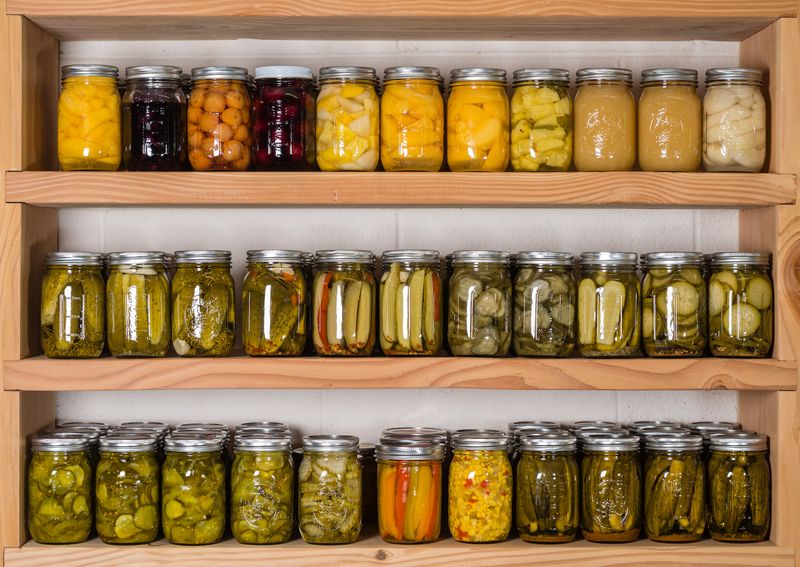
Boiling filled jars to create a vacuum seal meant summer's bounty could be enjoyed all year round. Jams, chutneys, pickles, and bottled fruits lined pantry shelves in every household. Your gran probably had her own recipes passed down through generations.
The process takes time and attention, but there's something deeply satisfying about rows of gleaming jars waiting to be opened. It's kitchen alchemy that turns surplus into treasure, and it's well worth reviving today.
9. Making Your Own Condiments
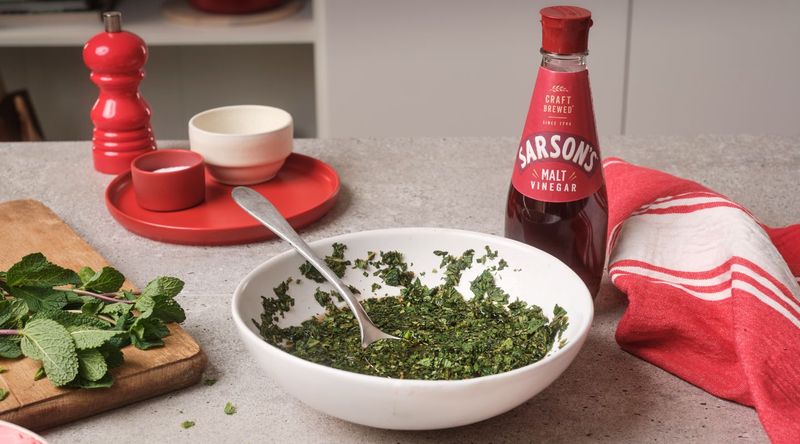
Mustard, ketchup, piccalilli, and brown sauce were all made from scratch in kitchens across Britain. Shop-bought versions didn't dominate until the mid-20th century, so most families had their own closely guarded recipes. The flavours were bolder, fresher, and tailored to personal taste.
Making condiments at home meant controlling ingredients and avoiding preservatives. Plus, homemade piccalilli beats anything from a supermarket shelf. It's a bit of effort, but the results speak for themselves.
10. Using Leftovers
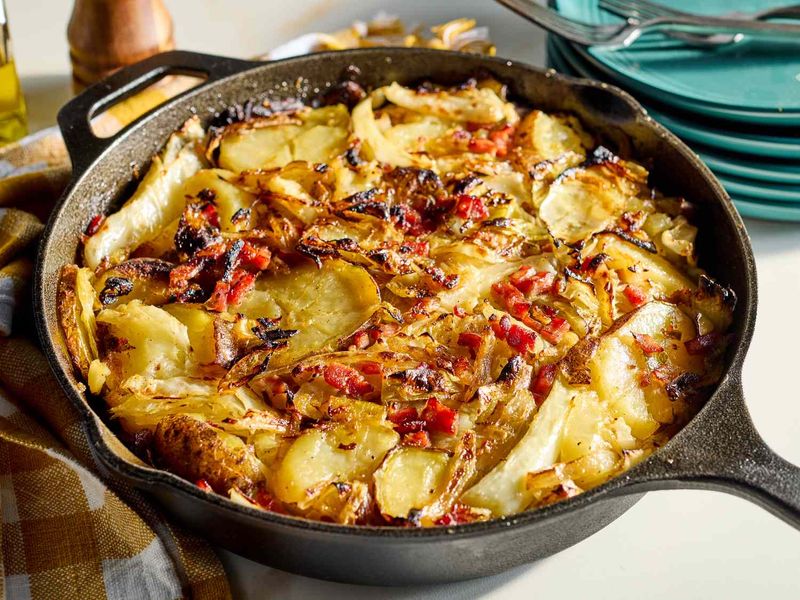
Nothing went to waste when your grandparents were in charge. Sunday's roast became Monday's shepherd's pie, bubble and squeak, or cold meat sandwiches. Leftover veg went into soups, stale cake into trifle, and yesterday's spuds into potato cakes.
This wasn't just thrift, it was creativity and resourcefulness in action. Meals stretched further, budgets balanced, and food waste was practically non-existent. We could all learn a thing or two from that mindset.
11. Velveting Meat
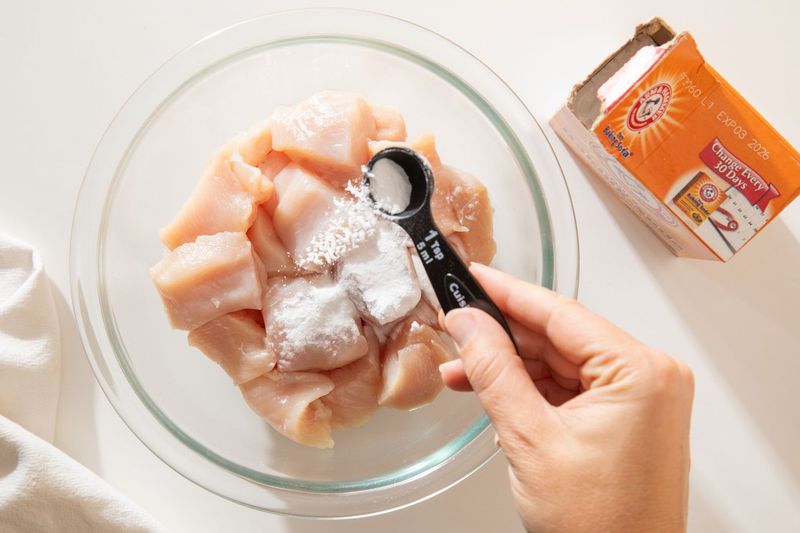
Marinating thin slices of meat in cornflour, egg white, and a splash of soy or sherry before cooking creates an incredibly tender texture. Chinese restaurants and takeaways perfected this, but home cooks in multicultural Britain picked it up decades ago.
The coating protects the meat during high-heat cooking, locking in moisture and preventing toughness. It's why stir-fried chicken in your local takeaway tastes so silky. Simple chemistry, brilliant results, and worth trying at home.
12. Skimming Stock
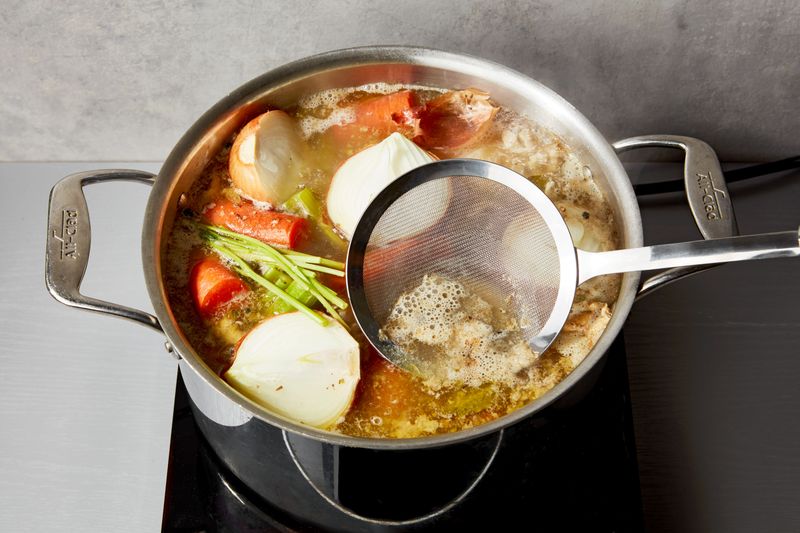
As stock simmers, impurities and fat rise to the surface as foam and scum. Your grandparents would patiently skim this off with a ladle or spoon, resulting in a clearer, cleaner-tasting liquid. It's a small step that makes a noticeable difference.
Modern cooks often skip this, but professionals never do. Clear stock looks more appealing and tastes purer. It's one of those quiet techniques that separates good cooking from great, and it costs nothing but a bit of attention.
13. Soaking Beans And Pulses
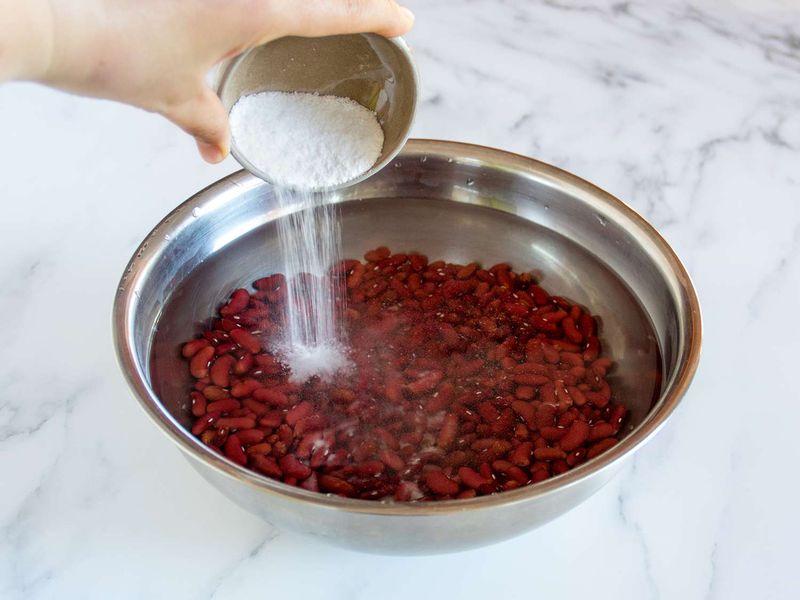
Dried beans, lentils, and peas were pantry staples, but they needed soaking overnight before cooking. This softens them, reduces cooking time, and makes them easier to digest. Your gran would set them in water before bed, ready to cook the next day.
Tinned beans are convenient, but dried ones taste better and cost a fraction of the price. Soaking also removes some of the compounds that cause, ahem, digestive discomfort. Old-school wisdom backed by science.
14. Dry Mustard Rubs
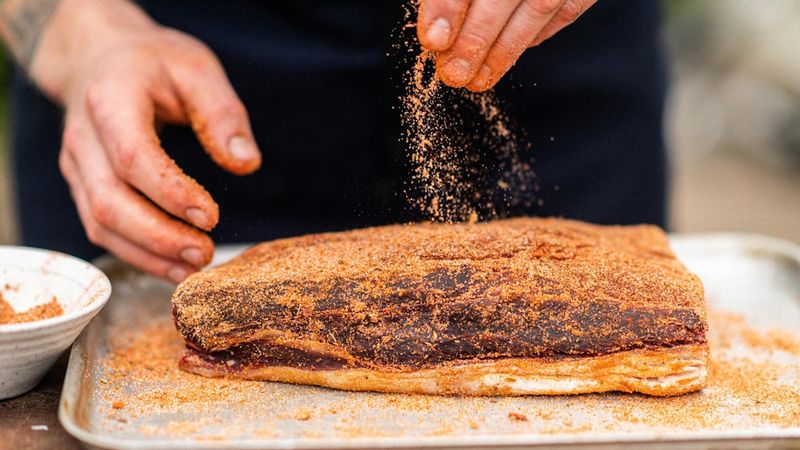
Coating meat with dry mustard powder, salt, and spices before roasting or grilling adds a punchy crust and tenderises the surface. English mustard powder was a kitchen essential, used far beyond the condiment jar. Your grandparents knew it brought out the best in beef, pork, and lamb.
The mustard's slight acidity helps break down proteins while adding a warm, peppery kick. It's a simple trick that's fallen out of fashion but deserves a comeback on Sunday roasts everywhere.
15. Rendering Fat
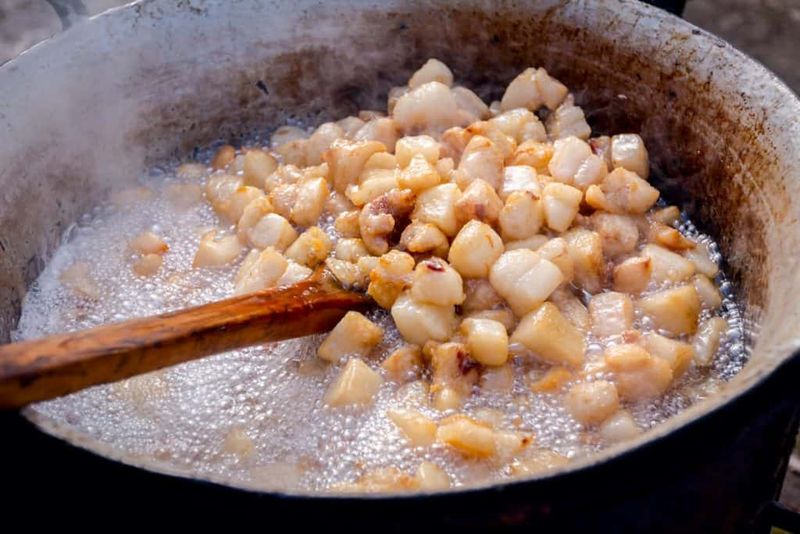
Melting down beef fat into dripping or pork fat into lard gave your grandparents cooking fats that were flavourful, versatile, and free. Roast potatoes cooked in beef dripping are still legendary, and lard makes the flakiest pastry imaginable.
Animal fats were used for frying, baking, and even spreading on toast. They fell out of favour during the low-fat craze, but they're back in kitchens now. Waste not, want not, and taste the difference.