



Across the globe, some foods spark curiosity because they’re banned or restricted. Reasons range from safety concerns to environmental protection. These unusual cases show how culture, law, and taste collide at the dinner table.
This article is for general informational purposes only. Laws, bans, and food regulations vary by country and may change over time.
1. Casu Marzu (Italy/EU)
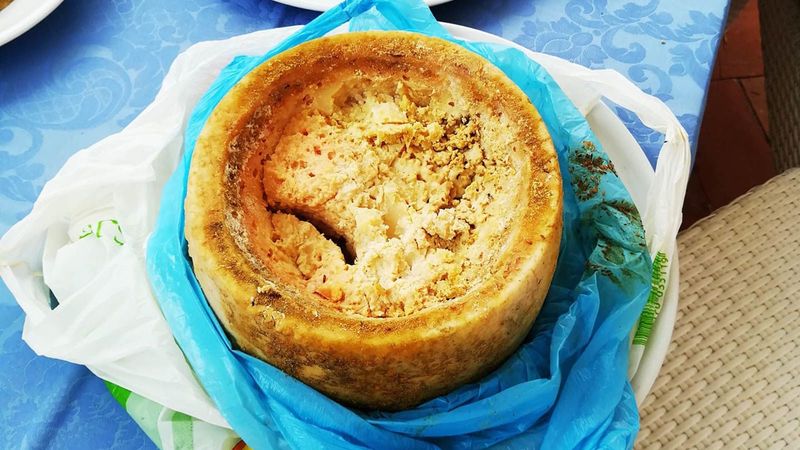
Maggots wriggle throughout this Sardinian cheese, breaking down proteins and creating a soft, pungent delicacy. The sale of Casu Marzu is prohibited under EU food-safety regulations, though it remains part of Sardinian cultural heritage and is still produced informally.
Some enthusiasts even prefer eating it while the larvae are alive.
2. Traditional Haggis With Sheep Lung (United States)
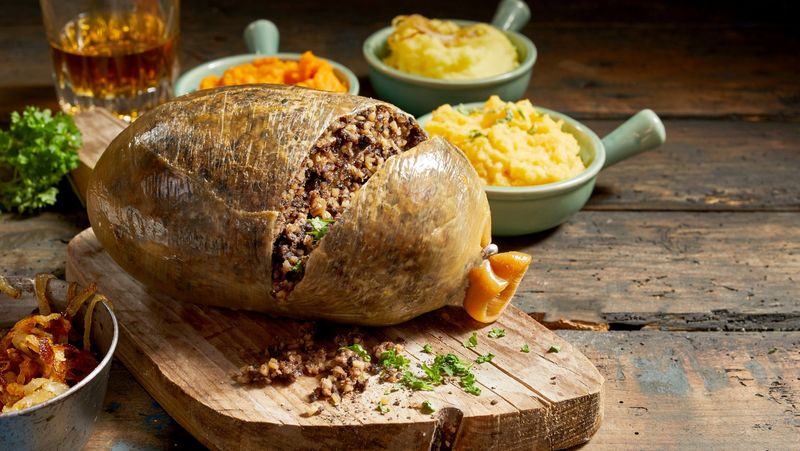
Americans traveling to Scotland might be surprised to learn they've never tasted authentic haggis. Since 1971, the USDA has prohibited sheep lungs in food products, effectively banning traditional Scottish haggis.
The centuries-old recipe combines minced sheep's heart, liver, and lungs with oatmeal and spices, all stuffed inside a sheep's stomach. Special lung-free versions exist for American tourists.
3. Ackee Fruit (United States)
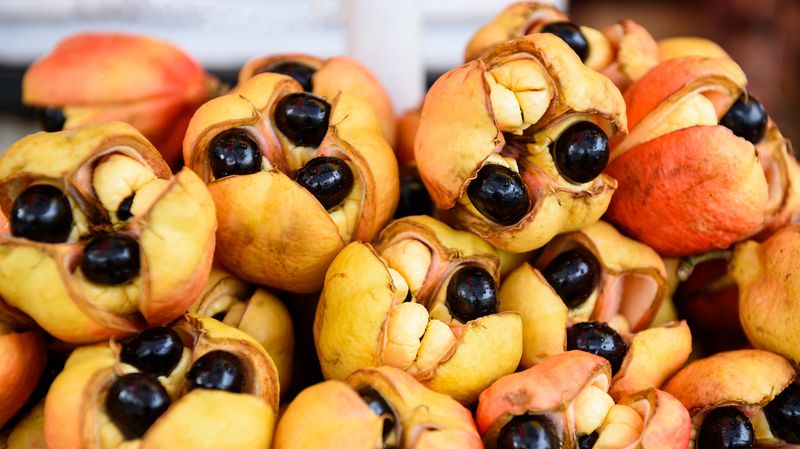
Jamaica's national fruit looks innocent with its bright red pod and creamy yellow flesh. But eat it before it's fully ripe, and you're asking for trouble.
Unripe ackee contains hypoglycin A, a toxin causing what locals call "Jamaican vomiting sickness." The FDA strictly limits imports, allowing only properly processed canned versions from approved facilities.
4. Fugu Liver (Japan)
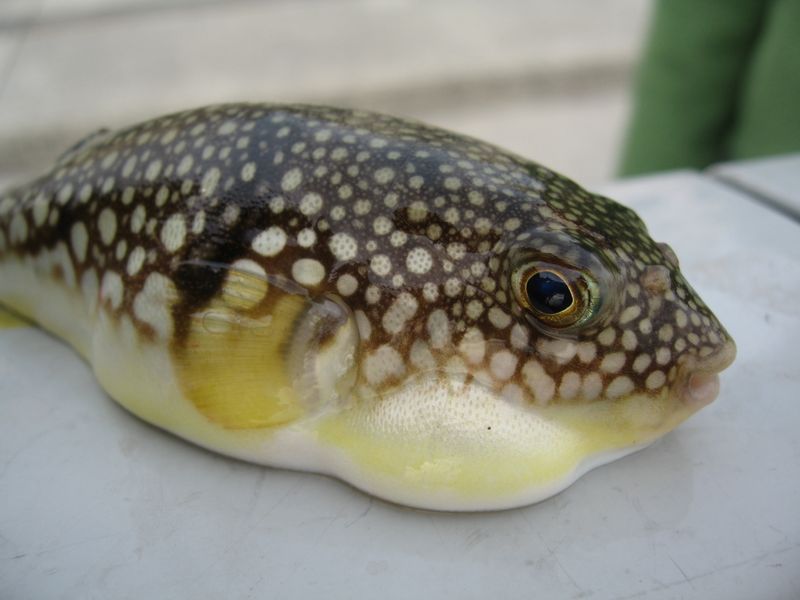
Master chefs in Japan train for years to safely prepare fugu pufferfish. One wrong cut can make the dish extremely dangerous for customers.
While various parts of fugu can be served under strict regulation, the liver contains such concentrated tetrodotoxin that Japan banned it entirely in 1984. The poison paralyzes victims while they remain fully conscious, with no known antidote.
5. Shark Fins (United States)
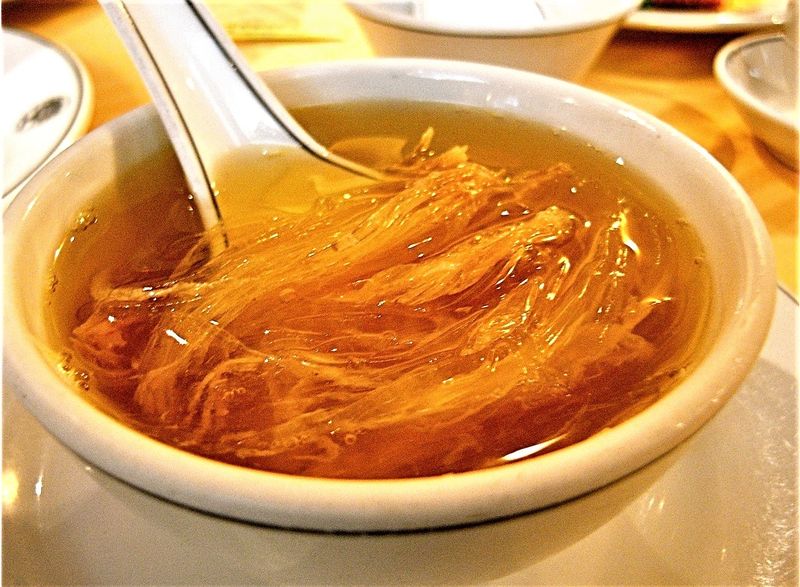
Shark fin soup represents wealth and prestige in Chinese banquets, but obtaining the key ingredient involves controversial practices. Fishermen often remove fins from live sharks before releasing them back into the ocean.
The U.S. Shark Fin Sales Elimination Act of 2022 made possession and sale illegal nationwide. Conservation groups estimate around 73 million sharks are affected each year for their fins.
6. Sea Turtle Eggs And Meat (International)
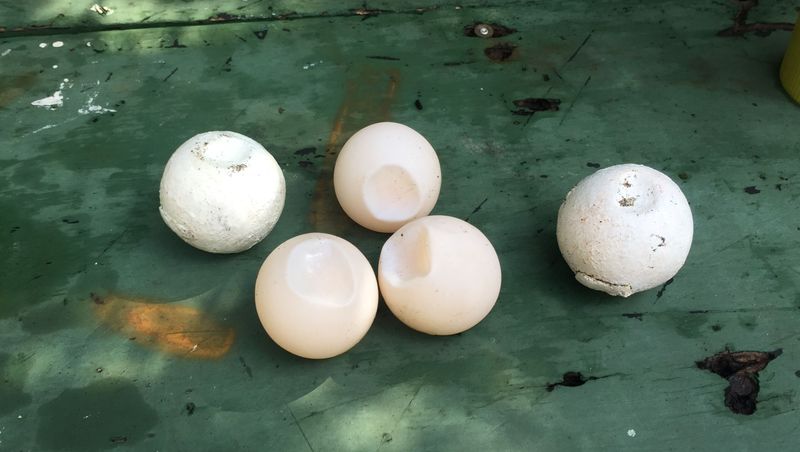
Glowing green in the moonlight, sea turtle eggs were once harvested by the thousands along tropical beaches. Ancient cultures prized them as aphrodisiacs and delicacies.
Today, all seven sea turtle species face extinction threats. International law prohibits commercial trade in turtle products through CITES agreements. Rangers patrol nesting beaches in Costa Rica and Malaysia to protect eggs from poachers.
7. Kinder Surprise Eggs (United States)
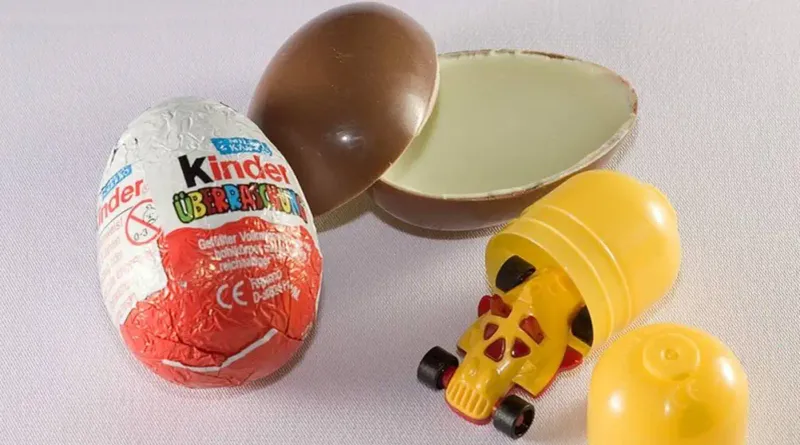
Children worldwide delight in cracking open chocolate eggs to find tiny toys inside. But American kids miss out on this simple pleasure.
The 1938 Federal Food, Drug, and Cosmetic Act prohibits embedding non-food items in confectionery. Border agents have seized thousands of these eggs over the years. Ferrero later created Kinder Joy with separated compartments to satisfy American regulations.
8. Raw Milk In Interstate Trade (United States)
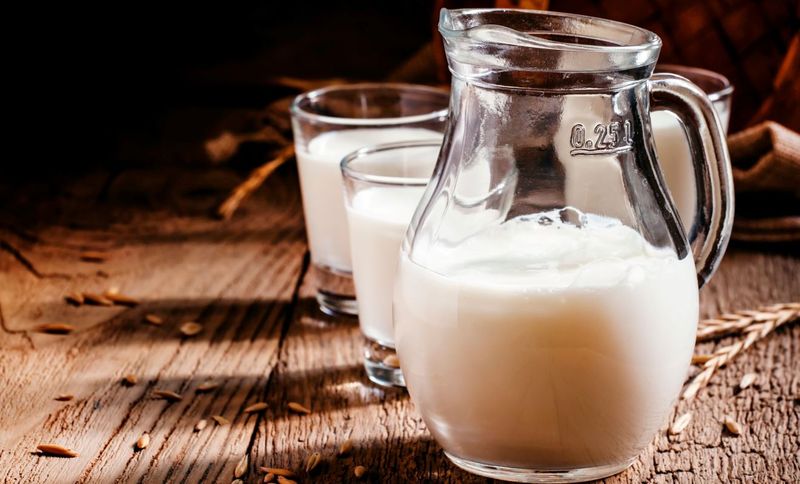
Creamy and rich, unpasteurized milk straight from the cow contains beneficial enzymes destroyed by heat treatment. Raw milk enthusiasts claim superior taste and health benefits compared to pasteurized versions.
The FDA banned interstate sales in 1987, citing potential pathogen risks like E. coli and Listeria. Today, regulations vary widely by state, with some allowing farm-direct sales while others maintain complete prohibitions.