









Ever wondered what your favourite foods actually look like before they hit supermarket shelves? Some of the most common ingredients start off in ways you’d never expect. From odd-looking pods to colourful flowers, these everyday staples might just surprise you in their natural form.
This article is for general information and enjoyment only. Availability, appearance, and preparation of foods may vary by region and source.
1. Cashew Nuts
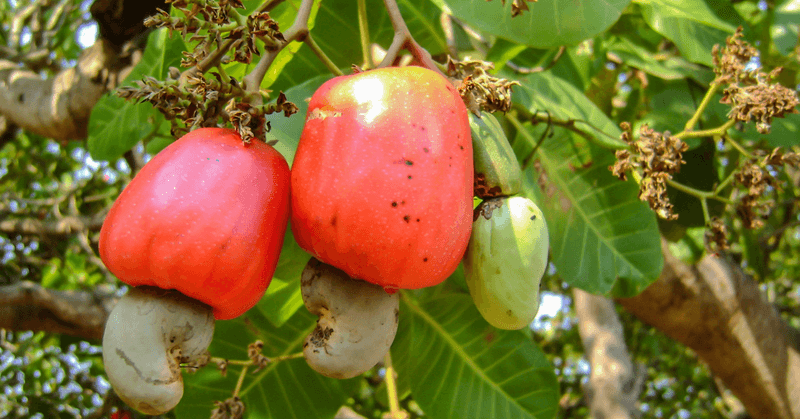
Hanging from the bottom of a cashew apple like a bizarre appendage, raw cashews look nothing like the curved, pale nuts we snack on. They grow within toxic shells that must be carefully roasted to neutralise harmful oils.
The cashew apple itself is actually a sweet, juicy fruit that often goes to waste in commercial production, despite being perfectly edible and nutritious.
2. Cocoa
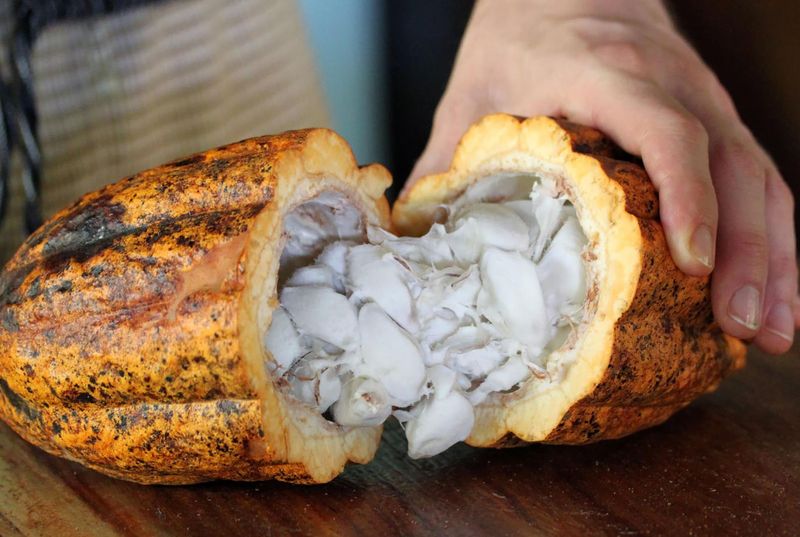
Those silky chocolate bars begin as large, football-shaped pods sprouting directly from the trunk of cacao trees. Split one open and you'll find rows of beans nestled in white, sticky pulp – nothing like the brown powder we associate with cocoa.
The beans require fermenting, drying, roasting and grinding before becoming recognisable chocolate ingredients.
3. Coffee
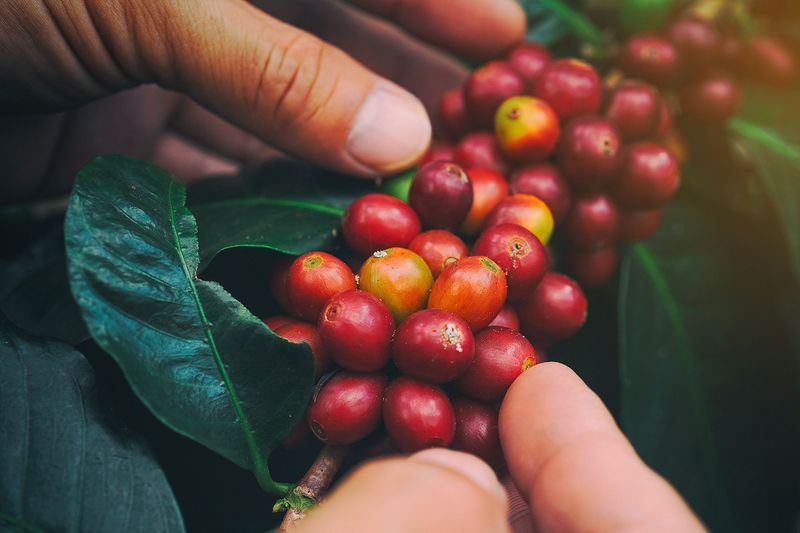
Before becoming your morning brew, coffee begins as a bright red cherry-like fruit hanging in clusters on evergreen shrubs. Farmers harvest these cherries, remove the sweet flesh, and extract two beans from inside each fruit.
The pale green beans only develop their familiar brown hue after drying and roasting – a far cry from the ground powder we scoop into our machines.
4. Peanuts
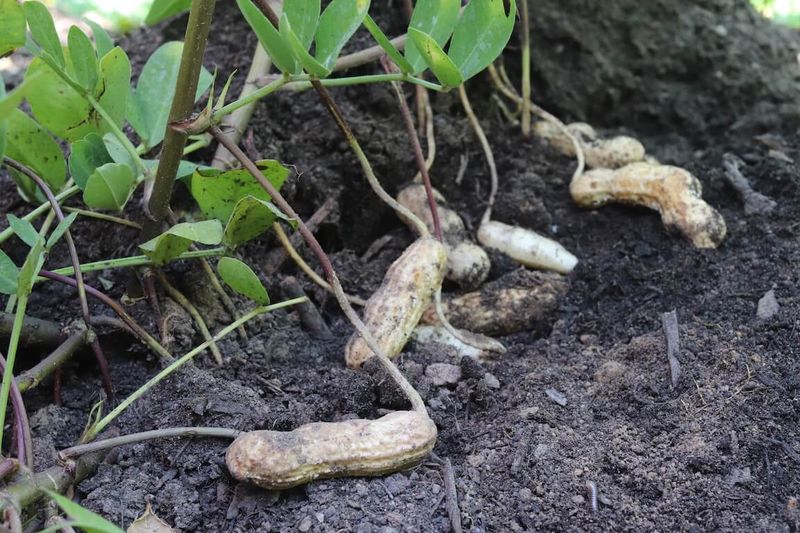
Contrary to their name, peanuts aren't nuts at all! These legumes grow underground, developing from yellow flowers on the peanut plant. After pollination, the flower stalk bends downward and burrows into the soil.
The peanuts mature beneath the surface in brittle, papery shells containing two to three kernels each – a hidden treasure you'd walk right over without knowing.
5. Sugar
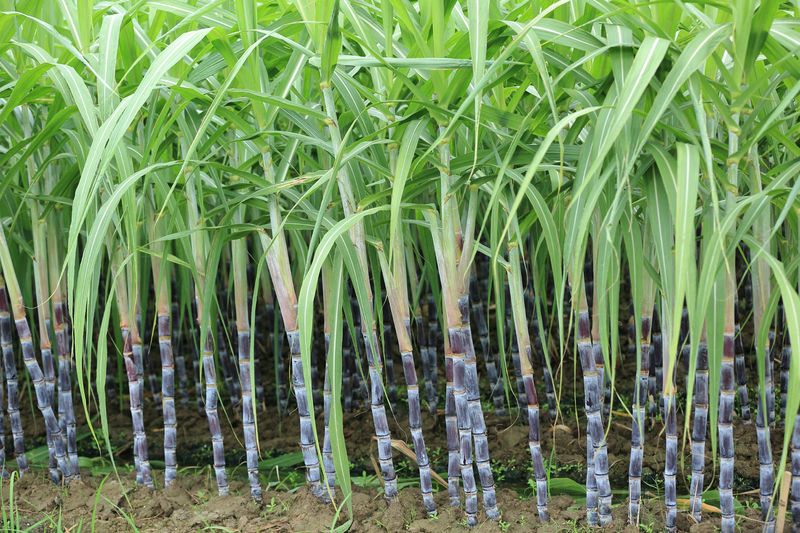
The sweet crystals dissolving in your tea start as tall, bamboo-like stalks growing in sunny fields. Sugar cane plants can reach several metres high, storing their sweetness in the fibrous stalks rather than in obvious fruits or seeds.
Workers harvest and crush these stalks to extract the sugary juice, which undergoes multiple processing steps before crystallising into recognisable sugar.
6. Black Pepper
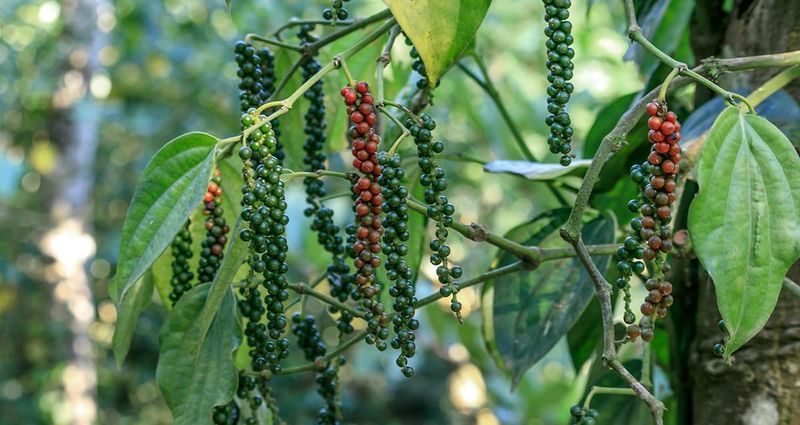
Those tiny dark specks seasoning your food begin as green berries clustering on climbing vines in tropical forests. Pepper farmers harvest these berries, which turn red when fully ripe.
Different processing methods create different types of pepper – black pepper comes from unripe berries that are dried until they shrivel and darken, completely transforming their appearance from the original plump, green fruit.
7. Cinnamon
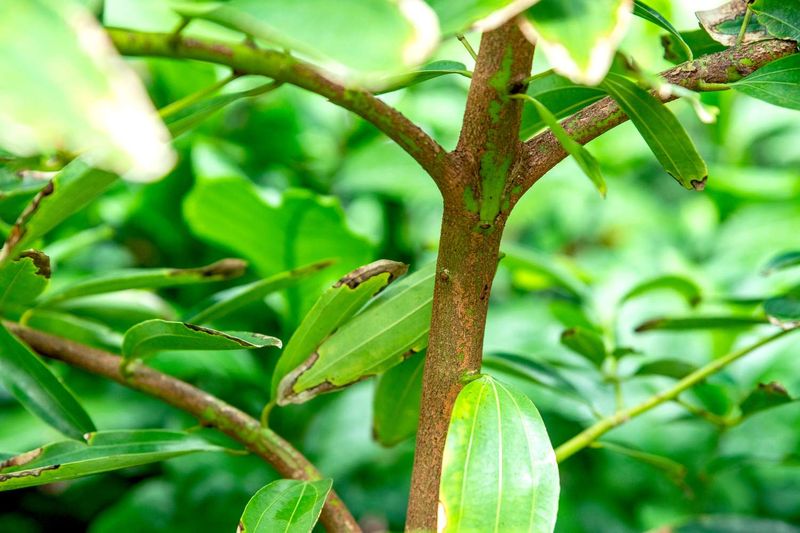
The fragrant sticks flavouring your porridge are actually stripped bark from cinnamon trees. Harvesters cut down the stems, remove the outer bark, and carefully peel off the inner layer, which curls into the familiar quills as it dries.
Fresh cinnamon bark is soft, green and surprisingly flexible – nothing like the brittle, brown scrolls that crumble into our baking.
8. Almonds
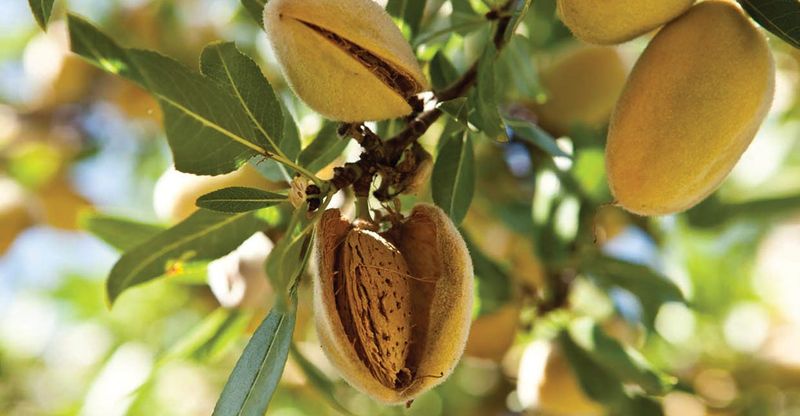
Long before they're roasted and salted, almonds begin encased in a fuzzy green fruit resembling an unripe peach. This outer hull splits open as it matures, revealing a hard shell containing the almond kernel we eat.
Farmers shake the trees to harvest these fruits, then remove the leathery hull and crack the woody shell – a laborious process for such a small treat.
9. Saffron
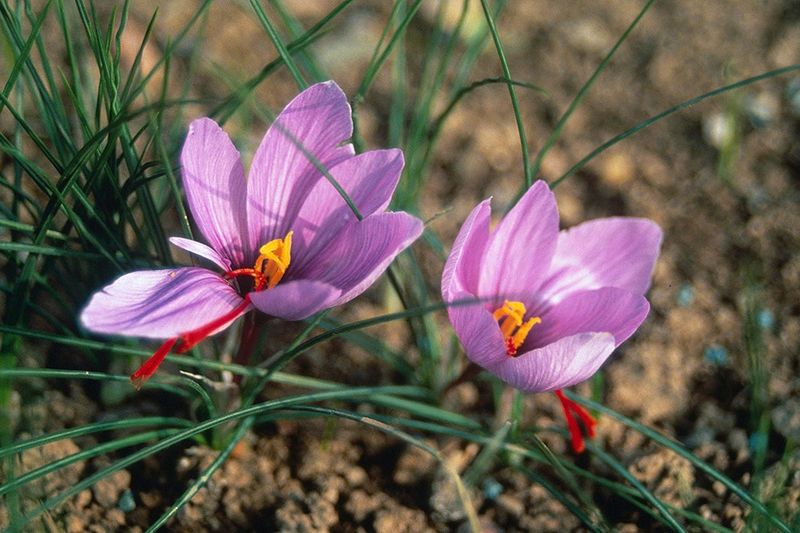
The world's most expensive spice comes from an unassuming purple flower similar to a crocus. Each bloom contains just three tiny red stigmas – the saffron threads we use in cooking.
Harvesters must carefully pluck these delicate strands by hand, explaining saffron's astronomical price. It takes roughly 170,000 flowers to produce just one kilogram of this precious spice.
10. Vanilla Beans
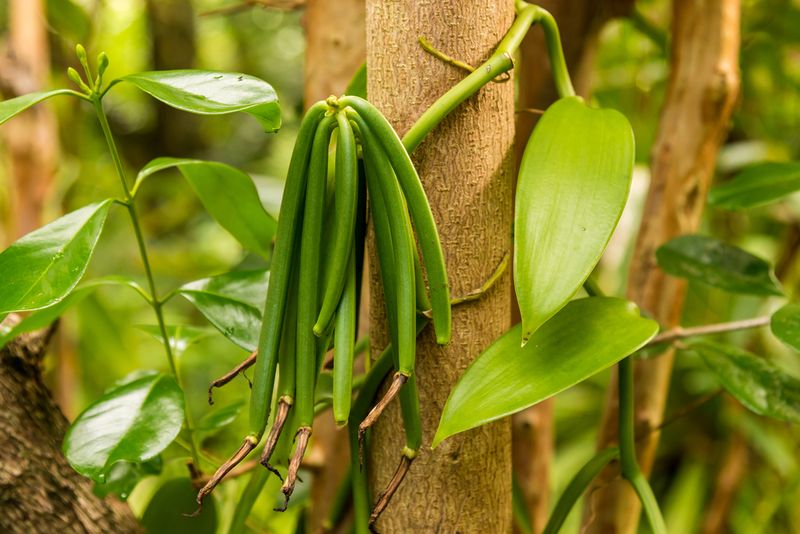
The slender brown pods containing those tiny black seeds start as climbing orchids with stunning white and yellow flowers. After careful hand-pollination, these blooms develop into green pods resembling string beans.
Farmers harvest and cure these pods through a months-long process of sweating, drying and conditioning until they transform into the aromatic, flexible vanilla beans we recognise.