










Not every food is meant to be eaten straight from the chopping board – some can harbour harmful toxins or bacteria that only cooking can destroy. Others, however, shine brightest in their natural state, keeping their nutrients and flavour intact.
Knowing the difference can make all the difference to your health, and your taste buds. From everyday staples to nutrient-packed favourites, here’s your guide to what’s best enjoyed raw and what definitely needs a bit of heat.
This article is for general informational purposes only and should not replace professional dietary or medical advice. Always handle and cook foods safely – especially meat, legumes, and root vegetables – to reduce the risk of foodborne illness.
1. Potatoes
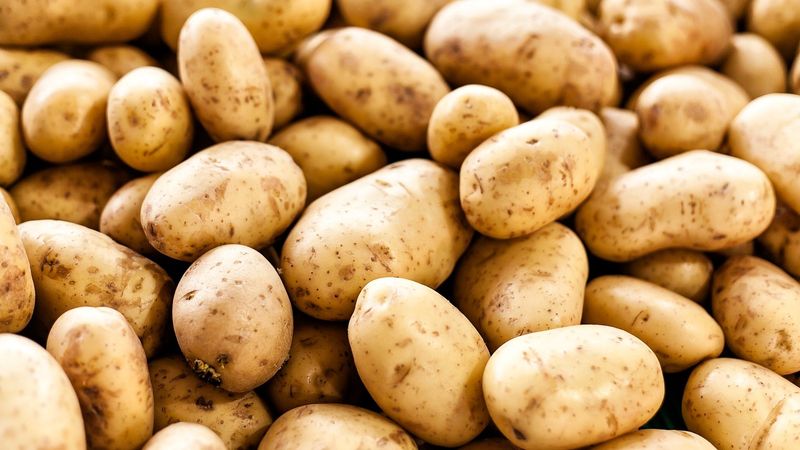
Your Sunday roast staple becomes a toxic troublemaker when raw. Potatoes contain solanine, a natural compound that develops in higher concentrations when they turn green or start sprouting. This nasty chemical can cause nausea, vomiting, and even neurological problems if consumed in significant amounts.
British supermarkets sell millions of spuds weekly, yet most folks don't realise eating them uncooked is genuinely dangerous. Always cook your potatoes thoroughly, whether you're making chips, mash, or jacket potatoes. If you spot green bits or sprouts, cut them away generously before cooking to keep your meal safe and delicious.
2. Kidney Beans
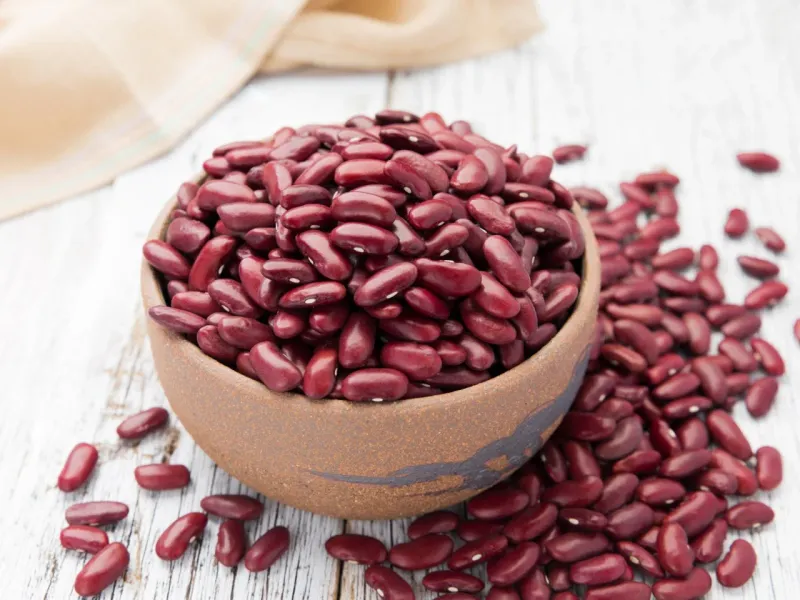
Fancy a full English with beans on toast? Best make sure those kidney beans are properly cooked first. Raw or undercooked kidney beans contain phytohaemagglutinin, a toxin that can trigger severe vomiting and diarrhoea within hours of consumption. Just four or five raw beans pack enough toxin to make you seriously ill.
This is particularly important if you're cooking dried beans at home rather than grabbing a tin from Tesco. Boil them vigorously for at least ten minutes to destroy the toxin, then simmer until tender. Slow cookers don't reach high enough temperatures, so avoid using them for dried kidney beans altogether.
3. Chicken

Nothing says British comfort food quite like a proper roast chicken, but eating it raw is asking for trouble. Campylobacter and salmonella bacteria lurk on raw poultry, causing food poisoning that'll have you camping out in the loo for days. The Food Standards Agency reports that over half of shop-bought chicken in the UK carries these bacteria.
Always cook chicken until the juices run clear and there's no pink meat remaining. Use a separate chopping board for raw poultry and wash your hands thoroughly afterwards. Whether you're making a classic chicken tikka masala or Sunday dinner, proper cooking kills the bacteria and keeps your family safe from a truly miserable bout of illness.
4. Pork
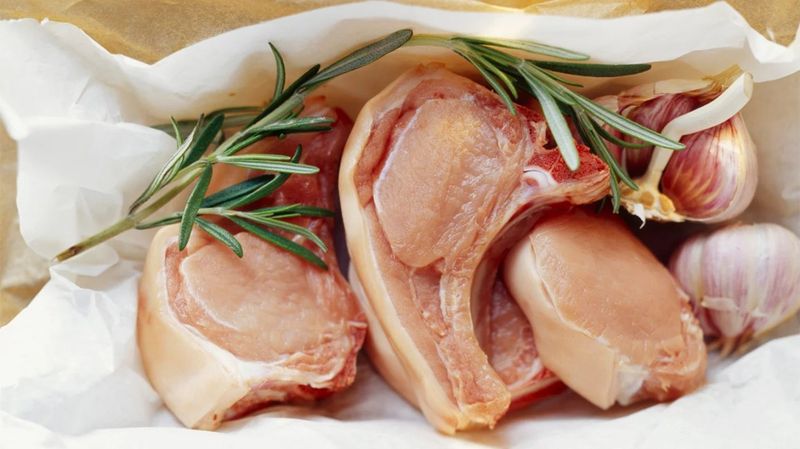
Your local butcher's finest cuts need proper cooking before they're safe to eat. Raw pork can harbour parasites like trichinella, which cause trichinosis, leading to muscle pain, fever, and digestive upset. Whilst modern farming has reduced these risks considerably in the UK, bacteria like salmonella and E. coli remain genuine concerns with undercooked pork.
British classics like bangers and mash or pork pies rely on thorough cooking for safety and flavour. Cook pork to an internal temperature of at least 63°C, letting it rest afterwards. Whether you're grilling chops or roasting a joint, proper cooking transforms tough meat into tender perfection whilst eliminating health risks completely.
5. Rhubarb Leaves
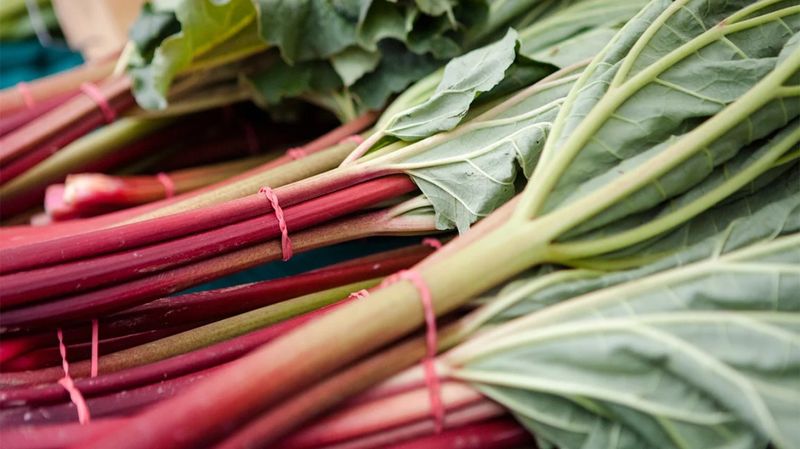
Rhubarb crumble is a British pudding legend, but those leafy green tops are properly poisonous. The leaves contain oxalic acid and anthraquinone glycosides, compounds that can cause breathing difficulties, seizures, and kidney failure if eaten in quantity. Even a small amount can trigger nausea and burning sensations in your mouth and throat.
When you buy rhubarb from the greengrocer or grow it in your allotment, always trim away and discard the leaves entirely. Only the pink or red stalks are safe to eat, and even those need cooking with plenty of sugar to balance their tartness. Keep the leaves away from pets and children, disposing of them carefully in your compost bin.
6. Cassava
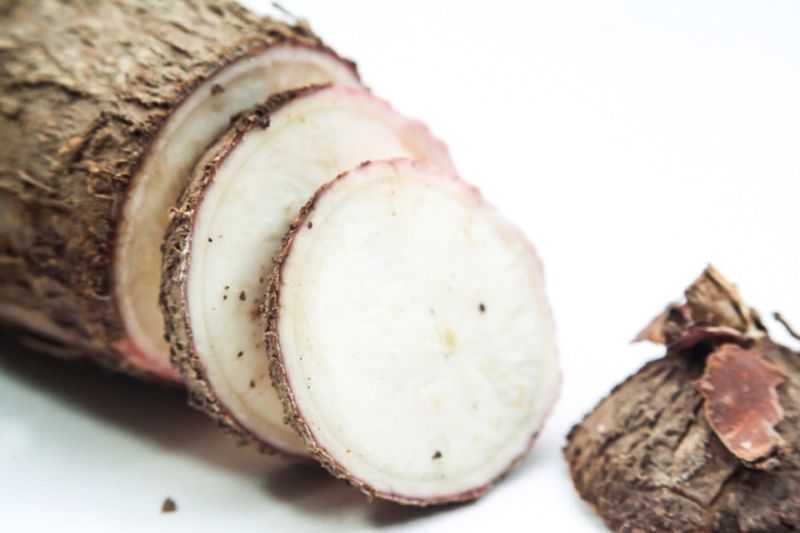
This starchy root has become increasingly popular in UK supermarkets, particularly in Afro-Caribbean communities. Raw cassava contains cyanogenic glycosides, which release cyanide when eaten, causing symptoms ranging from dizziness to potentially fatal poisoning. Bitter varieties contain higher levels than sweet ones, but both require proper preparation.
You'll find cassava in specialty shops and larger Sainsbury's or Tesco branches, often near the yams and plantains. Always peel it thickly, removing any discoloured bits, then boil or roast it thoroughly. Soaking cut cassava in water before cooking helps reduce toxin levels further. When prepared correctly, it becomes a delicious, gluten-free alternative to potatoes in Caribbean-inspired dishes.
7. Eggs
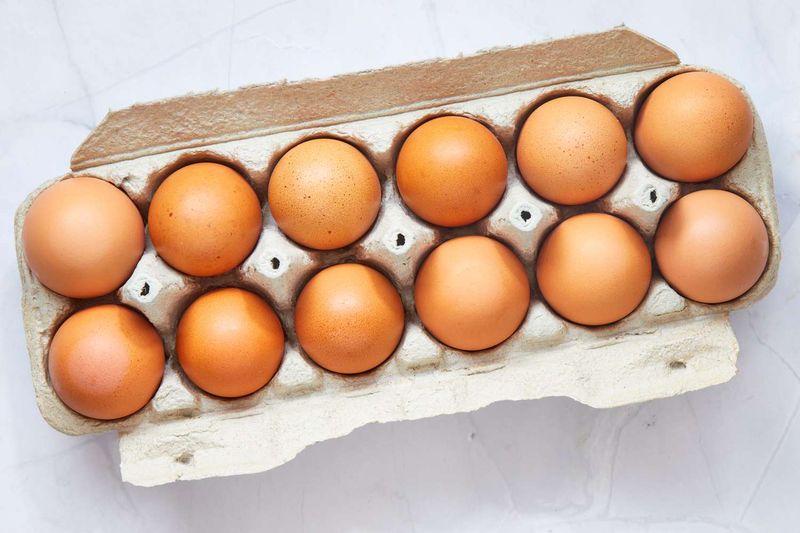
A proper fry-up isn't complete without eggs, but raw ones carry salmonella risk, particularly for vulnerable groups. Pregnant women, elderly folks, and young children should avoid runny yolks and raw egg dishes entirely. The British Lion mark on egg boxes indicates hens vaccinated against salmonella, making these eggs safer, but caution remains sensible.
Classic British recipes like homemade mayonnaise or royal icing traditionally use raw eggs, but shop-bought versions use pasteurised eggs for safety. If you fancy a runny yolk with your soldiers, choose Lion-marked eggs and cook them properly. For complete safety, cook eggs until both white and yolk are firm, eliminating any bacterial risk whilst maintaining that delicious eggy flavour.
8. Carrots
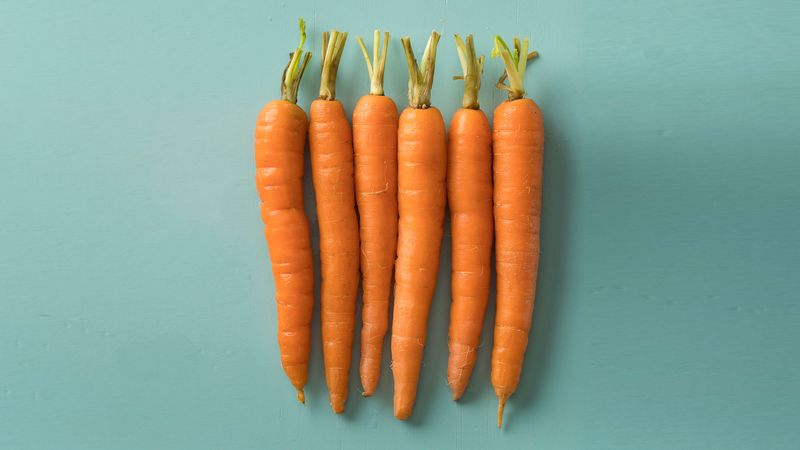
Bugs Bunny had the right idea munching these orange beauties straight from the ground. Raw carrots deliver maximum crunch and a sweeter flavour than their cooked cousins, plus they retain more vitamin C, which breaks down with heat. British carrots are particularly brilliant from local farms and veg boxes, offering superior taste to imported varieties.
Nutritionists confirm that whilst cooking increases available beta-carotene, raw carrots provide better overall nutrient retention and satisfying texture. They're perfect for lunchboxes, dunking in hummus, or grating into coleslaw. Whether you grab Chantenay carrots from Waitrose or dig up homegrown ones from your allotment, eating them raw maximises their natural goodness and delivers that satisfying snap with every bite.
9. Spinach
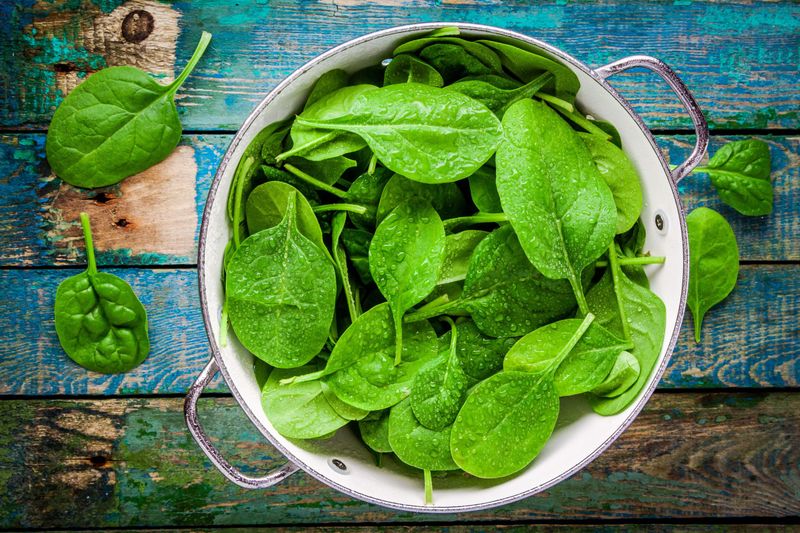
Popeye's favourite green packs more nutritional punch when eaten fresh rather than boiled to death like our grandparents used to do. Raw spinach retains its vitamin C, folate, and potassium, which diminish significantly during cooking. Baby spinach leaves from Marks & Spencer or your local farm shop work brilliantly in salads, offering a mild, slightly sweet flavour.
Cooking does increase iron absorption, but you'll lose other valuable nutrients in the process. Toss raw spinach into smoothies, pile it onto sandwiches, or mix it with rocket for a proper British salad. Wash it thoroughly first, as grit loves hiding between those leaves. Fresh spinach wilts quickly, so buy little and often for maximum freshness and flavour.
10. Bell Peppers
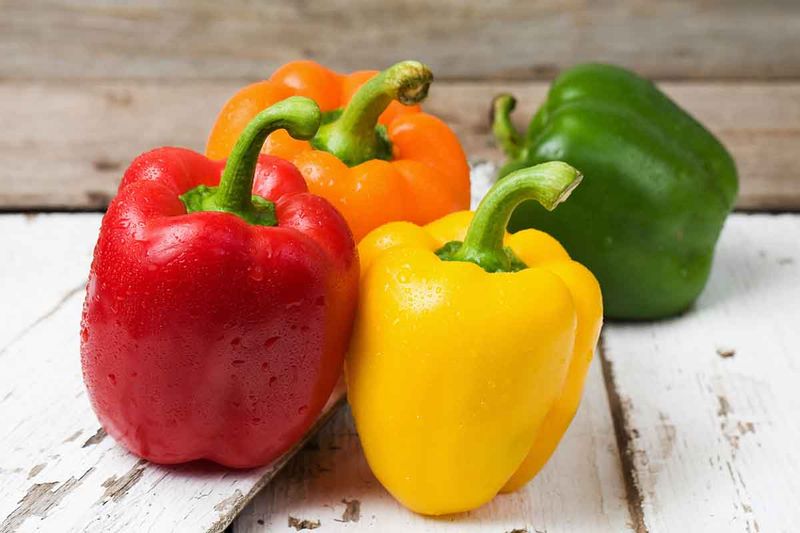
These colourful crunchers lose their vitamin C content rapidly when cooked, making raw the superior choice for nutrition. British supermarkets stock peppers year-round, with red, yellow, and orange varieties offering sweeter flavours than green ones. Raw peppers deliver a satisfying crunch and refreshing taste that roasting simply can't match.
Slice them into strips for dipping, dice them into salsas, or stuff them into sandwiches for added colour and crunch. They're brilliant in packed lunches because they stay crisp for hours. Whilst roasted peppers have their place in Mediterranean-style dishes, eating them raw preserves their impressive vitamin content and natural sweetness. Choose firm, glossy peppers without soft spots for the best flavour and texture every time.
11. Tomatoes
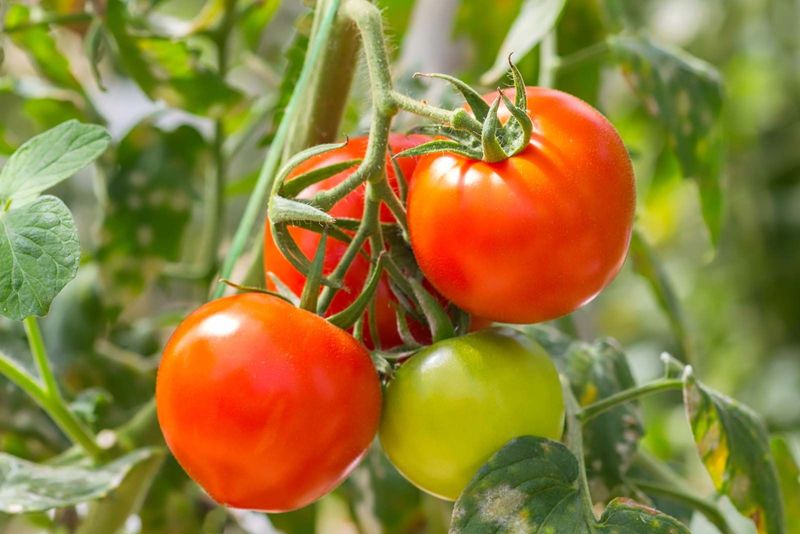
Here's a twist: cooking tomatoes increases lycopene availability, but raw ones deliver more vitamin C and a fresher, brighter flavour that British summer salads demand. Cherry tomatoes from your local greengrocer burst with sweetness that tinned varieties simply can't touch. Raw tomatoes also contain more folate and potassium than their cooked counterparts.
Heritage varieties from farmers' markets offer incredible flavour diversity, from tangy to honey-sweet. Slice beefsteak tomatoes for sandwiches, halve cherry tomatoes for salads, or simply sprinkle them with salt and enjoy their natural juiciness. Whilst cooked tomatoes have nutritional benefits, eating them raw provides a completely different sensory experience. Choose tomatoes that smell fragrant and yield slightly to gentle pressure for peak ripeness and maximum flavour.
12. Berries
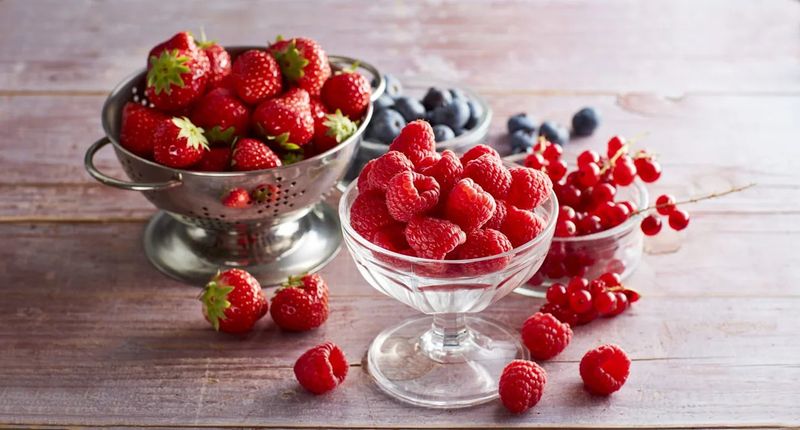
British berry season transforms supermarkets and pick-your-own farms into treasure troves of flavour from June through September. Raw berries preserve their delicate vitamin C, antioxidants, and natural sweetness that cooking destroys. Strawberries, raspberries, and blackberries grown in British soil taste incomparably better than imported ones, offering intense flavour that needs no enhancement.
Nutritionists consistently recommend eating berries fresh to maximise their health benefits and enjoy their natural texture. Rinse them gently just before eating to prevent premature spoilage. Whether you're topping your morning porridge, making a summer fruit salad, or simply eating them by the handful, raw berries deliver unbeatable taste and nutrition. Support local growers when possible for the freshest, most flavourful berries imaginable.