










We've all been there – standing in our kitchen, wondering what dish to bring to tonight's dinner party. While your intentions might be good, some food choices can turn a lovely evening into an awkward situation. Whether it's the lingering smell, messy presentation, or potential health concerns, certain foods simply don't belong at social gatherings.
This article is for general informational and entertainment purposes only. Food preferences, cultural traditions, dietary restrictions, and social expectations can vary widely. Always consider your host’s preferences, guest list, and any dietary needs before choosing what to bring to a dinner party.
1. Foods With Strong Odours
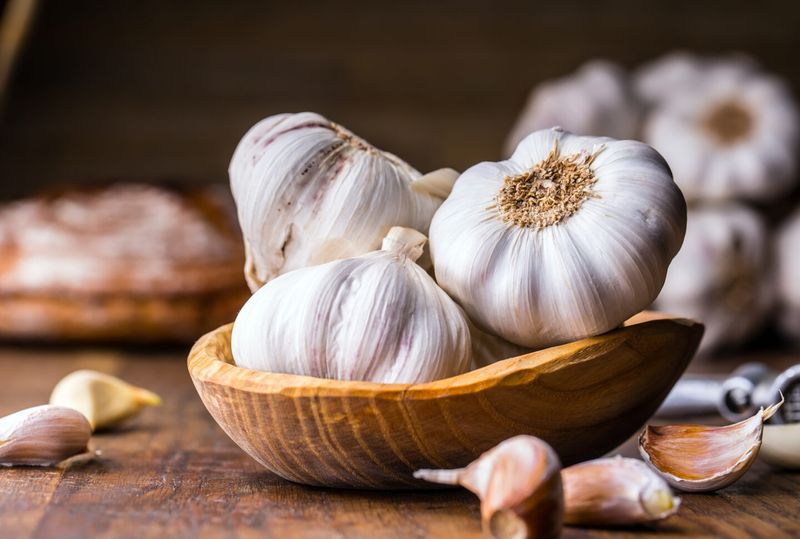
Durian fruit might be a delicacy in Southeast Asia, but its notorious smell can clear a room faster than a fire alarm. The same goes for particularly pungent cheeses or dishes heavy with garlic or fish sauce.
Your blue cheese and sardine canapés might taste divine, but fellow guests won't appreciate the lingering aroma that clings to furniture, curtains, and clothing long after the party ends.
2. Dishes That Don't Travel Well
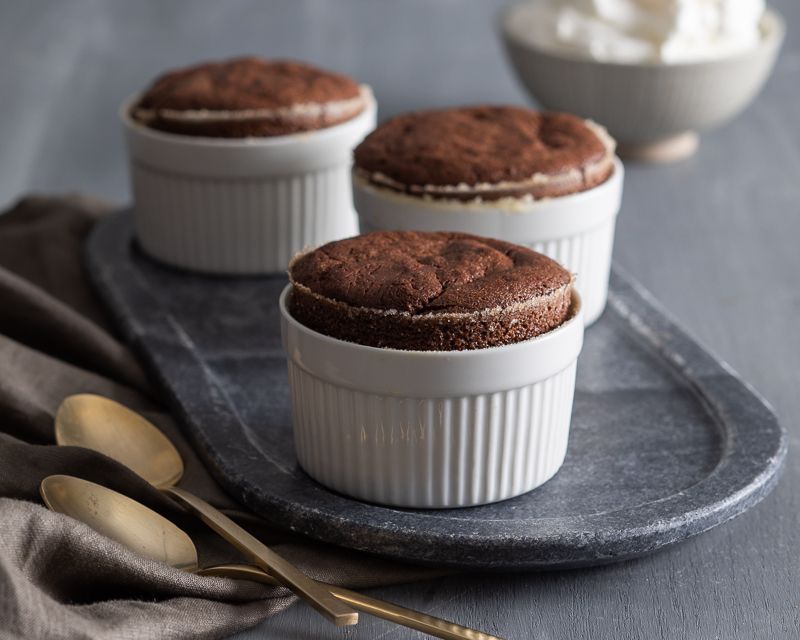
Soufflés collapse. Crispy foods turn soggy. Delicate pastries crumble. That perfect creation from your kitchen might resemble a culinary disaster by the time you arrive at your destination.
Even with careful packaging, the jostling during transport can transform your masterpiece into something unrecognisable. Save these temperamental treats for when you're hosting at your own home.
3. Anything Too Messy
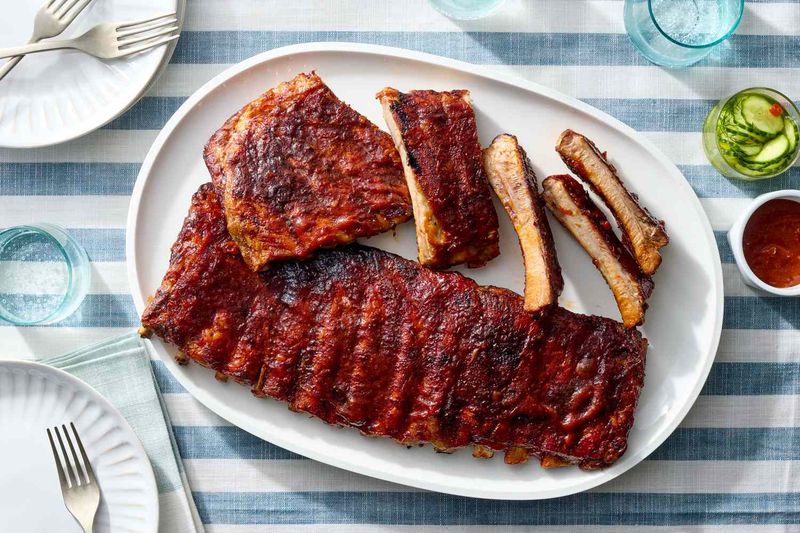
Picture this: your friend's pristine cream-coloured sofa meets a guest holding a plate of saucy ribs. Not a happy ending! Messy foods create anxiety for both hosts and guests.
Dishes that require excessive dipping, dripping sauces, or eating with hands can lead to embarrassing spills. Nobody wants to navigate a social event while worrying about food stains on their best outfit.
4. Foods That Need Complicated Assembly On Arrival
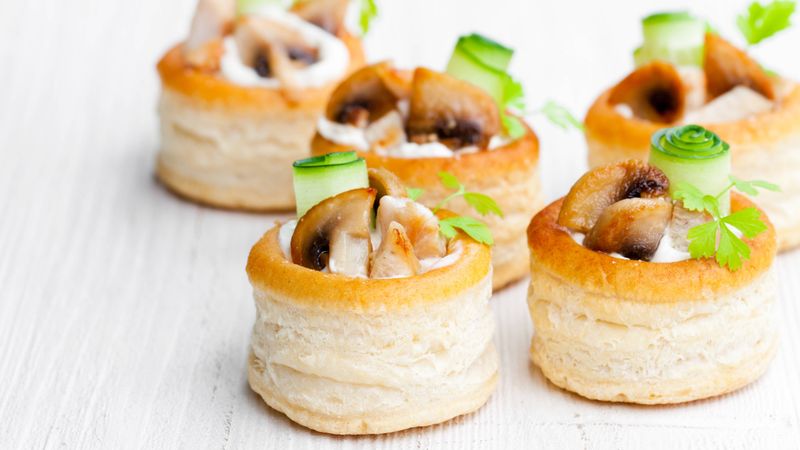
Your host is likely busy managing multiple aspects of the evening. The last thing they need is you commandeering their kitchen to assemble your complex creation.
Dishes requiring last-minute cooking, special equipment, or extensive preparation space create unnecessary stress. If your contribution needs more than minimal reheating or simple plating, reconsider your choice.
5. Anything That Might Upstage The Host's Main Dish
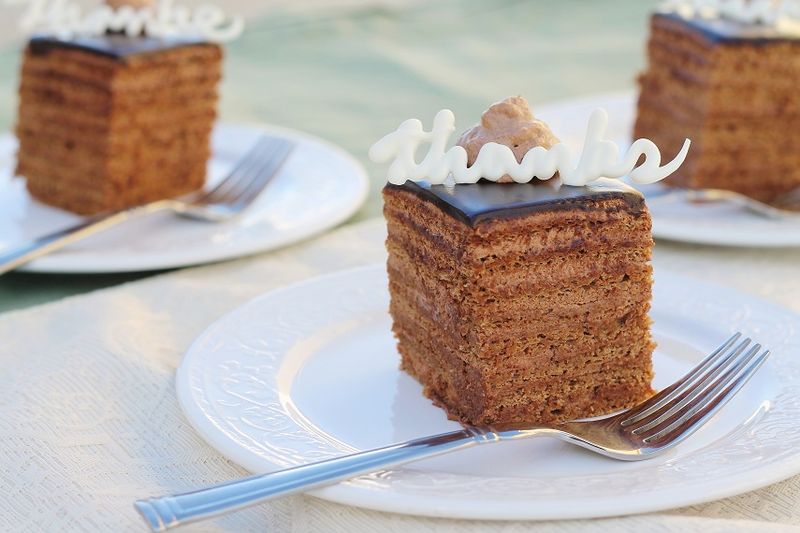
Your seven-layer chocolate truffle cake might be legendary, but bringing it when your host has spent days perfecting their own special dessert is poor form. Social awareness matters at dinner parties!
The goal is to complement the host's menu, not compete with it. Always ask what you can bring that would be helpful rather than assuming your signature dish is welcome.
6. Overly Spicy Foods That Not Everyone Can Handle
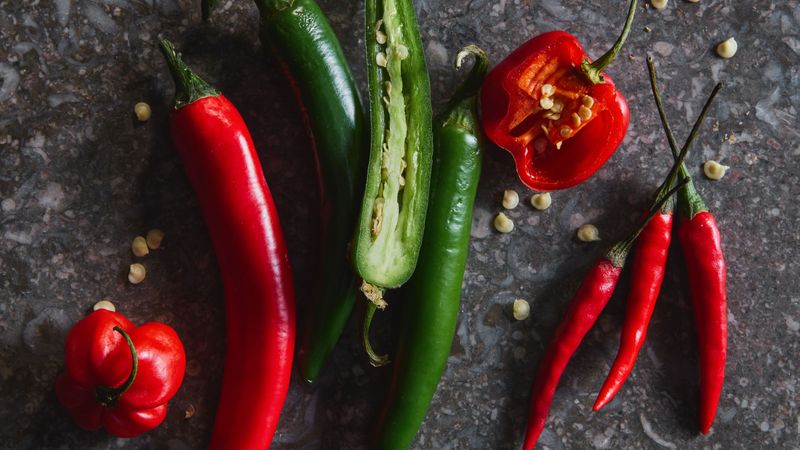
Your ghost pepper chilli may impress those with asbestos tongues, but it could ruin the evening for others. Heat tolerance varies dramatically between people.
What seems pleasantly warm to you might be painfully fiery to someone else. If you must bring something spicy, keep the heat moderate or provide a clear warning label so guests can make informed choices.
7. Dishes With Common Allergens
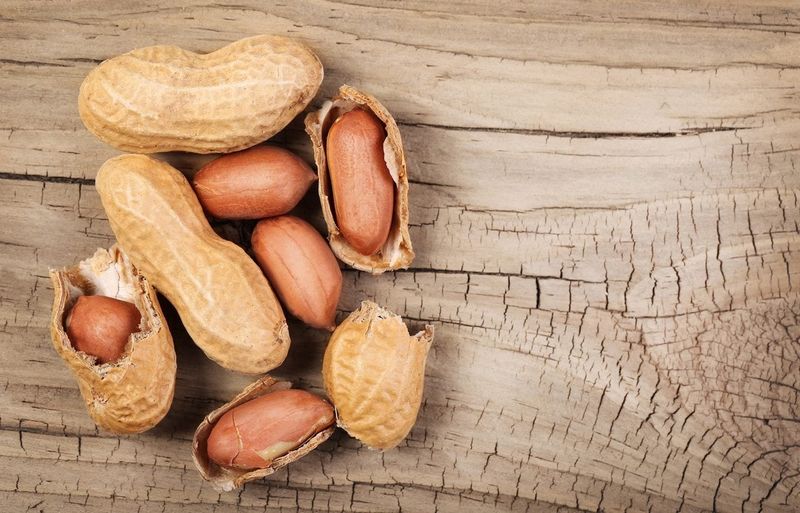
Peanuts, shellfish, and tree nuts can trigger life-threatening reactions in some people. Even if no one at the party has a known allergy, unexpected plus-ones might.
If you do bring something containing potential allergens, clearly label it. Better yet, check with your host beforehand about any dietary restrictions among the guests and plan your contribution accordingly.
8. Desserts That Melt Quickly

Ice cream cakes look spectacular in your freezer but transform into puddles during transport. The same applies to chocolate-dipped strawberries in summer or delicate buttercream creations. Temperature-sensitive desserts create stress for everyone involved. You'll worry about timing, your host will scramble for freezer space, and guests might end up with a sloppy mess instead of a treat.
9. Leftovers Or Half-Finished Dishes From Home
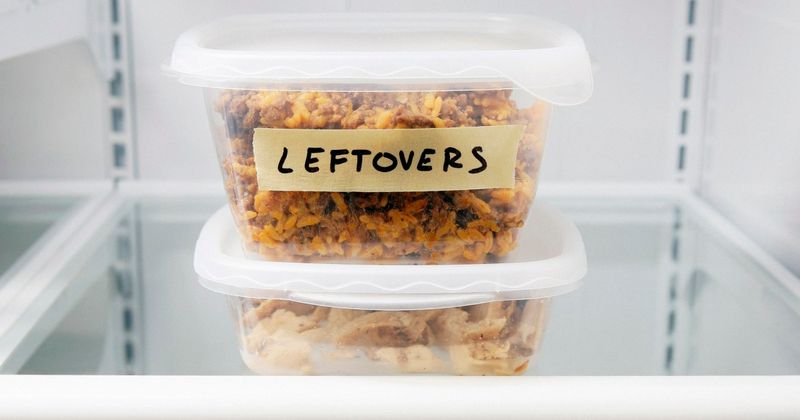
That container of pasta from Tuesday? Leave it in your fridge. Bringing leftovers to a dinner party suggests you didn't consider the occasion worth fresh effort.
A dinner invitation merits a thoughtful contribution made specifically for the event. Your host has likely put considerable effort into planning their gathering – show them the same level of consideration with your offering.
10. Extremely Unusual Or Experimental Foods
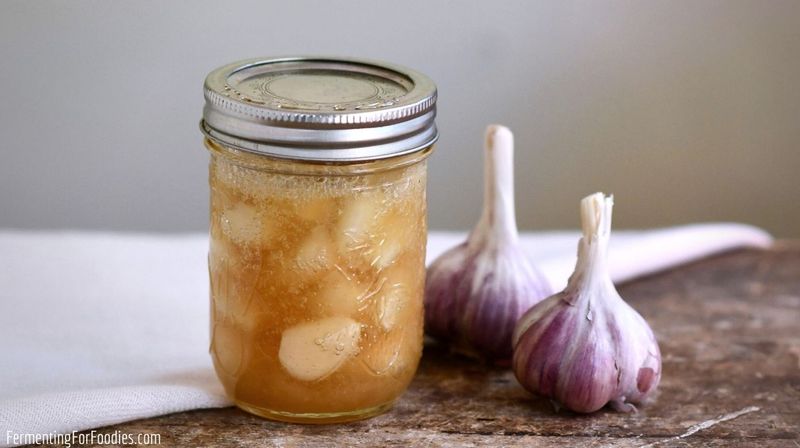
Your fermented garlic honey might fascinate foodies, but a dinner party isn't the place to test experimental recipes. Strange textures or flavours can make some guests uncomfortable.
Save your culinary adventures for willing friends who appreciate food exploration. For general gatherings, stick to crowd-pleasers that allow everyone to enjoy the social experience without gastronomic anxiety.