








Britain's culinary landscape is peppered with dishes that sound like they were named during a game of charades after a few pints at the local pub. Despite their quirky, sometimes puzzling names, these traditional foods are absolutely delicious.
From hearty main courses to indulgent desserts, these oddly-named British classics prove that you should never judge a dish by its peculiar title.
This list is for light-hearted fun and general information. Names may be quirky, but flavours and availability can vary.
1. Toad In The Hole
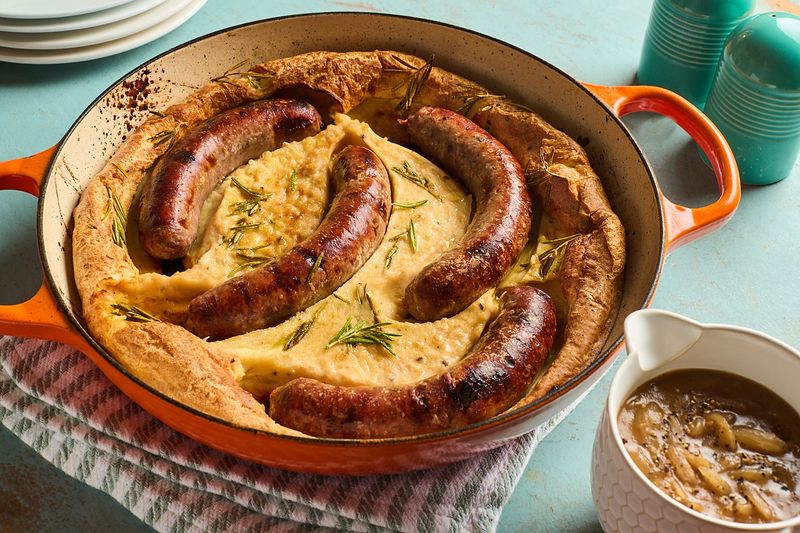
No amphibians feature in this beloved British classic! Sausages nestled in a fluffy Yorkshire pudding batter create a comforting dish that dates back to the 1700s.
The name likely comes from the sausages peeking out of the batter, resembling toads poking their heads from holes. Traditionally served with onion gravy and vegetables for a proper Sunday dinner experience.
2. Bubble And Squeak
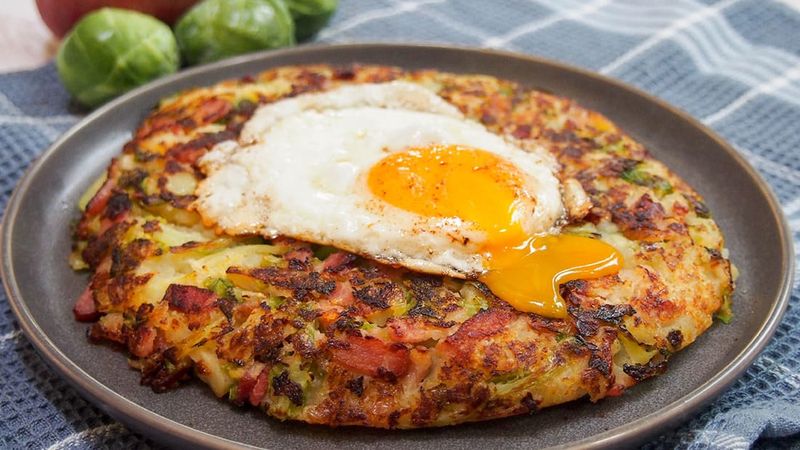
Monday magic on a plate! Leftover Sunday roast vegetables - typically cabbage and potatoes - fried together until crispy and delicious. The amusing name comes from the cooking sounds as the vegetables bubble and squeak in the pan.
Originally a Monday meal using Sunday leftovers, this thrifty dish has evolved into a beloved comfort food often topped with a fried egg or served alongside cold cuts.
3. Stargazy Pie
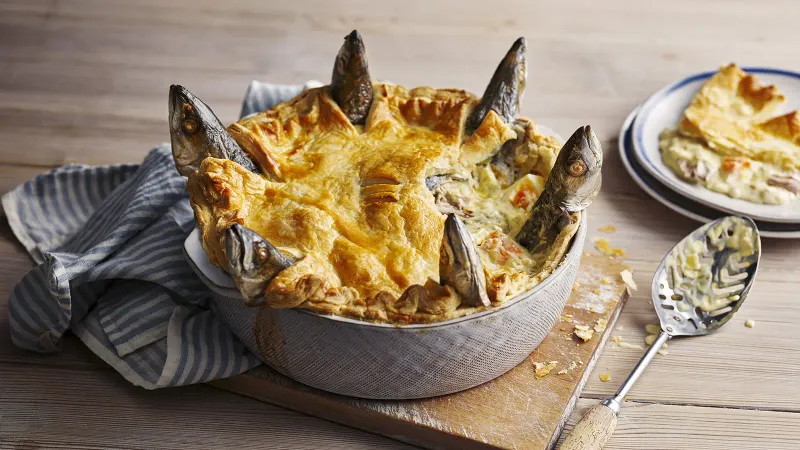
Possibly the most visually startling dish on our list! This Cornish masterpiece features whole pilchards or sardines baked in a pastry crust with their heads poking through, gazing at the stars.
Dating back to the village of Mousehole, legend claims fisherman Tom Bawcock braved stormy seas to catch fish that saved the village from starvation. Now celebrated each December 23rd during Tom Bawcock's Eve.
4. Laverbread
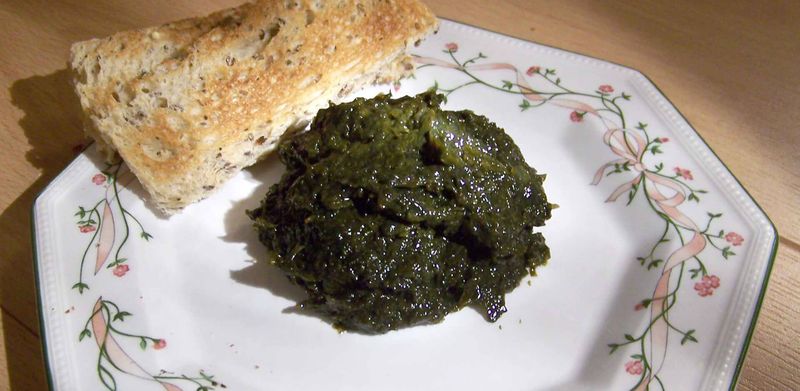
Not bread at all! This Welsh delicacy is actually seaweed (laver) that's been boiled for hours then minced or pureed into a greenish-black paste. The salty, nutritious spread has been called "Welsh caviar" by some enthusiasts.
Traditionally mixed with oatmeal, fried, and served with bacon and cockles for a hearty Welsh breakfast. Rich in minerals and vitamins, it's been a coastal staple for generations.
5. Angels On Horseback
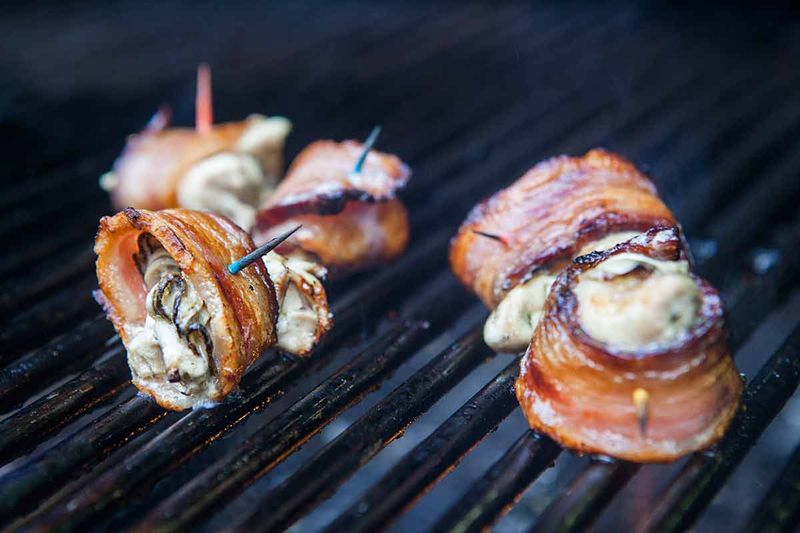
Heavenly morsels with a devilishly good taste! These elegant appetisers feature plump oysters wrapped in crispy bacon, skewered and grilled to perfection.
Popular during Victorian dinner parties, they gained their celestial name from the contrast between the white oyster ("angel") riding atop the bacon strip ("horse"). The smoky-salty-sea combination creates an irresistible flavour explosion that's been tempting palates for centuries.
6. Welsh Rarebit
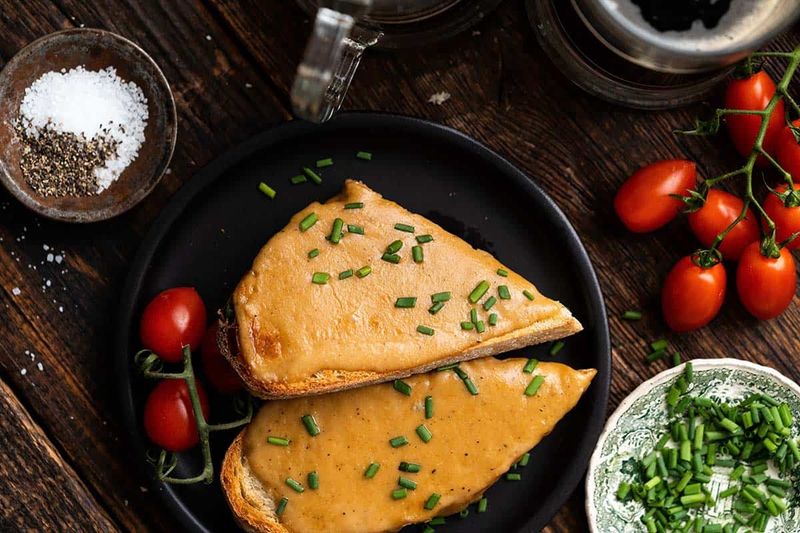
Fancy cheese on toast with a mysterious name! This luxurious dish combines ale-infused cheese sauce with mustard and Worcestershire sauce, poured over toasted bread and grilled until bubbling.
Originally called "Welsh rabbit," it emerged as a humorous slight suggesting Welsh people ate cheese when they couldn't afford rabbit. The name evolved to "rarebit," though the joke's origins remain, while the dish itself has become a beloved comfort food classic.
7. Cullen Skink
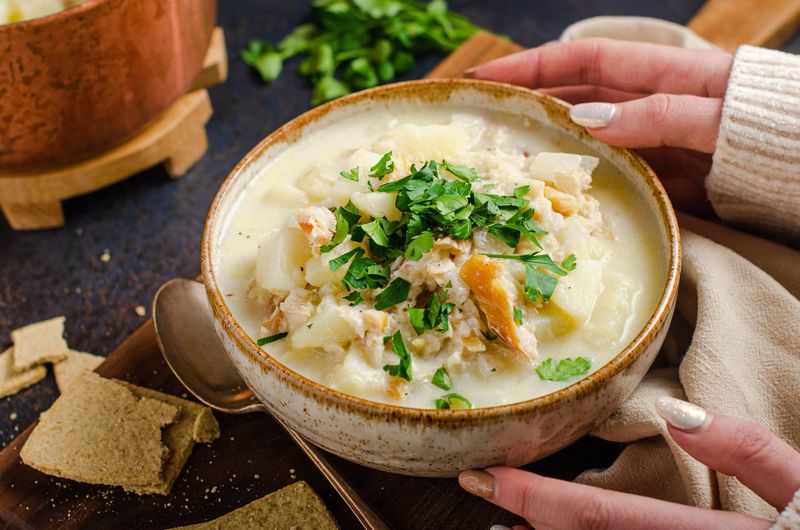
This hearty Scottish soup hails from the fishing village of Cullen in Moray. The rich, creamy chowder features smoked haddock, potatoes, and onions.
"Skink" comes from the Scots word for a shin of beef, though the soup contains no beef today. During hard times, smoking fish preserved the catch, creating this wonderfully warming dish that's perfect for Scotland's chilly climate.
8. Spotted Dog
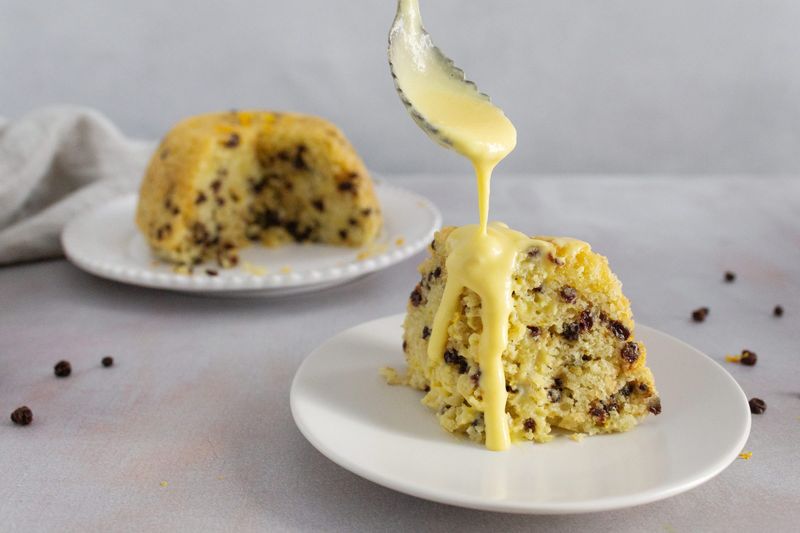
No canines were harmed in the making of this classic pudding! The "spots" are actually dried fruit scattered throughout a cylindrical suet pudding, creating a delightful polka-dot effect when sliced.
Often confused with spotted dick, this variation typically uses mixed dried fruit rather than just currants. Steamed for hours until perfectly moist, it's traditionally served with custard for a proper old-school British dessert experience.
9. Lancashire Hotpot
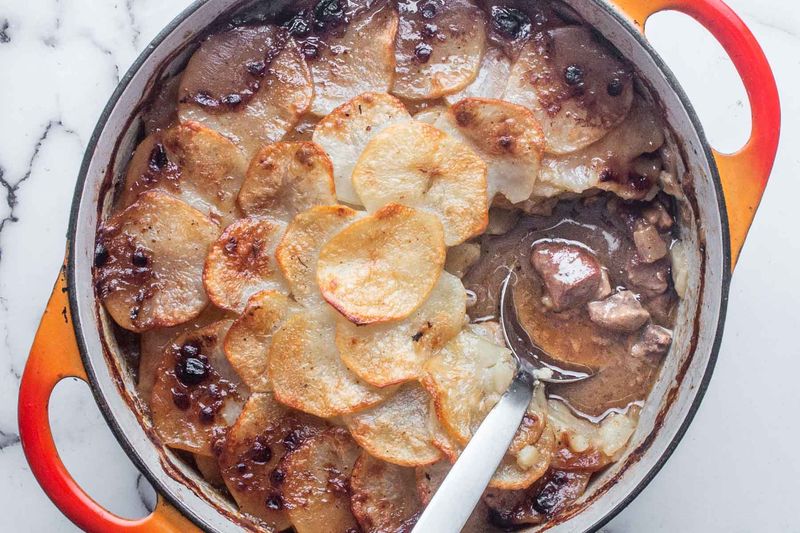
Rustic comfort in a pot! This slow-cooked lamb stew topped with sliced potatoes originated among Lancashire textile workers. The dish developed as something that could be left simmering while families worked in the mills.
Traditionally cooked in a heavy earthenware pot with oysters (in coastal areas) or kidneys for extra flavour. The potatoes form a crispy lid while sealing in the rich juices below, creating perfectly tender meat in a dish that defines northern comfort food.
10. Singin' Hinnies
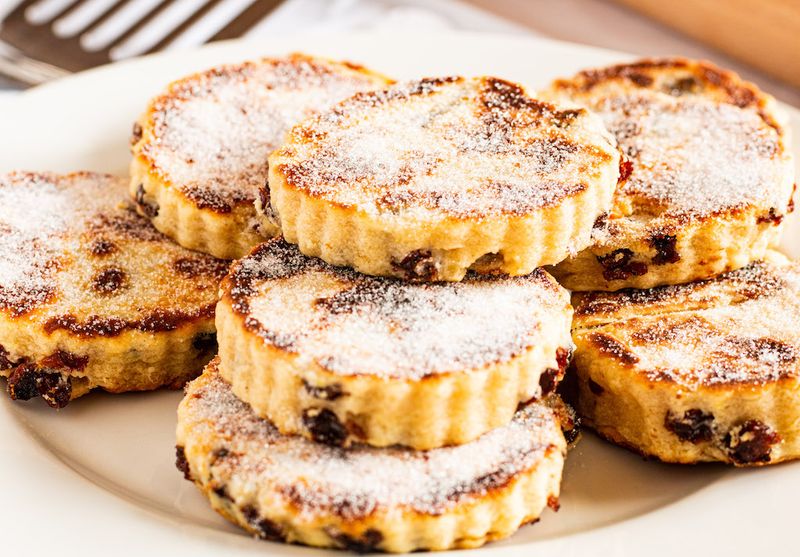
These Northumbrian griddle cakes earned their musical name from the sizzling sound they make while cooking. The "singing" comes from the steam escaping the currant-studded dough as it hits the hot pan.
"Hinny" is a term of endearment in the North East, similar to "honey." Made with flour, butter, lard, and dried fruit, these golden-brown treats are best enjoyed warm with a generous spread of butter melting into every nook.
11. Jam Roly-Poly
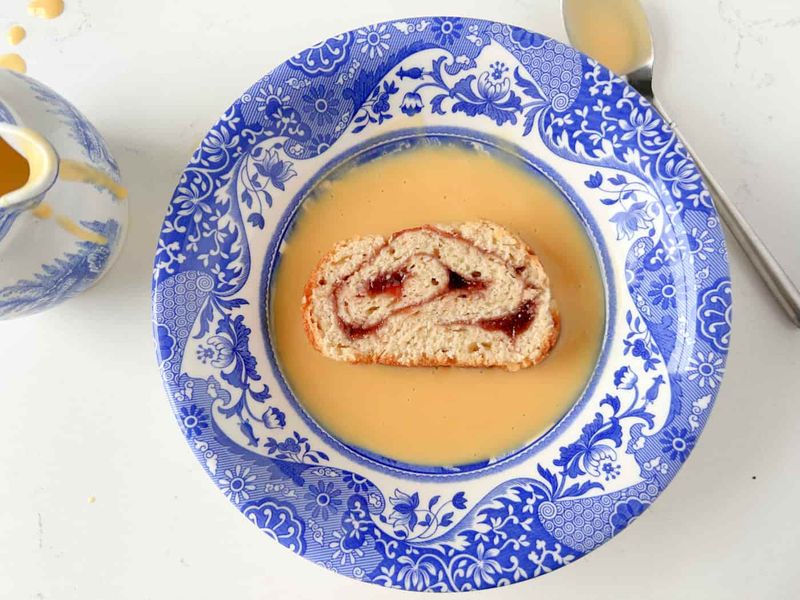
Affectionately nicknamed "dead man's arm" by schoolchildren due to its appearance when served in a cloth! This nostalgic pudding features suet pastry spread with jam, rolled up, and steamed until perfectly light and fluffy.
A Victorian favourite immortalised in Charles Dickens' works. School dinner versions rarely matched grandma's homemade creation, where the jammy spiral revealed itself with each delicious slice, typically drowning in custard for maximum comfort.
12. Knickerbocker Glory
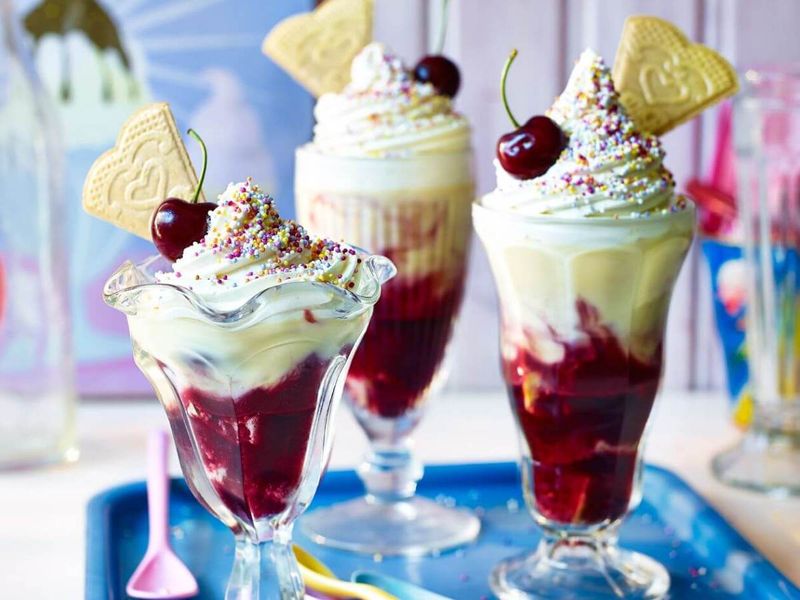
The ultimate seaside treat with a puzzling American-sounding name! This elaborate ice cream sundae, served in a tall glass, layers fruit, jelly, ice cream, and cream, topped with syrup, nuts, and a wafer.
The name's origin remains mysterious - possibly from New York's Knickerbocker Hotel or the Knickerbocker family. Regardless, this colourful creation has delighted British children for generations, especially during summer holidays at the beach.
13. Treacle Sponge Pudding
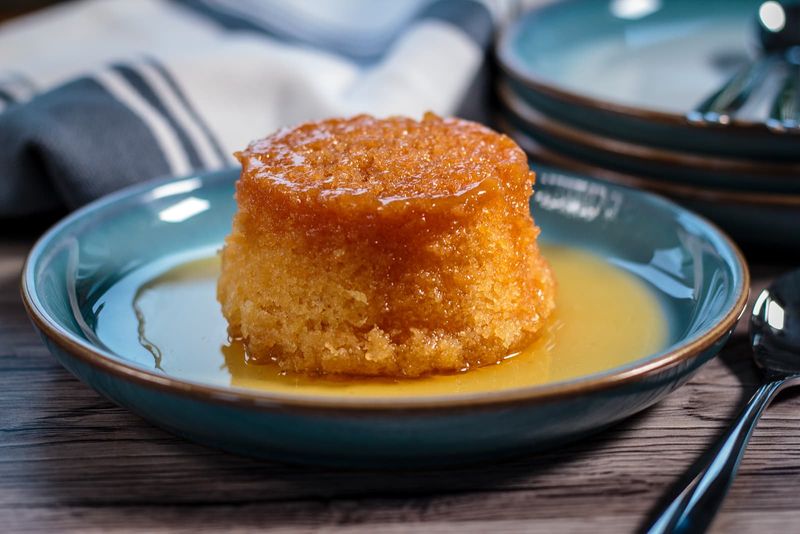
This classic steamed sponge features a pool of treacle (golden syrup) that magically migrates from bottom to top during cooking.
School dinner memories often feature this sticky delight. The light, fluffy sponge soaks up the sweet, amber syrup, creating a pudding that's both comforting and indulgent. Best served with warm custard for the ultimate traditional British dessert experience.