









There’s something undeniably joyful about eating with your hands. It feels more relaxed, more social, and sometimes the flavours even shine brighter when you skip the cutlery.
Many cultures treat hand-eaten foods as an everyday norm, and exploring them is a fun way to see how people around the world enjoy their favourite dishes.
This article is for general interest and cultural exploration, and the images included are simply meant to capture the spirit of the foods mentioned.
1. Tacos (Mexico)
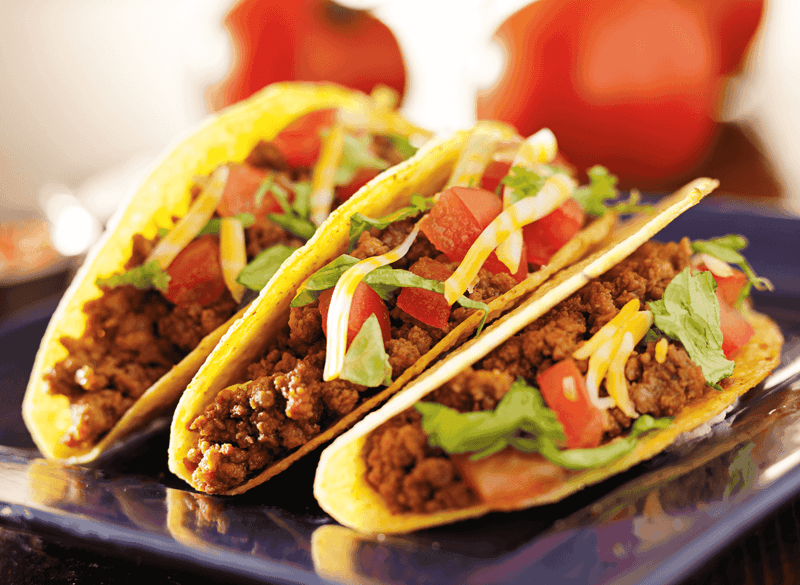
Street corners throughout Mexico fill with the irresistible aroma of freshly made tacos, where warm tortillas cradle seasoned meats, fresh vegetables, and zesty salsas. Using your hands to fold and eat them is the only proper method.
The soft corn or flour tortilla acts as both plate and utensil, catching every delicious drip. Mexicans have perfected this handheld meal over centuries, making it an art form that's now beloved worldwide.
2. Sushi Maki And Nigiri (Japan)
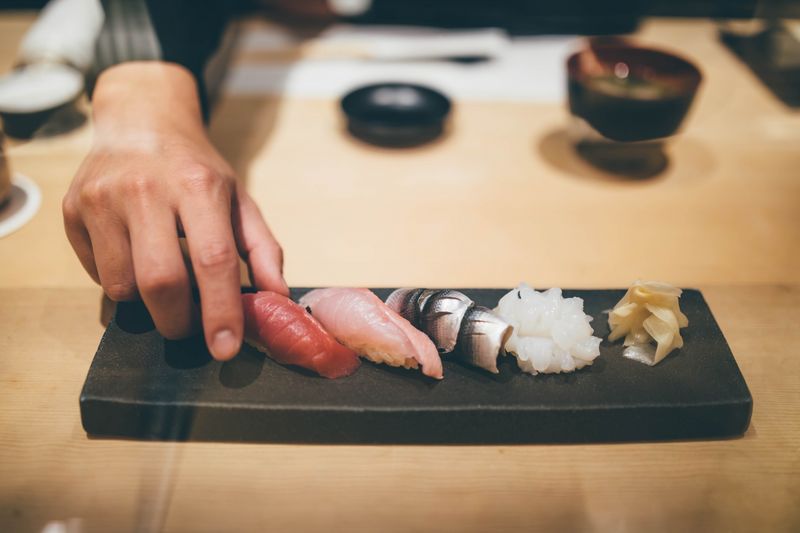
In Japan, eating sushi with your fingers is not only acceptable but encouraged by sushi masters. Nigiri, with its delicate fish draped over seasoned rice, was designed as finger food from its earliest days in Tokyo.
Chopsticks work fine, but hands give you better control and connection to the chef's creation. The warmth from your fingers slightly warms the fish, enhancing its flavour and texture beautifully.
3. Injera With Stews Like Doro Wat (Ethiopia And Eritrea)
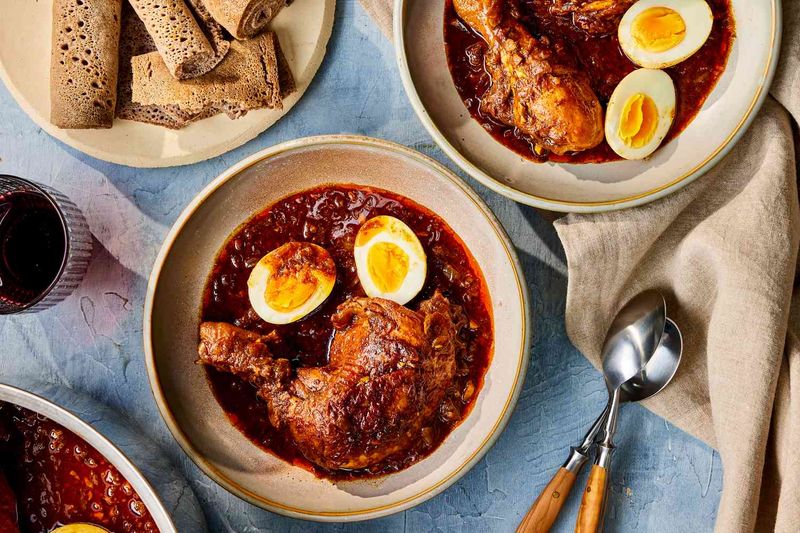
This spongy, tangy flatbread serves as both your plate and eating utensil in Ethiopian and Eritrean cuisine. Diners tear off pieces of injera to scoop up rich stews like doro wat, a spicy chicken dish bursting with flavour.
Sharing from a communal platter strengthens bonds between family and friends. The fermented teff flour gives injera its distinctive sour taste that perfectly complements spicy, savoury dishes.
4. Chapati And Roti With Curry (India, Pakistan, Bangladesh)
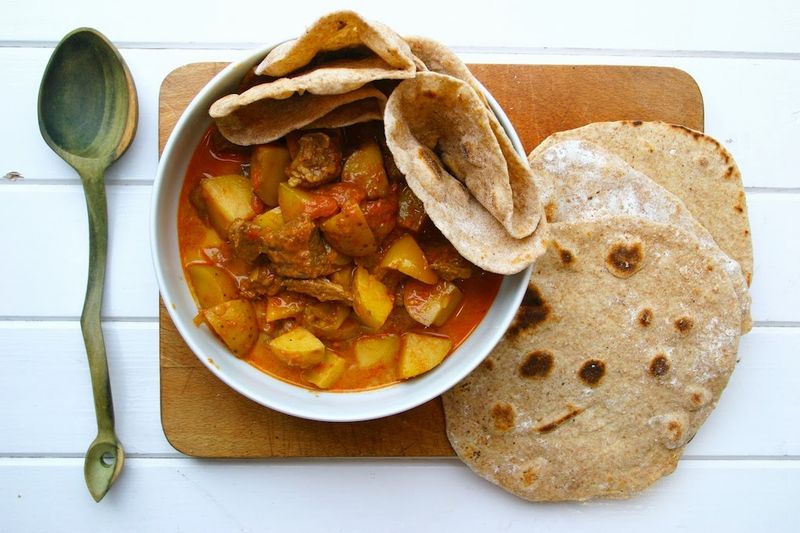
Across South Asia, millions tear off pieces of warm chapati or roti to scoop up fragrant curries at every meal. The unleavened flatbreads are cooked fresh on a tawa, their slightly charred edges adding wonderful flavour.
Using your right hand to eat connects you to centuries of tradition and brings you closer to the food's essence. Each torn piece becomes a perfect edible spoon for rich gravies and vegetables.
5. Pita With Mezze Such As Hummus And Falafel (Middle East)
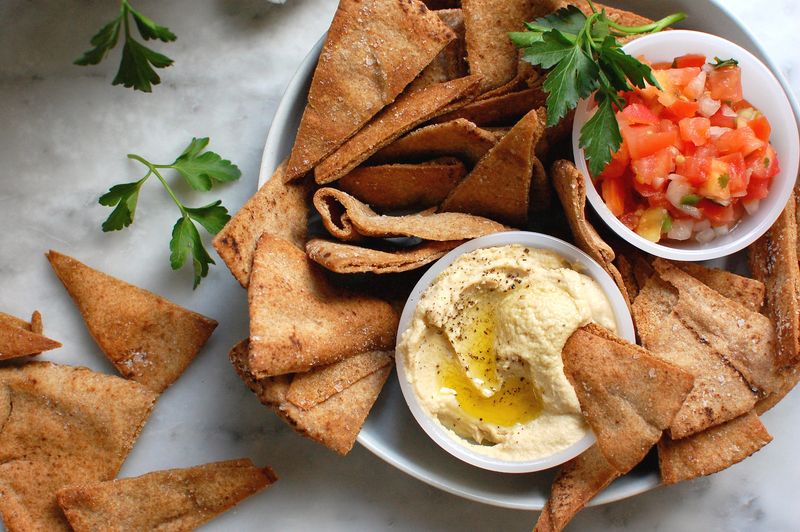
Throughout the Middle East, warm pita bread is the vehicle for enjoying creamy hummus, crispy falafel, and countless other mezze dishes. Tearing off a piece and using it to scoop is second nature to anyone raised in the region.
The pillowy bread complements the bold flavours of chickpeas, tahini, and fresh herbs beautifully. Sharing mezze platters encourages conversation and togetherness around the table.
6. Bao Buns (China)
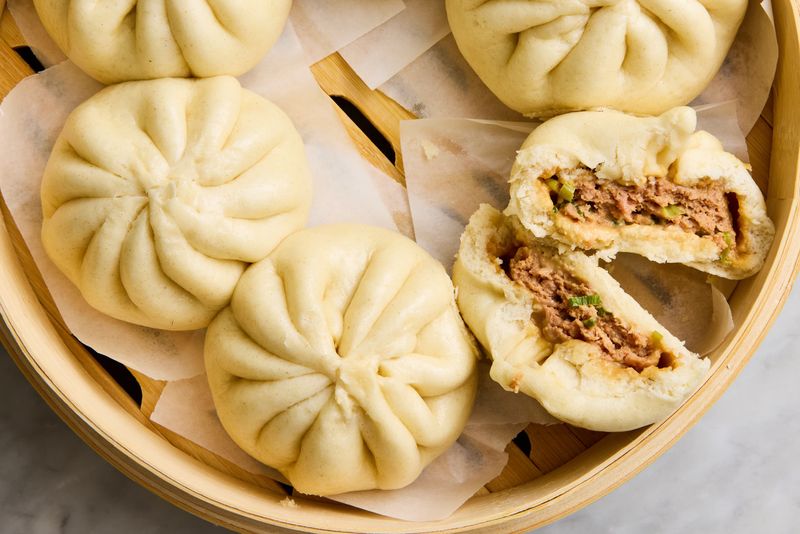
These pillowy steamed buns from China are designed to be picked up and enjoyed immediately while they're still warm and soft. Filled with savoury pork, vegetables, or sweet red bean paste, bao buns offer pure comfort in every bite.
Street vendors across China have served them this way for generations. The fluffy exterior gives way to flavourful fillings, creating a textural experience that chopsticks simply can't replicate.
7. Fufu With Soups And Stews (West Africa)
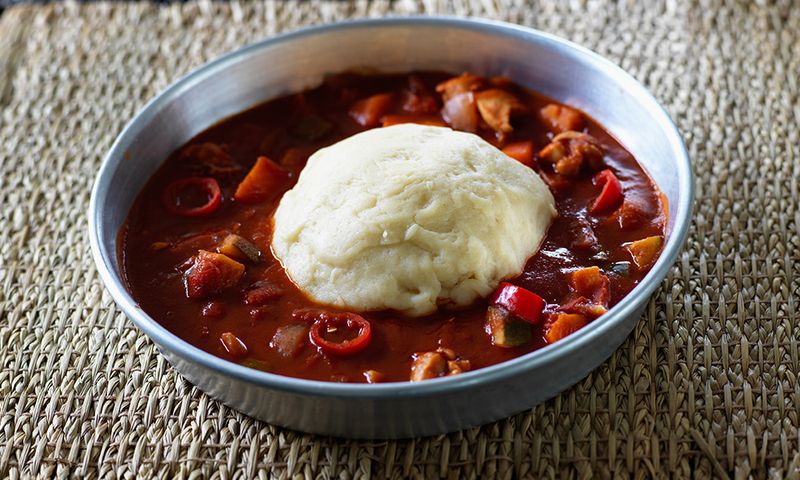
West Africans have mastered the art of eating this starchy staple made from pounded yam, cassava, or plantain. Diners pinch off a small portion, roll it into a ball, make an indentation, and use it to scoop up hearty soups.
Swallowing the fufu ball whole is traditional - chewing is optional! This technique allows you to savour the soup's rich flavours whilst enjoying fufu's unique, dough-like texture.
8. Arepas (Venezuela And Colombia)
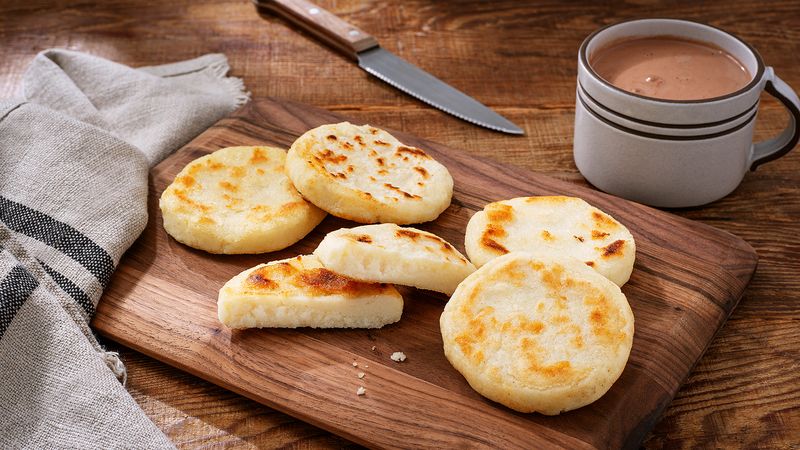
These golden cornmeal pockets are a breakfast staple and anytime snack throughout Venezuela and Colombia. Split open and stuffed with cheese, meat, beans, or avocado, arepas are designed to be held and devoured on the go.
The crispy exterior contrasts beautifully with soft, warm insides. Venezuelans and Colombians debate endlessly about whose arepas reign supreme, but both agree that hands are essential for proper enjoyment.
9. Banh Mi Sandwiches (Vietnam)
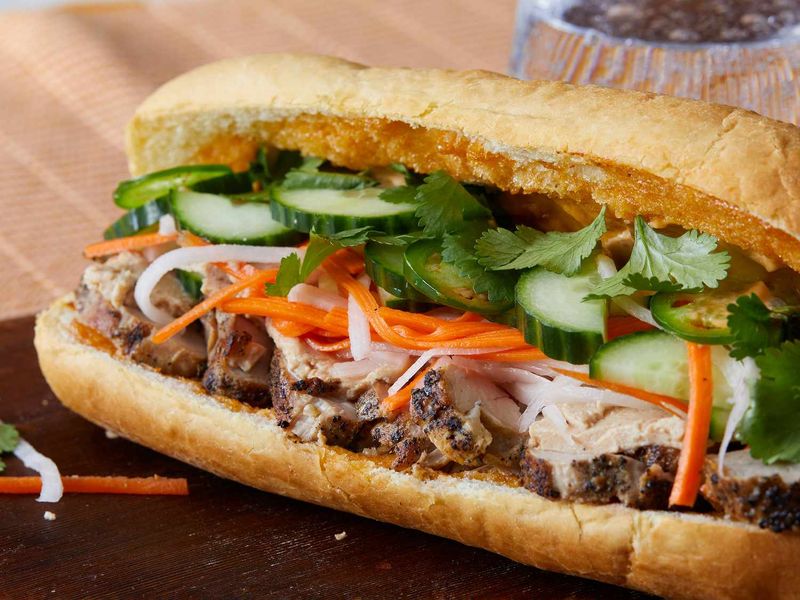
Vietnam's iconic sandwich combines French colonial influence with bold Vietnamese flavours in a crusty baguette that demands to be held. Packed with pate, grilled meats, pickled vegetables, fresh coriander, and chilli, every bite offers contrasting textures.
Street vendors wrap them in paper for easy eating whilst walking. The crunchy exterior shatters satisfyingly as you bite down, releasing a symphony of sweet, savoury, and spicy flavours.
10. Corn On The Cob (Widespread Global Tradition)
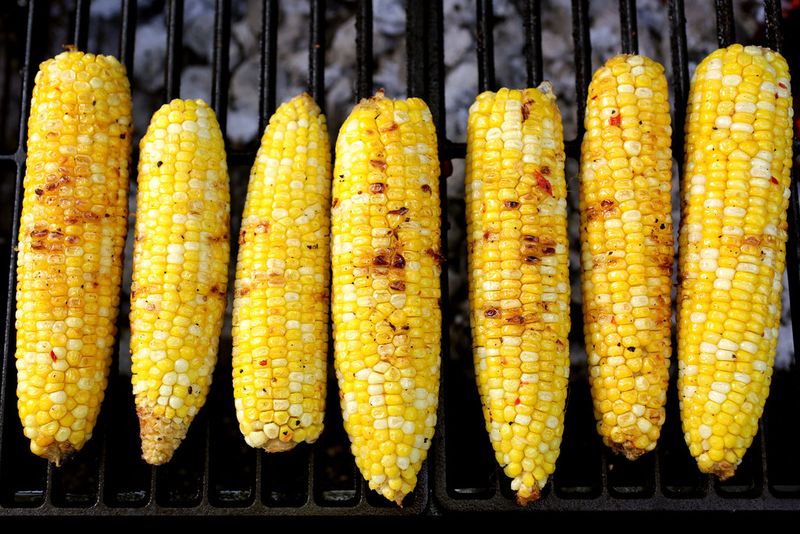
From summer barbecues in America to street carts in Mexico, eating corn on the cob by hand is a universal pleasure. Slathered with butter, sprinkled with salt, or coated in chilli and lime, it's messy, delicious, and utterly satisfying.
The act of rotating the cob while nibbling off sweet kernels connects us to agricultural traditions worldwide. No utensil can replicate this primal, joyful eating experience.
11. Samosas (India And East Africa)
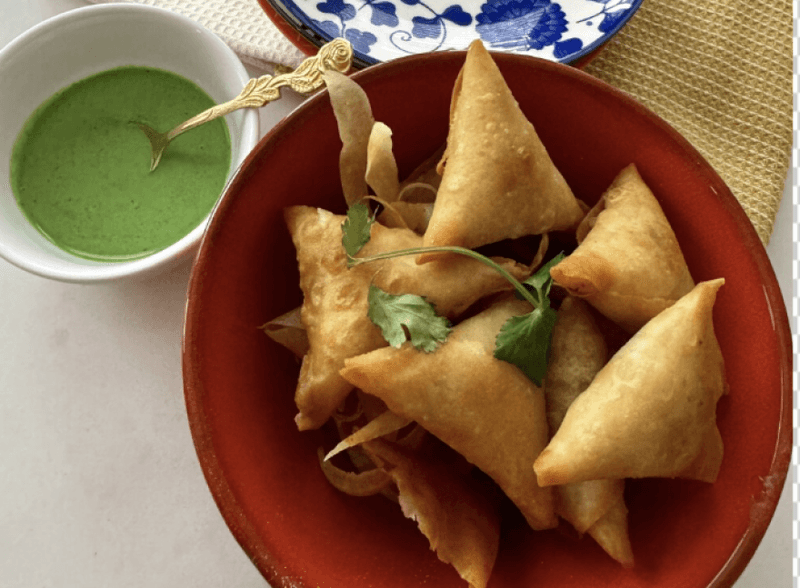
These crispy triangular pastries filled with spiced potatoes, peas, or meat are perfect finger food across India and East Africa. The flaky, golden exterior crunches satisfyingly when you bite down, revealing steaming hot filling inside.
Street vendors wrap them in newspaper for easy handling. Dipping samosas into tangy tamarind or mint chutney whilst they're still hot is an experience that requires no cutlery whatsoever.
12. Spring Rolls (Vietnam And China)
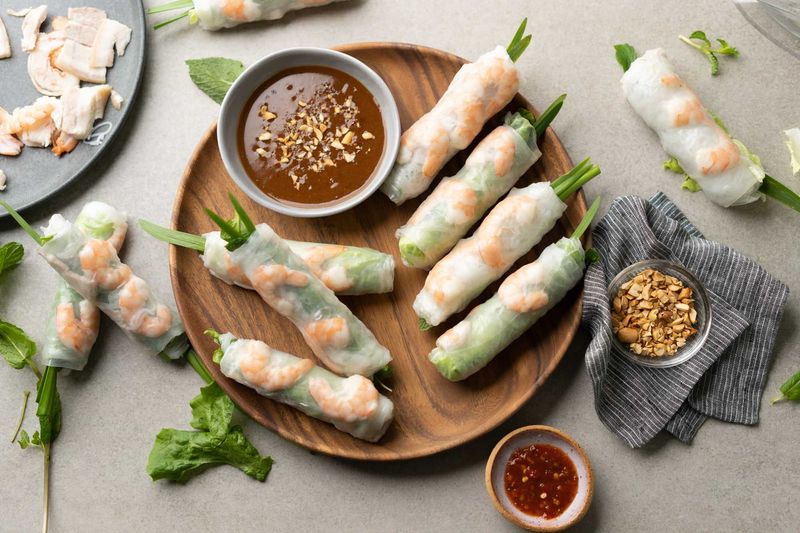
Whether you prefer Vietnamese fresh spring rolls wrapped in translucent rice paper or Chinese fried versions with crispy shells, both are meant to be picked up and enjoyed. Fresh rolls showcase colourful vegetables, herbs, and prawns through their see-through wrapper.
Dipping them in peanut sauce or sweet chilli adds another layer of flavour. Their compact, cylindrical shape makes them ideal handheld snacks or appetisers.
13. Pizza Slices (Italy And Worldwide)
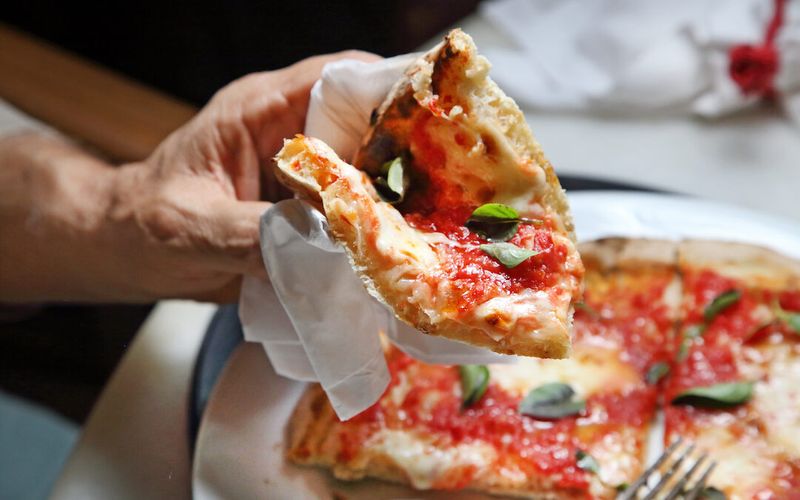
Whilst some cultures insist on knives and forks, true pizza lovers know that folding a slice and eating it by hand is the authentic way. New Yorkers perfected the fold technique to prevent toppings from sliding off whilst eating on the go.
In Naples, where pizza originated, locals fold their slices into quarters. The crust becomes a natural handle, and eating with your hands connects you to pizza's humble street food origins.
14. Empanadas (Latin America)
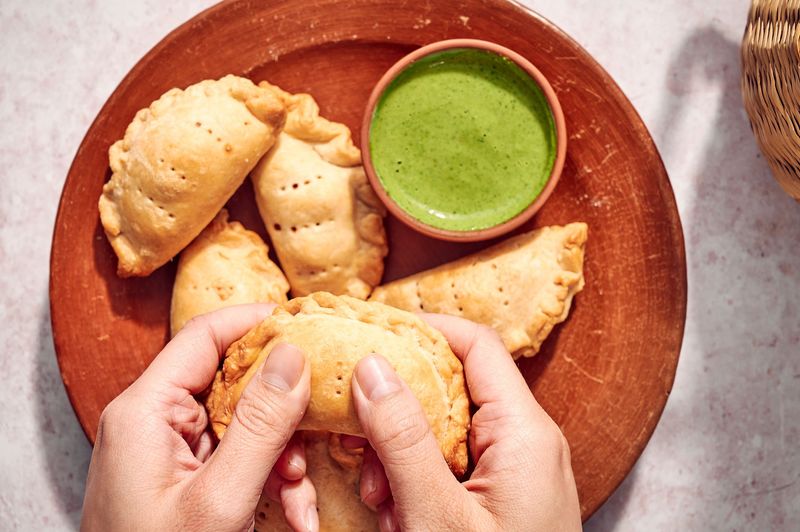
These stuffed pastries appear throughout Latin America in countless regional variations, from Argentina's beef-filled versions to Chilean seafood empanadas. The crimped half-moon shape fits perfectly in your palm, making them ideal portable meals.
Baked or fried, empanadas are designed to be eaten hot from street vendors or home kitchens. Their sturdy pastry shell contains the filling securely, requiring no plates or utensils.
15. Naan Bread With Tandoori Dishes (India And Pakistan)
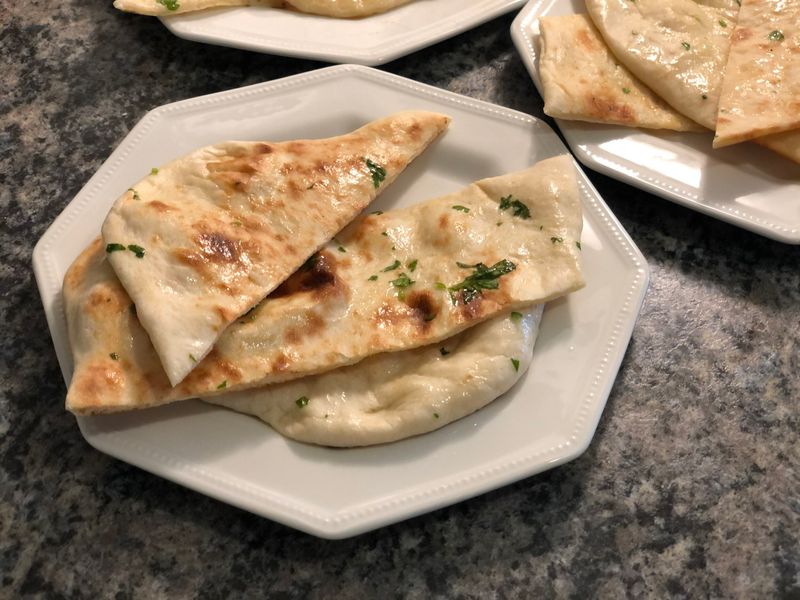
Fresh from the tandoor oven, naan bread arrives at your table with characteristic charred bubbles and a soft, chewy texture. Tearing off pieces to wrap around tandoori chicken or paneer is the traditional approach throughout India and Pakistan.
The bread's slight smokiness complements spicy, yoghurt-marinated meats beautifully. Using naan as your utensil means every last bit of sauce gets savoured, nothing wasted.