








Ever wondered what's missing from the dinner plates at Buckingham Palace? The British royal family follows strict dining protocols that might surprise you.
From certain pungent vegetables to specific preparation methods, these food restrictions help royals maintain their public image and follow traditional royal etiquette during official engagements.
This article is for general informational purposes only. Royal food preferences may vary by occasion or individual choice.
1. Onions
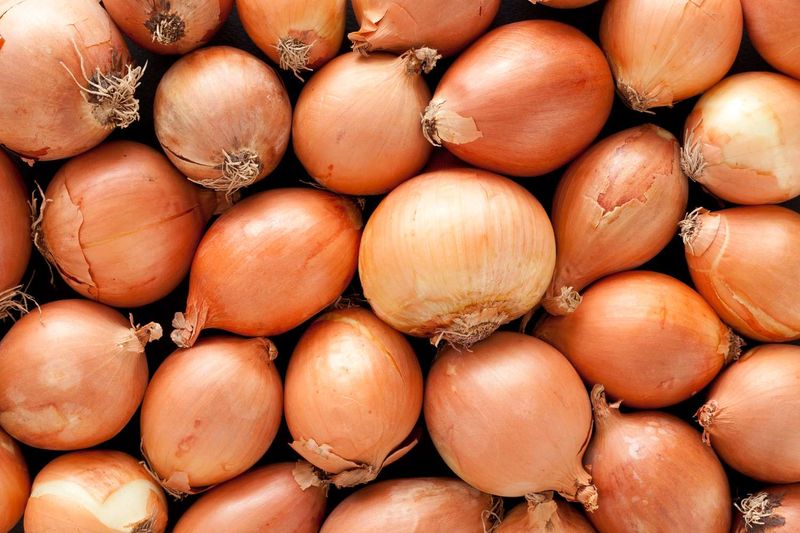
Onions aren’t entirely off the table, but their stronger forms are kept to a minimum in royal kitchens. Former chefs have explained that only very mild amounts are allowed in dishes, as the Queen disliked lingering onion flavours during public engagements.
The restriction was all about practicality - no one wanted the risk of overpowering aromas at a state banquet or meeting with dignitaries. By using onions sparingly, royal chefs could still build flavour without crossing the line.
2. Garlic
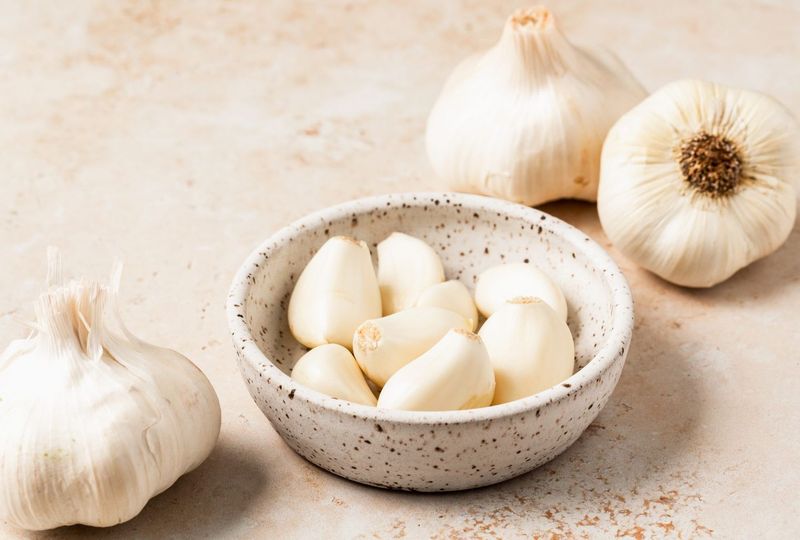
Similar to onions, garlic faces a royal veto primarily because of its potent smell. Former royal chef Darren McGrady confirmed this restriction in multiple interviews.
The ban makes diplomatic sense! Palace kitchens must create flavorful Mediterranean and international dishes without this staple ingredient.
3. Shellfish
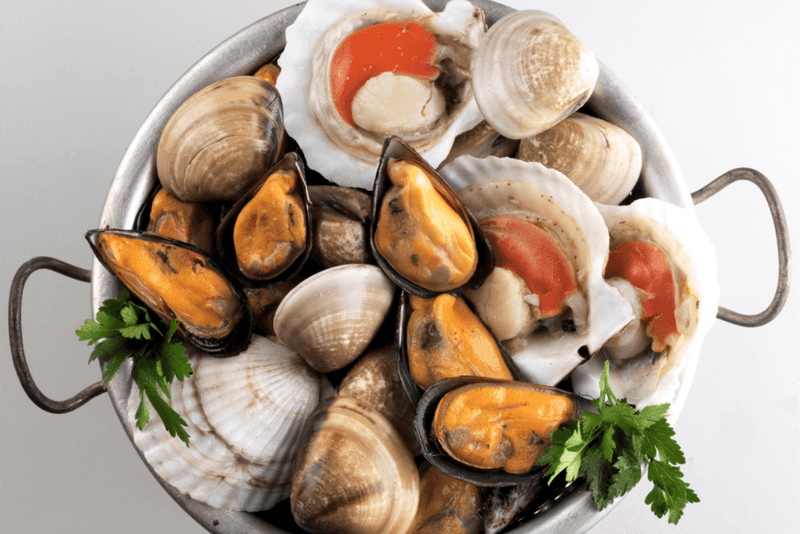
Shellfish is approached with caution rather than completely banned. The risk of food poisoning, especially when travelling abroad, means it’s often avoided to keep official schedules running smoothly.
Royals are generally advised to steer clear of oysters, prawns, and similar foods in formal settings.
4. Rare Meat
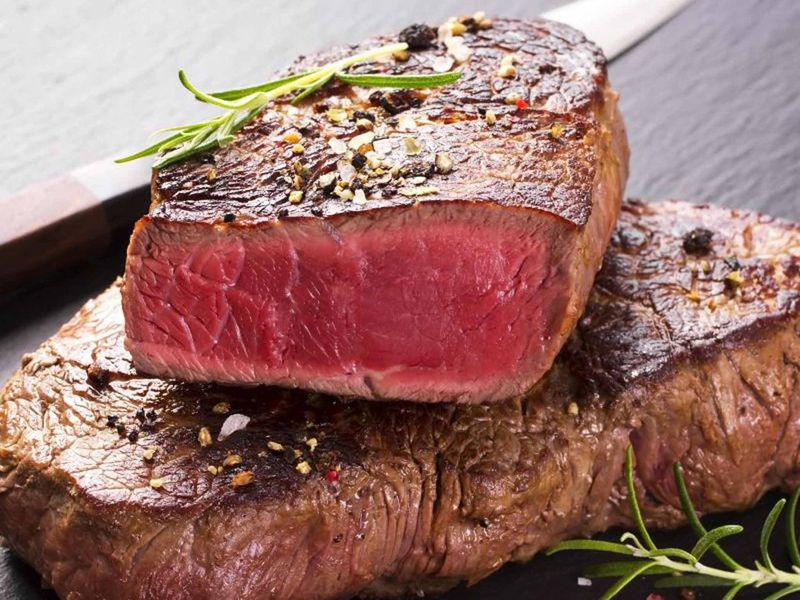
Royal protocol discourages undercooked meats, particularly during travel or public events. The late Queen Elizabeth II reportedly preferred her meat well-done.
This preference isn't just personal taste – it's another safeguard against potential foodborne illness. Royal chefs must balance food safety with culinary excellence, ensuring meats remain tender despite thorough cooking.
5. Foie Gras
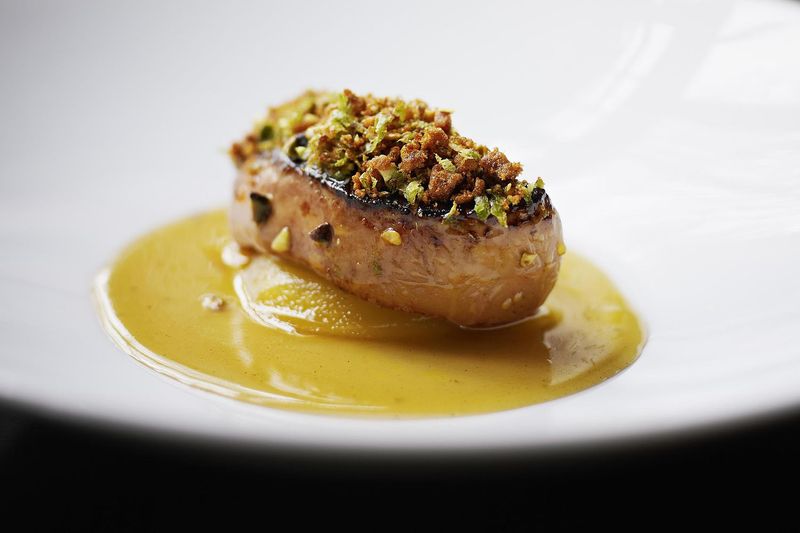
Prince Charles (now King Charles III) banned foie gras from royal residences in 2008 due to animal welfare concerns over force-feeding practices used in its production.
This royal stance reflects evolving ethical considerations within the monarchy. The ban applies to all royal residences and official functions, showing how personal values can influence royal dining policies.
6. Potatoes
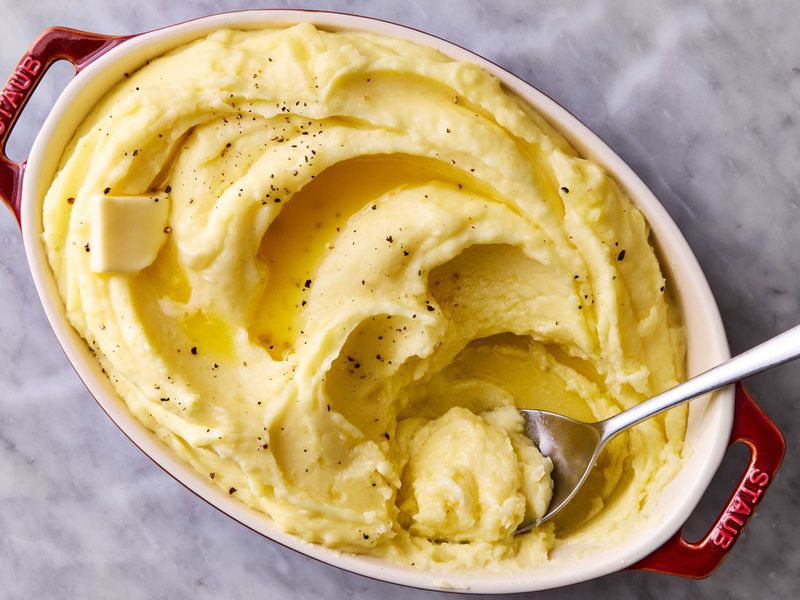
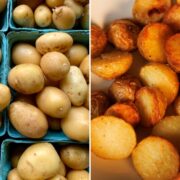
Potatoes aren’t completely off the royal menu, but they’re not usually the star at formal banquets. Lighter vegetables with vibrant colours are often favoured because they look elegant on the plate and photograph beautifully.
That doesn’t mean potatoes are absent altogether - they just tend to appear in refined forms rather than piled high as a hearty side.