








Once upon a time, some of the foods we now think of as everyday staples were reserved for the wealthy.
From rare spices to imported treats, these ingredients once symbolised luxury and status.
Today, they’re part of the weekly shop - a tasty reminder of how much our tables have changed over time.
All information is provided for general interest only. Availability, prices, and product details may vary.
1. Sugar
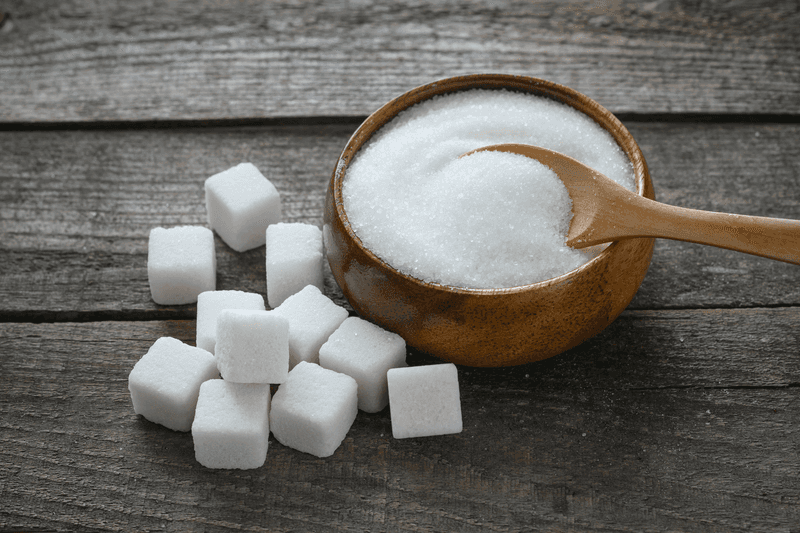
Once nicknamed "white gold," sugar was so valuable that only kings and nobles could sweeten their meals.
Extracted from sugarcane in faraway tropical lands, it travelled thousands of miles before reaching European tables, making it incredibly expensive.
During the 18th and 19th centuries, Caribbean plantations ramped up production, and new refining techniques made sugar cheaper to process.
Today, sugar sits in nearly every kitchen cupboard, transforming from an elite indulgence into an everyday ingredient we barely think twice about using.
2. Chocolate / Cocoa
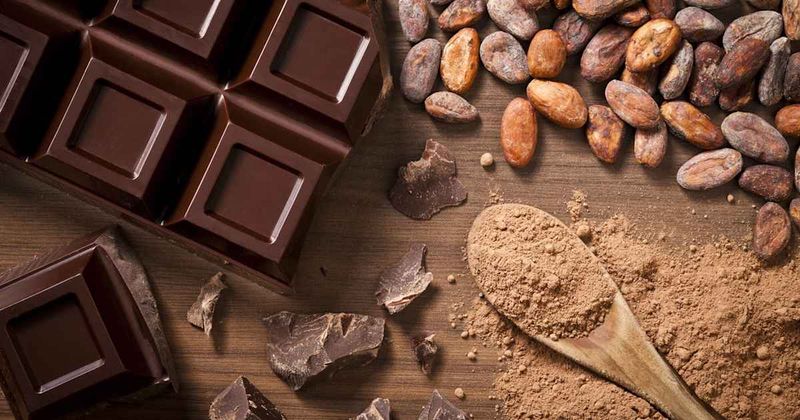
Aztec emperors sipped bitter cocoa drinks as a sacred ritual, treating cacao beans like currency.
When chocolate reached Europe in the 1500s, it remained a pricey pleasure enjoyed mostly by aristocrats who could afford imported beans.
The Industrial Revolution changed everything.
Machinery allowed mass production of chocolate bars, and cocoa farms expanded across Africa and South America.
Now, chocolate is a supermarket staple, beloved by kids and adults alike, available in countless forms and flavours.
3. Coffee
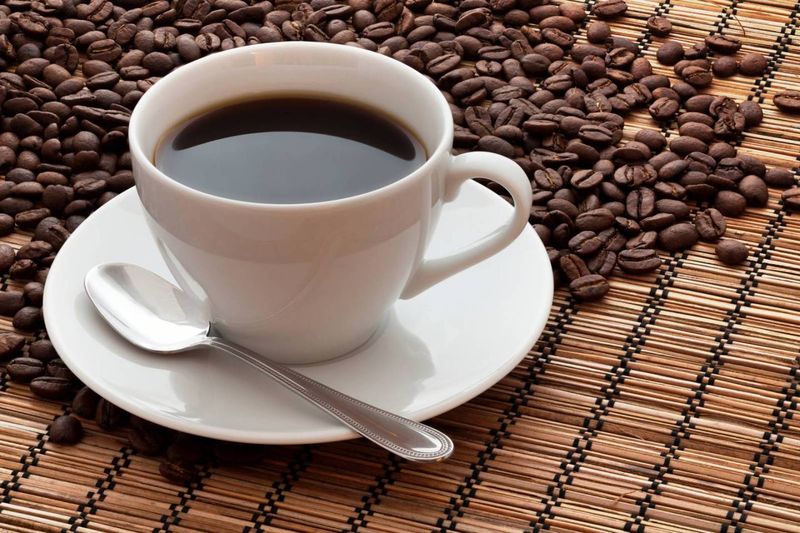
Coffee started its journey in Ethiopian highlands before becoming the drink of choice in Arabian coffeehouses.
When it arrived in Europe during the 17th century, only the upper classes could afford this exotic, energising brew that cost a small fortune.
Colonial plantations in South America and Asia eventually flooded the market with beans, and roasting technology improved dramatically.
Today, coffee fuels millions of mornings worldwide, transformed from an elite luxury into an affordable daily ritual we can't imagine living without.
4. Tea

For centuries, tea was China's closely guarded secret, with dried leaves costing more per pound than most people earned in months.
British aristocrats hosted elaborate tea parties to show off their wealth, as importing tea from Asia was incredibly costly and risky.
By the 1800s, British colonists established massive tea plantations in India and Ceylon (now Sri Lanka), dramatically increasing supply.
Mass production and faster shipping routes made tea affordable for working-class families, turning Britain into a nation of tea lovers.
5. Potatoes
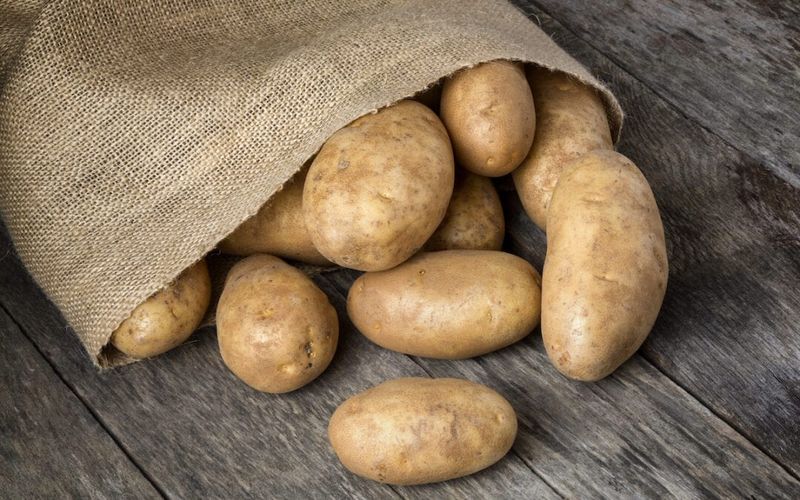
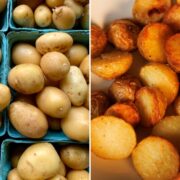
Hard to imagine now, but potatoes were once exotic imports from South America that Europeans viewed with suspicion and curiosity.
In the 1600s and 1700s, only wealthy landowners experimented with growing these strange tubers, which were considered novel and somewhat risky to eat.
Irish and Scottish farmers discovered potatoes grew brilliantly in poor soil and wet climates, producing massive yields.
Soon, potatoes became the ultimate affordable food, feeding entire populations and transforming from a curiosity into a dietary cornerstone across Europe.
6. Tomatoes
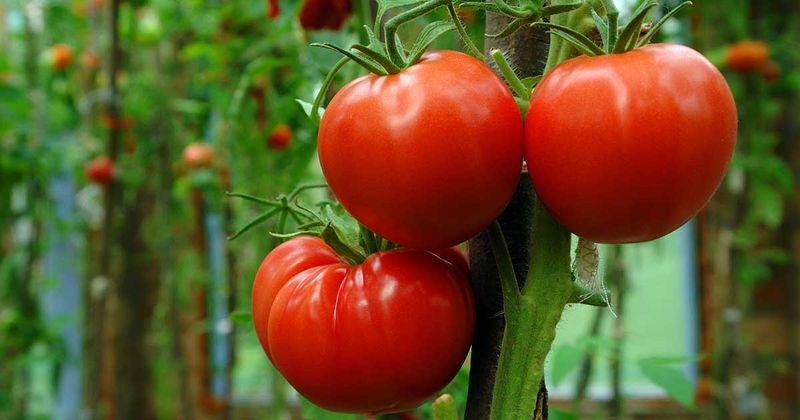
Believe it or not, Europeans once feared tomatoes as poisonous!
When Spanish explorers brought them back from the Americas in the 1500s, tomatoes were grown purely as ornamental plants in wealthy gardens, not for eating.
It took centuries before people realised tomatoes were safe and delicious.
Italian farmers championed their cultivation, and soon tomatoes spread throughout Europe and beyond.
Now they're one of the world's most popular vegetables (technically fruits!), found in everything from pasta sauces to salads, ridiculously cheap and universally loved.
7. Maize (Corn)
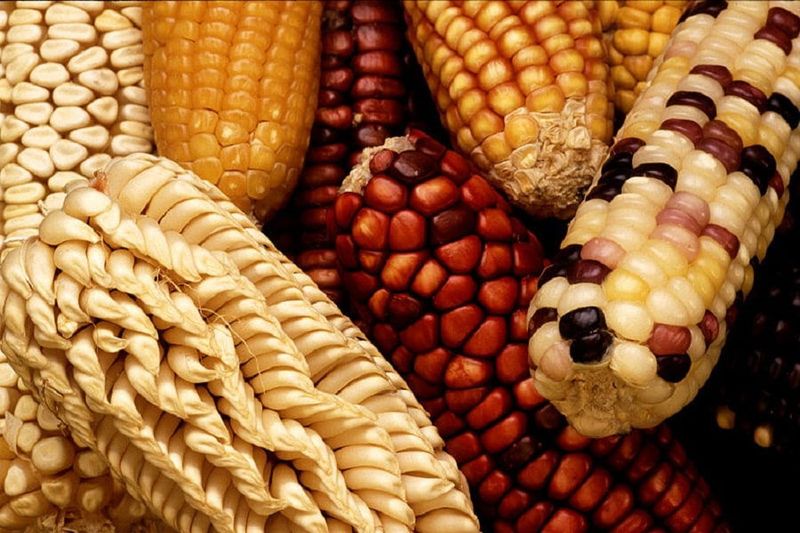
Maize originated with indigenous American civilisations who carefully cultivated it over thousands of years.
When European colonisers encountered corn, they initially struggled to grow it properly, making it a rare and expensive commodity back home in the Old World.
Eventually, farmers mastered maize cultivation, and it spread globally to Africa, Asia, and beyond.
Today, corn is one of Earth's most abundant crops, feeding both humans and livestock.
It's transformed into countless affordable products, from cornflakes to tortillas, making it truly indispensable.
8. Sweet Potatoes / Cassava
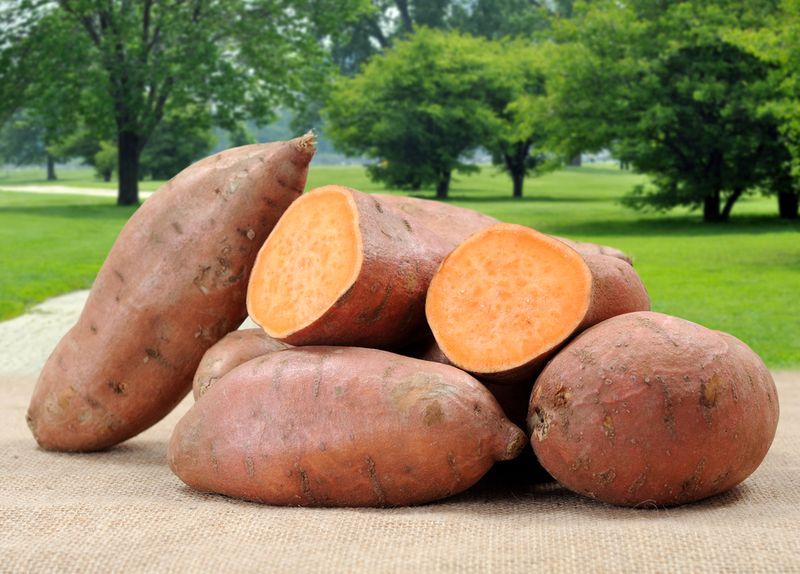
Sweet potatoes and cassava were treasured crops in their native regions - the Americas and Africa respectively - but remained unknown luxuries elsewhere for centuries.
Transporting these perishable root vegetables across oceans was difficult and expensive, limiting their availability to adventurous wealthy merchants and explorers.
As global trade expanded and farming techniques improved, both crops spread worldwide.
Today, they're affordable staples feeding billions, especially in tropical regions.
Sweet potatoes have even become trendy superfoods in Western countries, whilst cassava provides essential calories across Africa and Asia.
9. Maize-based Foods / Staples
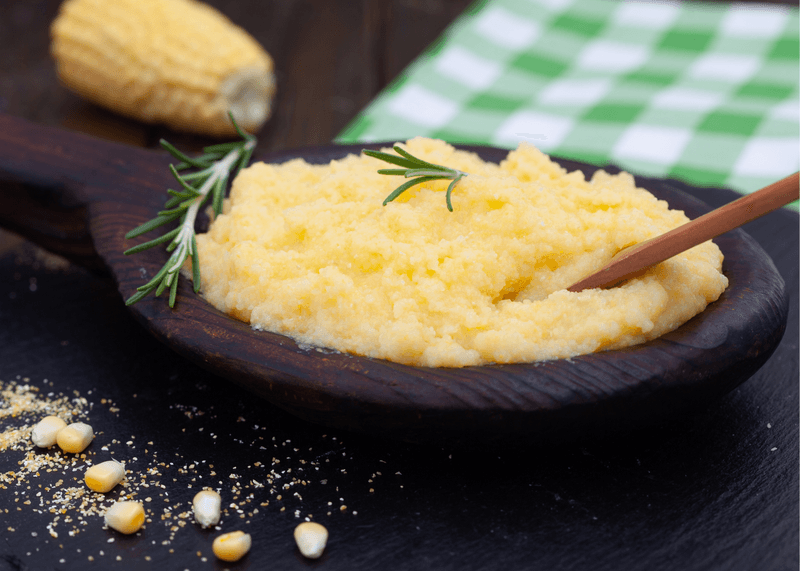
Products made from maize - like polenta, cornmeal, and tortillas - were once regional specialities that rarely travelled far from where corn grew.
In Europe, polenta was initially a food for the wealthy who could afford imported corn, whilst tortillas remained uniquely Mexican for centuries.
Industrialisation changed everything.
Mills could process corn into various products cheaply and efficiently, and global trade made maize universally available.
Now, maize-based foods are pantry essentials worldwide, from breakfast cereals to baking ingredients, accessible to everyone regardless of income or location.