







Food has often been a marker of status, and in the past some ingredients were so scarce and costly that only the wealthy could enjoy them. From lavish palace feasts to exclusive banquets, these items were once reserved for a privileged few.
Today many of those former luxuries can be picked up in British shops or enjoyed in restaurants, making them far more accessible than they once were.
This article is for general information only. Taste, appearance, and availability of foods may vary, and photos are for illustrative purposes.
1. Venison
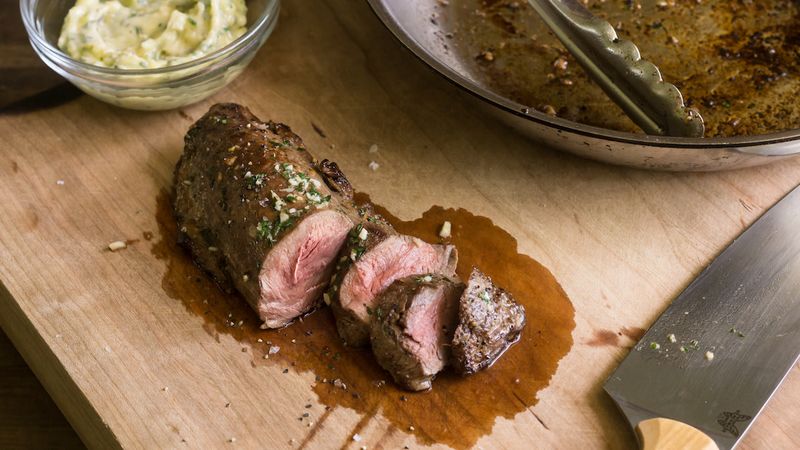
Imagine being thrown in prison simply for hunting a deer. Back in medieval Britain, all wild deer belonged to the Crown, and poaching one could land you in serious trouble.
Venison graced royal tables for centuries whilst commoners could only dream of tasting this gamey meat. Norman kings established strict forest laws, making deer hunting a royal privilege reserved for nobility and their guests.
Now you can pick up venison steaks from Waitrose or your local butcher, though it still carries that posh reputation from its regal past.
2. Lobster
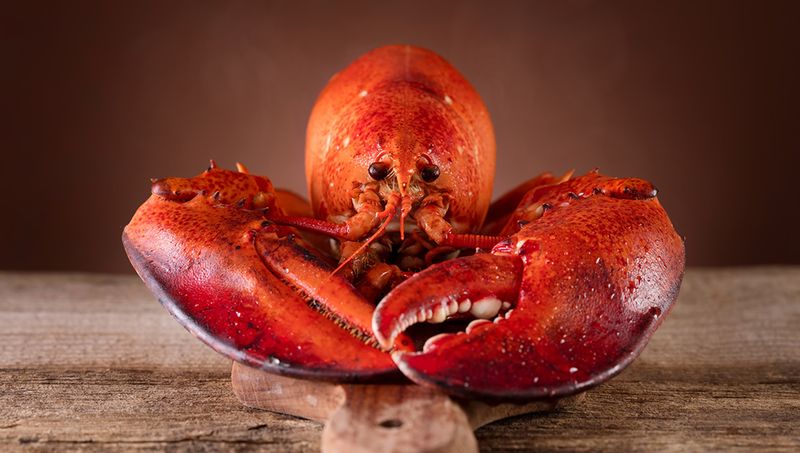
Hard to believe, but lobsters were once considered the cockroaches of the sea. These sea creatures were so abundant along British coasts that they were fed to prisoners and servants.
Everything changed during the Victorian era when clever marketing transformed lobster into a luxury item. Railway companies began serving it to wealthy passengers, and suddenly everyone wanted a taste of this 'exotic' seafood.
Today, lobster thermidor remains a posh restaurant staple, though you can grab frozen lobster tails from most supermarkets for a fraction of historical prices.
3. Chocolate
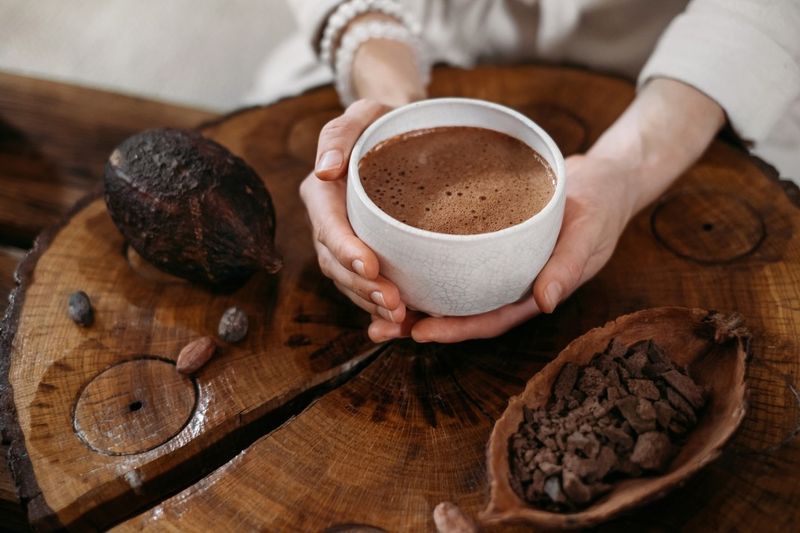
Before Cadbury's conquered our sweet tooth, chocolate was liquid gold reserved for European royalty. The Aztecs treasured cacao beans so much they used them as currency.
When Spanish conquistadors brought chocolate to Europe, it became an exclusive drink for aristocrats. Only the wealthy could afford this bitter, exotic beverage that was often mixed with expensive spices and served in ornate cups.
The industrial revolution changed everything, making chocolate affordable for everyone. Now we take our Dairy Milk for granted, but it once symbolised ultimate luxury and sophistication.
4. Caviar
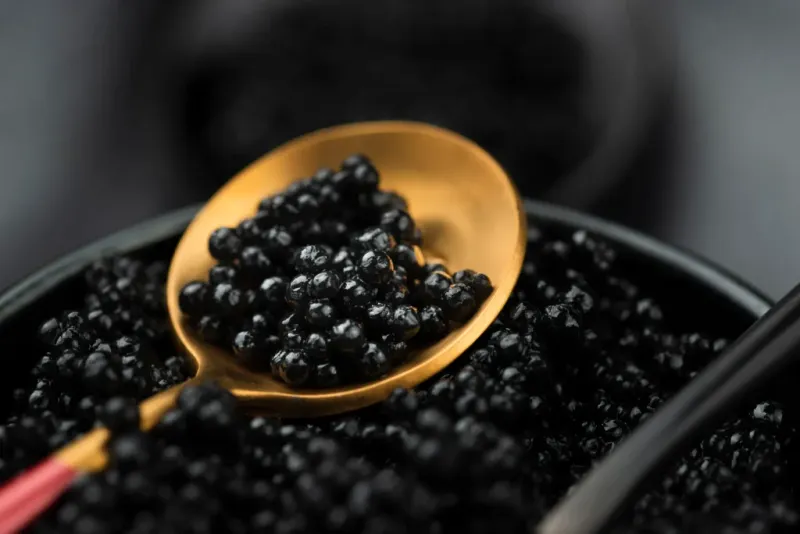
These tiny black pearls from sturgeon fish have always screamed luxury, and for good reason. Russian tsars monopolised the finest caviar, making it a symbol of imperial wealth and power.
Beluga caviar, the most prized variety, takes decades to mature, explaining why it costs more than gold per ounce. Only royal courts could justify such extravagant spending on fish eggs that melted on the tongue.
Whilst proper caviar still costs a fortune, you can find more affordable alternatives in British supermarkets, letting ordinary folk experience this once-forbidden royal treat.
5. Foie Gras
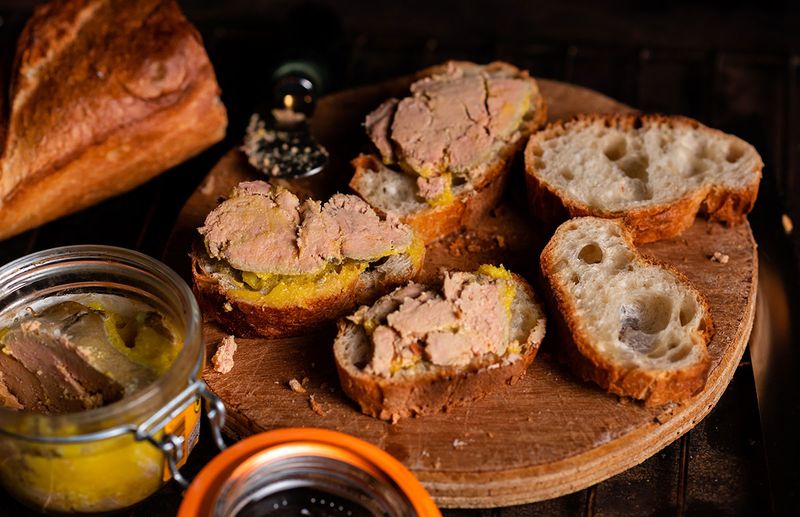
French aristocrats developed quite a taste for this controversial delicacy made from duck or goose liver. The production process, involving force-feeding birds, made it incredibly expensive and exclusive to noble households.
Royal chefs prized foie gras for its buttery texture and rich flavour, serving it at the most important state banquets. Only the wealthiest families could afford both the birds and the lengthy preparation process required.
Though ethically debated today, foie gras remains available in select British restaurants and specialty food shops, maintaining its reputation as an aristocratic indulgence with a hefty price tag.
6. Truffles
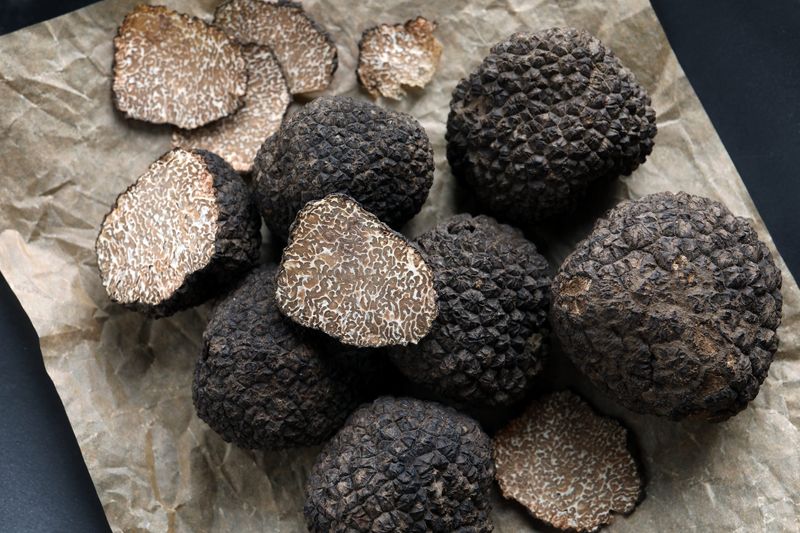
Sniffing out these underground fungi requires specially trained pigs or dogs, which explains why truffles have always been ridiculously expensive. European nobility treated them like edible diamonds, shaving tiny amounts over pasta and risotto.
French and Italian aristocrats jealously guarded their truffle hunting grounds, passing down secret locations through generations. The earthy, intense flavour became synonymous with sophisticated palates and deep pockets.
Modern truffle hunting continues this exclusive tradition, with white truffles selling for thousands per kilogram. Fortunately, truffle oil and paste offer us mere mortals a taste of royal luxury.
7. White Asparagus
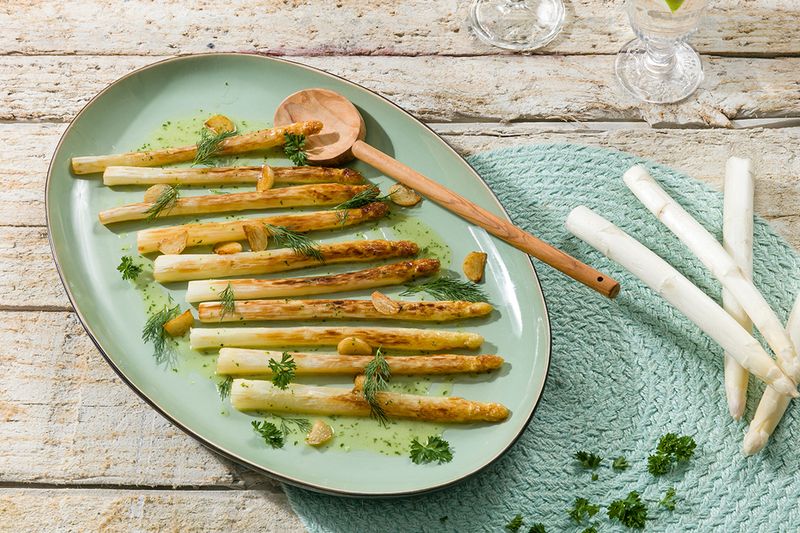
Known as 'white gold' in royal European courts, white asparagus required incredibly labour-intensive cultivation methods. Gardeners buried the spears under mounds of soil, preventing photosynthesis and creating that prized pale colour.
German and French nobility particularly fancied this delicate vegetable, which had a milder flavour than its green cousin. The complicated growing process and short season made white asparagus a true luxury that only wealthy households could afford.
Today, you might spot white asparagus in upmarket British grocers during spring, though it still commands premium prices reflecting its aristocratic heritage and demanding cultivation requirements.
8. Wagyu Beef
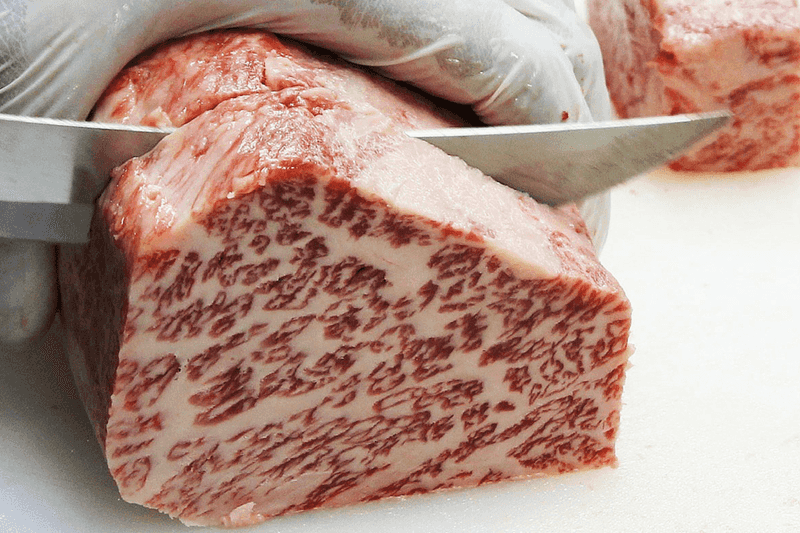
Japanese emperors kept this marbled beef strictly within their borders for centuries, making it the ultimate forbidden fruit for Western palates. These pampered cattle received massages and beer, creating meat so tender it practically melted.
Only Japanese nobility could experience Wagyu's incredible marbling and buttery texture. The secretive breeding techniques and royal protection meant the rest of the world remained completely unaware of this culinary treasure.
Now available in select British restaurants and specialist butchers, Wagyu still commands royal prices, with genuine cuts costing hundreds of pounds per kilogram for this once-imperial Japanese delicacy.
9. Saffron
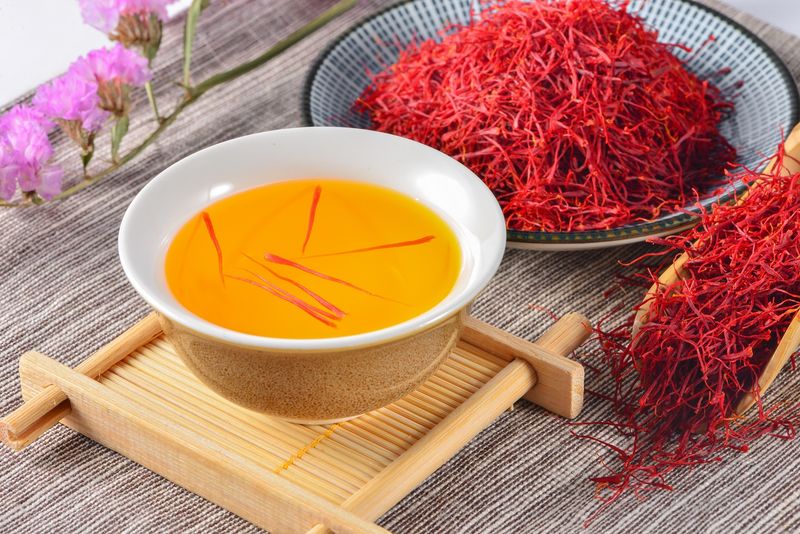
Worth more than gold by weight, saffron threads come from crocus flowers that bloom just once yearly. Each flower produces only three stigmas, requiring 150 flowers to yield a single gram of this precious spice.
Persian kings and European monarchs treasured saffron for its golden colour and distinctive flavour. Royal kitchens used it sparingly in special dishes, as even wealthy nobles had to budget carefully for this incredibly expensive ingredient.
British supermarkets now stock small containers of saffron, though prices still reflect its labour-intensive harvesting process and the royal legacy of this 'red gold' spice.
10. Gold Leaf
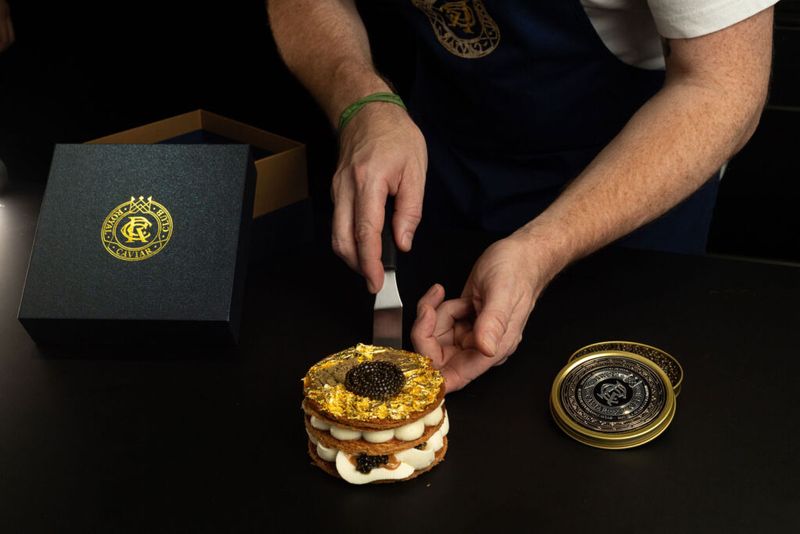
Literally eating money, edible gold leaf adorned the most extravagant royal desserts and ceremonial dishes. Byzantine emperors and European monarchs used these paper-thin sheets to demonstrate their incredible wealth and power.
Royal pastry chefs applied gold leaf to cakes, chocolates, and even wine, creating dishes that cost fortunes purely for visual impact. The gold provided no flavour but sent a clear message about the host's unlimited resources.
Surprisingly, you can now buy edible gold leaf from British baking suppliers and fancy food shops, letting home cooks add a touch of royal extravagance to their dinner parties.