







British food has changed a great deal over the years, and many dishes that were once everyday staples have now slipped away. A walk through the supermarket shows how much our tastes have moved on, with foods once common on family tables now hard to find.
From wartime necessities to quirky delicacies enjoyed by past generations, these forgotten favourites reveal just how much our eating habits have evolved.
This article is for general information only. Some foods mentioned are historic and may no longer be widely available. Taste, appearance, and availability may vary, and photos are for illustrative purposes.
1. Spam Fritters
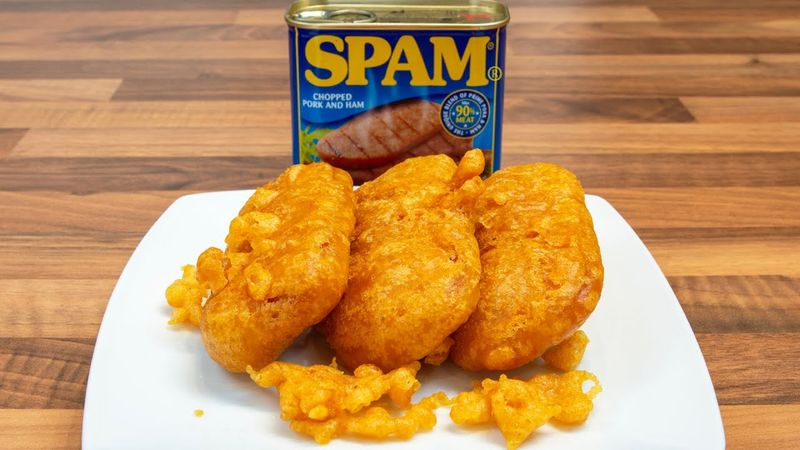
Picture this: golden battered rectangles sizzling away in chip shop fryers, filling the air with that unmistakable processed meat aroma. Spam fritters were the budget-friendly hero of British takeaways throughout the 70s and 80s.
Crispy on the outside, mysteriously pink within, they satisfied hungry families when money was tight. Today's health-conscious diners have largely abandoned this deep-fried delight, though some northern chippies still serve them to nostalgic customers craving a proper throwback meal.
2. Potted Meat
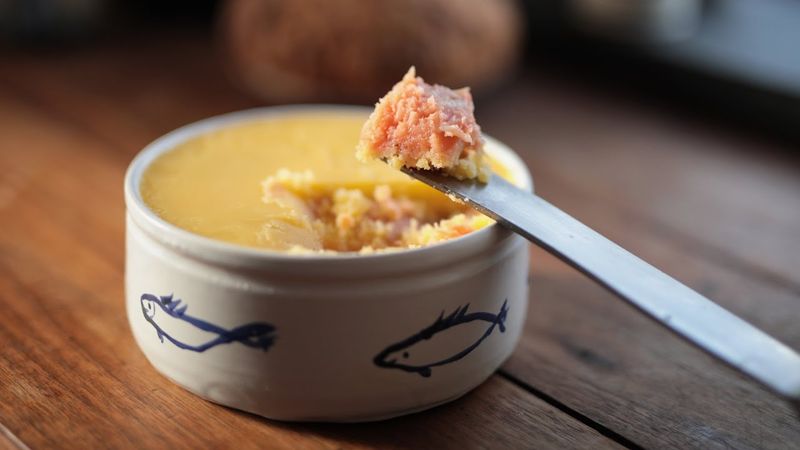
Long before fancy pâtés became trendy, British households relied on potted meat as their go-to sandwich filler. This mysterious paste, sealed beneath a protective layer of butter, could survive weeks without refrigeration.
Made from whatever meat scraps were available, it provided protein when fresh options weren't accessible. Modern food safety standards and changing tastes have pushed this once-essential pantry staple into obscurity, though some traditional delicatessens still prepare homemade versions for adventurous customers.
3. Tapioca Pudding
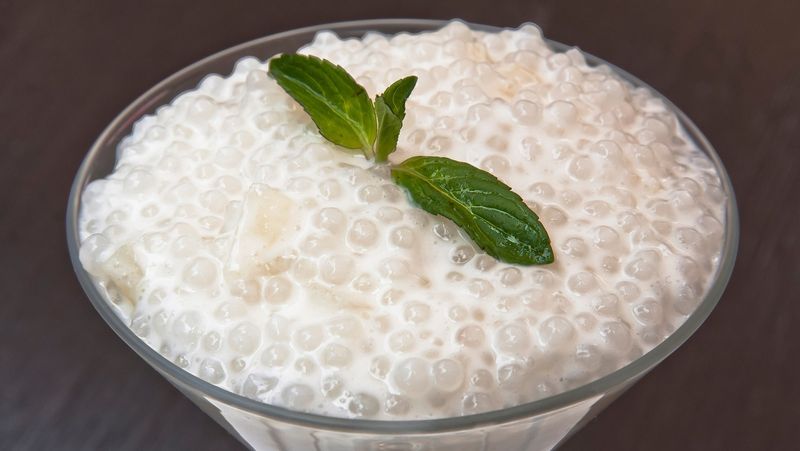
School dinner halls across Britain once echoed with children's squeals of disgust at the sight of tapioca pudding. Those translucent pearls swimming in sweet milk earned the charming nickname "frogspawn" from generations of pupils.
Despite its unfortunate appearance, many actually enjoyed its creamy texture and vanilla flavour. Modern school menus have ditched this polarising dessert in favour of more appealing options, leaving tapioca as nothing more than a shared memory of institutional dining experiences.
4. Sago Pudding
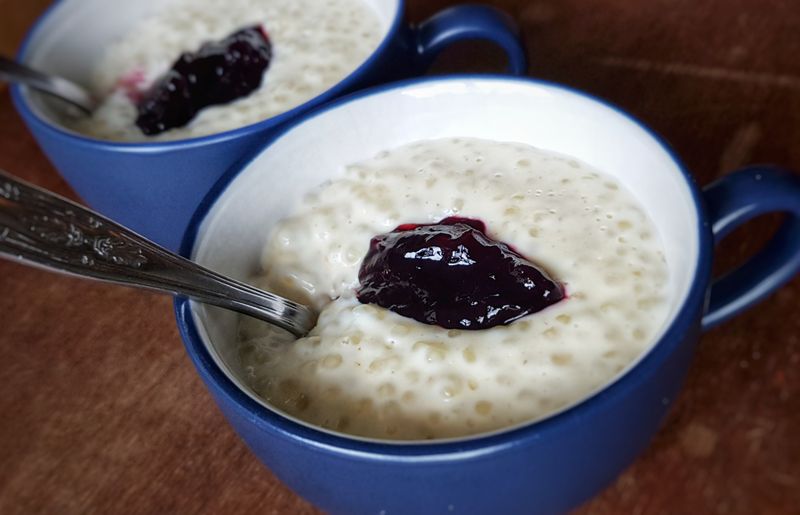
Before rice pudding dominated British dessert menus, sago held court as the starchy sweet treat of choice. Extracted from palm trees, these tiny white spheres created a comforting pudding when simmered with milk and sugar.
Victorian households considered sago particularly suitable for invalids and children, believing it aided digestion. Unlike its cousin tapioca, sago never quite recovered from its association with bland institutional food, gradually disappearing from British tables as more exciting dessert options became readily available in supermarkets.
5. Blancmange
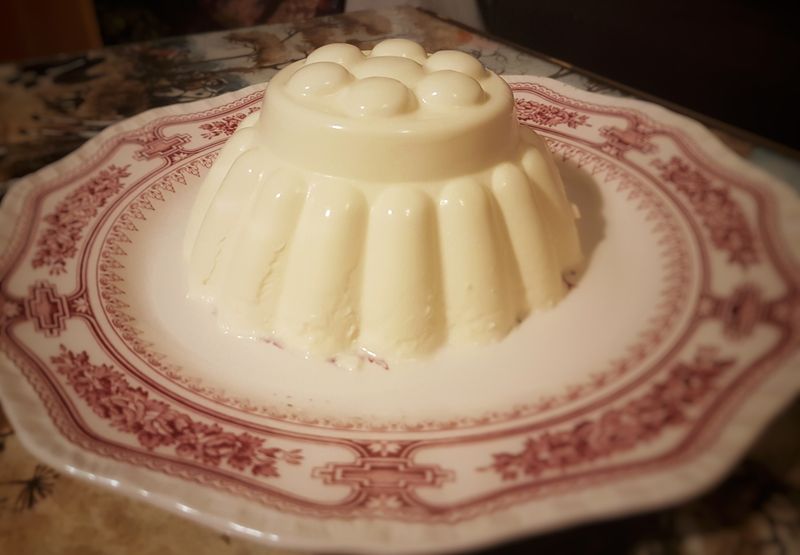
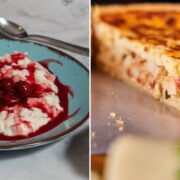
Wobbly, pale, and decidedly old-fashioned, blancmange once graced every respectable British dinner party. This almond-flavoured dessert, set with gelatine and moulded into elaborate shapes, represented culinary sophistication in the post-war era.
Housewives took pride in creating perfect dome-shaped blancmanges, often decorated with fruit or nuts. Ready-made desserts and changing tastes eventually relegated this elegant pudding to history books, though some traditional cooks still prepare it for special occasions, keeping the wobbly tradition alive.
6. Tripe And Onions
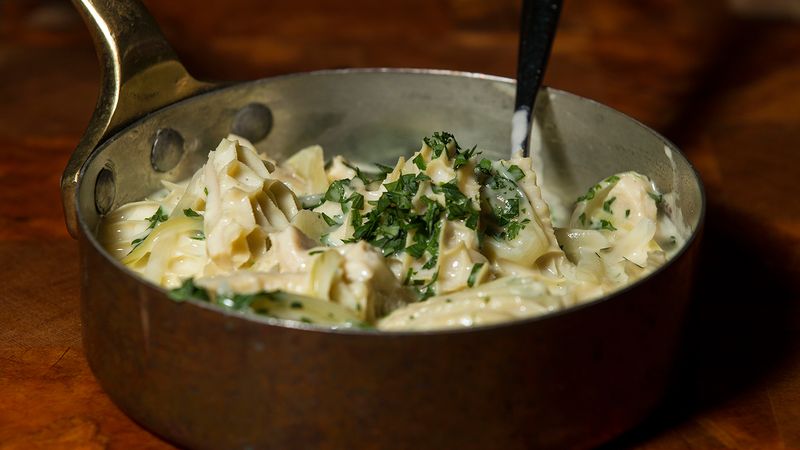
Saturday night in working-class Britain once meant the distinctive aroma of tripe and onions wafting from kitchen windows. This cow's stomach lining, slow-cooked with onions in creamy sauce, provided an affordable protein source for large families.
Northern England particularly embraced this chewy delicacy, with specialist tripe shops dotting high streets. Modern squeamishness about organ meats, combined with increased prosperity and food choices, has virtually eliminated tripe from British plates, surviving only in the most traditional establishments.
7. Brawn
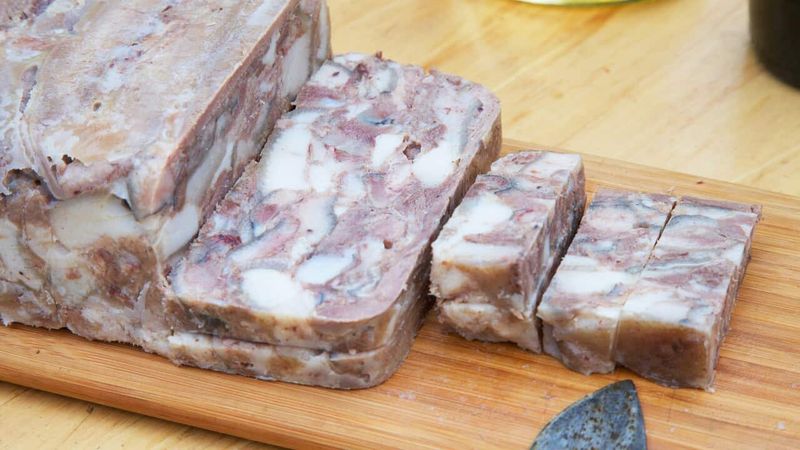
Nothing says "waste not, want not" quite like brawn, that jellied meat concoction made from pig's head and trotters. Victorian thriftiness elevated this necessity into something resembling a delicacy, served sliced at cold buffets.
Butchers would simmer the gelatinous bits until they formed a natural aspic, creating an economical way to use every part of the animal. Today's convenience culture and squeamishness about recognisable animal parts has pushed brawn into near-extinction, surviving mainly in traditional charcuteries and farmers' markets.
8. Ambrosia Salad
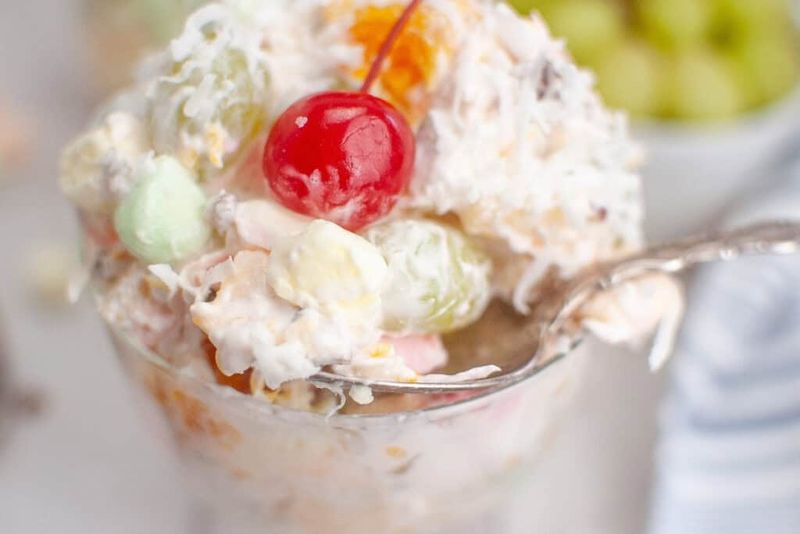
Sweet, sticky, and undeniably artificial, ambrosia salad somehow found its way from American church suppers to British dinner tables during the 1960s. This curious mixture of tinned fruit, marshmallows, and whipped cream represented exotic sophistication to post-rationing households.
Hostesses proudly served this colourful concoction at dinner parties, believing it demonstrated worldly culinary knowledge. As British palates became more sophisticated and authentic international cuisine became accessible, this sugary amalgamation quietly disappeared from respectable menus, remembered only with bemused nostalgia.
9. Cow's Udder
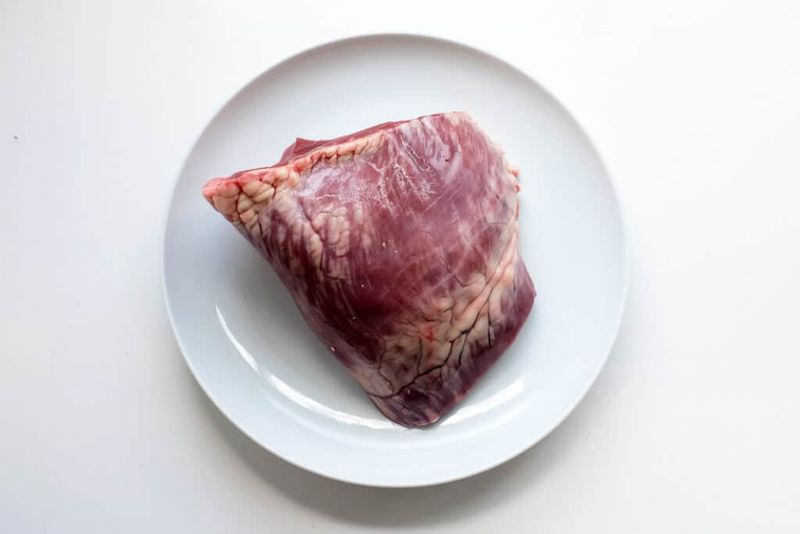
Before modern sensibilities took hold, cow's udder appeared regularly on British tables, particularly in rural communities where nothing edible went to waste. Prepared similarly to other organ meats, it provided valuable protein when money was scarce.
Country folk knew exactly how to prepare this unusual cut, often braising it slowly until tender. Urban migration and changing attitudes towards organ consumption gradually pushed udder off menus entirely, making it virtually impossible to find even in the most traditional establishments today.
10. Turtle Soup
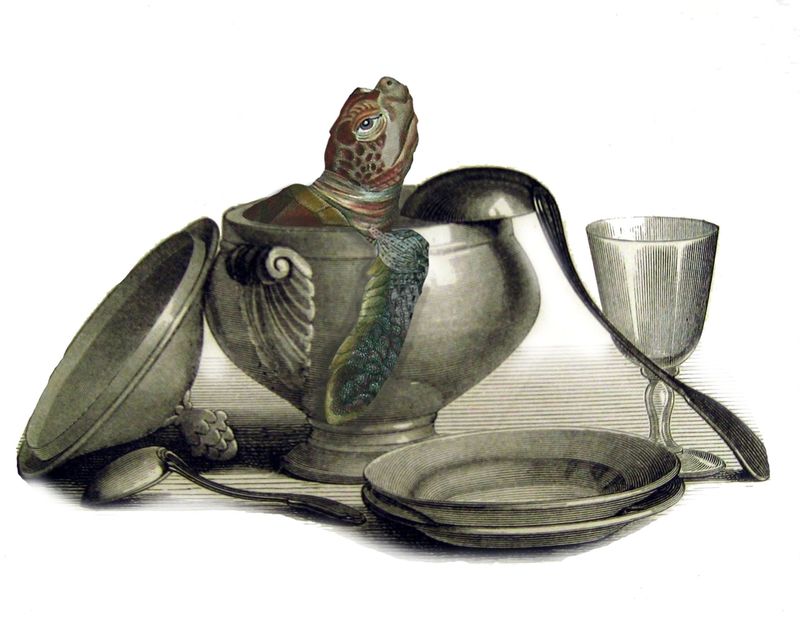
Once the ultimate symbol of Victorian luxury dining, turtle soup graced the finest tables across Britain's upper echelons. Imported green turtles from the Caribbean created this expensive delicacy, served at banquets and exclusive gentlemen's clubs.
Wealthy households employed specialist cooks who knew the complex preparation techniques required. Conservation concerns and changing attitudes towards exotic animal consumption eventually eliminated turtle soup from even the most traditional establishments, though mock turtle soup using calf's head lingered slightly longer before also disappearing completely.
11. Gelatin Salads
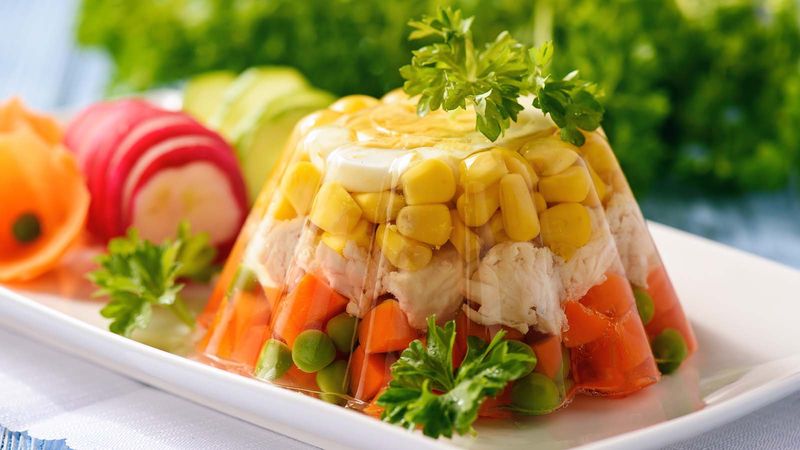
Shimmering, colourful, and decidedly retro, gelatin salads once dominated British buffet tables during the swinging sixties. These wobbly creations combined savoury ingredients like vegetables, meat, or seafood suspended in flavoured aspic.
Ambitious hostesses competed to create the most elaborate moulded masterpieces, viewing them as the height of modern entertaining. As tastes shifted towards fresher, less processed foods, these artificial-looking concoctions fell dramatically from favour, surviving only as curiosities in vintage cookbooks and nostalgic food blogs celebrating culinary disasters.