










Some foods behave in wonderfully unexpected ways once they have had time to chill.
A bite straight from the fridge can suddenly feel sharper, creamier, firmer, or even more intense than the same dish served warm.
Temperature changes how aromas are released, how fats set, and how textures register on the tongue, which explains why leftovers and chilled treats often taste like entirely new creations.
These ten foods show just how dramatic the transformation can be when the temperature drops, turning familiar favourites into surprisingly different eating experiences.
This article is for general information only.
Taste, texture, and enjoyment can vary between individuals, ingredients, and storage conditions.
Always follow food safety guidance when storing and reheating chilled foods.
Photos are for illustrative purposes only.
1. Roast Chicken
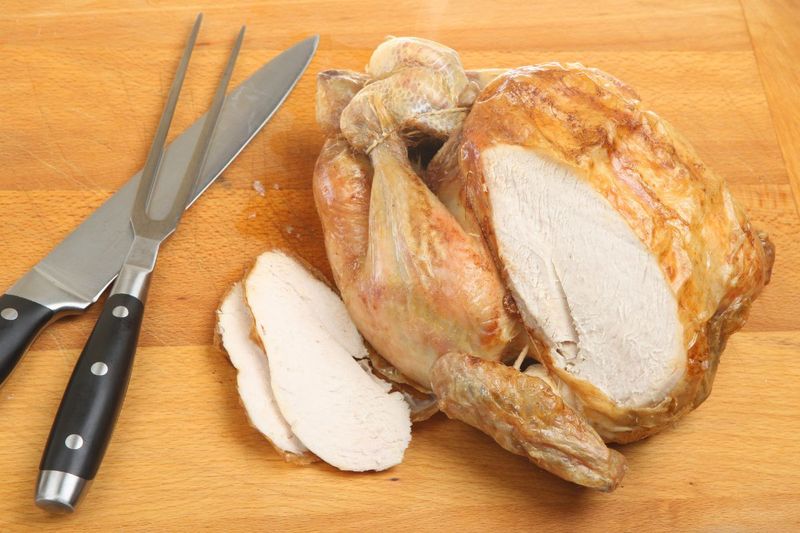
Roast chicken straight from the fridge is a revelation you didn't know you needed.
The meat becomes denser and more flavourful as it cools, with the juices settling back into the fibres for a moist, tender bite.
Cold chicken is easier to carve into neat slices, perfect for sandwiches or salads, and the skin retains a pleasant chewiness rather than going soggy.
There's something incredibly satisfying about picking at cold roast chicken with your fingers – it feels indulgent and comforting all at once.
Plus, the herbs and seasonings taste more pronounced when chilled, giving each bite extra depth.
2. Pizza
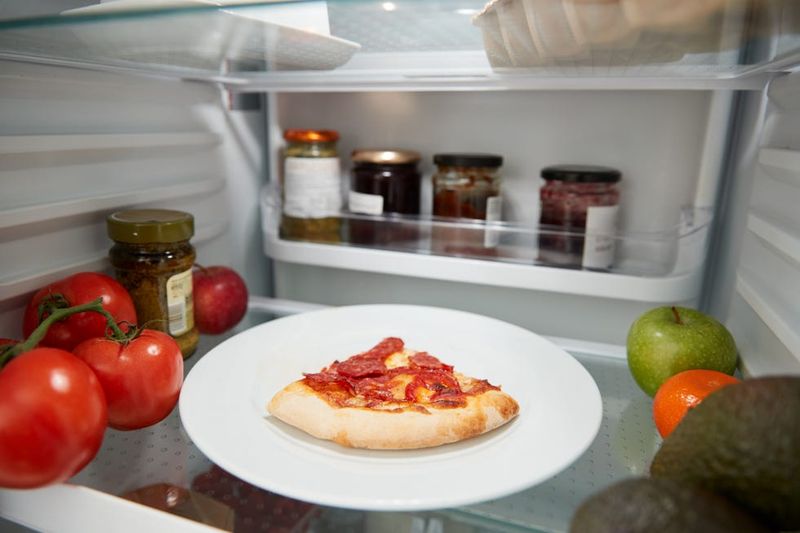
Cold pizza has earned cult status among leftover lovers, and for good reason.
The cheese firms up into a slightly chewy layer that clings to the crust, while toppings like pepperoni crisp up beautifully overnight.
Vegetables hold their crunch better, and the whole slice becomes easier to handle without that drippy, molten mess.
Some reckon it's even better than the fresh version – the flavours meld together as it sits, creating a more balanced bite.
Whether you're grabbing a slice for brekkie or a midnight snack, cold pizza delivers a satisfying chew that hot pizza simply can't match.
3. Pasta Salad Versus Hot Pasta
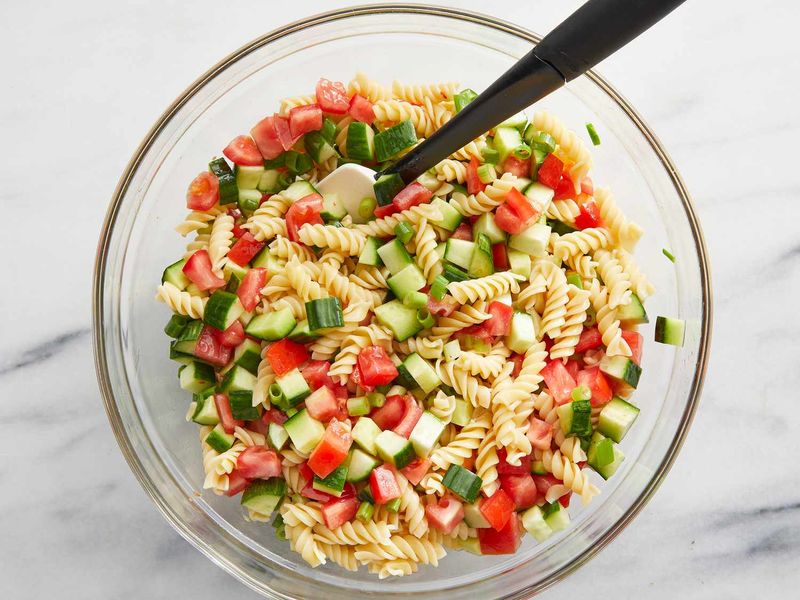
Hot pasta and cold pasta salad are practically two different dishes, even when using identical ingredients.
Chilled pasta absorbs dressings and sauces more thoroughly, creating a cohesive flavour throughout rather than just coating the surface.
The texture becomes firmer and more al dente, with each piece holding its shape beautifully instead of clumping together.
Cold pasta salad feels lighter and more refreshing, making it ideal for picnics or summer lunches when hot food feels too heavy.
The vegetables stay crisp, the cheese doesn't melt into oblivion, and every forkful delivers a satisfying, flavourful crunch.
4. Potatoes
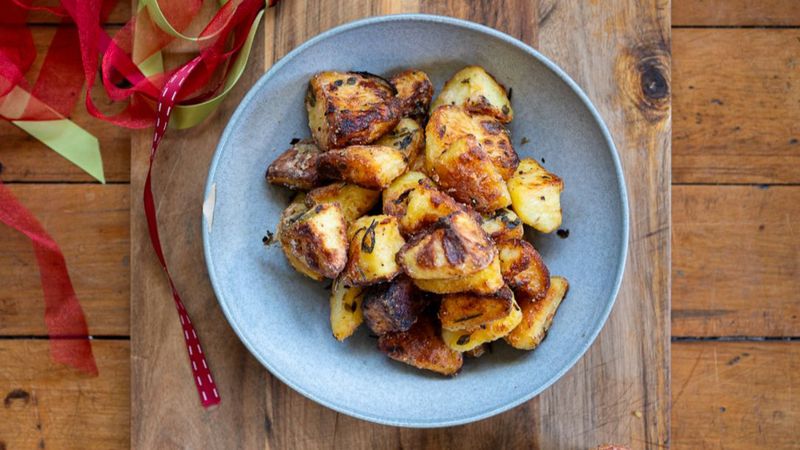
Leftover potatoes might seem boring, but cold spuds have a charm all their own.
Boiled potatoes develop a waxy, firm texture that's brilliant in salads, whilst roasted potatoes maintain their crispy edges with a dense, almost creamy centre.
The starch structure changes as they cool, making them less fluffy and more substantial – perfect for slicing thinly or tossing with vinaigrette.
Cold roasties are especially brilliant for bubble and squeak or hash, holding their shape without turning to mush.
There's something oddly satisfying about biting into a cold roast potato straight from the fridge at midnight too.
5. Rice Dishes
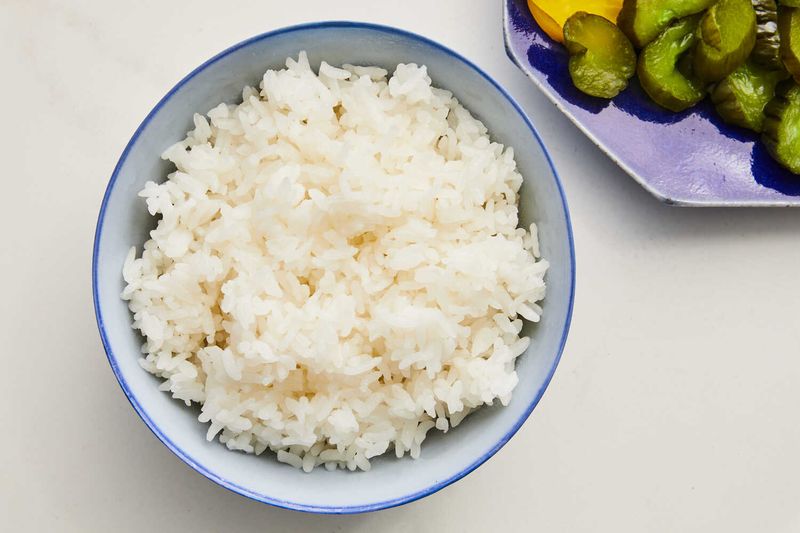
Rice transforms entirely when chilled, going from soft and fluffy to firm and distinct.
Cold rice grains separate beautifully, making them ideal for fried rice or salads where you want each grain to stand out.
The texture becomes slightly chewy, and the rice absorbs flavours from sauces and seasonings more effectively as it sits.
Many Asian cuisines actually prefer day-old cold rice for stir-frying because it doesn't clump or turn mushy in the wok.
Cold rice pudding is another winner – the creamy sweetness thickens up, creating a dense, comforting dessert that's miles away from its warm, runny counterpart.
6. Steak
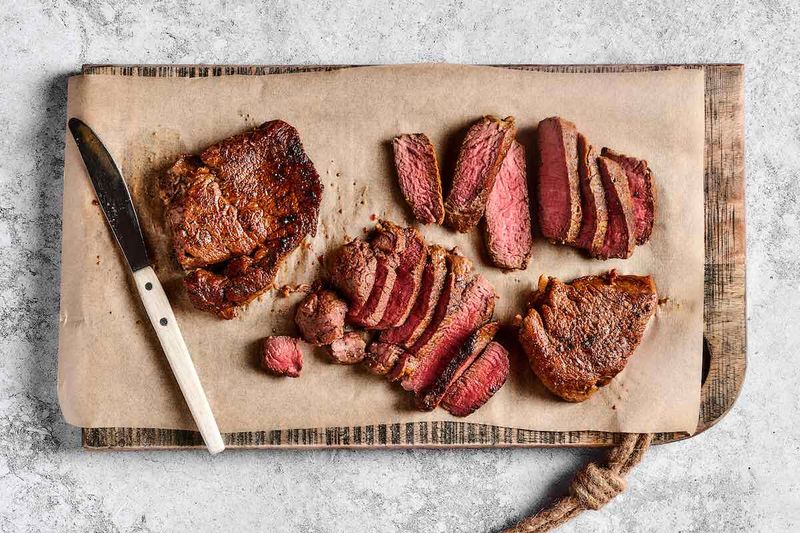
Cold steak might sound odd, but it's a surprisingly elegant experience.
The meat becomes denser and the flavours more concentrated, allowing you to appreciate the quality of the beef without the distraction of sizzling fat.
Slicing cold steak thinly for sandwiches or salads is far easier than wrestling with a hot, juicy piece, and the texture is pleasantly firm rather than chewy.
The marbling and seasoning shine through more clearly when chilled, and there's a certain sophistication to eating cold steak – think French bistro vibes.
It's also brilliant for a quick protein boost without reheating fuss.
7. Fried Chicken

Cold fried chicken is a revelation that rivals its hot counterpart in every way.
The breading stays incredibly crispy whilst the meat inside becomes juicier and more tender as it cools.
There's less grease to contend with, making each bite cleaner and more satisfying without sacrificing flavour.
The seasoning in the coating seems to intensify overnight, delivering a punch of flavour with every crunch.
Cold fried chicken is perfect for picnics, road trips, or sneaky midnight fridge raids – no reheating required, and honestly, no reheating wanted.
It's finger food at its finest, proving that sometimes leftovers truly are better the next day.
8. Chocolate
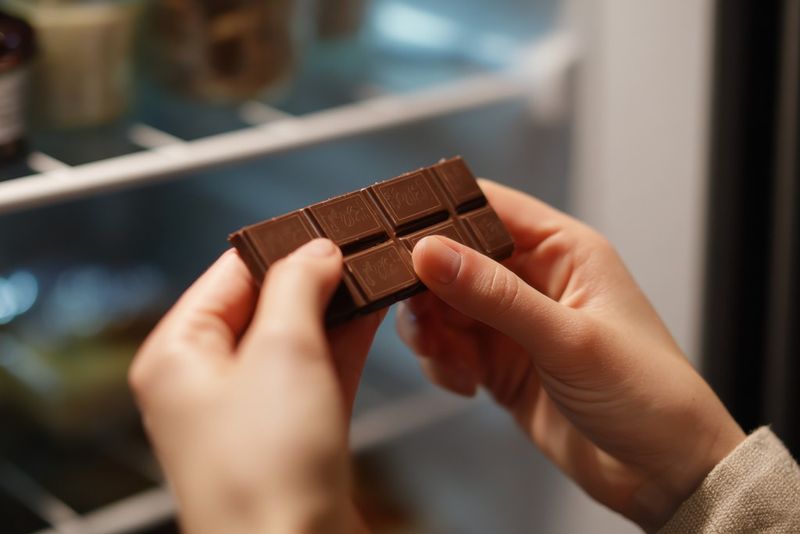
Chocolate undergoes a textural and flavour transformation when properly chilled.
Cold chocolate snaps more satisfyingly between your teeth, and the firmer texture makes each bite last longer on your tongue.
Dark chocolate especially benefits from chilling – the lower temperature highlights its deep, complex, bittersweet notes rather than letting them melt away instantly.
Milk chocolate becomes less cloying and more balanced when cold, whilst white chocolate firms up enough to actually taste the cocoa butter rather than just sweetness.
Chilled chocolate also melts more slowly in your mouth, releasing flavours gradually for a richer, more luxurious experience overall.
9. Cheese
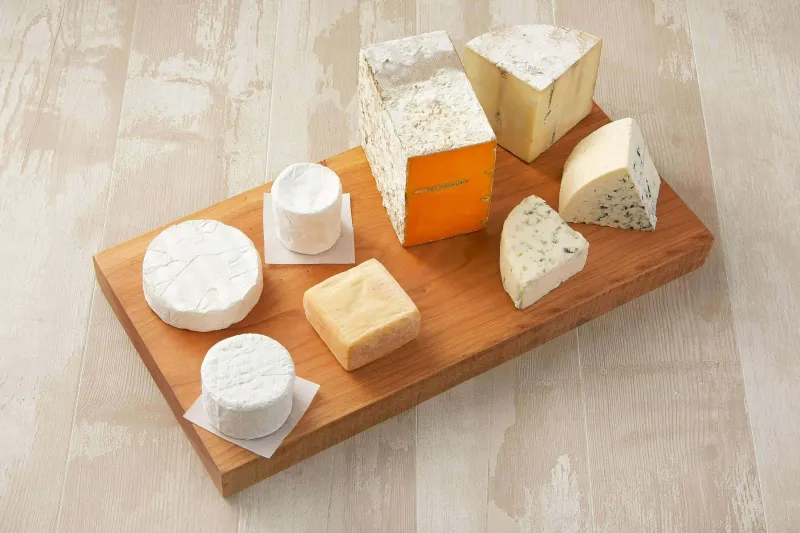
Cheese served cold versus room temperature are two entirely different beasts.
Cold cheese has a firmer, denser texture that makes it easier to slice cleanly for sandwiches or grating over dishes.
The flavours become more subdued and less pungent when chilled, which can actually be a bonus for stronger varieties like blue cheese or aged cheddar.
Some cheeses, like halloumi or feta, are brilliant cold in salads where their salty, tangy profiles shine without overwhelming other ingredients.
Whilst cheese purists insist on room temperature, cold cheese offers a cleaner, more refreshing bite that's perfect for quick snacks or layering in recipes.
10. Soup
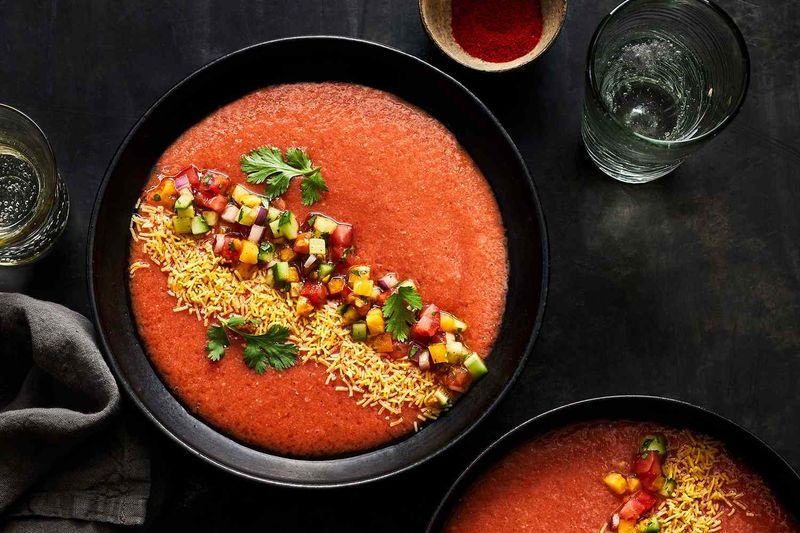
Chilled soups like gazpacho or vichyssoise prove that soup doesn't need to steam to satisfy.
Cold soup has a refreshing, almost drink-like quality that's perfect for warm weather when hot soup feels impossibly heavy.
The flavours become brighter and more pronounced when chilled – tomatoes taste sweeter, herbs pop more vividly, and cream-based soups feel luxuriously smooth rather than thick.
The texture changes too, with cold soup feeling lighter on your palate and easier to sip slowly.
It's a completely different culinary experience from hot soup, offering cooling comfort rather than warming embrace – equally satisfying, just in an entirely opposite way.