







There’s something wonderfully revealing about the foods we grow up with.
The snack you instinctively reach for, the bakery item you miss when you move away, or the dish that feels like pure comfort can quietly point straight back to your roots.
Across Britain, regional favourites are woven into everyday life, shaping habits, memories, and local pride in ways people rarely stop to notice.
Taking a closer look at these familiar classics offers a surprisingly fun way to spot how food and place remain closely linked.
All information is provided for general interest and entertainment purposes only.
Food traditions, ingredients, and availability may vary by region and season.
Photos are for illustrative purposes only.
1. Cornish Pasty
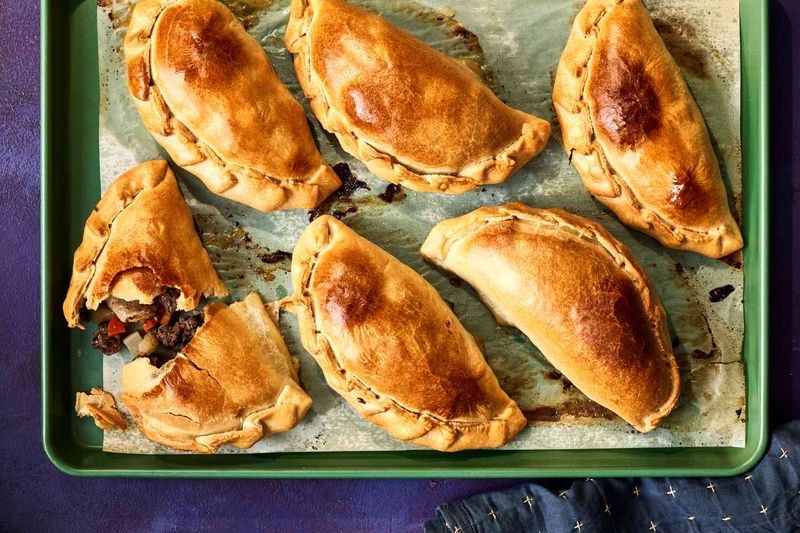
Golden pastry crimped along the edge marks this handheld treasure from Cornwall.
Miners once carried these sturdy parcels underground, gripping the thick crust with dirty hands whilst eating the filling inside.
Beef, potato, swede, and onion nestle within, seasoned simply with salt and pepper.
The distinctive D-shape and side crimp aren't just for looks - they're protected by law.
Cornish folk take their pasties seriously, defending authenticity fiercely against imitations.
2. Scotch Pie
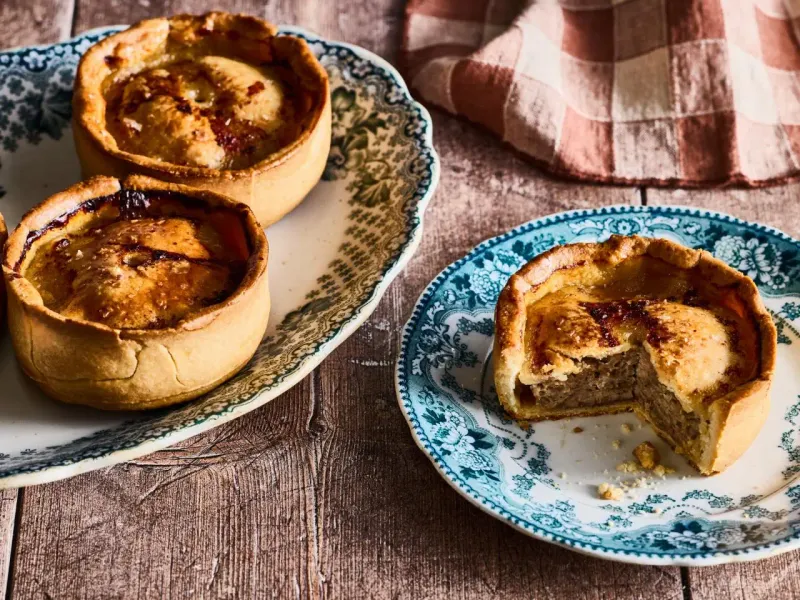
Scotland's football grounds wouldn't feel right without these compact meat pies.
Mutton fills the raised pastry shell, though modern versions sometimes use other meats.
The straight-sided walls and slightly domed lid create a distinctive silhouette that Scots recognise instantly.
Originally called mutton pies, they've fuelled hungry Scots for generations at matches and shops.
Pop one in your mouth, and you're tasting centuries of Scottish baking tradition in every bite.
3. Bakewell Tart
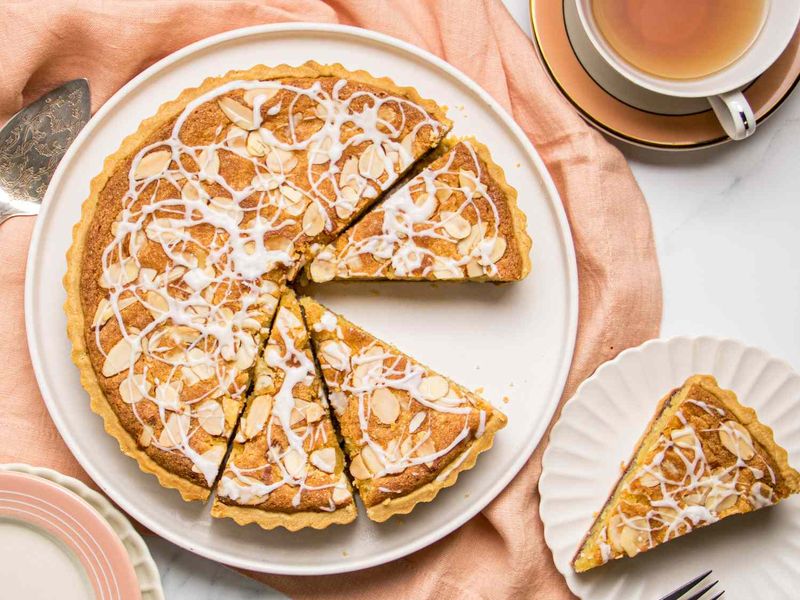
Derbyshire's sweetest claim to fame started in the Peak District town of Bakewell.
Legend whispers of a kitchen mistake at a local inn that accidentally created perfection.
Raspberry jam spreads across shortcrust pastry, topped with almond-flavoured frangipane that bakes into golden loveliness.
Don't confuse this with Bakewell pudding - locals will quickly correct you on the crucial differences between these Derbyshire delights.
4. Lancashire Hotpot
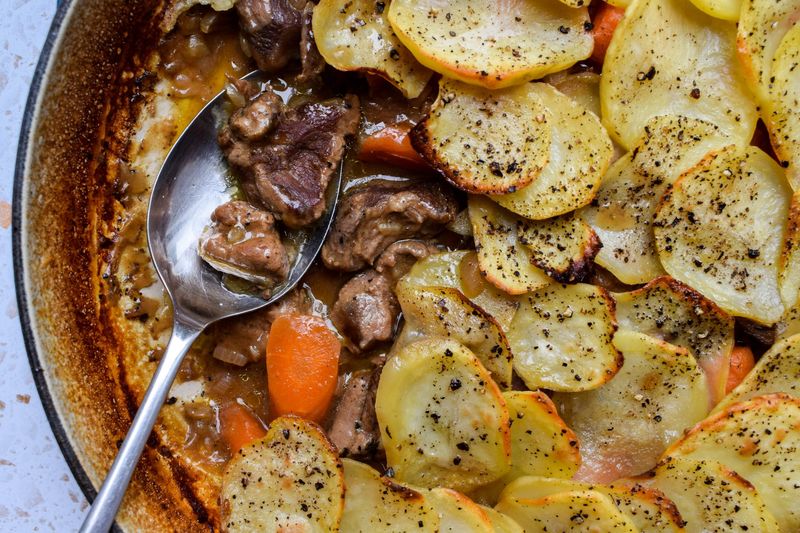
Layers of sliced potatoes crown this hearty casserole that kept Lancashire mill workers warm through cold northern winters.
Lamb or mutton forms the base, slow-cooked until tender beneath that potato lid.
Onions add sweetness whilst the top potatoes crisp beautifully in the oven.
Originally cooked in tall earthenware pots, this one-pot wonder meant minimal washing up for busy working families.
Every Lancashire household has their own hotpot secrets passed down through generations.
5. Welsh Rarebit
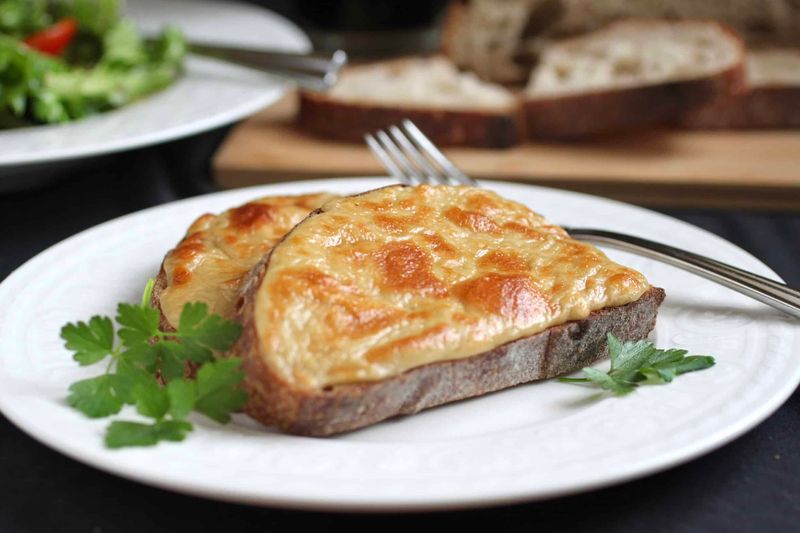
Calling this cheese on toast insults Welsh culinary pride.
A savoury cheese sauce enriched with mustard and Worcestershire sauce transforms humble bread into something magnificent.
The mixture bubbles under the grill until golden and slightly crispy at the edges.
Some recipes add ale or milk to create the perfect consistency.
Despite jokes about its name, there's nothing remotely rabbit-like here - just glorious melted cheese that Wales has perfected into an art form beloved nationwide.
6. Haggis
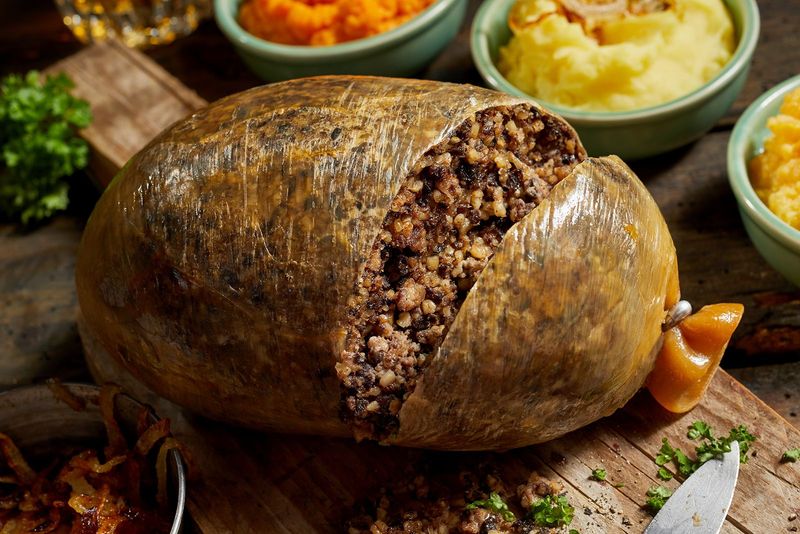
Scotland's most famous dish divides opinions sharply between devotees and doubters.
Sheep's heart, liver, and lungs mingle with oatmeal, onions, and spices, traditionally encased in a sheep's stomach.
Burns Night celebrations wouldn't exist without this savoury pudding taking centre stage.
Served alongside neeps and tatties, it's rich, peppery, and surprisingly delicious.
Many Scots grow up eating haggis regularly, finding the international squeamishness rather amusing and utterly baffling.
7. Staffordshire Oatcakes
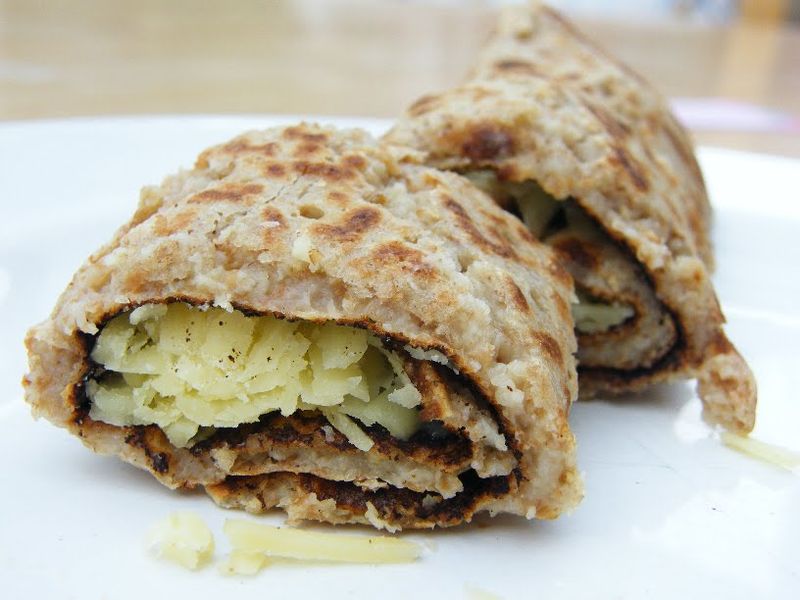
The Potteries region guards these thin, pancake-like creations jealously.
Oatmeal gives them a distinctive texture quite unlike ordinary pancakes, with a slightly rough, wholesome surface.
Locals fill them with bacon, cheese, or sausage for breakfast, rolling them up like savoury wraps.
Shops throughout Stoke-on-Trent sell them fresh daily from specialised oatcake shops.
Visitors often struggle to find them elsewhere, making them a true regional speciality that Staffordshire natives desperately miss when they move away.
8. Melton Mowbray Pork Pie
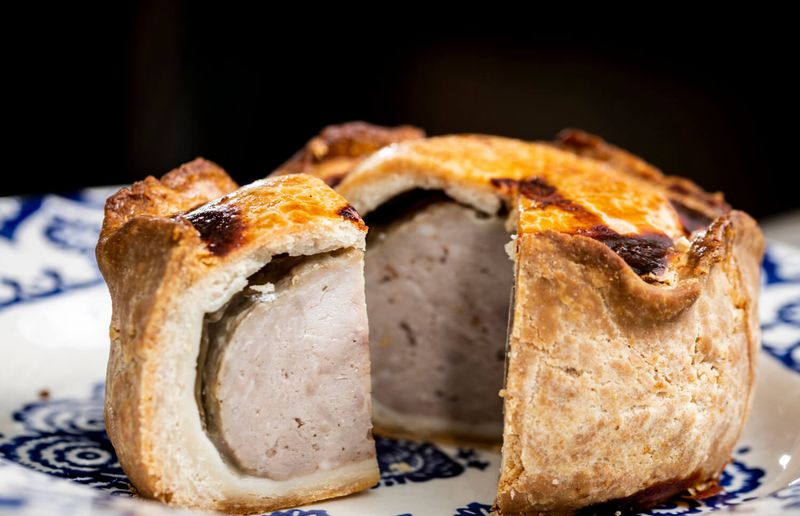
Leicestershire's market town produces Britain's finest pork pies, protected by special status since 2008.
Hand-raised hot water crust pastry creates sturdy walls without needing a tin.
Uncured pork gives the filling its characteristic grey colour rather than pink.
The meat is chopped, never minced, creating a chunky texture that sets genuine Melton Mowbrays apart.
Bow-sided shape and proper jelly filling complete the picture of pork pie perfection that imitators simply cannot match authentically.
9. Cullen Skink
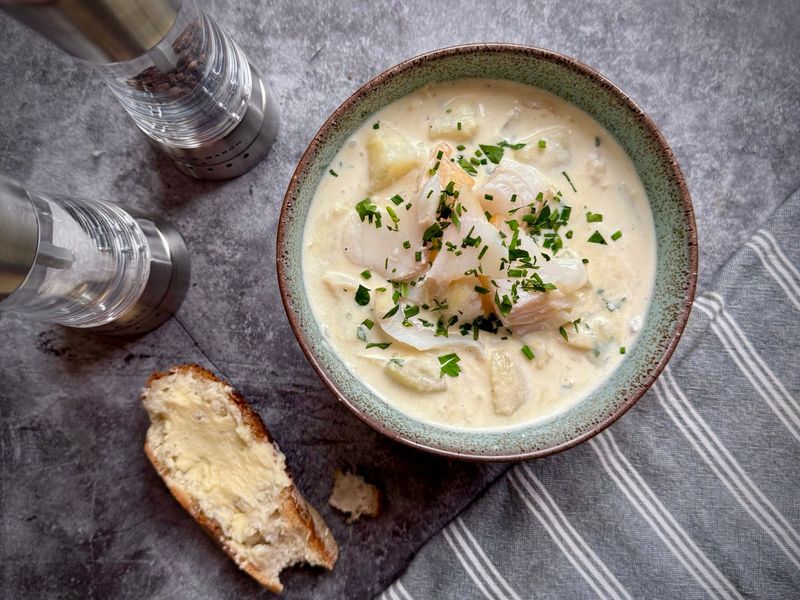
This velvety soup hails from Cullen, a fishing village on Scotland's northeastern coast.
Smoked haddock provides the star ingredient, flaking into creamy potato-thickened broth.
Onions add depth whilst milk or cream creates luxurious smoothness that warms you instantly.
The name sounds unusual, but skink simply means soup or stew in Scots.
Fishing communities along Scotland's coast have sustained themselves with this nourishing dish for generations, turning humble ingredients into comfort food extraordinaire.
10. Yorkshire Parkin
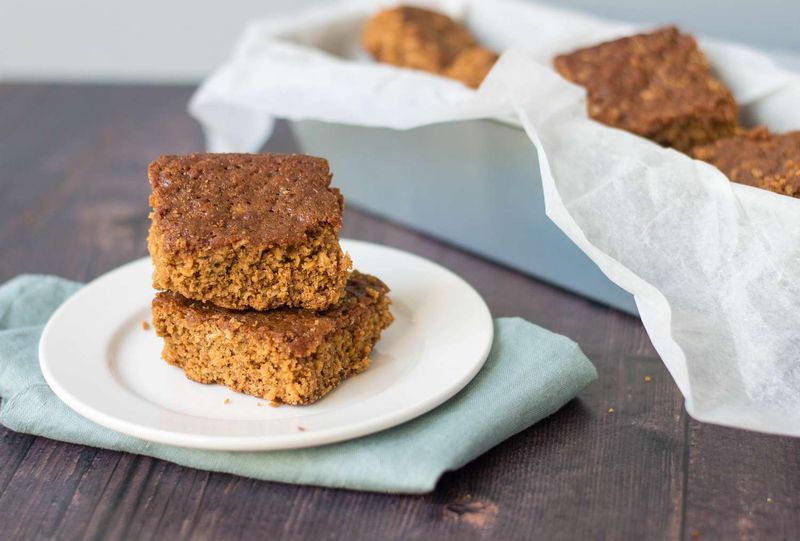
Bonfire Night wouldn't feel complete in Yorkshire without this sticky ginger cake.
Oatmeal gives parkin its distinctive dense texture, quite different from ordinary gingerbread.
Black treacle and golden syrup create deep, dark sweetness with warming spice notes.
The cake improves with age, becoming stickier and more flavourful after several days wrapped up.
Yorkshire folk have baked parkin for centuries, particularly around November fifth when the spicy sweetness perfectly complements chilly autumn evenings outdoors.
11. Bury Black Pudding
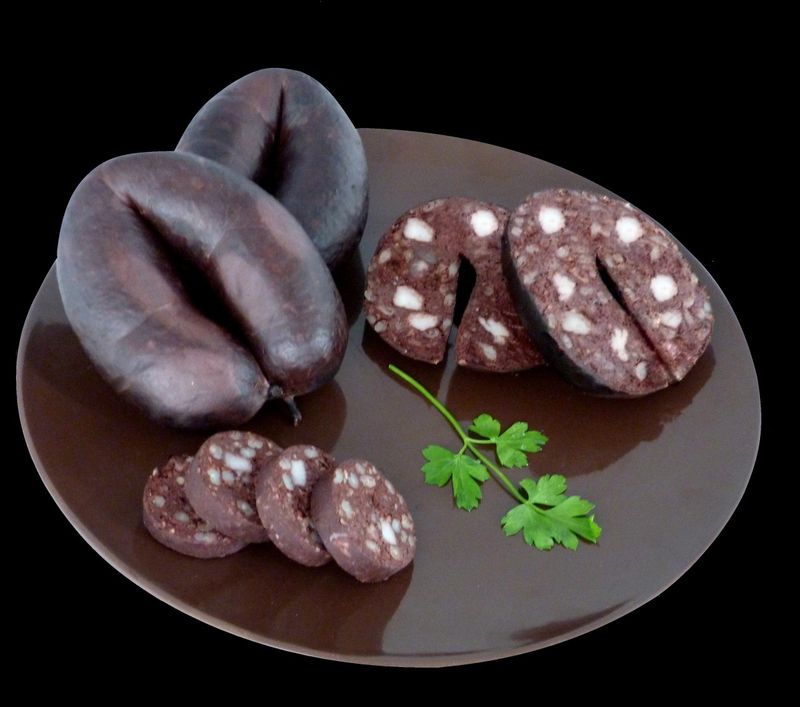
Greater Manchester's Bury produces Britain's best blood sausage, winning devotees nationwide.
Pearl barley and oatmeal bulk out the mixture, creating texture that sets Bury's version apart from competitors.
Sliced and fried until crispy outside yet soft within, it's breakfast perfection.
The town even hosts an annual black pudding throwing competition, celebrating this savoury speciality with typical northern humour.
Bury Market remains the pilgrimage destination for true black pudding enthusiasts seeking authentic quality.
12. Bedfordshire Clanger
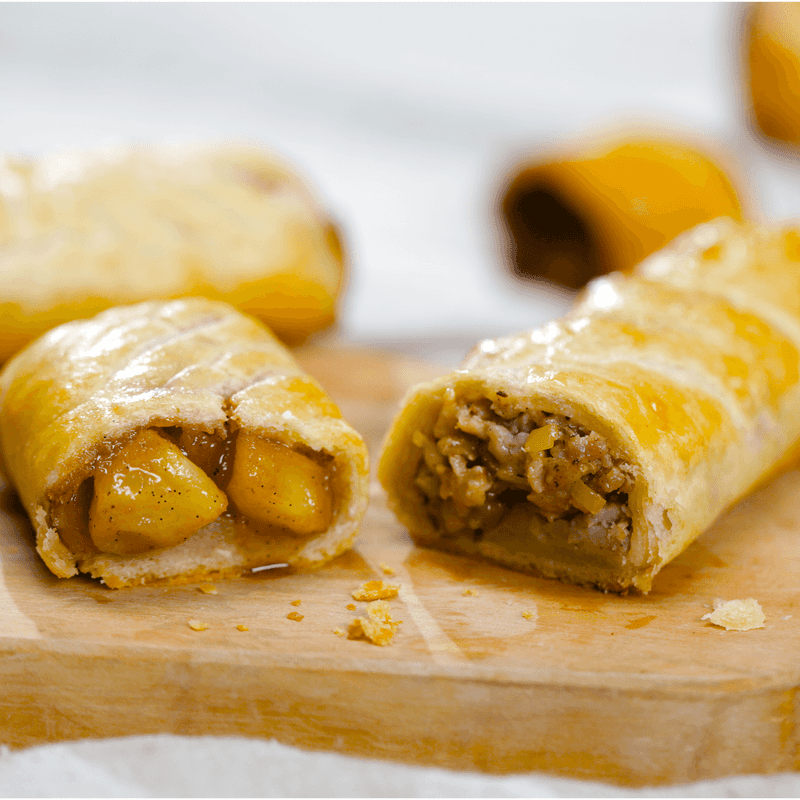
Bedfordshire farm workers once carried these long, suet pastry parcels as a practical all-in-one meal during long days in the fields.
Traditionally, they were filled with a savoury mixture such as meat and vegetables, and some regional versions included a sweet filling like jam at one end.
The fillings simply sit in different sections of the same roll.
This clever, portable bake has been part of Bedfordshire’s food history since at least the nineteenth century.
13. Arbroath Smokie
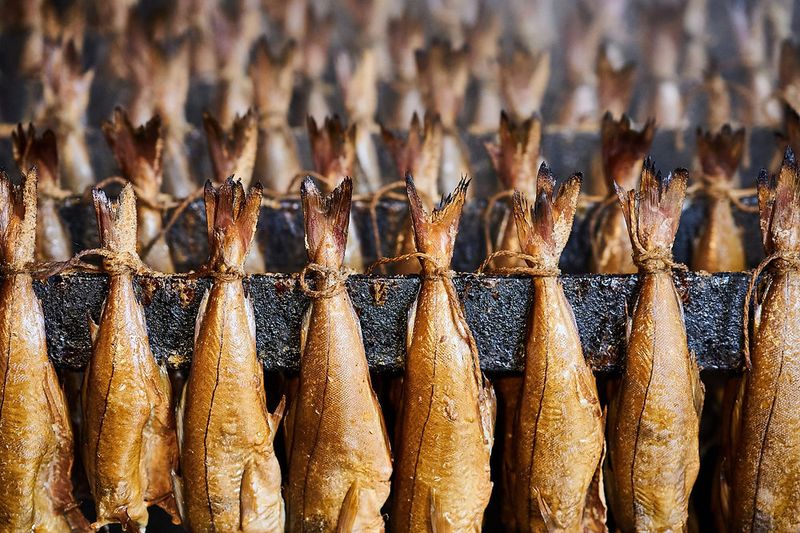
Arbroath Smokies come from the coastal town of Arbroath in Angus and are one of Scotland’s best-known protected food products.
These haddock fillets are traditionally split, salted, and hot-smoked over hardwood in a barrel, giving them a distinctive golden colour and deep, savoury flavour.
Locals often enjoy them simply with buttered bread, scrambled eggs, or folded into creamy fish dishes.
The aroma alone is enough to spark instant recognition for anyone who grew up near Scotland’s east coast, where smokies remain a proud part of everyday food culture.
14. Stottie Cake
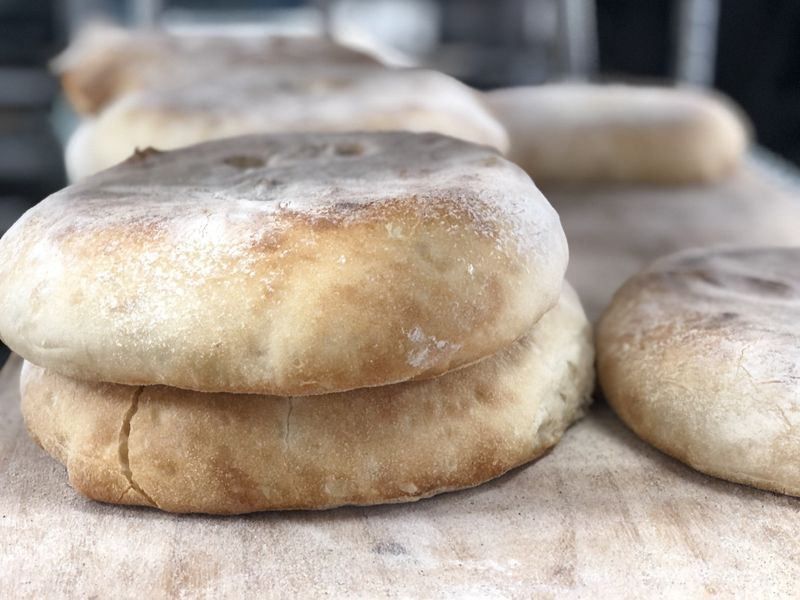
Despite the name, a stottie cake is actually a dense, flat bread rather than a sweet bake.
It originates from Tyneside in the North East of England and was designed to be filling, affordable, and sturdy enough to hold generous sandwich fillings.
The thick crumb makes it perfect for bacon, ham and pease pudding, or sausage.
Ask anyone from Newcastle or Gateshead about stotties and you’ll quickly hear strong opinions on thickness, softness, and the best fillings, a clear sign of how deeply this bread is tied to local identity.