



What you eat can have a bigger impact on your sleep than you might think. Some foods naturally help your body relax and drift off, while others can leave you restless and wide awake.
From calming bedtime snacks to energy-boosting bites, knowing which foods help or hinder your sleep can make all the difference to how refreshed you feel each morning.
This article is for general informational purposes only and is not a substitute for medical or nutritional advice. Individual sleep patterns and dietary needs vary. Readers should consult a qualified healthcare or nutrition professional before making major dietary changes.
1. Bananas
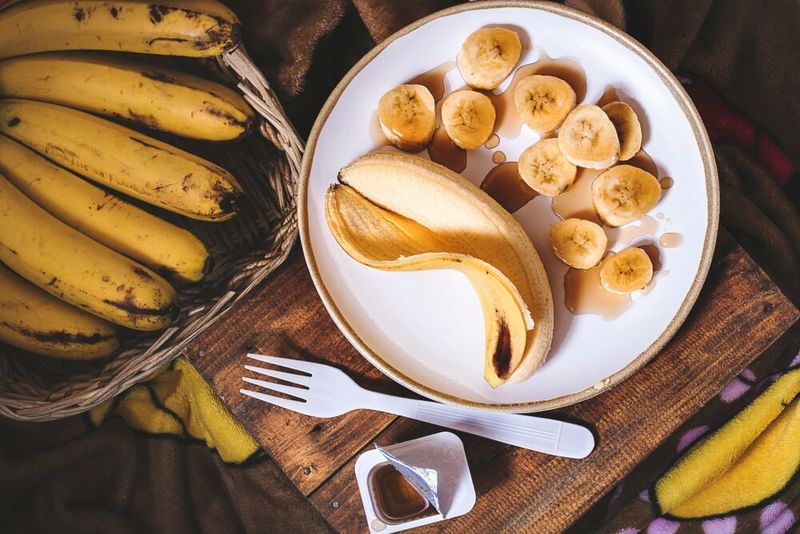
Your body needs certain nutrients to produce sleep hormones, and this humble yellow fruit is absolutely packed with them. Bananas contain magnesium and potassium, which work together to relax your muscles and calm your nervous system.
They're also rich in tryptophan, an amino acid that your body converts into serotonin and then melatonin, the hormone that tells your brain it's time to sleep. Pop one in your bag for a bedtime snack that won't leave you feeling stuffed or uncomfortable.
2. Oats
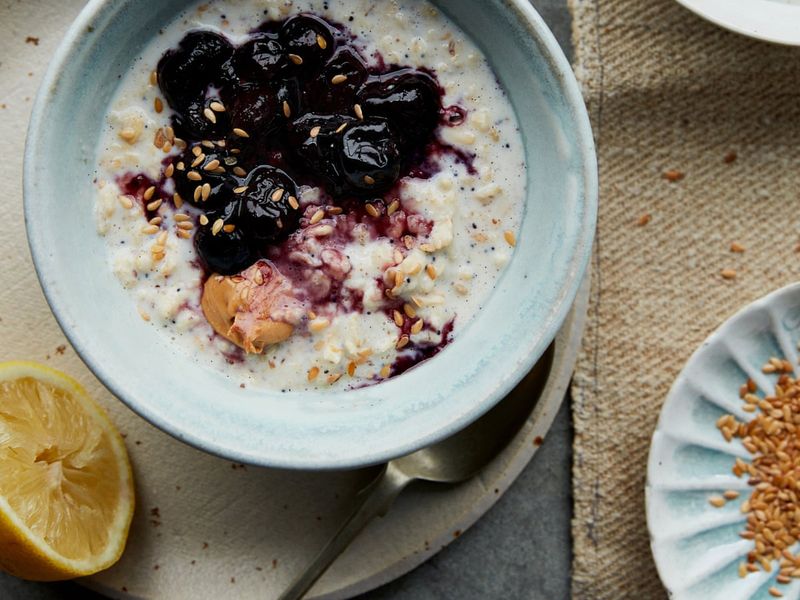
Porridge isn't just for chilly mornings. Oats are brilliant for promoting sleep because they're one of the few natural food sources of melatonin. Complex carbohydrates in oats also trigger insulin production, which helps tryptophan reach your brain more easily.
A small bowl of oats before bed can work wonders, especially if you add a drizzle of honey or a handful of almonds. Many nutritionists recommend oats as part of an evening routine because they're gentle on your stomach and won't spike your blood sugar.
3. Almonds
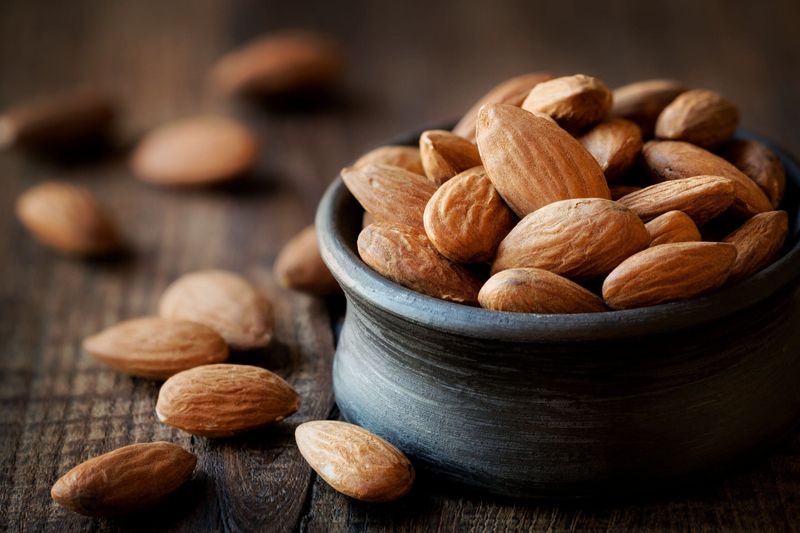
These crunchy little nuts are a proper powerhouse when it comes to sleep support. Almonds are loaded with magnesium, a mineral that's essential for quality sleep and muscle relaxation. Studies have shown that low magnesium levels can lead to restless nights and difficulty staying asleep.
A small handful before bed can help regulate your body's internal clock. Plus, they contain healthy fats and protein that keep your blood sugar steady overnight, preventing those annoying 3am wake-ups when your body thinks it needs fuel.
4. Kiwi
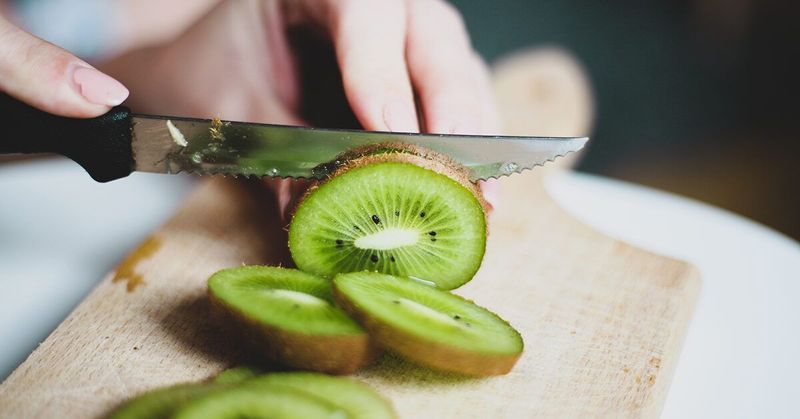
Research from Taiwan found that eating two kiwis an hour before bed helped people fall asleep faster and stay asleep longer. This fuzzy little fruit is absolutely bursting with serotonin, a brain chemical that regulates your sleep cycle.
Kiwis are also packed with antioxidants and vitamin C, which may reduce inflammation that interferes with sleep. The fibre content helps with digestion too, meaning you won't be kept awake by an uncomfortable stomach. Grab them from any UK supermarket and keep a few in your fruit bowl for easy access.
5. Turkey

There's a reason everyone feels drowsy after Christmas dinner, and it's not just the massive portions. Turkey is famously high in tryptophan, that sleepy-making amino acid that your body uses to produce melatonin and serotonin.
It's also a lean protein that won't sit heavy in your stomach overnight. A turkey sandwich on wholemeal bread makes a surprisingly effective bedtime snack, combining protein with complex carbs that help the tryptophan work its magic. You'll find quality turkey at most British supermarkets and delis year-round.
6. Cherries

Few people realise that cherries are one of the only natural food sources of melatonin, the hormone your brain releases to signal bedtime. Research published in the European Journal of Nutrition found that drinking tart cherry juice increased sleep time and quality in adults with insomnia.
Fresh cherries work brilliantly too, especially British ones during summer months. The natural sugars provide a gentle energy release that won't spike your blood sugar, whilst the melatonin content helps regulate your sleep-wake cycle. A small bowl an hour before bed does the trick nicely.
7. Warm Milk
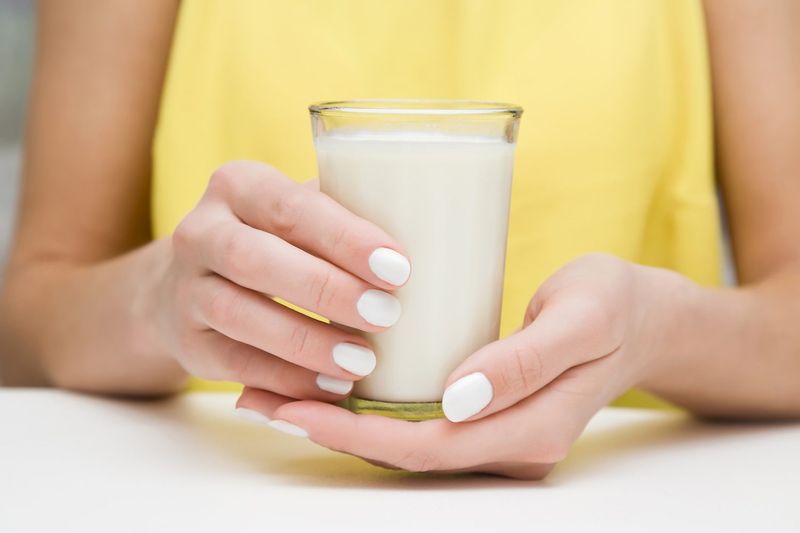
Generations of British families have sworn by a warm glass of milk before bed, and science backs up this old tradition. Milk contains tryptophan and calcium, which helps your brain use that tryptophan to manufacture melatonin.
The warmth itself has a soothing, almost meditative quality that signals to your body it's time to wind down. Some nutritionists suggest adding a tiny bit of honey for extra sleep benefits, as the natural sugars help the tryptophan reach your brain more effectively. It's simple, comforting, and genuinely effective.
8. Chamomile Tea

This gentle herbal brew has been used as a natural sleep aid for centuries, and it's still one of the most popular bedtime drinks in Britain. Chamomile contains apigenin, an antioxidant that binds to certain receptors in your brain that promote sleepiness and reduce anxiety.
Unlike caffeinated teas, it's naturally caffeine-free and won't interfere with your sleep cycle. A warm cup about 30 minutes before bed creates a calming ritual that helps your mind and body prepare for rest. You'll find countless varieties in any UK supermarket or health food shop.
9. Coffee
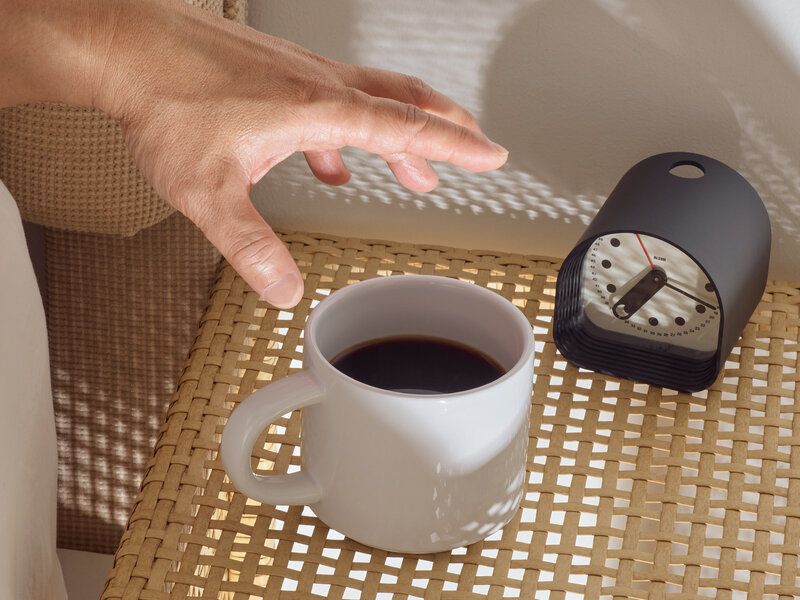
Britain runs on coffee, and there's a good reason it's the go-to morning pick-me-up. Caffeine blocks adenosine, the chemical in your brain that makes you feel tired, keeping you alert and focused for hours.
A standard cup contains around 95 milligrams of caffeine, which can stay in your system for up to six hours. That's why doctors recommend avoiding coffee after 2pm if you want decent sleep. The high street is packed with coffee chains, but be mindful that your afternoon flat white could be sabotaging your bedtime.
10. Dark Chocolate
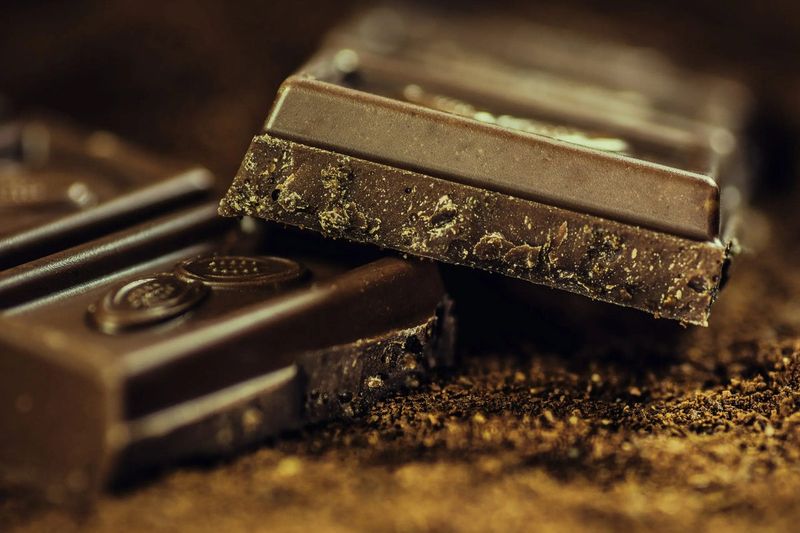
Chocolate lovers might not realise their favourite treat contains a surprising amount of caffeine, especially the dark varieties. A 50-gram bar of dark chocolate can contain up to 30 milligrams of caffeine, roughly a third of what you'd find in a cup of coffee.
It also contains theobromine, another stimulant that keeps your heart rate elevated and your mind alert. Whilst dark chocolate has loads of health benefits, munching on it late at night can absolutely interfere with your sleep quality. Save your Lindt bar for afternoon tea instead.
11. Energy Drinks
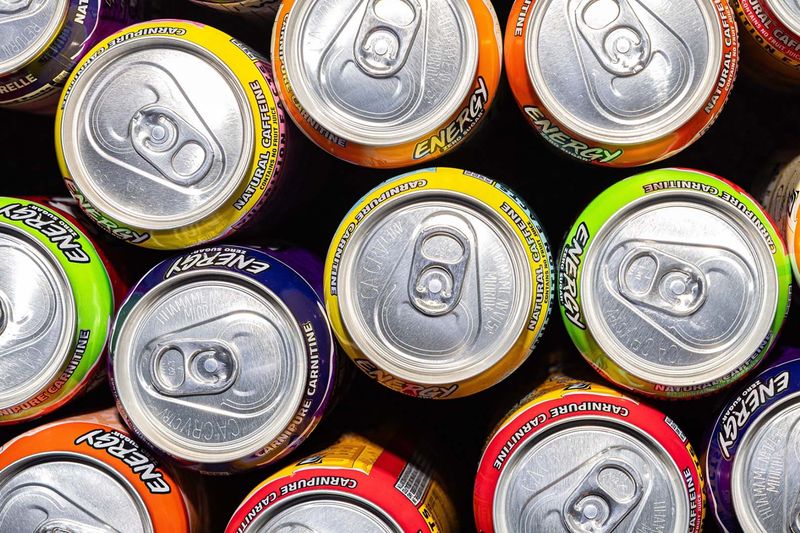
These brightly coloured cans are engineered specifically to keep you wired, often containing twice the caffeine of a standard coffee plus loads of sugar and other stimulants like taurine and guarana. A single can might pack 160 milligrams of caffeine or more.
The sugar rush provides an immediate energy spike, followed by a crash that can actually make you feel worse later. Doctors warn that consuming energy drinks in the evening can disrupt your sleep for hours, leaving you tired and irritable the next day. They're everywhere on UK high streets, but approach with caution.
12. Spicy Foods

That late-night curry might taste brilliant, but your body will definitely let you know about it when you're trying to sleep. Spicy foods can raise your body temperature, and since your core temperature naturally drops when you sleep, this creates an uncomfortable conflict.
Capsaicin, the compound that makes chillies hot, can also cause heartburn and indigestion when you lie down. Many people find themselves wide awake with an uncomfortable burning sensation hours after eating spicy food. Britain's love affair with Indian and Thai takeaways is wonderful, but perhaps save them for lunch instead of dinner.
13. Processed Meats

Bacon butties and sausage rolls are British staples, but eating them before bed is asking for trouble. Processed meats contain high levels of tyramine, an amino acid that triggers the brain to release noradrenaline, a stimulant that increases brain activity and keeps you alert.
They're also packed with salt and fat, which can cause dehydration and indigestion when you're trying to sleep. The protein content means your digestive system has to work harder overnight, potentially waking you up. Enjoy your full English at breakfast time, where it belongs.
14. Aged Cheese

A cheese and biscuits supper sounds lovely, but aged varieties like mature cheddar, stilton, and parmesan are surprisingly stimulating. They contain high levels of tyramine, the same compound found in processed meats that triggers alertness and raises blood pressure.
The older and more fermented the cheese, the higher the tyramine content. Some people are particularly sensitive and find themselves lying awake for hours after indulging. Britain produces some of the world's finest cheeses, but save your cheeseboard for earlier in the evening rather than right before bed.
15. Sugary Snacks
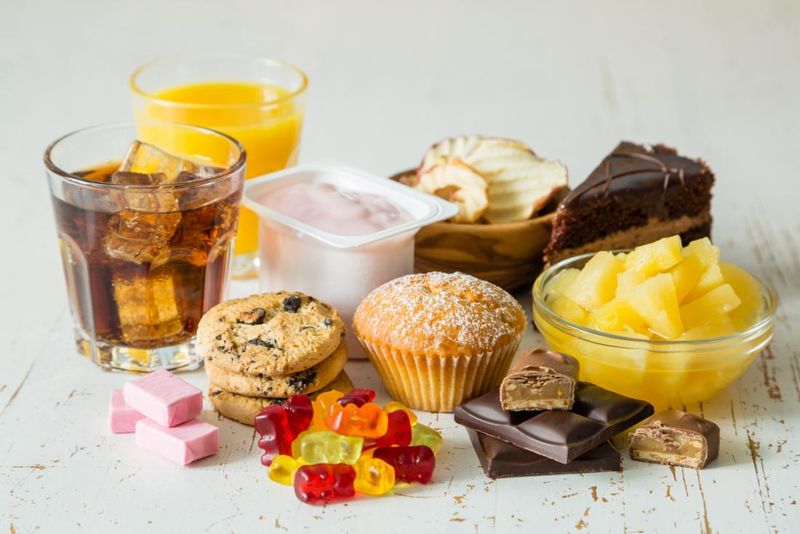
Raiding the biscuit tin before bed might feel comforting, but sugar causes your blood glucose to spike rapidly, giving you a burst of energy when you should be winding down. Your body then releases insulin to bring levels back down, often causing a crash that can wake you in the middle of the night.
This blood sugar rollercoaster disrupts your natural sleep cycle and reduces the quality of deep sleep. Nutritionists recommend avoiding sugary foods at least two hours before bedtime. Keep those custard creams and jammy dodgers for daytime treats instead.
16. Green Tea

Green tea has a reputation as a healthy drink, and it absolutely is, but it's not ideal for evenings. A typical cup contains around 30 to 50 milligrams of caffeine, which is less than coffee but still enough to keep you alert and interfere with sleep.
It also contains L-theanine, an amino acid that promotes alertness and focus. Whilst this combination is brilliant for afternoon concentration, it's the last thing you need when you're trying to nod off. Most UK supermarkets stock decaffeinated versions if you fancy the flavour without the stimulation.