









Climate change, disease, and habitat loss are putting some of our favourite foods at serious risk.
From your morning coffee to weekend treats, many beloved items might become rare or even vanish completely in the coming decades.
Scientists and farmers are working hard to protect these foods, but the challenges are growing stronger each year.
This content is for general information only. Availability of these foods may vary over time due to environmental factors. Photos are for illustrative purposes.
1. Chocolate
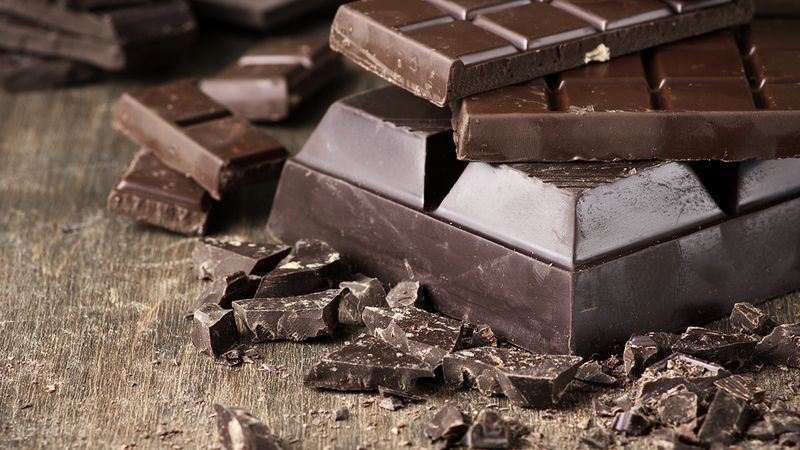
Cocoa trees are incredibly fussy about where they grow, needing just the right temperature and rainfall to thrive. Rising temperatures in West Africa, where most cocoa comes from, are making it harder for farmers to grow healthy crops.
Plant diseases are also spreading faster in warmer climates, destroying entire plantations. Scientists predict that by 2050, chocolate could become much more expensive and harder to find in shops.
2. Coffee
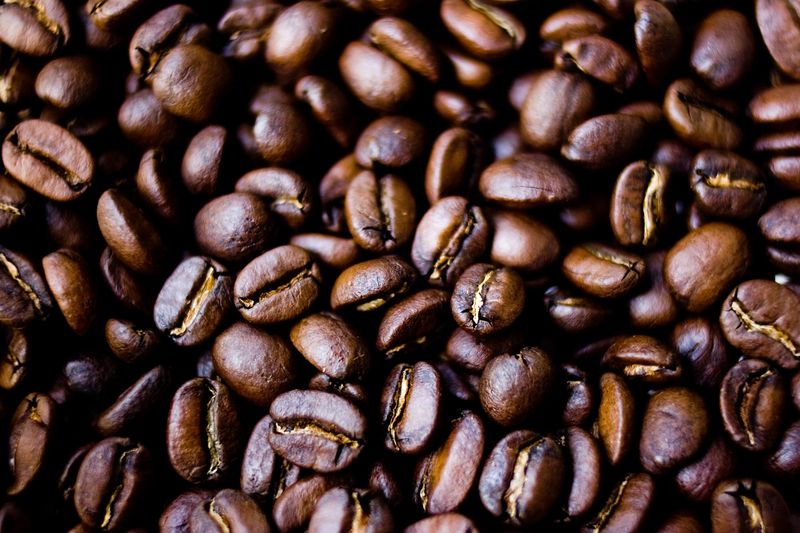
Your morning cup of coffee faces a uncertain future as temperatures rise around the world. Coffee plants need cool mountain slopes to produce the best beans, but these perfect spots are shrinking every year.
Farmers in countries like Ethiopia and Colombia are already moving their crops higher up mountains to escape the heat. Unfortunately, there's only so high they can go before running out of suitable land completely.
3. Avocados
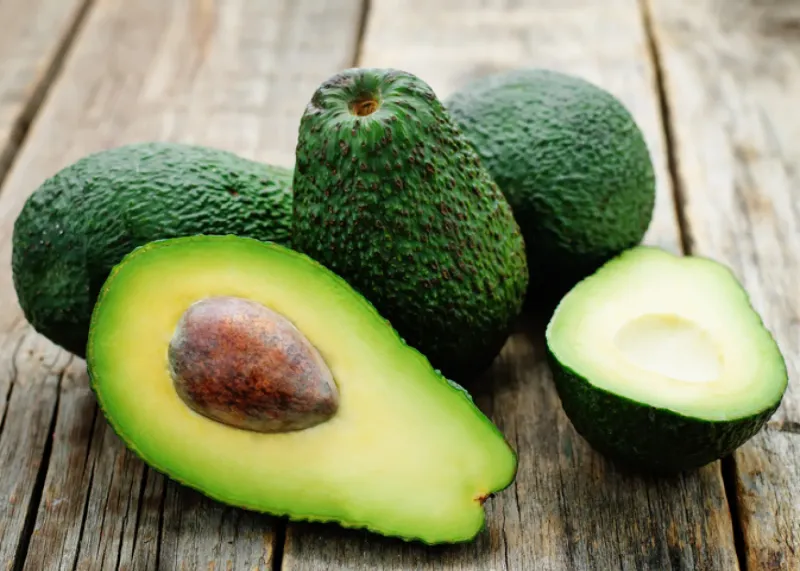
Avocados need enormous amounts of water to grow properly, which is becoming a real problem in drought-affected areas. It takes about 320 litres of water to produce just one avocado, making them incredibly thirsty crops.
California and Mexico, the world's biggest avocado producers, are experiencing longer dry periods each year. Without reliable water supplies, many farmers might have to switch to different crops that need less irrigation.
4. Bananas
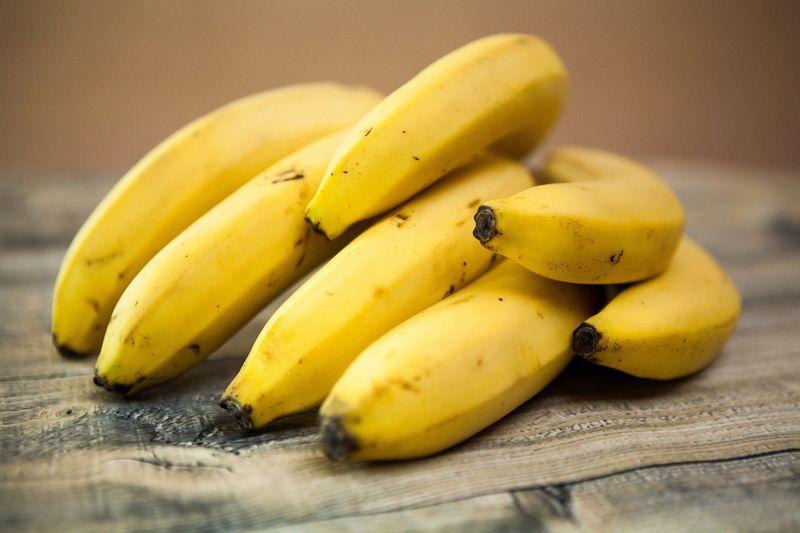
Nearly all bananas sold in supermarkets come from one type called Cavendish, which makes them extremely vulnerable to disease. A nasty fungal infection called Panama disease is spreading rapidly through banana plantations worldwide.
This same problem wiped out the previous popular banana variety in the 1950s. Scientists are racing to develop disease-resistant bananas, but it's a slow process that might not happen quickly enough to save our favourite yellow fruit.
5. Honey
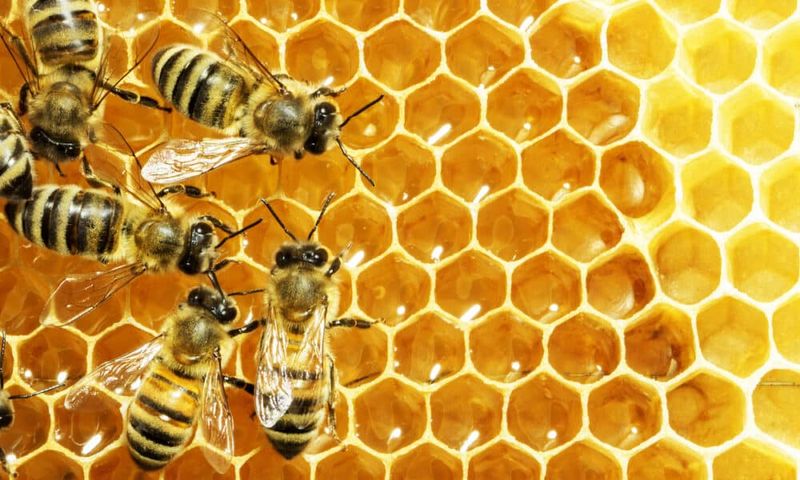
Bee colonies around the world are collapsing at alarming rates due to pesticides, habitat loss, and mysterious diseases. Without bees to pollinate flowers, there simply won't be enough honey to go around.
Climate change is also confusing bees by changing when flowers bloom, making it harder for them to find food. Many beekeepers are reporting that their hives are producing much less honey than they used to just a few years ago.
6. Maple Syrup
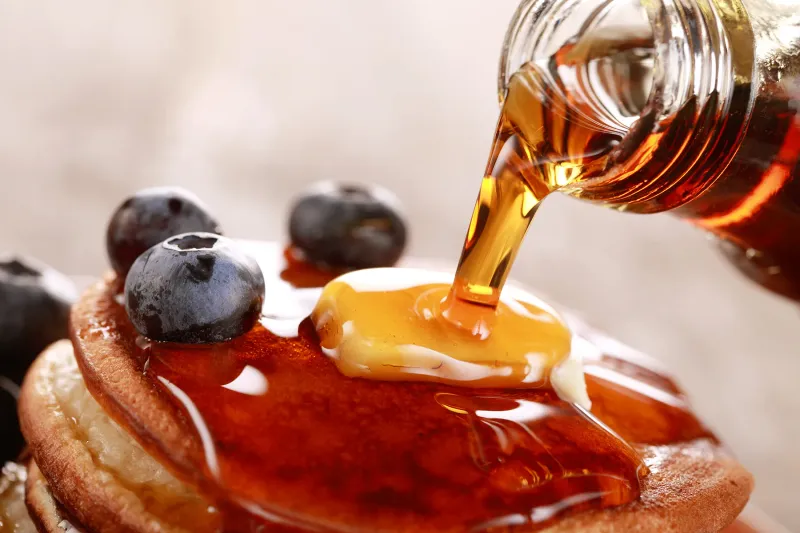
Maple syrup production depends on very specific weather patterns that are changing rapidly due to global warming. Trees need freezing nights followed by warm days to produce the sap that becomes delicious syrup.
Canadian and American maple forests are experiencing shorter, less predictable seasons for tapping trees. Some years, the weather stays too warm for sap to flow properly, leaving producers with much smaller harvests than expected.
7. Rice
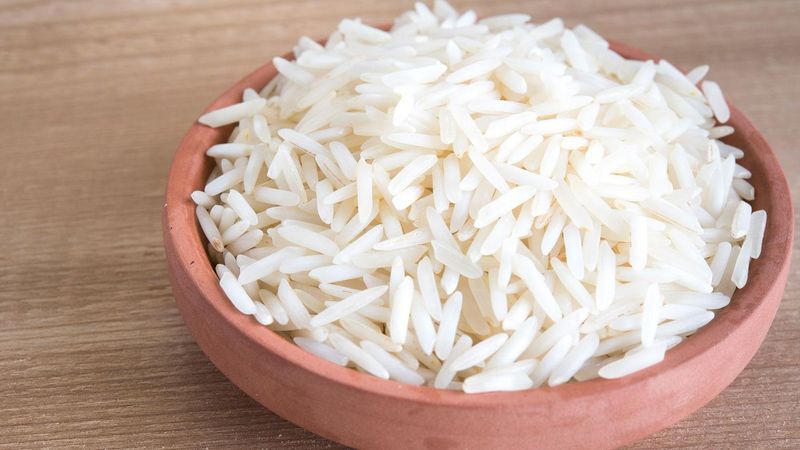
Rice feeds more than half the world's population, but rising sea levels are pushing salt water into coastal farming areas. Salt ruins rice crops and makes the soil unusable for growing food.
Extreme weather events like floods and droughts are also becoming more common, destroying entire rice harvests. Countries like Bangladesh and Vietnam are losing thousands of hectares of rice fields every year to these environmental challenges.
8. Bluefin Tuna
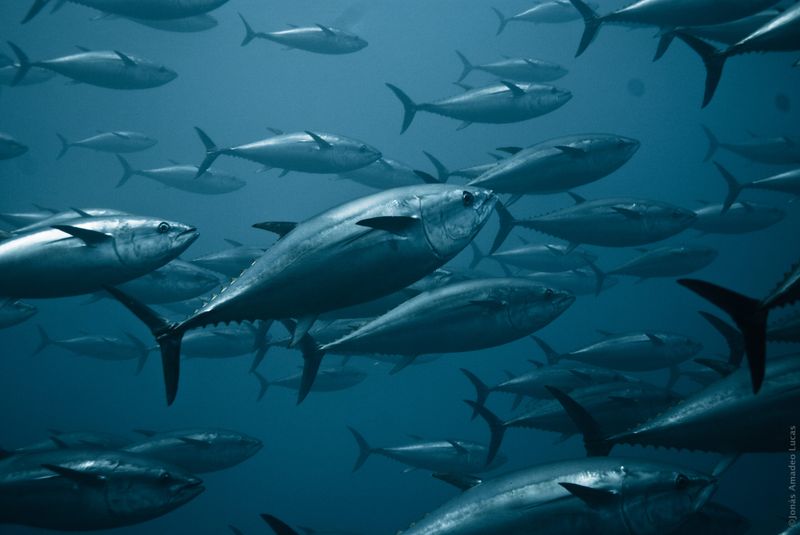
Overfishing has pushed bluefin tuna populations to dangerously low levels, with some species declining by more than 90 percent. These magnificent fish take many years to mature and reproduce, making recovery extremely difficult.
Ocean temperatures are also rising, forcing tuna to change their migration patterns and breeding grounds. Despite international fishing restrictions, illegal catching continues to threaten the remaining populations of this prized fish.
9. Wine Grapes
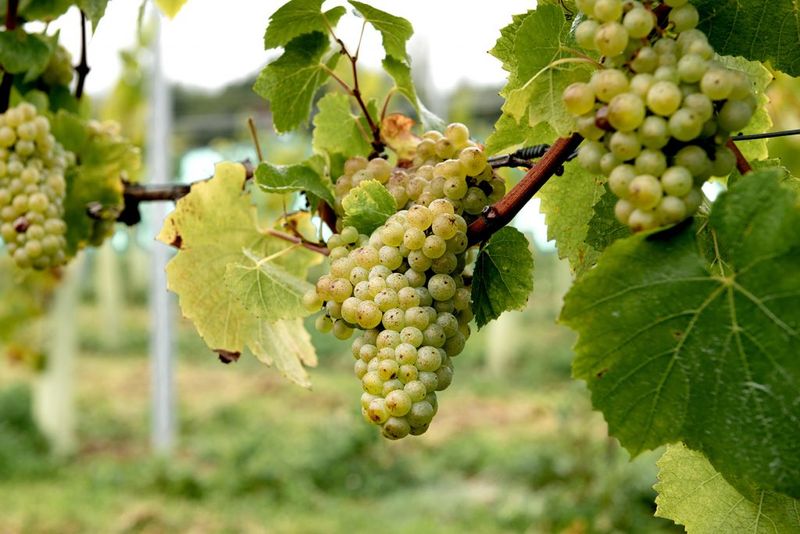
Traditional wine regions are becoming too hot for growing quality grapes, forcing vintners to plant in cooler areas or higher altitudes. Grapes are extremely sensitive to temperature changes during their growing season.
Famous wine regions like Bordeaux and Tuscany are already experiencing harvest problems due to unpredictable weather patterns. Some grape varieties that have grown in certain areas for centuries might need to be replaced with heat-resistant alternatives.
10. Peanuts
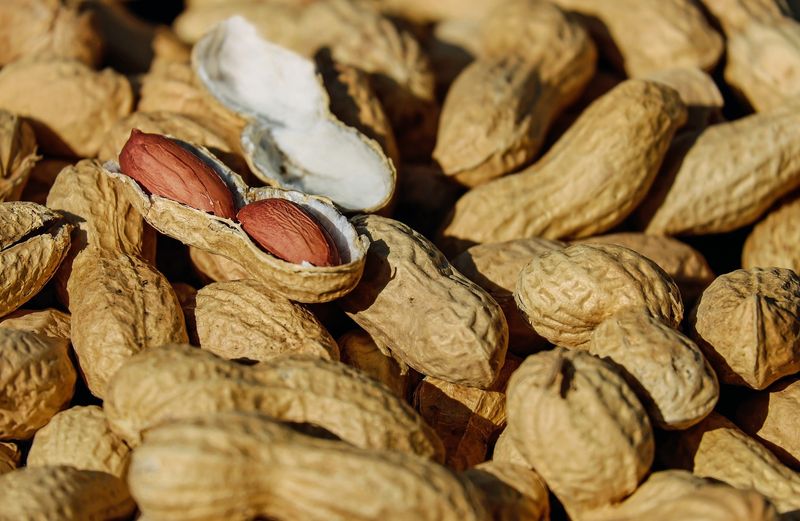
Peanut crops are increasingly threatened by extreme weather events and changing rainfall patterns that affect their underground growing process. These legumes need very specific soil conditions and moisture levels to develop properly.
Drought followed by heavy rains can destroy entire peanut harvests, while new fungal diseases are spreading more rapidly in warmer climates. Major peanut-producing regions in the southern United States are reporting more frequent crop failures than ever before.
11. Shellfish
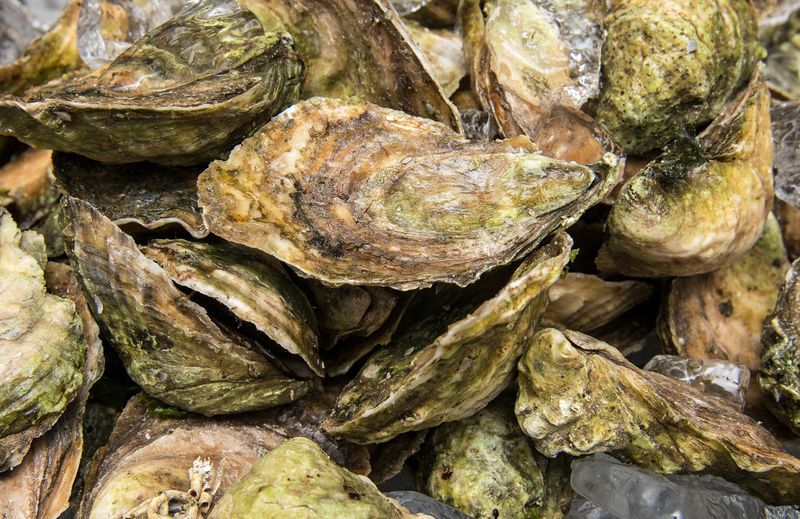
Ocean acidification caused by increased carbon dioxide is making it harder for shellfish to build their protective shells. Oysters, mussels, and clams are particularly vulnerable to these changing water conditions.
Warmer ocean temperatures are also creating more frequent toxic algae blooms that poison shellfish beds. Coastal pollution and rising sea levels are destroying traditional shellfish habitats, making it increasingly difficult for these creatures to survive and reproduce.
12. Vanilla
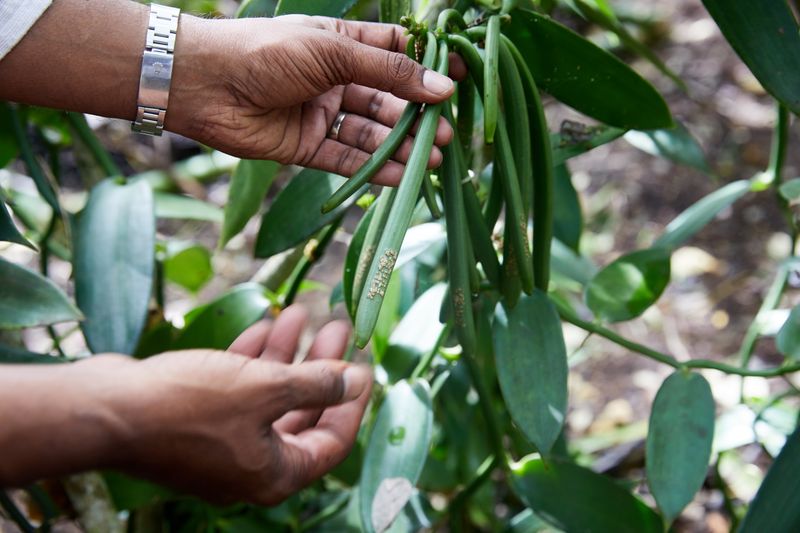
Real vanilla comes from orchids that are incredibly difficult to grow and require hand-pollination by skilled farmers. Madagascar produces most of the world's vanilla, but cyclones and political instability regularly destroy crops there.
Climate change is making weather patterns more unpredictable, threatening the delicate vanilla orchids that take three years to mature. Without these plants, real vanilla extract could become extremely rare and expensive, leaving us with only artificial substitutes.