



Grocery shopping can feel expensive, especially when trying to choose nutritious options. Certain items come with a high price tag, making it easy to overspend without realising it.
The good news is that there are plenty of affordable alternatives that still deliver on taste and nutrition, helping you eat well while keeping your budget in check.
This article is for general informational purposes only. Prices, availability, and nutritional content may vary by store and location. Photos are for illustrative purposes only.
1. Expensive Foods
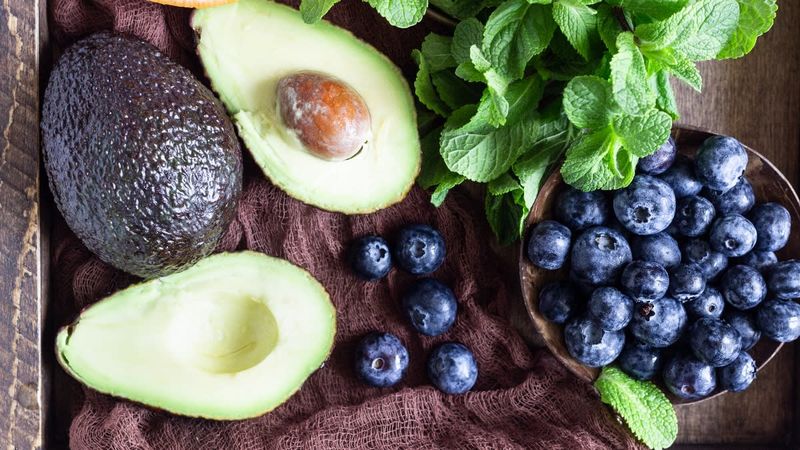
Certain foods have gained a reputation for being costly, whether due to their popularity, sourcing, or the way they’re marketed.
These items can make a noticeable dent in your grocery bill, especially if bought regularly, and may leave you wondering if the expense is really worth it.
Understanding which foods tend to be overpriced can help you plan smarter and avoid overspending.
2. Almond Butter
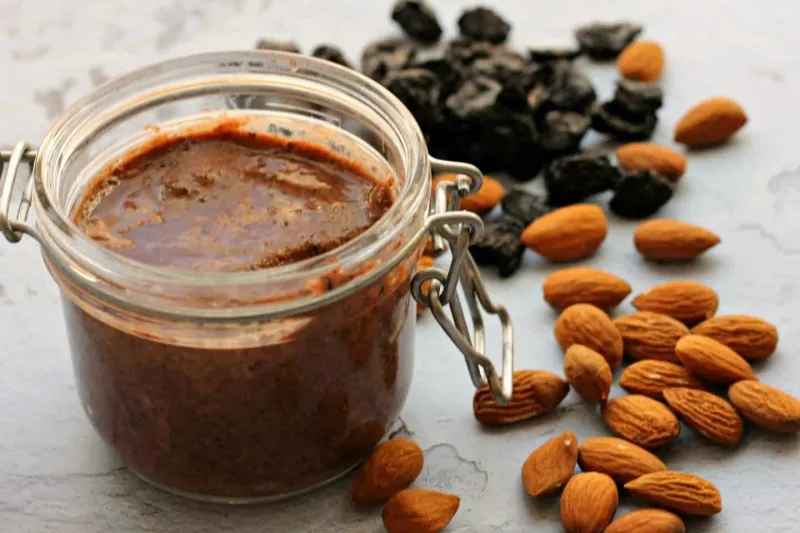
Here's a fun fact: almond butter costs nearly three times as much as its nutty cousin, yet both deliver similar nutritional benefits. This trendy spread has become a health food darling, commanding premium prices at supermarkets across Britain.
Whilst it's undeniably tasty, your bank account might not appreciate the habit. A standard jar can set you back anywhere from £5 to £8, making it one of the pricier pantry staples.
If you're spreading it on toast daily, those costs add up faster than you'd think.
3. Organic Quinoa
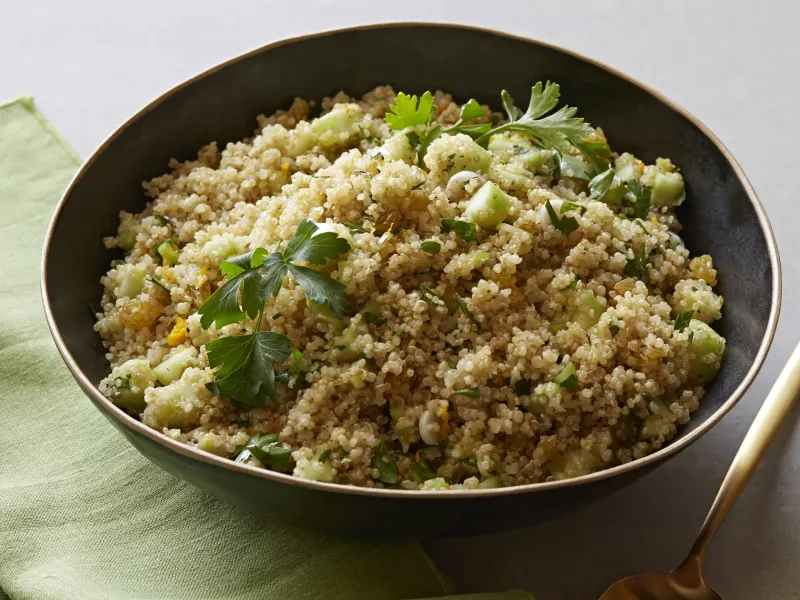
Quinoa arrived in the UK with all the fanfare of a superfood celebrity, and the price tag to match. This ancient grain from South America has become synonymous with healthy eating, but a bag of the organic stuff can easily cost £4 or more.
Whilst it's certainly nutritious and cooks up fluffy and delicious, it's not the only grain worth your attention. Many shoppers don't realise there are equally wholesome options sitting right beside it on the shelf.
4. Avocado
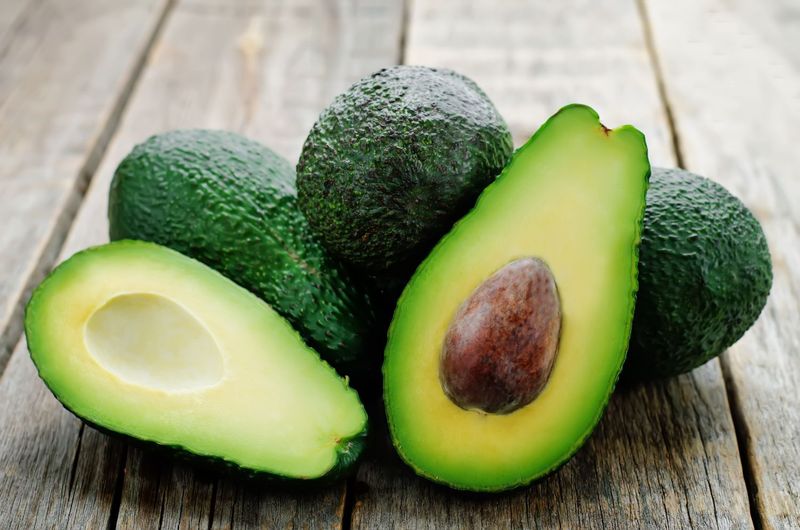
Avocados have become the poster child for millennial spending habits, and honestly, the jokes write themselves. These green gems can cost anywhere from £1 to £2 each, and they seem to go from rock-hard to mushy overnight.
Whilst they're undeniably creamy and nutritious, relying on them daily gets expensive quickly. The fact that they're shipped from distant countries doesn't help the price or the environmental footprint.
5. Fresh Blueberries
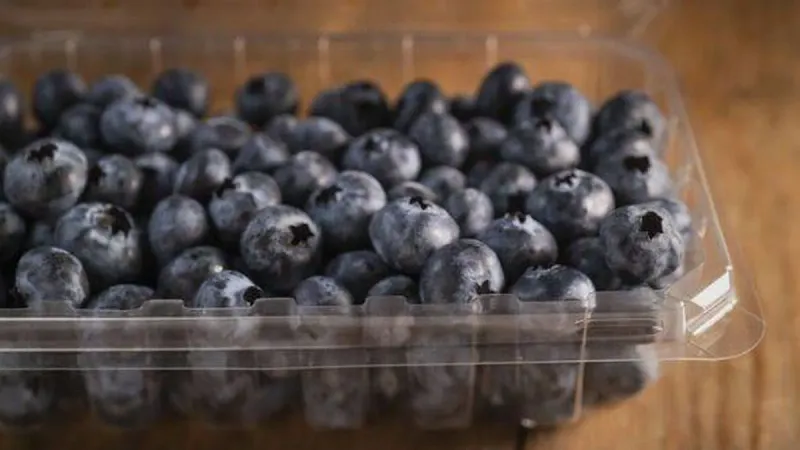
Blueberries have earned their reputation as antioxidant powerhouses, but buying them fresh year-round can feel like a luxury expense. A small punnet often costs £2.50 or more, and they spoil quickly if you don't eat them fast enough.
During British summer months, prices drop a bit, but the rest of the year you're paying premium rates for imported berries. They're lovely in porridge or yoghurt, but there's a smarter way to get your berry fix.
6. Aged Parmesan Cheese
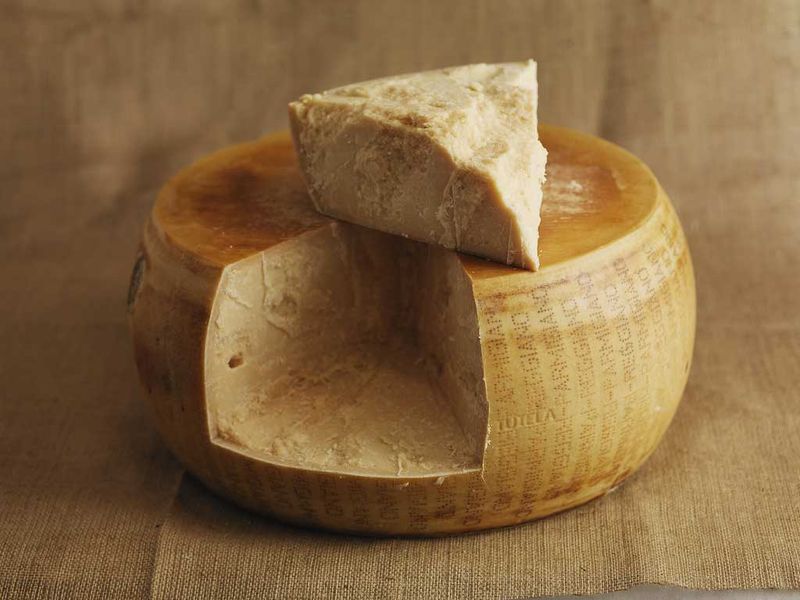
Authentic Parmigiano-Reggiano from Italy commands serious respect – and a serious price to match. A small wedge can easily cost £5 or more, making it one of the pricier cheese options at your local supermarket.
Whilst the flavour is undeniably rich and complex, not every recipe demands such an expensive ingredient. For everyday cooking, there are British cheeses that bring similar salty, umami depth without the imported price tag.
Your pasta won't know the difference, honestly.
7. Exotic Mushrooms
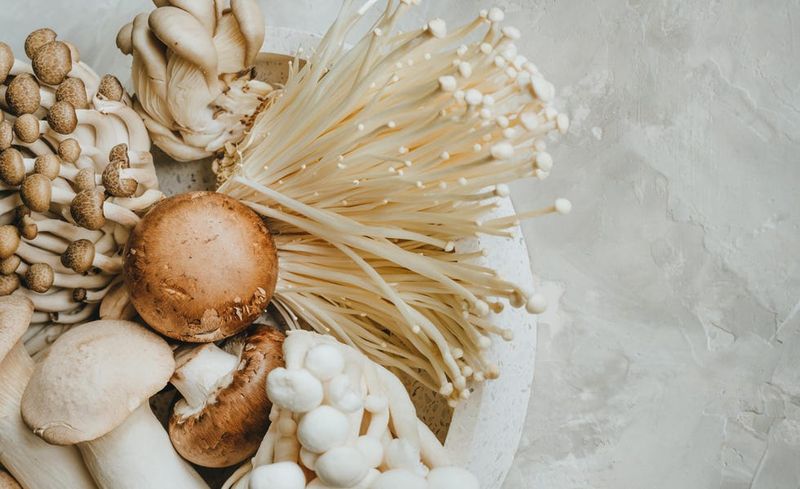
Shiitake, oyster, and other exotic mushrooms have become trendy additions to British cooking, but their price tags can be rather shocking. A small punnet of fancy fungi can set you back £3 or more, making them a luxury ingredient for most households.
Whilst they do bring unique flavours and textures, everyday mushrooms offer similar earthiness and versatility. For most recipes, you honestly don't need to splash out on the exotic varieties.
Save your money for something more worthwhile.
8. Salmon Fillets
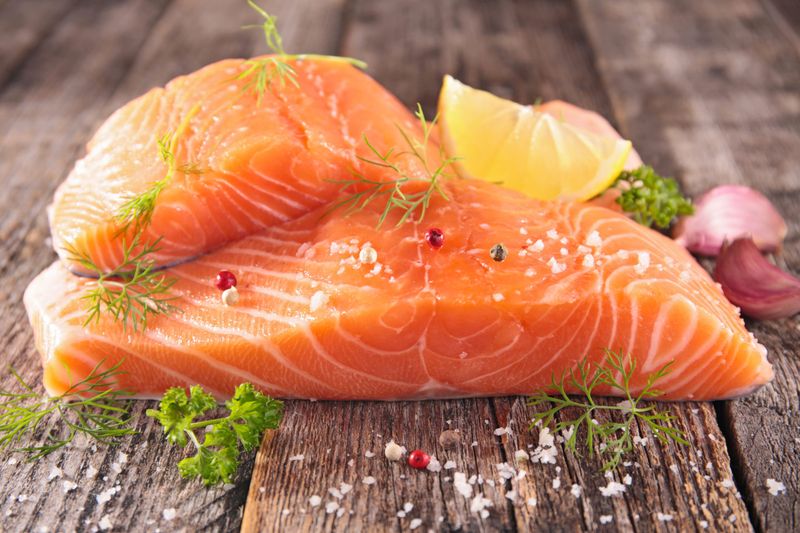
Salmon has become the go-to choice for anyone wanting to eat more omega-3-rich fish, but fresh fillets don't come cheap. You're often looking at £4 to £6 per portion, which adds up quickly if you're trying to eat fish twice a week.
Farmed salmon is more affordable than wild-caught, but even then, it's still a pricey protein. The good news is that other oily fish offer the same health benefits without the premium cost.
Your heart and wallet will both thank you.
9. Affordable Alternatives

Fortunately, there are plenty of budget-friendly options that can deliver similar satisfaction without the high cost.
By swapping these pricier choices for more economical alternatives, you can enjoy meals that are just as enjoyable and nutritious while keeping your grocery spending under control.
10. Peanut Butter
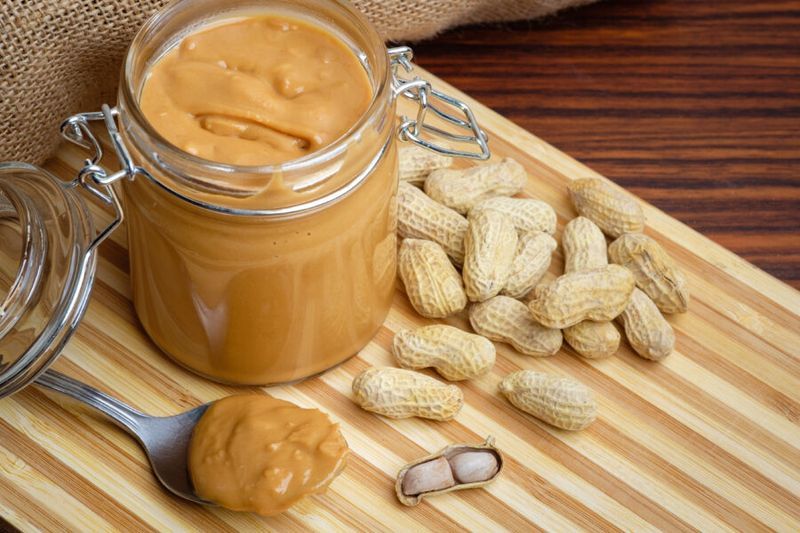
Peanut butter has been a British cupboard staple for generations, offering incredible value without compromising on protein or healthy fats. You can snag a decent jar for under £2, making it brilliantly budget-friendly for families.
It's packed with the same nutritional goodness – plenty of protein, fibre, and heart-healthy fats that keep you satisfied. Whether you prefer smooth or crunchy, it works beautifully on toast, in smoothies, or straight from the spoon at midnight.
Classic, affordable, and absolutely delicious.
11. Brown Rice Or Bulgur
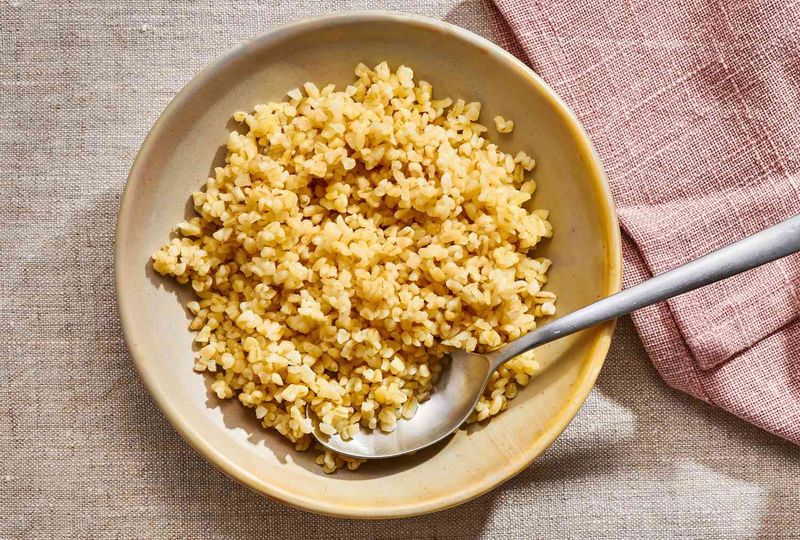
Brown rice and bulgur wheat are absolute champions when it comes to affordable wholegrains that actually taste lovely. Both cost a fraction of quinoa's price – often under £1.50 for a substantial bag – and they're just as nutritious.
Brown rice brings a nutty flavour and chewy texture, whilst bulgur cooks in minutes and works brilliantly in salads or as a side. They're both packed with fibre, vitamins, and minerals that support good health.
12. Frozen Peas Or Green Beans
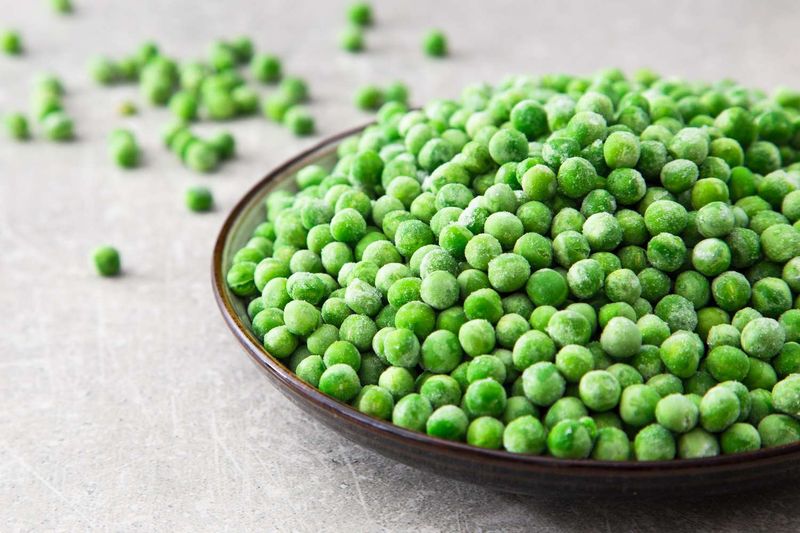
Frozen vegetables are criminally underrated, offering brilliant nutrition at pocket-friendly prices that won't make you wince. A bag of peas or green beans costs around £1 and lasts for ages in your freezer, ready whenever you need them.
They're flash-frozen at peak freshness, which actually preserves more vitamins than fresh veg that's been sitting around for days. Plus, there's zero waste – no wilted leaves or slimy bits to chuck out.
Convenient, nutritious, and properly affordable. What's not to love?
13. Frozen Mixed Berries
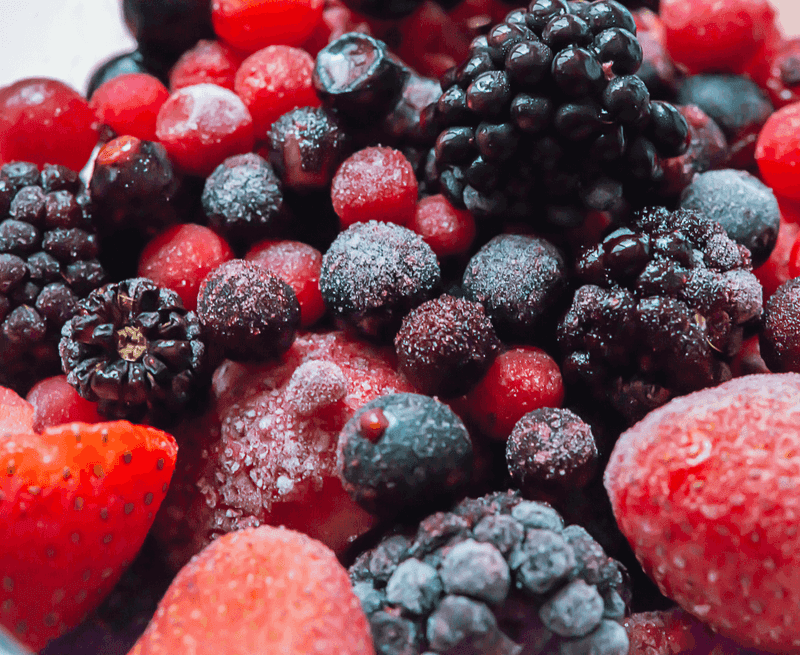
Frozen mixed berries are an absolute bargain, delivering all the nutritional goodness of fresh fruit at a fraction of the cost. You can grab a generous bag for around £2, and it'll last for months tucked away in your freezer.
They're perfect for smoothies, porridge, baking, or even defrosting as a quick snack. The freezing process locks in vitamins and antioxidants, so you're not missing out nutritionally.
Plus, there's something satisfying about always having berries on hand without the guilt of wasted fresh fruit going mouldy.
14. Grated Cheddar Or British Mature Cheese
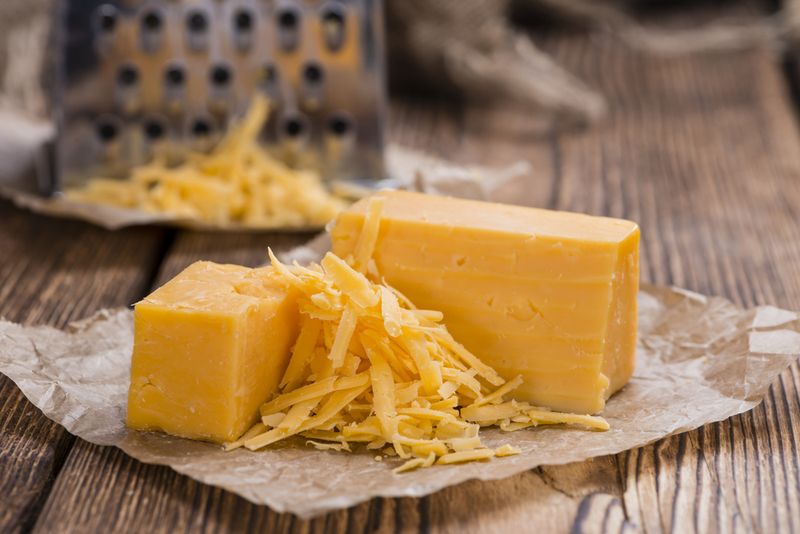
British cheddar, especially a good mature variety, brings incredible flavour at a much friendlier price point than imported Italian cheeses. You can find excellent options for around £2 to £3, and they work brilliantly in countless dishes.
A sharp, aged cheddar adds that salty, tangy punch to pasta, gratins, and salads without breaking the bank. It's also supporting British cheesemakers, which feels rather nice.
Sometimes the best ingredients are the ones made right here at home, proving delicious doesn't have to mean expensive.
15. Button Or Chestnut Mushrooms

Button and chestnut mushrooms are absolute workhorses in the kitchen, offering brilliant flavour and texture at bargain prices. You can grab a generous punnet for around £1, making them one of the best-value vegetables around.
They're perfect for everything from full English breakfasts to pasta sauces, stir-fries, and soups. Chestnut mushrooms have a slightly deeper, nuttier flavour than buttons, but both are wonderfully versatile.
Simple, affordable, and always reliable – just like a good British cuppa.
16. Mackerel Or Trout
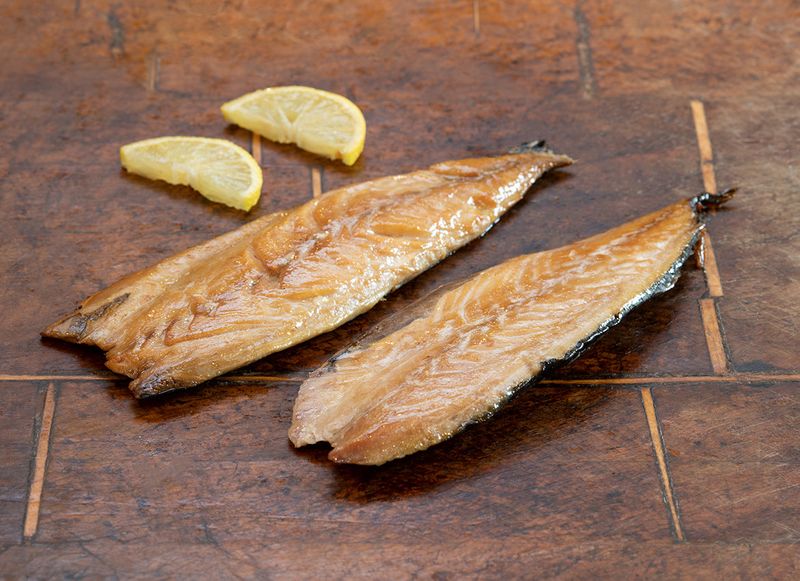
Mackerel and trout are brilliant, budget-friendly alternatives that pack just as much omega-3 goodness as salmon. Fresh mackerel fillets often cost under £2, and tinned versions are even cheaper whilst remaining incredibly nutritious.
Both fish have rich, flavourful flesh that works beautifully grilled, baked, or pan-fried with simple seasonings. Trout, often farmed in British waters, offers a milder taste that's perfect for those new to oily fish.
They're sustainable, affordable, and absolutely delicious – proper smart eating.