









Many everyday foods contain naturally occurring live cultures created through fermentation, a process that has been used for centuries to preserve ingredients and develop flavour. These cultures are commonly found in items such as yoghurt, kefir, and fermented vegetables, and they form part of a balanced approach to eating for many people.
Understanding where live cultures appear in food and how they fit into regular meals can help shoppers make more informed choices in the supermarket and at home.
Looking at a range of familiar products highlights how easily these foods can be incorporated into everyday cooking and meal planning.
This article is for general informational purposes only. Individual dietary needs and health responses may vary.
Anyone with underlying health conditions or specific dietary concerns should consult a qualified healthcare professional or registered nutritionist. Photos are for illustrative purposes only.
1. Live Natural Yoghurt
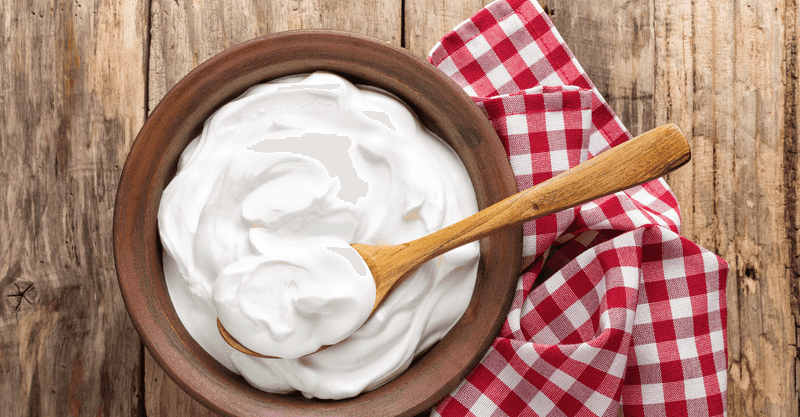
Creamy, tangy, and ridiculously versatile, natural yoghurt is probably the easiest way to get probiotics into your daily routine. Look for pots labelled with 'live and active cultures' to ensure you are getting the real deal, not just a sugary dessert masquerading as health food.
The bacteria Lactobacillus bulgaricus and Streptococcus thermophilus work together to ferment milk, creating that signature tartness and thickness. These friendly microbes help break down lactose, making yoghurt easier to digest than regular milk for many people.
Stir it into porridge, dollop it on curry, or eat it straight from the tub with a handful of berries.
2. Kefir
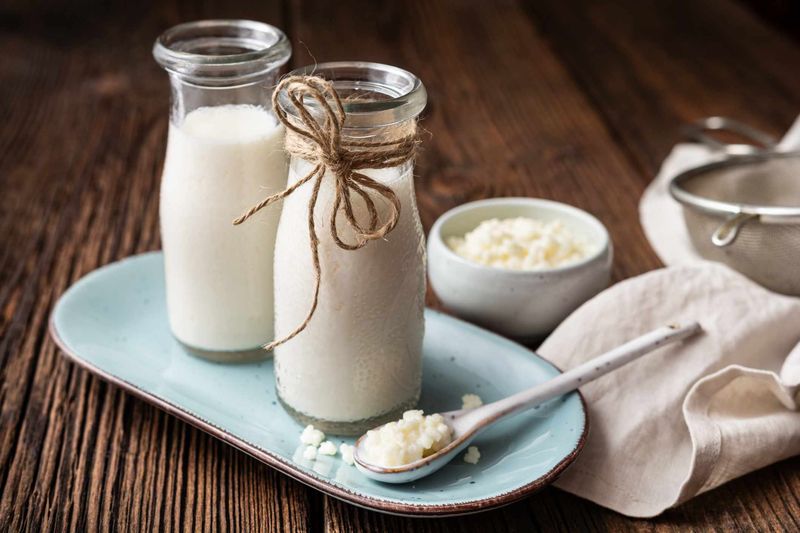
Think of kefir as yoghurt's cooler, more adventurous cousin. This tangy fermented milk drink is packed with a dazzling variety of probiotic strains, including both bacteria and yeast, making it a powerhouse for gut health.
Originally from the Caucasus Mountains, kefir grains (which look like tiny cauliflower florets) are added to milk and left to ferment. The result is a slightly fizzy, drinkable treat that is surprisingly gentle on the stomach.
Many people who struggle with lactose find kefir easier to handle because the fermentation process breaks down much of the milk sugar. Sip it straight, blend it into smoothies, or use it in pancake batter for extra fluffiness.
3. Unpasteurised Sauerkraut
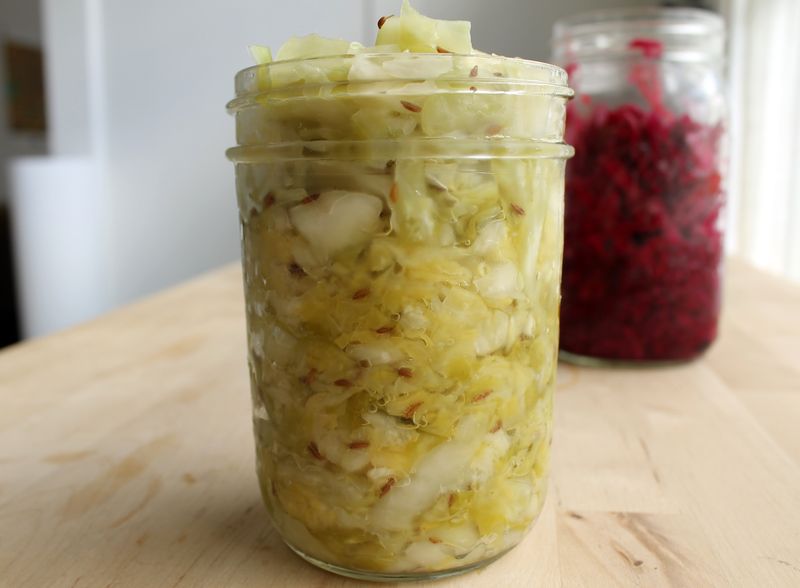
Cabbage gets a glow-up when it is fermented into sauerkraut, transforming from humble veg into a tangy, crunchy probiotic superstar. The key word here is 'unpasteurised', because heating kills off all those lovely live cultures you are after.
Salt and time are the only ingredients needed to create this traditional German staple. Lactic acid bacteria naturally present on the cabbage leaves get to work, breaking down sugars and producing that distinctive sour flavour.
Alongside probiotics, you will also get a good dose of fibre and vitamins C and K. Pile it onto sausages, toss it into salads, or eat it straight from the jar when no one is looking.
4. Unpasteurised Kimchi
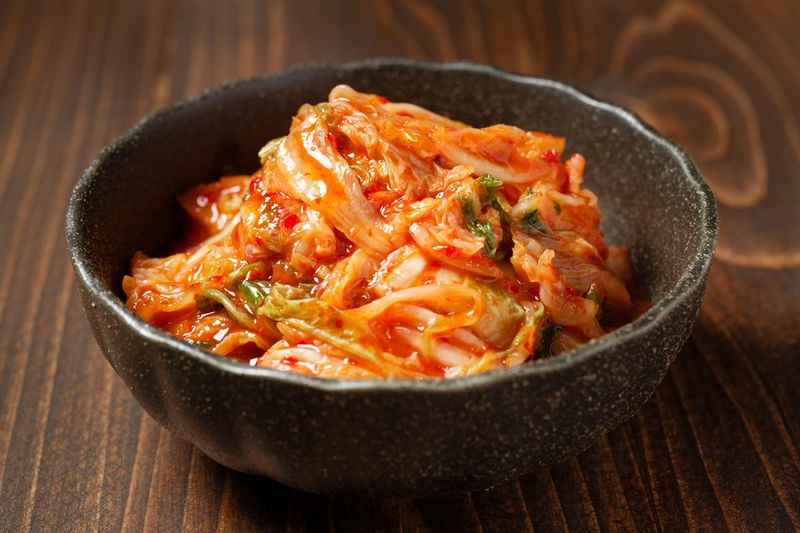
Spicy, funky, and utterly addictive, kimchi is Korea's gift to gut health. This fiery fermented vegetable dish, usually made with napa cabbage, is loaded with garlic, ginger, chilli pepper, and a symphony of probiotic bacteria.
Kimchi is not just about probiotics, though. It is also packed with antioxidants and anti-inflammatory compounds that can support your immune system.
The fermentation process creates complex flavours that develop and deepen over time.
Again, make sure you are buying unpasteurised versions to get the full probiotic benefit. Stir it through fried rice, top your toast with it, or add a spoonful to ramen for an instant flavour boost that your gut will thank you for.
5. Kombucha
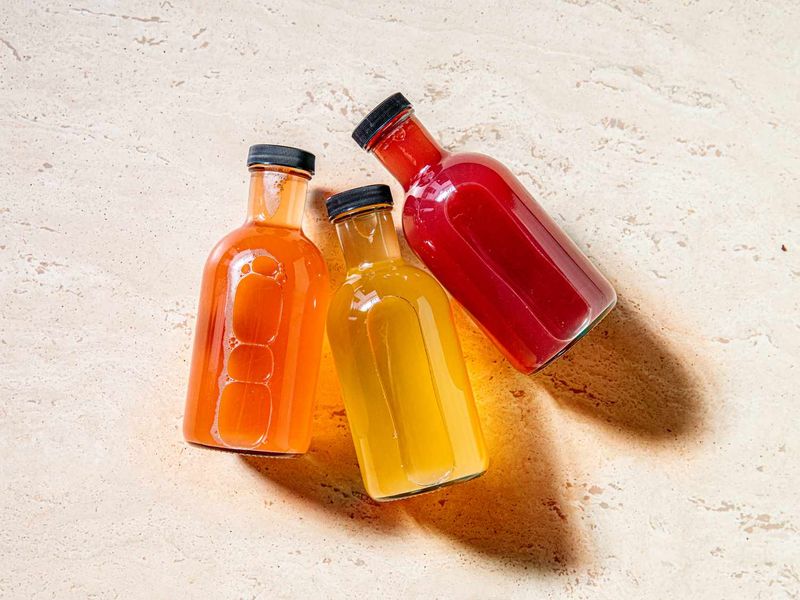
Fizzy, slightly sweet, and a bit mysterious, kombucha is fermented tea that has become the hipster darling of the health food world. A SCOBY (symbiotic culture of bacteria and yeast) transforms sweetened tea into this effervescent probiotic beverage.
The fermentation creates a range of beneficial bacteria and organic acids that can support digestive health. Flavours range from ginger and lemon to more adventurous combinations like raspberry and basil.
Kombucha has a unique tangy taste that takes some getting used to, but many people find it refreshing once they acquire the taste. Drink it chilled on its own, or use it as a base for mocktails when you fancy something a bit special without the hangover.
6. Unpasteurised Miso
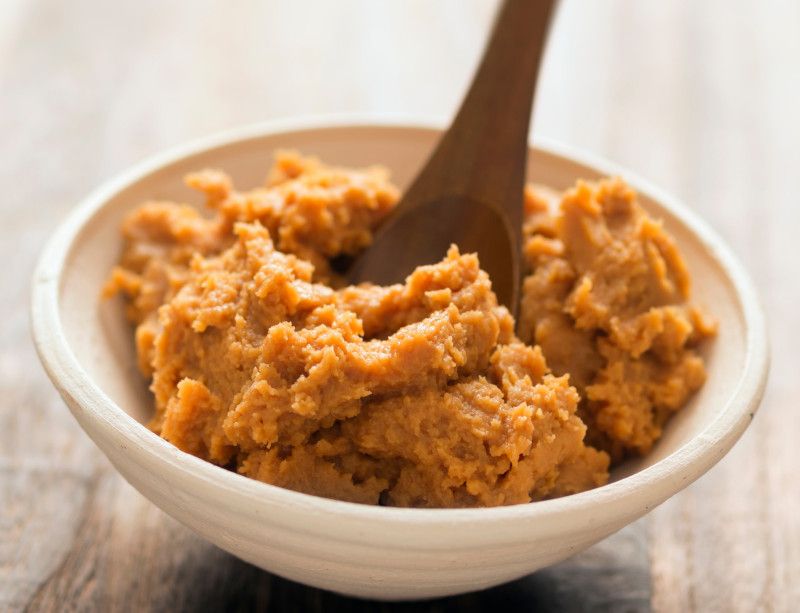
This thick, salty paste made from fermented soybeans is a cornerstone of Japanese cooking and a brilliant source of probiotics. Miso comes in different colours, from pale yellow to deep brown, with flavour intensity increasing as the colour darkens.
The fermentation process can take anywhere from a few months to several years, creating complex umami flavours that add depth to soups, marinades, and dressings. Unpasteurised miso retains all its beneficial bacteria, so check labels carefully.
One important tip: never boil miso, as high heat destroys the live cultures. Instead, dissolve it in a bit of warm liquid before stirring it into your dish at the end of cooking for maximum probiotic benefit.
7. Tempeh
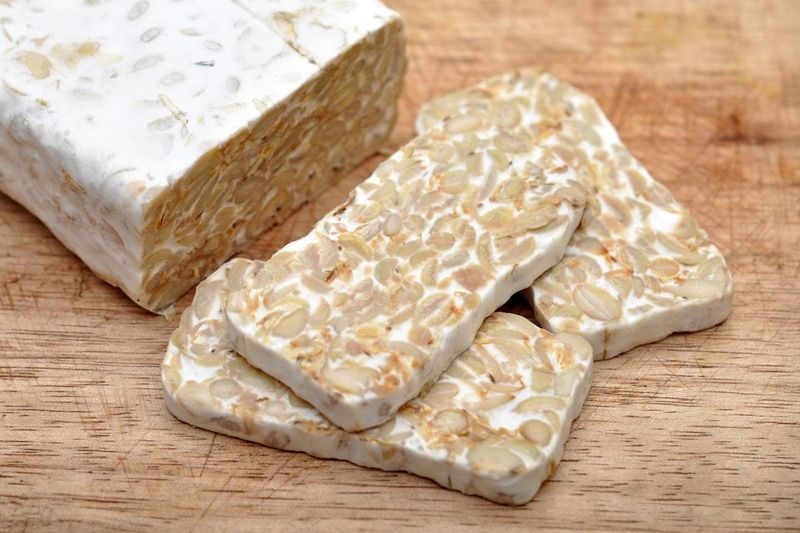
Originally from Indonesia, tempeh is made by fermenting cooked soybeans with a special mould that binds everything together into a firm, nutty cake. Unlike its softer cousin tofu, tempeh has a hearty texture that holds up beautifully in stir-fries and curries.
The fermentation not only creates probiotics but also makes the protein and nutrients in soybeans easier for your body to absorb. Tempeh is incredibly versatile and soaks up marinades like a dream.
Slice it, dice it, crumble it, or marinate and grill it until the edges go crispy. It works brilliantly as a meat substitute in sandwiches, salads, and pasta dishes, bringing both texture and a subtle earthy flavour to your plate.
8. Natto
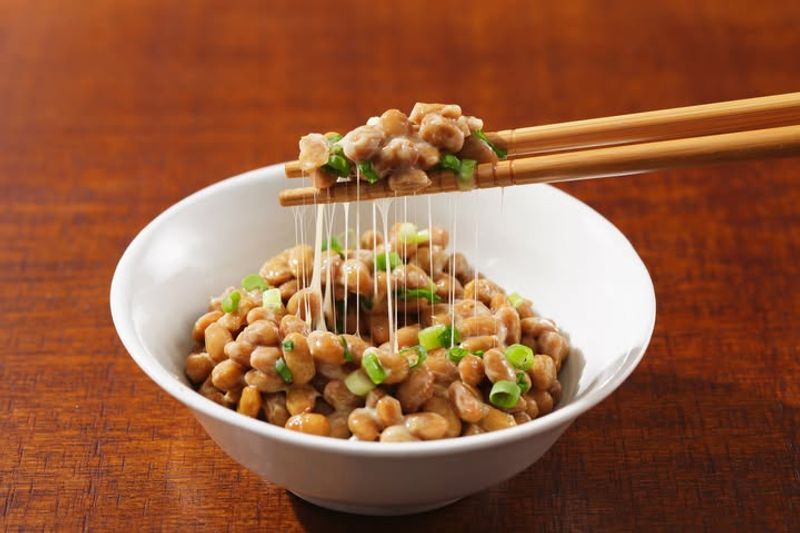
Right, let us be honest: natto is not for everyone. These sticky, stringy fermented soybeans have a pungent smell and unusual texture that divides opinion sharply.
In Japan, though, natto is a breakfast staple prized for its impressive nutritional profile.
The fermentation process creates an enzyme called nattokinase, alongside loads of probiotics, vitamin K2, and protein. Those characteristic sticky strings are actually a sign of successful fermentation.
Traditionally eaten over rice with a raw egg, soy sauce, and mustard, natto is an acquired taste that rewards the brave. If you can get past the initial shock, you might find yourself joining the devoted natto fan club.
9. Brine Fermented Pickles
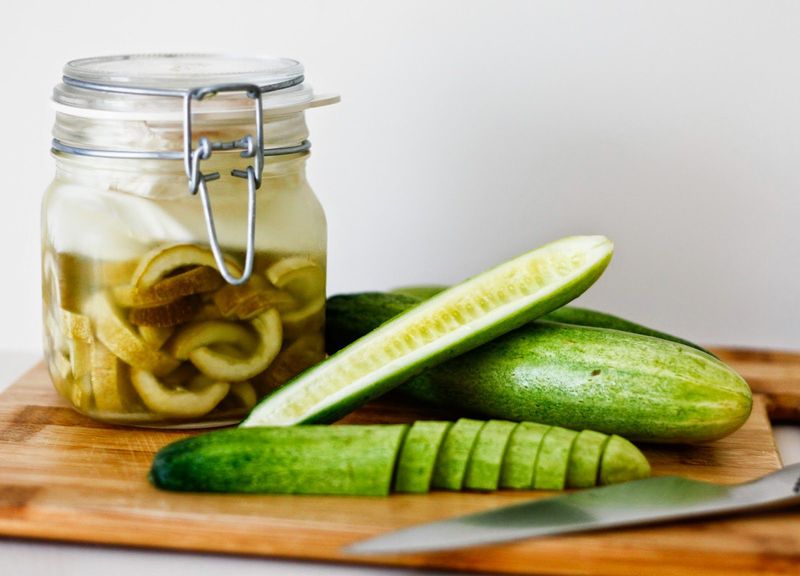
Not all pickles are created equal when it comes to probiotics. Cucumbers fermented in saltwater brine develop beneficial bacteria naturally, whilst those preserved in vinegar are just tangy vegetables without the gut health benefits.
Traditional fermentation takes a few days to a few weeks, during which lactic acid bacteria transform the cucumbers into crunchy, sour pickles bursting with probiotics. The longer they ferment, the more sour and probiotic-rich they become.
Look for pickles in the refrigerated section labelled 'naturally fermented' or 'lacto-fermented' rather than shelf-stable jars. Eat them as a snack, chop them into potato salad, or add them to sandwiches for a probiotic crunch that actually does something good for you.
10. Cultured Buttermilk
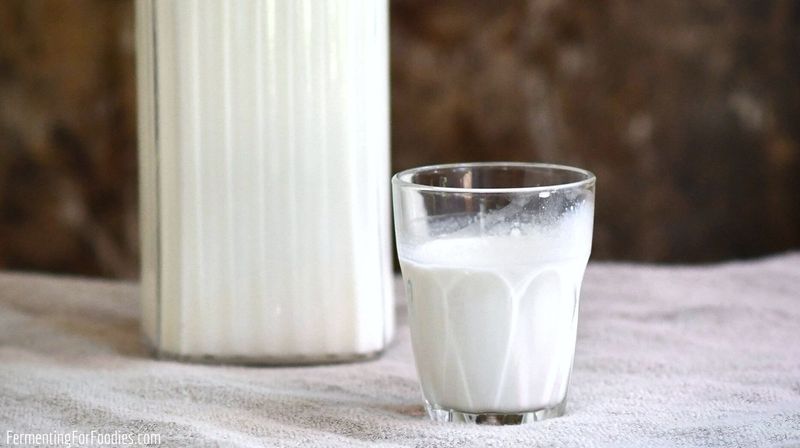
Despite its name, buttermilk is not particularly buttery, nor is it high in fat. Traditional buttermilk is the liquid left over after churning butter, whilst cultured buttermilk is made by adding lactic acid bacteria to low-fat milk.
The bacteria ferment the milk sugars, creating a thick, tangy drink that is surprisingly refreshing and packed with probiotics. It has a sharp, clean taste that works brilliantly in baking, making pancakes and scones incredibly light and fluffy.
Drink it cold on its own (perhaps an acquired taste), use it in smoothies for extra tang, or incorporate it into salad dressings and marinades. Just make sure the label says 'live cultures' to get the probiotic punch you are after.