











Living with Irritable Bowel Syndrome can feel like navigating a dietary minefield. One moment you're enjoying your favourite meal, the next you're doubled over with cramps, bloating, or rushing to the loo.
The good news? Making smart food swaps can dramatically reduce your symptoms and help you take back control of your gut health.
Let's explore which foods might be causing trouble – and the tasty alternatives that could bring relief.
1. Dairy Products

Cheese, milk, and ice cream might be delicious, but they're notorious IBS troublemakers. The culprit? Lactose – a sugar that many IBS sufferers struggle to digest properly.
When lactose isn't broken down effectively, it ferments in your gut, creating gas, bloating and sometimes diarrhoea. Even small amounts in your morning cuppa can trigger symptoms in sensitive individuals.
Full-fat dairy can be particularly problematic as the combination of fat and lactose creates a double whammy for your digestive system. Many people find their symptoms improve dramatically when they cut back or eliminate dairy altogether.
2. Fried Foods

Crispy chips, onion rings, and battered fish might satisfy cravings, but they're absolute nightmares for IBS sufferers. The excessive grease and fat content slows digestion to a crawl, giving your gut more time to react badly.
Your body struggles to break down these fatty foods properly, often leading to painful cramping and urgent bathroom trips. The oils used in frying can become oxidized at high temperatures, creating compounds that further irritate sensitive digestive systems.
Even seemingly innocent fried vegetables carry the same risks – it's the cooking method, not just the food itself, that causes trouble.
3. Processed Meats

Bacon, sausages, ham and deli meats might make for quick sandwiches, but they're packed with gut irritants. These meats typically contain additives like nitrates, excessive salt, and preservatives that can aggravate a sensitive digestive system.
Many processed meats also contain hidden FODMAPs – fermentable carbohydrates that are particularly problematic for IBS sufferers. The high fat content further compounds the problem, slowing digestion and potentially triggering painful spasms.
The smoking or curing process creates compounds that some people find particularly difficult to tolerate, making that Sunday morning bacon butty a recipe for discomfort.
4. Beans And Lentils

Notorious for their musical after-effects, beans and lentils contain specific sugars that human digestive systems struggle to break down. These oligosaccharides pass undigested into your large intestine, where gut bacteria feast on them, producing gas as a byproduct.
For IBS sufferers, this normal process becomes exaggerated, leading to uncomfortable bloating, cramping and embarrassing flatulence. The high fibre content, while normally beneficial, can further irritate an already sensitive gut during flare-ups.
Even small portions of hummus or bean chilli can trigger symptoms in susceptible individuals. The reaction varies widely – some people might tolerate small amounts while others experience discomfort from just a spoonful.
5. Caffeinated Beverages

That morning coffee might kickstart your brain, but it's also kickstarting your gut – and not in a good way. Caffeine stimulates the intestinal muscles, speeding up transit time and potentially triggering urgent bathroom trips for IBS sufferers.
Coffee in particular has a double effect – the caffeine and the acidity both irritate sensitive digestive systems. Even tea and energy drinks can cause problems, especially on an empty stomach or during a flare-up.
Many people don't realise chocolate contains caffeine too, making that comforting hot cocoa potentially problematic. The stimulating effects can be particularly troublesome for those with diarrhoea-predominant IBS.
6. Alcohol

That Friday night pint or glass of wine might seem like a well-deserved treat, but alcohol is particularly harsh on IBS-prone digestive systems. Alcohol directly irritates the intestinal lining and can trigger inflammation in sensitive individuals.
Beer and ale are double offenders – they contain both alcohol and fermentable carbohydrates that feed troublesome gut bacteria. Wine, especially red, contains histamines and tannins that some people react badly to.
Spirits mixed with fizzy, sugary drinks create the perfect storm of IBS triggers. Many sufferers report that alcohol not only causes immediate symptoms but can trigger longer-lasting flare-ups lasting several days.
7. Carbonated Drinks

Those refreshing bubbles in fizzy drinks might tingle pleasantly on your tongue, but they spell trouble once they reach your intestines. The gas that creates those satisfying bubbles doesn't magically disappear – it continues into your digestive system, contributing to bloating and discomfort.
Many carbonated beverages also contain high amounts of sugar or artificial sweeteners, creating a double whammy for IBS sufferers. The combination of gas, sweeteners and often caffeine creates the perfect storm for triggering symptoms.
Even seemingly innocent sparkling water can cause problems for those with sensitive systems. The trapped gas distends the bowel, potentially triggering pain and irregular bowel movements.
8. High-FODMAP Vegetables

Not all veggies are created equal when it comes to IBS. Certain otherwise healthy vegetables – like onions, garlic, cauliflower and mushrooms – contain high levels of FODMAPs, fermentable carbohydrates that can wreak havoc on sensitive digestive systems.
These FODMAPs act like fast food for your gut bacteria, which feast on them and produce excess gas as a byproduct. For many IBS sufferers, even small amounts of these vegetables can trigger uncomfortable bloating, cramping and altered bowel habits.
The tricky part? These problematic vegetables are often hidden in sauces, soups and pre-prepared meals. Even the garlic and onion powder used in many seasonings can be enough to trigger symptoms in highly sensitive individuals.
9. Gluten

That crusty bread or bowl of pasta might be comfort food for some, but for many IBS sufferers, gluten-containing grains spell disaster. Gluten – a protein found in wheat, barley and rye – can trigger symptoms even in people without coeliac disease through what's called non-coeliac gluten sensitivity.
The exact mechanism isn't fully understood, but many people report significant improvement when they reduce or eliminate gluten. These grains also contain fructans, a type of FODMAP that can ferment in the gut and cause gas, bloating and pain.
Hidden gluten lurks in many processed foods, sauces and even some medications, making it a challenging trigger to avoid completely. The good news? Gluten-free options are more widely available than ever before.
10. Artificial Sweeteners

Those 'diet' or 'sugar-free' labels might seem like healthier choices, but the artificial sweeteners they contain can be gut grenades for IBS sufferers. Sweeteners like sorbitol, xylitol and mannitol aren't properly absorbed by your body, creating a feast for your gut bacteria.
As these bacteria process the sweeteners, they produce excessive gas, leading to bloating, cramping and sometimes diarrhoea. Even small amounts found in chewing gum or mints can trigger symptoms in sensitive individuals.
Many people don't realise these sweeteners appear in unexpected places – from toothpaste to medications. The reaction can be particularly severe with sugar-free sweets and chocolates, which often contain higher concentrations.
11. Lactose-Free Dairy

Missing your morning cereal? Lactose-free alternatives offer the creamy goodness of dairy without the digestive drama. These products contain an enzyme called lactase that pre-digests the troublesome lactose sugar before it reaches your gut.
Many IBS sufferers find they can enjoy lactose-free milk, yoghurt and even ice cream without triggering symptoms. The protein and calcium content remains intact, so you're not sacrificing nutritional benefits when making the switch.
Start with small portions to see how your body responds – some people with severe IBS may still react to other components in dairy. Coconut, almond or oat-based alternatives can be good backup options if lactose-free dairy still causes problems.
12. Grilled Or Baked Foods

Swap the fryer for the grill or oven and your gut will thank you! These gentler cooking methods preserve flavour without adding the excessive fat that triggers IBS symptoms. Grilling allows fat to drip away, while baking requires minimal added oil.
Marinating foods before grilling or baking adds moisture and flavour without resorting to problematic fats. Try lemon juice, herbs, and a touch of olive oil for a gut-friendly flavour boost.
Foil packets are particularly IBS-friendly – they steam food gently while sealing in nutrients and flavour. Experiment with grilled chicken, baked fish, and roasted vegetables seasoned with IBS-safe herbs and spices for delicious meals that won't cause digestive distress.
13. Lean Meats

Chicken, turkey and lean cuts of beef or pork offer protein without the digestive drama of their fattier, processed cousins. These clean protein sources are typically well-tolerated by IBS sufferers and provide essential nutrients without excess fat that can trigger symptoms.
Removing visible fat and skin before cooking further reduces the likelihood of digestive distress. Gentle cooking methods like poaching, grilling or baking keep these proteins IBS-friendly.
Many people find that incorporating moderate portions of these lean proteins helps stabilise bowel movements – particularly helpful for those with diarrhoea-predominant IBS. Try adding herbs like rosemary or thyme rather than garlic or onion-based seasonings for flavour that won't upset your gut.
14. Well-Cooked Vegetables

Raw veggies might be nutritional powerhouses, but their high fibre content can be tough on sensitive digestive systems. Cooking vegetables breaks down some of this fibre, making them gentler on your gut while preserving most nutrients.
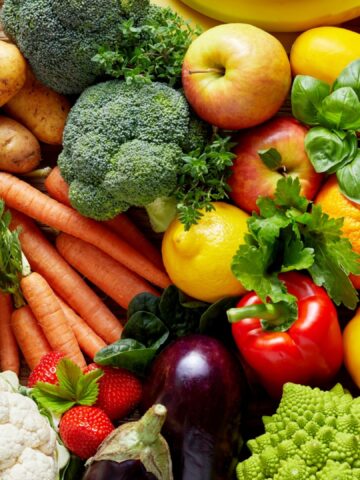
Steaming, roasting or sautéing low-FODMAP vegetables like carrots, courgettes, and bell peppers creates delicious sides that most IBS sufferers can tolerate. The cooking process softens cell walls, giving your digestive system a head start on breaking them down.
Experiment with cooking times – some people find that well-cooked, almost soft vegetables work best during flare-ups, while slightly firmer textures are fine when symptoms are under control. Peeling vegetables removes additional fibre for those with very sensitive systems.
15. Herbal Teas

Fancy a comforting cuppa without the caffeine crash? Herbal teas offer warm, soothing relief for IBS sufferers. Peppermint tea is particularly beneficial, with natural antispasmodic properties that can help relax intestinal muscles and reduce cramping.
Ginger tea works wonders for nausea and general digestive discomfort, while chamomile has gentle anti-inflammatory properties that can ease gut irritation. These calming brews provide hydration without the stimulating effects of caffeinated drinks.
Fennel and aniseed teas have traditionally been used to reduce bloating and gas. Experiment with different varieties to find your perfect match – just check that your chosen tea doesn't contain added sweeteners or problematic ingredients like chicory root.
16. Low-FODMAP Fruits

Fruit doesn't have to be forbidden when you have IBS! While some fruits can trigger symptoms, plenty of low-FODMAP options provide sweetness and nutrition without the digestive drama.
Ripe bananas, blueberries, strawberries, oranges and kiwis are generally well-tolerated in reasonable portions. These fruits contain less of the fermentable carbohydrates that cause problems for IBS sufferers.
Portion size matters – even safe fruits can cause issues if eaten in large quantities. A handful of berries or one small banana is often perfect. Some people find that peeling fruits removes additional fibre that might be problematic, while others discover that eating fruit with a protein source slows digestion and reduces symptoms.
17. Gluten-Free Grains

Rice, quinoa, and buckwheat offer satisfying alternatives to problematic wheat-based products. These naturally gluten-free grains provide energy and nutrients without triggering the symptoms that wheat, barley and rye can cause in IBS sufferers.
White rice is particularly gentle on sensitive digestive systems – the milling process removes the fibrous outer layers that can cause irritation. Quinoa offers complete protein and a pleasant nutty flavour, making it perfect for hearty salads or side dishes.
Oats are technically gluten-free but are often processed in facilities that handle wheat, so look for certified gluten-free versions if you're highly sensitive. Try incorporating these grains into your diet gradually to give your system time to adjust to the change.
18. Plain, Non-Carbonated Water

Nothing beats good old-fashioned water for keeping your digestive system running smoothly. Unlike its fizzy counterparts, still water hydrates without introducing gas bubbles that can worsen bloating and discomfort.
Proper hydration softens stools, making them easier to pass – particularly beneficial for constipation-predominant IBS. Many people find that sipping water throughout the day, rather than gulping large amounts at once, helps prevent triggering symptoms.
If plain water seems boring, try adding IBS-friendly flavourings like a slice of lemon, cucumber or a few berries. Room temperature water is often better tolerated than very cold drinks, which can sometimes trigger intestinal spasms in sensitive individuals.
19. Fermented Foods

Surprisingly, certain fermented foods can be allies for your angry gut! Yogurt containing live cultures, kefir, and small amounts of sauerkraut introduce beneficial bacteria that may help restore balance to your digestive system.
These probiotic powerhouses can improve overall gut health and potentially reduce IBS symptoms over time. The fermentation process pre-digests some of the problematic compounds, making these foods easier to tolerate than their unfermented counterparts.
Start with tiny portions – a tablespoon of sauerkraut or a few spoonfuls of yogurt – and gradually increase as tolerated. Choose plain varieties without added sweeteners or flavourings that might trigger symptoms. Some people find that homemade versions with longer fermentation times are better tolerated than commercial products.
20. Nuts And Seeds (In Moderation)

Small handfuls of certain nuts and seeds can provide protein, healthy fats and nutrients without triggering IBS symptoms. Macadamias, brazil nuts, and pumpkin seeds are generally well-tolerated options when consumed in sensible portions.
The key word is moderation – even friendly nuts can cause problems if you eat too many at once. Chewing thoroughly helps break down the tough fibres before they reach your sensitive intestines.
Some people find that roasted nuts are easier to digest than raw ones. Nut butters made from single ingredients (just nuts, no additives) can be gentler options for getting the nutritional benefits without overtaxing your digestive system. Avoid heavily seasoned varieties with garlic or onion powders that might trigger symptoms.



Comments
No Comments