










Your heart works around the clock – and what you eat has a major impact on how well it keeps going. Some foods quietly put extra strain on your arteries, while others help them stay strong and flexible.
Knowing which is which can make all the difference to your long-term health. From artery-clogging culprits to heart-healthy heroes, here’s how your plate can shape your heart’s future.
This article is for general informational purposes only and should not be taken as medical advice. Dietary needs and health conditions vary by individual. Always consult a qualified healthcare professional before making changes to your diet. Photos are for illustrative purposes only.
1. Foods That Can Clog Your Arteries
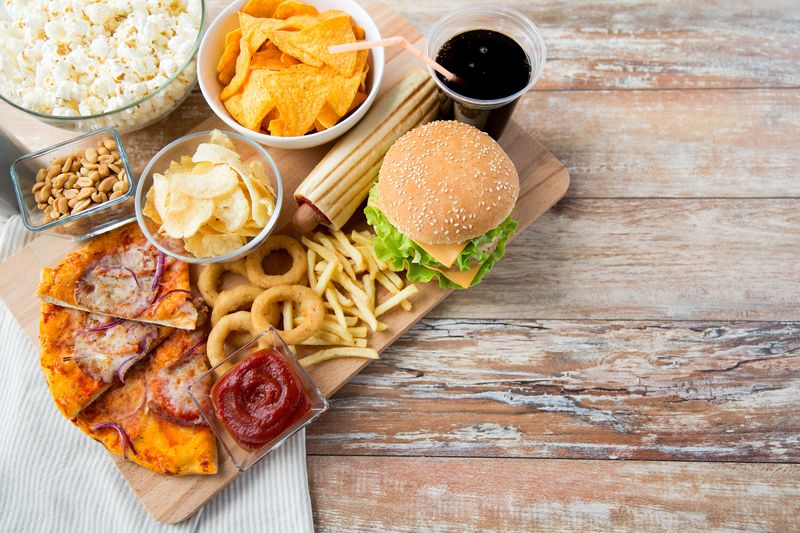
Not all fats and comfort foods are harmless. Some everyday favourites are loaded with saturated fats, trans fats, and refined sugars that can quietly build up in your arteries over time.
This buildup, known as plaque, can restrict blood flow and increase the risk of heart disease. Recognising which foods are doing more harm than good is the first step to protecting your cardiovascular health.
2. Processed Meats Like Bacon And Sausages

A full English breakfast might be a weekend treat, but those crispy bacon rashers and juicy sausages come with a serious downside. Packed with saturated fats and sodium, processed meats can raise your cholesterol levels and contribute to plaque build-up in your arteries.
According to nutritionists, regularly eating these foods increases your risk of heart disease significantly. The preservatives and additives don't help either, adding extra strain on your cardiovascular system. If you love a fry-up, try limiting it to occasional indulgences rather than daily habit.
3. Fried Foods Including Chips And Doughnuts

There's something undeniably comforting about a portion of hot chips from the chippy or a jammy doughnut from Greggs. But deep-fried foods absorb loads of unhealthy fats during cooking, which can wreak havoc on your arteries over time.
Trans fats and oxidised oils from repeated frying are particularly nasty culprits. They increase bad cholesterol whilst lowering the good kind, creating the perfect storm for heart trouble. Enjoying these treats occasionally is fine, but making them a regular part of your diet isn't doing your ticker any favours.
4. Full-Fat Dairy Products Such As Butter And Cream
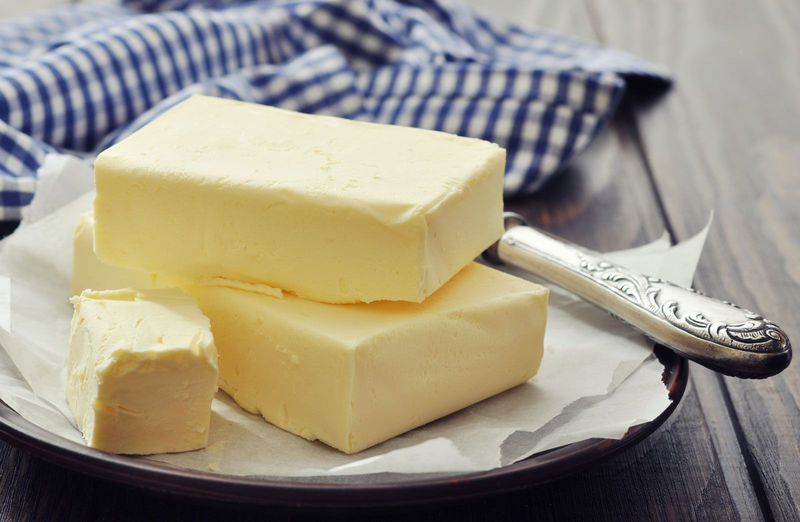
Butter on your toast and cream in your tea might feel quintessentially British, but full-fat dairy is loaded with saturated fat. This type of fat raises LDL cholesterol, which can stick to artery walls and cause blockages.
Whilst dairy does provide calcium and vitamins, the high-fat versions can be problematic if consumed in large amounts. Switching to lower-fat alternatives or plant-based options can make a real difference to your heart health. Moderation is key, so perhaps save the double cream for special Sunday roasts rather than everyday use.
5. Sugary Baked Goods Like Pastries And Muffins

That mid-morning pain au chocolat or blueberry muffin from Pret might seem harmless, but sugary baked goods are a double threat. They're typically made with refined flour, butter, and heaps of sugar, all of which contribute to inflammation and arterial damage.
Excess sugar in your diet gets converted to triglycerides, a type of fat that clogs arteries. The refined carbs also cause blood sugar spikes, putting extra stress on your heart. If you fancy something sweet, opt for fruit or a small piece of dark chocolate instead of pastries loaded with hidden nasties.
6. Processed Snacks High In Trans Fats

Grabbing a packet of crisps or a sleeve of biscuits feels convenient, but many processed snacks contain partially hydrogenated oils, a major source of trans fats. These artificial fats are incredibly harmful, raising bad cholesterol whilst simultaneously lowering good cholesterol.
Even snacks labelled as low-fat can be misleading, often packed with salt and additives instead. Trans fats promote inflammation and damage blood vessel linings, accelerating heart disease. Check ingredient lists carefully and choose whole-food snacks like nuts or vegetable sticks when you need something quick and satisfying.
7. Foods That Support Heart Health
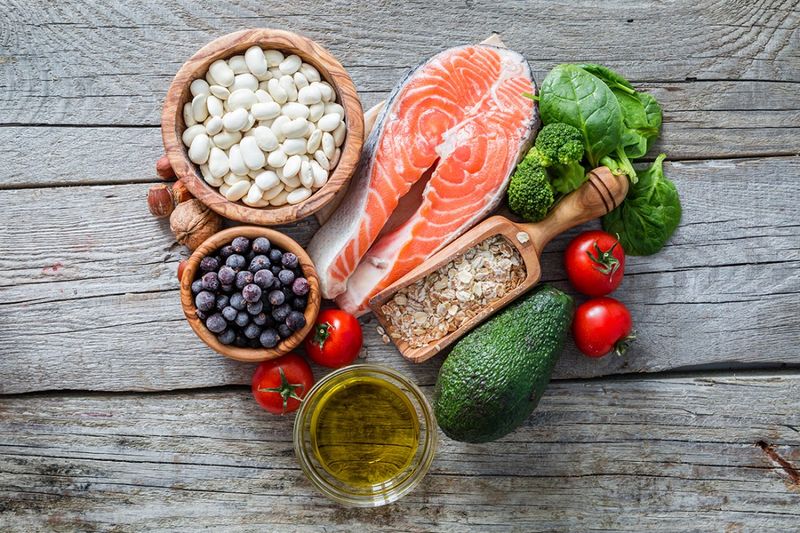
On the flip side, certain foods actively help your heart stay strong. Packed with fibre, antioxidants, and healthy fats, they work to lower cholesterol and keep your arteries clear.
From oily fish rich in omega-3s to whole grains and colourful fruit, these ingredients can make a real difference – one bite at a time.
8. Oats And Whole Grains For Better Cholesterol Levels
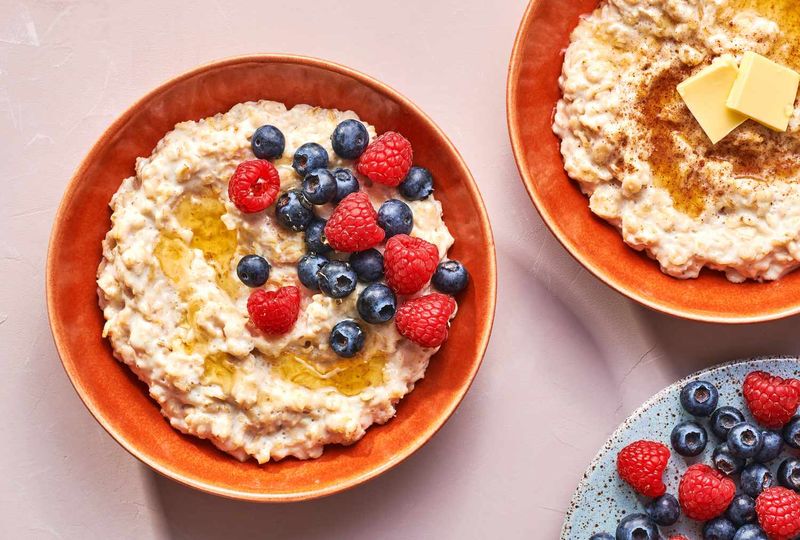
Porridge might not be glamorous, but it's an absolute champion when it comes to heart health. Oats contain a special type of fibre called beta-glucan, which actively helps lower LDL cholesterol by binding to it in your digestive system.
Whole grains like brown bread, quinoa, and barley also provide steady energy without spiking your blood sugar. Doctors often recommend starting your day with oats because they keep you fuller longer and support healthy cholesterol levels. A warm bowl with some berries on top makes a brilliant, heart-friendly breakfast.
9. Fatty Fish Rich In Omega-3s Like Salmon And Mackerel
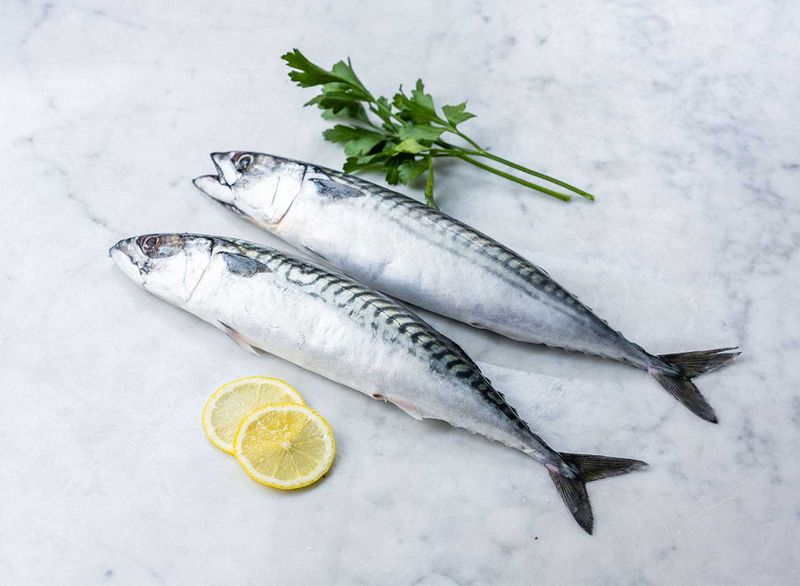
Our island nation has brilliant access to oily fish, and your heart will thank you for eating more of it. Salmon, mackerel, sardines, and herring are packed with omega-3 fatty acids, which reduce inflammation and lower triglyceride levels.
These healthy fats also help prevent dangerous blood clots and keep your heart rhythm steady. Nutritionists suggest eating oily fish at least twice a week for maximum benefit. Whether it's smoked mackerel on toast or a simple grilled salmon fillet, incorporating these into your weekly menu is one of the easiest heart-healthy swaps you can make.
10. Avocados Packed With Healthy Fats
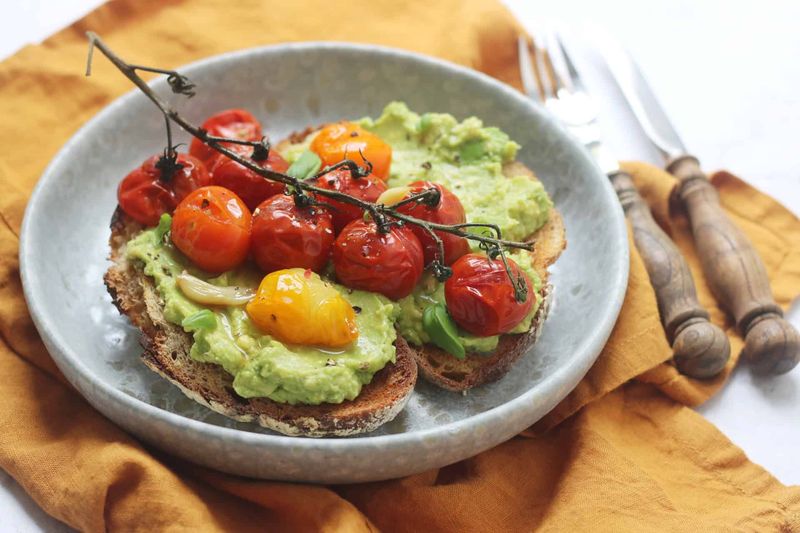
Avocado toast has become a staple on British brunch menus, and there's good reason beyond the Instagram appeal. Avocados are loaded with monounsaturated fats, the kind that actually improve your cholesterol profile by raising good HDL cholesterol.
They're also rich in potassium, which helps regulate blood pressure and supports overall cardiovascular function. Despite being calorie-dense, the fats in avocados are incredibly beneficial for your heart when eaten in sensible portions. Mash one onto wholegrain toast or toss chunks into salads for a creamy, heart-protective boost.
11. Berries Full Of Antioxidants And Fibre
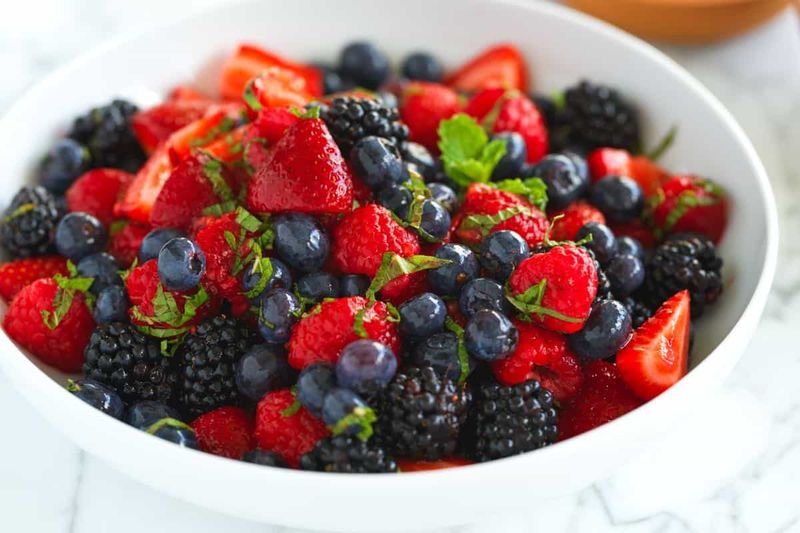
British summers bring a glorious bounty of strawberries, raspberries, and blackberries, and they're genuinely superb for your heart. Berries are bursting with antioxidants called anthocyanins, which reduce oxidative stress and inflammation in your blood vessels.
They're also high in fibre, which helps control cholesterol and blood sugar levels. Studies show that people who eat berries regularly have lower rates of heart attacks. Fresh, frozen, or stirred into porridge, these little powerhouses are as delicious as they are protective. Grab them when they're in season for the best flavour and nutritional punch.
12. Nuts And Seeds That Promote Good Heart Function
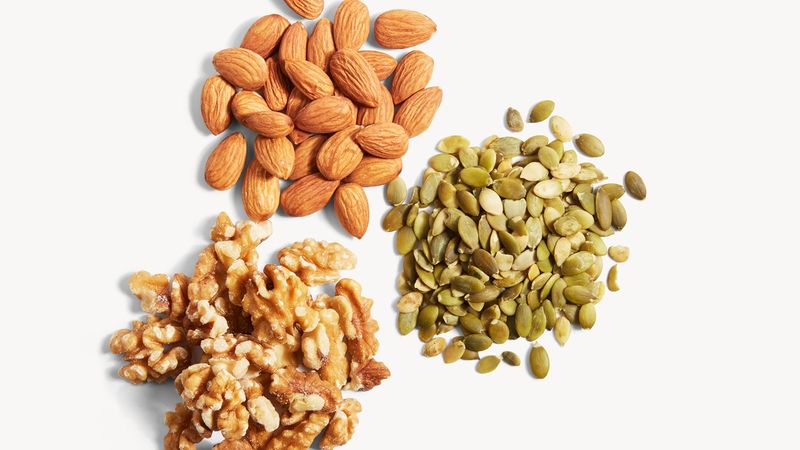
Keeping a stash of nuts and seeds in your cupboard is one of the smartest moves for heart health. Almonds, walnuts, flaxseeds, and pumpkin seeds are all loaded with healthy fats, fibre, and plant sterols that help lower cholesterol.
Walnuts, in particular, are brilliant sources of omega-3s, rivalling even fish in some respects. A small handful as a snack or sprinkled over salads provides lasting energy and cardiovascular protection. Just watch portion sizes, as they're calorie-dense. Unsalted and unroasted versions give you the most nutritional bang without unnecessary additives.