











Some foods are best left to the experts. While homemade versions might sound tempting, the time, effort, and cost often outweigh the results. From puff pastry to condiments, these are the foods that simply aren’t worth making from scratch when shop-bought options do the job beautifully.
This article is for general information and inspiration only. Recipes, preparation methods, and results may vary depending on individual preferences and resources.
1. Puff Pastry
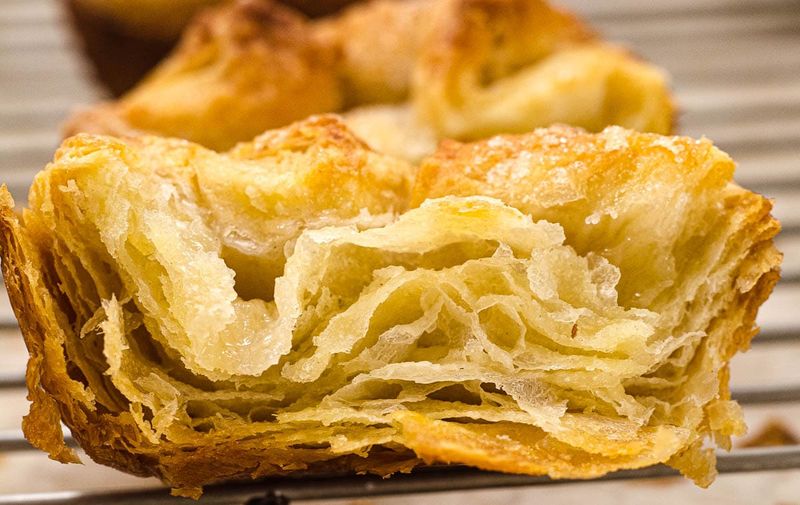
The delicate, flaky layers of puff pastry require folding butter into dough repeatedly - a process called lamination. This technique demands precision and patience.
Professional bakers spend years mastering this skill, and even they sometimes opt for quality store-bought versions. The pre-made stuff performs brilliantly in recipes without the hours of labour.
2. Croissants

Making croissants from scratch involves days of careful preparation, from laminating dough to precise temperature control. Most home bakers find their results disappointing despite the enormous effort. French bakeries have perfected this art over centuries.
Save yourself the heartache and support your local bakery instead - they've got the equipment and expertise you likely don't.
3. Bagels
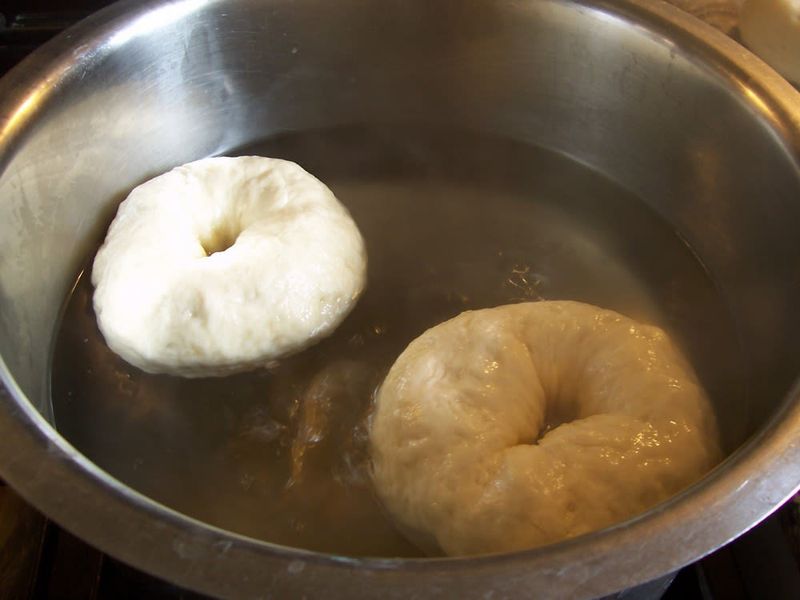
The authentic bagel-making process involves boiling dough rings before baking - a technique that requires practice to perfect. Many home attempts result in dense, misshapen bread circles rather than those distinctive chewy rings.
Professional bagel shops use special ovens and techniques developed over generations. The consistency and texture are nearly impossible to replicate in standard home kitchens.
4. Canned Baked Beans
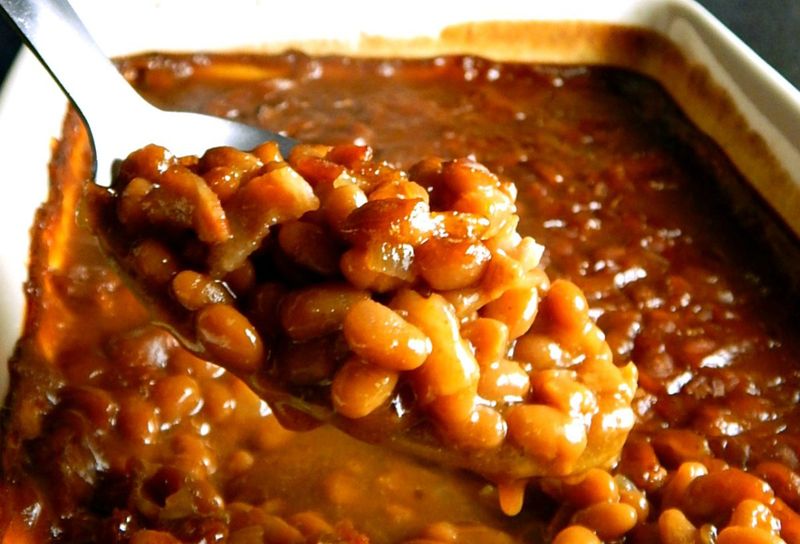
The iconic flavour of canned baked beans comes from slow-cooking for hours with specific spice blends. Starting with dried beans means overnight soaking followed by tedious cooking.
Commercial producers have perfected their recipes over decades. The time investment rarely yields results that taste significantly better than quality tinned versions, which cost mere pennies and require only heating.
5. Ketchup
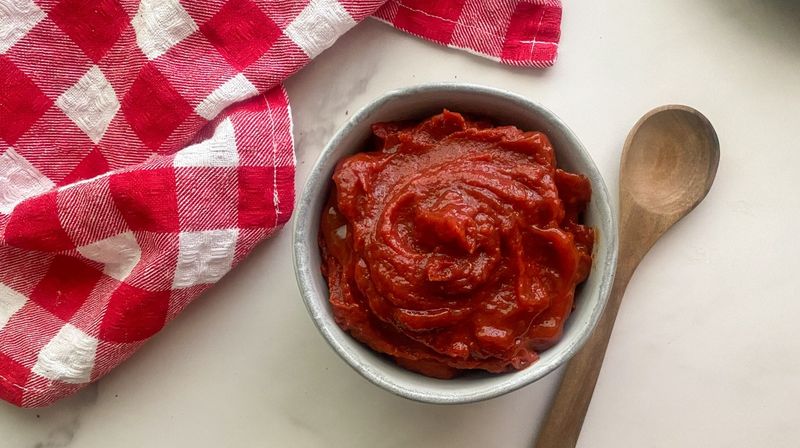
Homemade ketchup sounds charming until you're simmering tomatoes for hours, straining pulp, and adjusting spices endlessly. The process creates mountains of washing-up for a condiment that rarely matches the familiar taste we expect.
Major brands have spent millions perfecting their recipes. Most people immediately notice when their chips aren't accompanied by their favourite commercial brand.
6. Mayonnaise
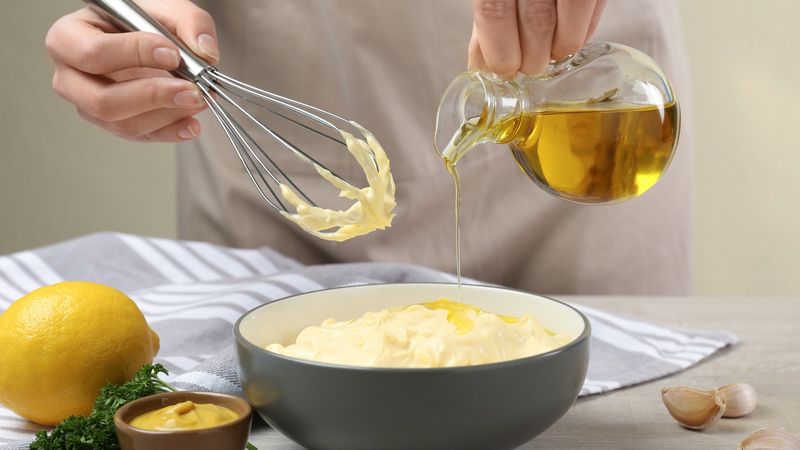
The science of emulsifying oil and egg yolks demands perfect technique - one wrong move and you're left with a separated, oily mess. Homemade mayo also has a significantly shorter shelf life than store-bought versions.
Without stabilizers, your creation might split in the fridge overnight. Commercial products offer consistency, safety, and convenience that's hard to beat for such a basic condiment.
7. Mustard

Ground mustard seeds need time to develop their characteristic flavour, often requiring fermentation and resting. The process can call for specific equipment and ingredients that most kitchens don't stock. Commercial mustard makers have perfected consistency through generations of recipe development.
The difference between homemade and store-bought rarely justifies the time investment for a condiment used in such small quantities.
8. Ice Cream

Without a proper ice cream maker, homemade versions often develop ice crystals and grainy textures. The equipment is expensive and takes up valuable kitchen space for an occasional treat.
Commercial ice cream contains stabilizers that prevent crystallization during freezing. Premium brands offer incredible flavours and smooth textures that are challenging to achieve at home without specialized knowledge and equipment.
9. Yogurt

Making yogurt requires maintaining precise temperatures for extended periods. Without specialized equipment, you'll be constantly monitoring your mixture, adjusting heat, and hoping bacteria cultures develop properly.
The inconsistent results rarely save money compared to commercial options. Modern yogurt brands offer everything from Greek-style to plant-based alternatives that would require multiple experiments to replicate successfully at home.
10. Cereal

Producing crispy, uniform breakfast cereal requires industrial equipment that mimics extrusion and flash-drying processes. Home attempts typically result in either tooth-breakingly hard or disappointingly soggy alternatives.
Commercial cereals maintain their texture in milk through specialized manufacturing techniques. The equipment needed to properly make cereal simply doesn't exist in residential kitchens, making this a definite buy-not-make item.
11. Stock Cubes
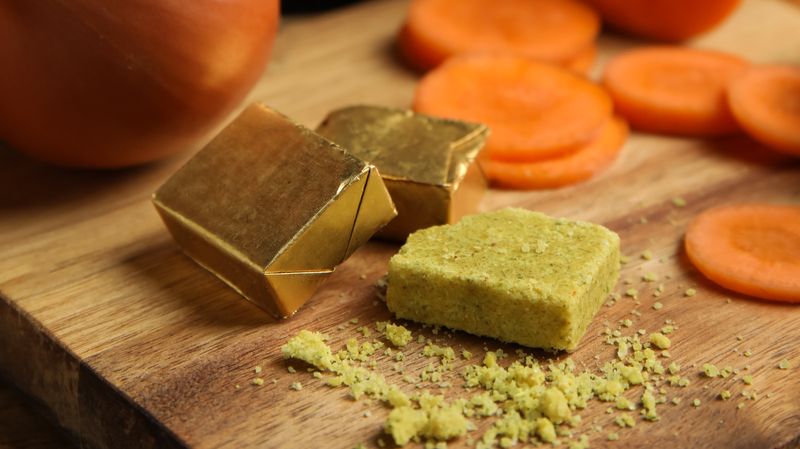
Creating concentrated stock requires simmering bones and vegetables for hours, then reducing the liquid to a paste or powder. The process fills your kitchen with steam and demands constant attention.
Commercial stock cubes offer convenience and consistent flavour profiles. While homemade stock is wonderful, the concentrated cubes serve a different purpose - providing instant flavour when time is limited.
12. Pasta
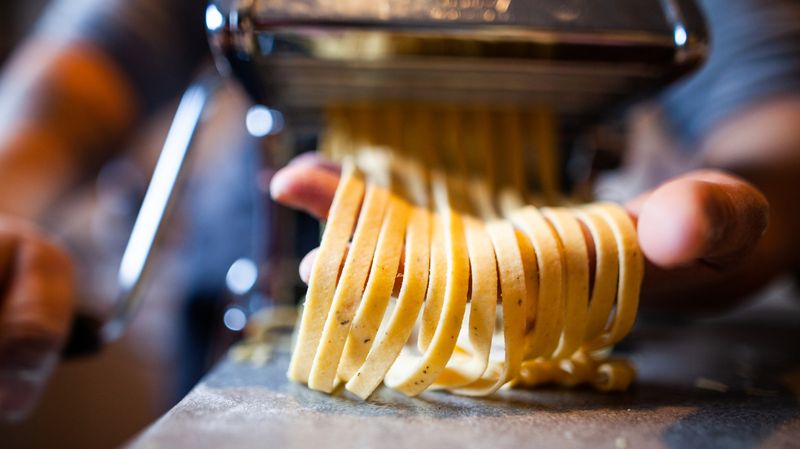
Fresh pasta requires special equipment, significant counter space, and drying racks. The process creates flour dust everywhere and demands perfect dough consistency that takes practice to master.
Dried pasta has different qualities that actually make it superior for many sauces. Italian nonnas might disagree, but quality dried pasta performs exceptionally well in countless dishes without the flour-covered kitchen aftermath.