









Weekly shopping routines often rely on familiar habits, which can lead to the same items appearing on lists week after week. As a result, a number of useful ingredients are easily overlooked, even though they remain affordable, widely available, and versatile in everyday cooking.
Small changes in shopping choices can help introduce more variety without complicating meal planning or preparation. Looking at commonly forgotten foods offers a simple way to refresh grocery routines and expand everyday meal options.
All information is provided for general information only. Taste, appearance, and availability may vary.
Photos are for illustrative purposes only.
1. Pearl Barley
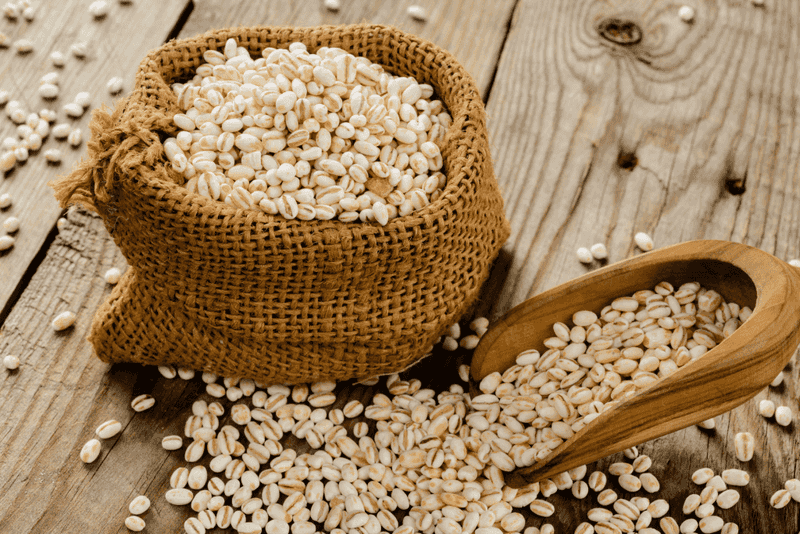
Once a cupboard staple in British kitchens, pearl barley has somehow drifted into obscurity despite being ridiculously versatile. This chewy grain works brilliantly in soups, stews, and even risottos, adding a lovely nutty flavour and satisfying texture.
It's packed with fibre, which keeps you feeling full longer and supports digestive health. Plus, it's dirt cheap compared to fancier grains like quinoa.
Cook it in vegetable stock for a simple side dish, or toss it into a hearty winter soup for extra body and warmth.
2. Tinned Sardines
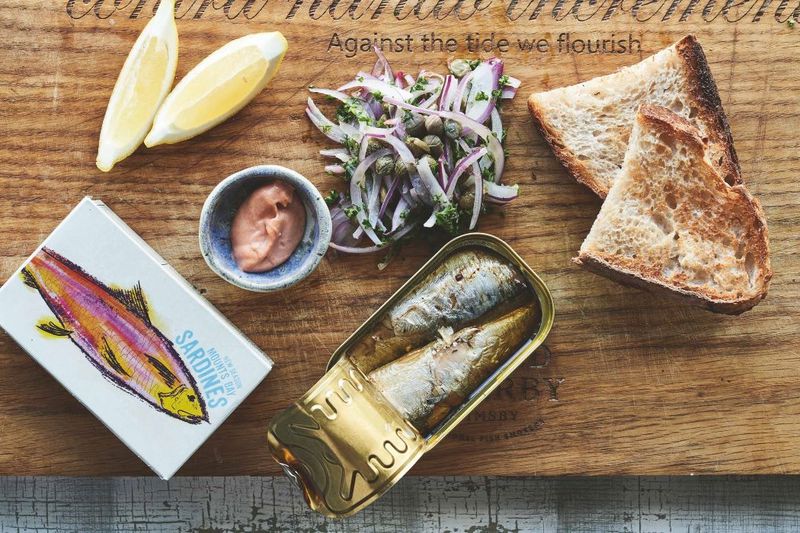
Sardines might not win any beauty contests, but they're absolute nutritional powerhouses that deserve more love. Rich in omega-3 fatty acids, they're brilliant for heart and brain health, and they come with bones so soft you eat them, boosting your calcium intake too.
They're ready to eat straight from the tin, making them perfect for quick lunches on toast or tossed through pasta.
At a fraction of the cost of fresh fish, tinned sardines offer serious bang for your buck while lasting ages in the cupboard.
3. Swede
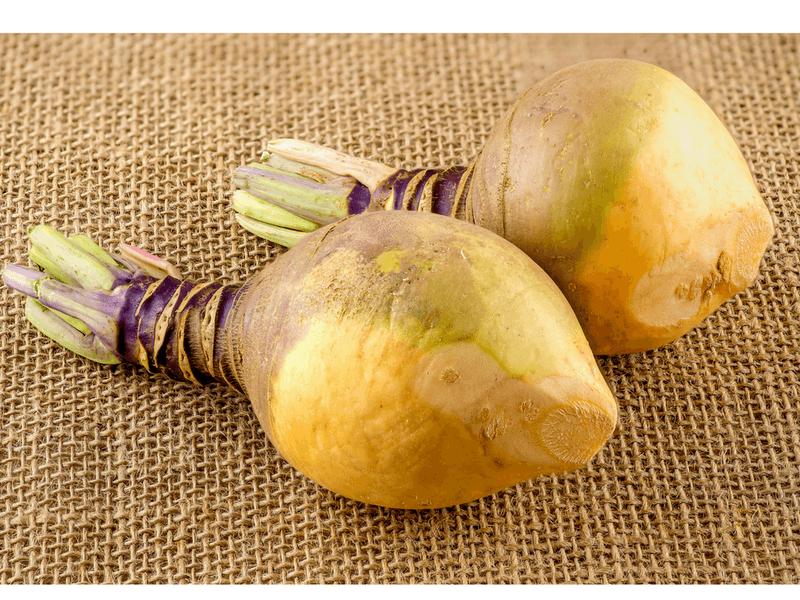
This knobbly orange root vegetable often gets overlooked in favour of its flashier cousins like butternut squash, but swede is an absolute gem. It has a subtly sweet, earthy flavour that becomes gorgeously creamy when mashed with butter and black pepper.
Swede is brilliant roasted alongside your Sunday joint or added to winter stews for natural sweetness and bulk.
It's loaded with vitamin C and fibre, keeps for weeks in the fridge, and costs pennies, making it one of the best value veggies around.
4. Lentils
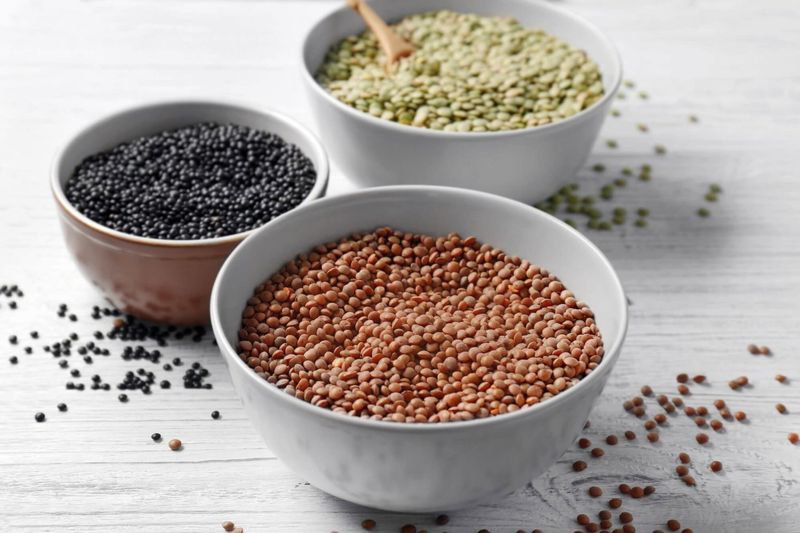
Whether red, green, or brown, lentils are protein-packed little legends that cook quickly without any soaking faff. Red lentils break down beautifully into creamy dahls and soups, while green and brown varieties hold their shape nicely in salads and stews.
They're an absolute bargain, costing mere pennies per portion, and they're brilliant for bulking out meat dishes or creating satisfying vegetarian meals.
High in iron and fibre, lentils keep you energised and full, making them perfect for busy weeknight dinners that won't break the bank.
5. Cottage Cheese
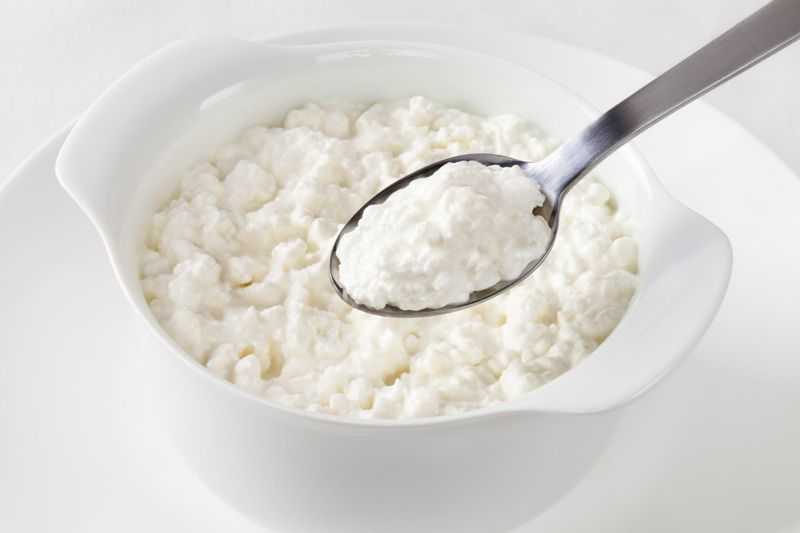
Cottage cheese has had a bit of an image problem, often dismissed as diet food from the 1980s, but it's actually incredibly useful. The lumpy texture might not be everyone's cup of tea on its own, but it's brilliant stirred through scrambled eggs or dolloped onto jacket potatoes.
It's absolutely rammed with protein, making it ideal for keeping hunger at bay between meals.
Try blending it smooth for a lighter alternative to cream cheese in dips, or mix it with herbs and use as a pasta sauce base.
6. Frozen Spinach
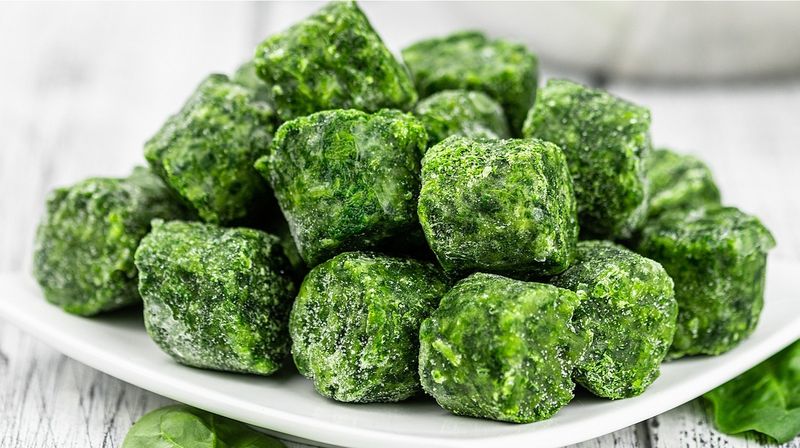
Fresh spinach wilts down to practically nothing and goes slimy in the fridge within days, but frozen spinach is a total game changer. It's already washed, chopped, and blanched, saving you loads of prep time and eliminating waste.
Chuck it straight into curries, pasta sauces, or omelettes for an instant nutrient boost without any hassle.
Packed with iron, vitamins, and fibre, frozen spinach is often more nutritious than fresh because it's frozen at peak ripeness. Plus, it costs less and lasts for months.
7. Bulgur Wheat
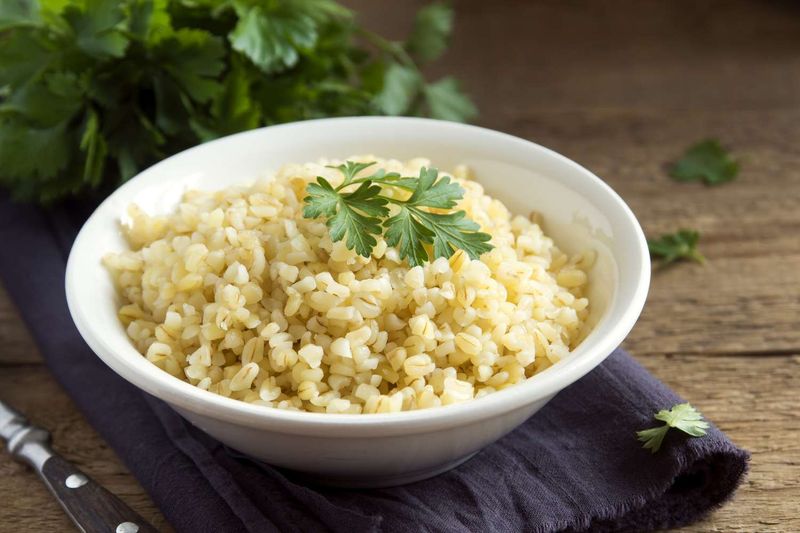
Bulgur wheat is one of those ingredients that sounds a bit fancy but is actually dead simple to use. It's partially cooked wheat that's been dried and cracked, so it only needs soaking in hot water for about 10 minutes before it's ready to eat.
It has a lovely nutty taste and fluffy texture, perfect for tabbouleh salads or as a quick alternative to rice or couscous.
High in fibre and minerals, bulgur wheat is wholesome, filling, and ridiculously cheap for the amount you get.
8. Tinned Mackerel
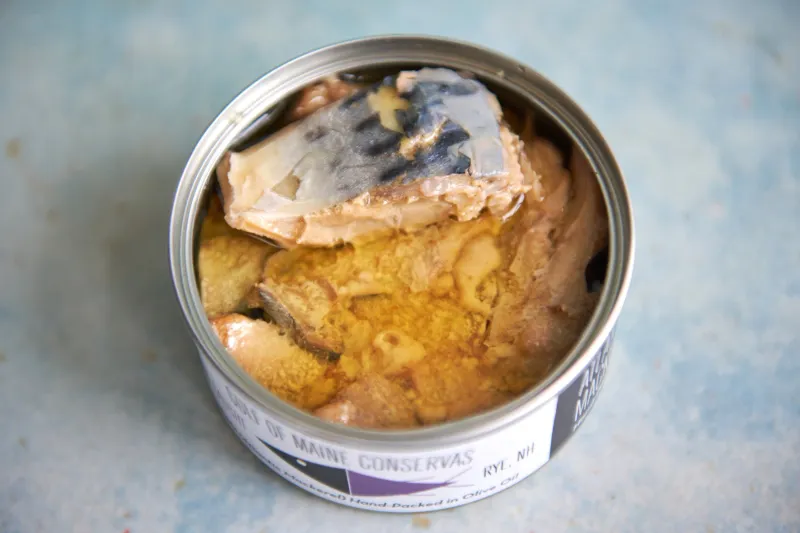
Mackerel is another oily fish superstar that often gets forgotten in favour of tuna, but it packs even more omega-3 goodness. Available in various flavours like tomato sauce or peppered, tinned mackerel is incredibly convenient and tasty straight from the tin.
Flake it over salads, mash it into jacket potatoes, or spread it on toast for a protein-rich snack.
It's sustainable, affordable, and has a longer shelf life than fresh fish, making it a brilliant storecupboard essential for quick, nutritious meals any day of the week.
9. Polenta
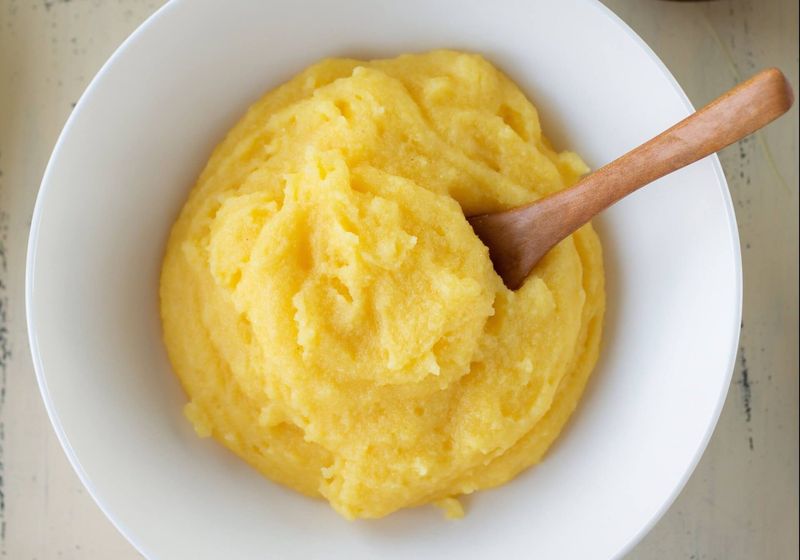
Polenta is essentially Italian cornmeal that transforms into a gorgeous creamy porridge or can be set firm and sliced for grilling or frying. It sounds posh but couldn't be easier to make, just simmer with water or stock while stirring occasionally.
Serve it soft and creamy under rich stews, or let it set, then grill slices for a crispy, satisfying side.
Naturally gluten-free and wonderfully filling, polenta is a brilliant alternative to mashed potatoes or pasta, and a bag lasts absolutely ages in the cupboard for pennies.
10. Dried Apricots
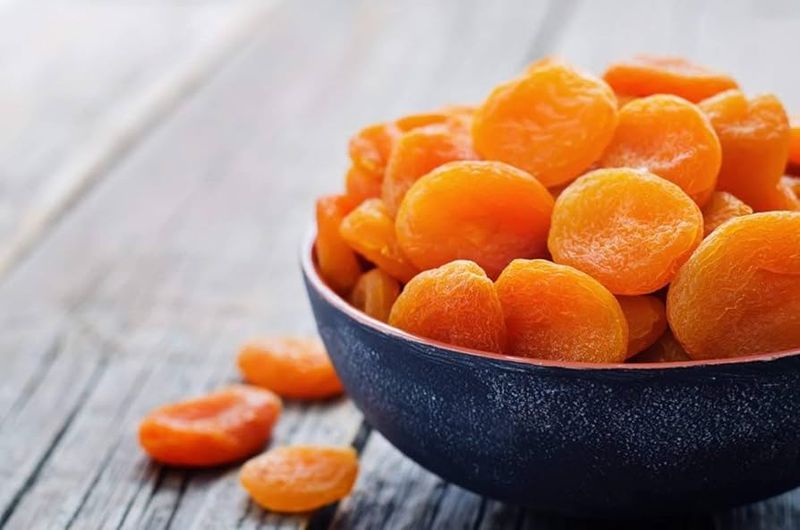
Dried apricots are like little nuggets of sunshine that add natural sweetness and chewiness to both sweet and savoury dishes. Chuck them into Moroccan-style tagines or couscous dishes for bursts of flavour, or chop them through porridge and granola.
They're packed with fibre, iron, and potassium, making them a genuinely healthy snack option.
A bag keeps for months in the cupboard, and they're brilliant for satisfying sweet cravings without reaching for chocolate or biscuits. Just a handful provides lasting energy throughout the day.