









Meals behind secure walls tend to focus on practicality, affordability, and consistency rather than flair or fashion. Across different countries, simple staples show up again and again, shaped by local agriculture, budgets, and cultural habits.
Some dishes may sound familiar from everyday kitchens, while others reflect regional traditions you might not expect. It’s a fascinating glimpse into how food adapts to very controlled environments.
This content is provided for general interest and educational purposes only. Menus, availability, and preparation methods can vary by location and over time. The information reflects commonly reported practices rather than guaranteed current standards.
1. Rice And Beans (Brazil, Mexico, Jamaica)

A classic combination that delivers carbohydrates and plant-based protein in one affordable meal. Rice and beans feature regularly in prison catering across parts of Latin America and the Caribbean because the ingredients are inexpensive, filling, and easy to prepare in bulk.
The dish is usually cooked simply, often with basic seasoning and occasional vegetables depending on availability. It keeps meals consistent and predictable while meeting basic nutritional needs.
Simple food like this helps kitchens serve large numbers efficiently without unnecessary waste.
2. Bread And Margarine (United Kingdom, Germany, France)
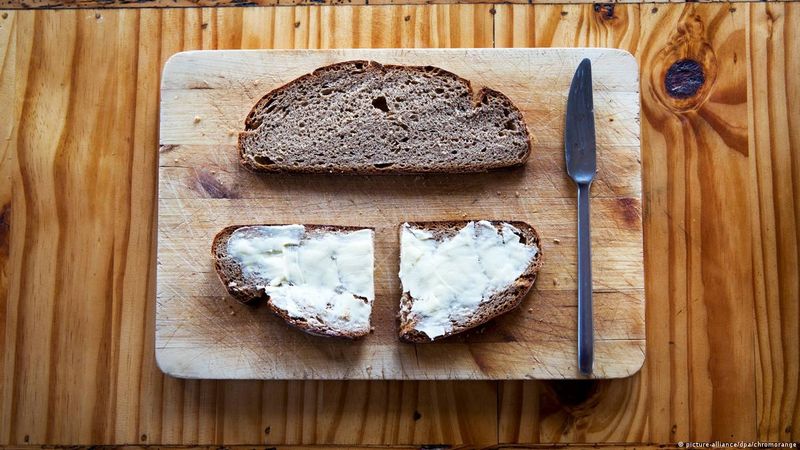
Across European prisons, bread with margarine is a breakfast staple that's been served for decades. It's inexpensive, easy to distribute, and requires no cooking, making it a practical choice for overcrowded facilities.
Prisoners might get a couple of slices alongside jam or cheese if they're lucky. Whilst it's not exactly gourmet, it provides enough energy to start the day without costing taxpayers much.
3. Porridge (United Kingdom, Ireland, Scandinavia)
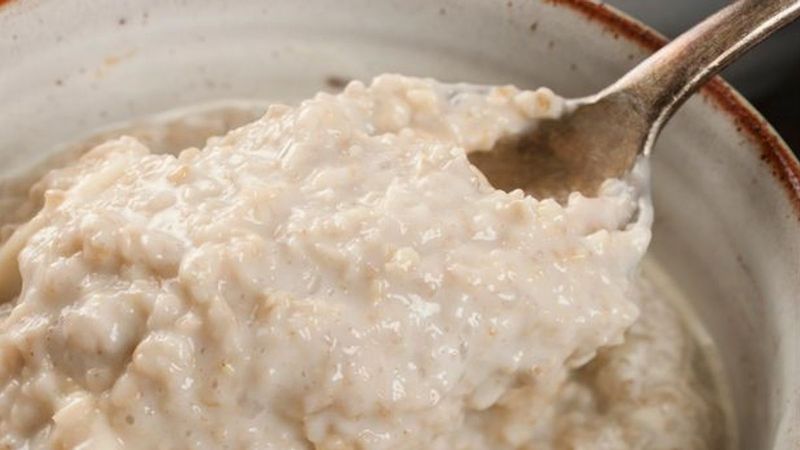
Warm, filling, and budget-friendly, porridge has long been a familiar prison breakfast in colder regions. Made from oats and water, it provides steady energy and is easy to cook in large batches.
The mild flavour makes it practical for mass catering, even if it’s not the most exciting dish on the tray. In winter months, a hot bowl can feel especially comforting during early mornings.
Some facilities may allow light sweetening depending on local policy and supply.
4. Boiled Potatoes (Poland, Czech Republic, Slovakia)
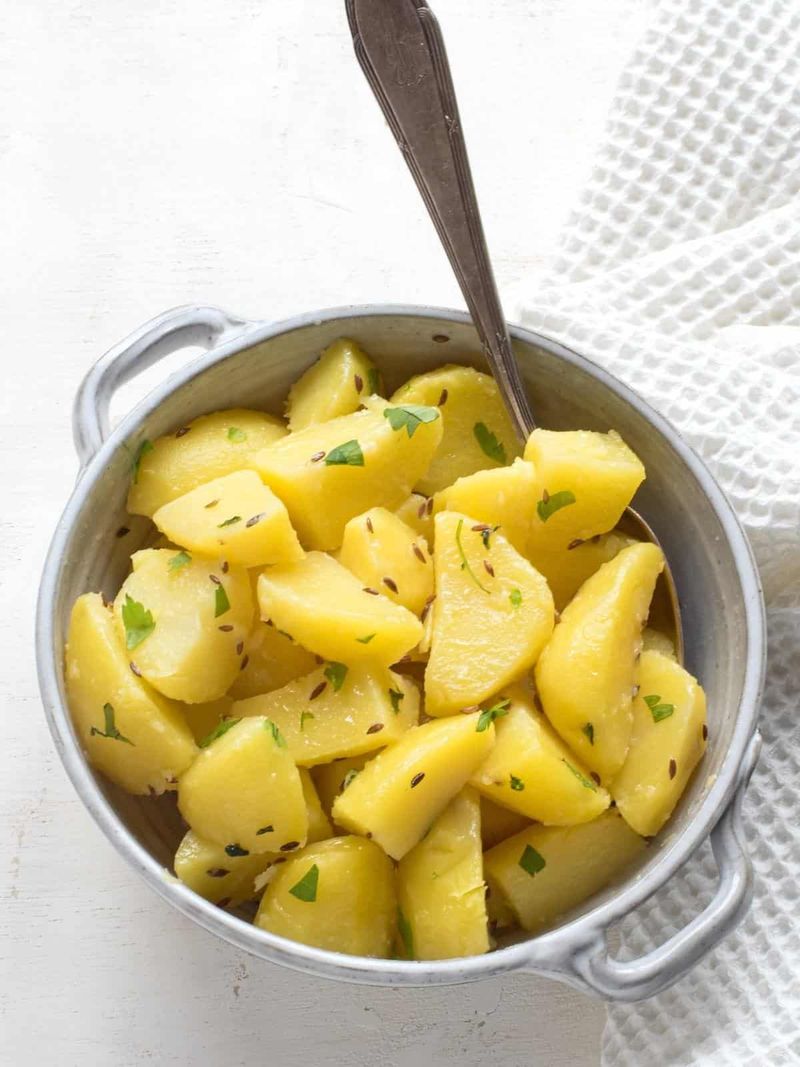
Potatoes are the ultimate comfort food in Central Europe, and prisons rely on them heavily. Boiled potatoes are served plain or with a small dollop of butter, providing carbohydrates that keep energy levels steady throughout the day.
They're versatile, cheap, and filling, which makes them perfect for feeding large numbers of inmates. Sometimes they're paired with sauerkraut or a thin gravy to add a bit of flavour.
5. Cabbage Soup (Russia, Ukraine, Baltic States)

Nothing says Eastern European prison food quite like cabbage soup. This watery broth, often made with just cabbage, onions, and maybe a few carrots, is served hot and provides warmth during brutal winters.
It's incredibly cheap to make in bulk, which is why it's been a prison staple for generations. Inmates might get a chunk of dark bread on the side to dip into the soup.
6. Lentil Stew (India, Turkey, Middle East)
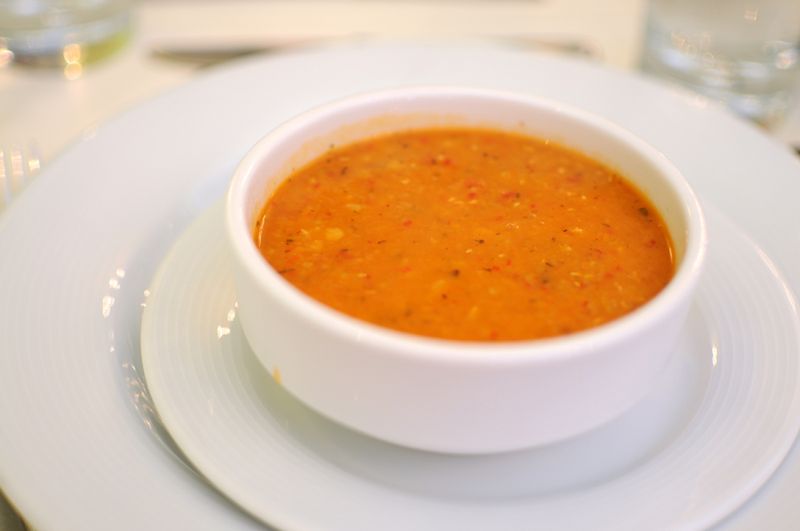
Lentils are a nutritional powerhouse, offering protein, fibre, and essential vitamins at a fraction of the cost of meat. In prisons across India, Turkey, and the Middle East, lentil stew is a daily staple that's both nourishing and budget-friendly.
Cooked with spices like cumin and turmeric, it's served with rice or flatbread. The result is a hearty, filling meal that keeps inmates healthy without draining resources.
7. Flatbread (Egypt, Jordan, Morocco)
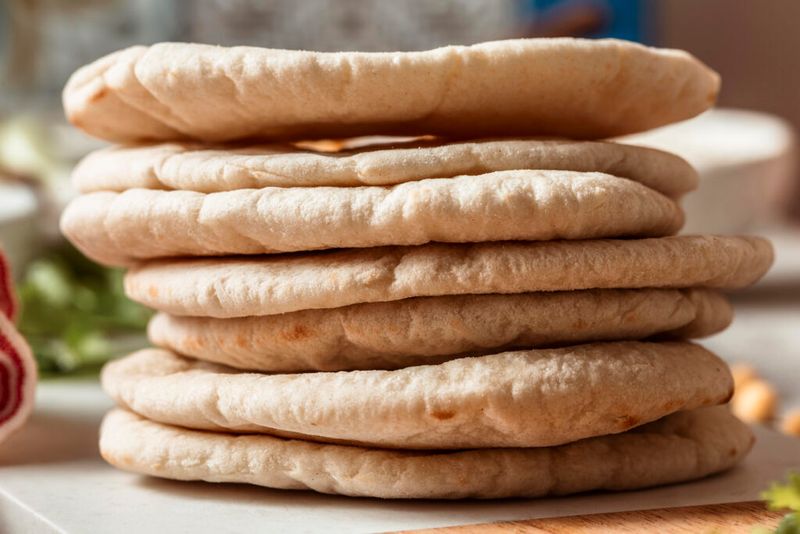
Flatbread has been a dietary staple in North Africa and the Middle East for thousands of years, and prisons are no exception. Simple to make with just flour, water, and salt, it's baked in large batches and distributed at every meal.
Prisoners use it to scoop up stews, dips, or whatever else is on offer. It's filling, versatile, and one of the most cost-effective foods available.
8. Pasta With Tomato Sauce (Italy)
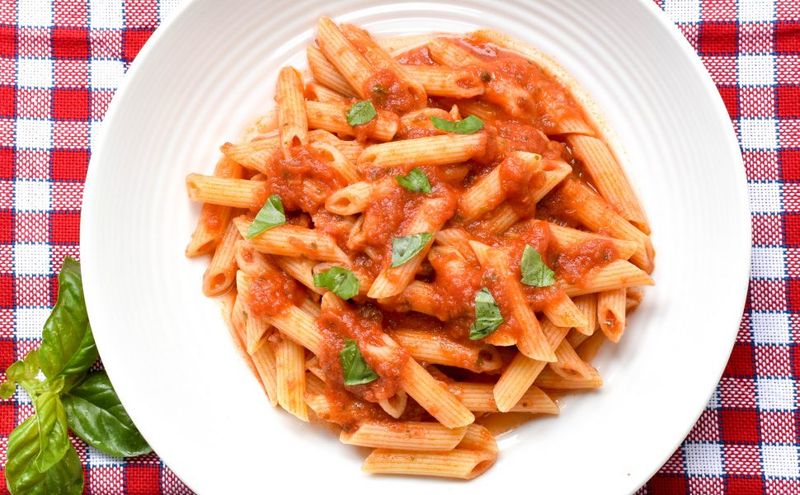
Pasta remains a familiar and comforting option within Italian prison kitchens. Simple tomato-based sauces keep preparation straightforward while reflecting everyday local cooking habits.
The sauce is usually made from basic tinned ingredients and seasoning rather than elaborate additions. It delivers carbohydrates that help maintain energy levels without driving up costs.
Familiar meals like this offer a sense of routine and comfort even in very controlled environments.
9. Stewed Vegetables (Canada, Australia)
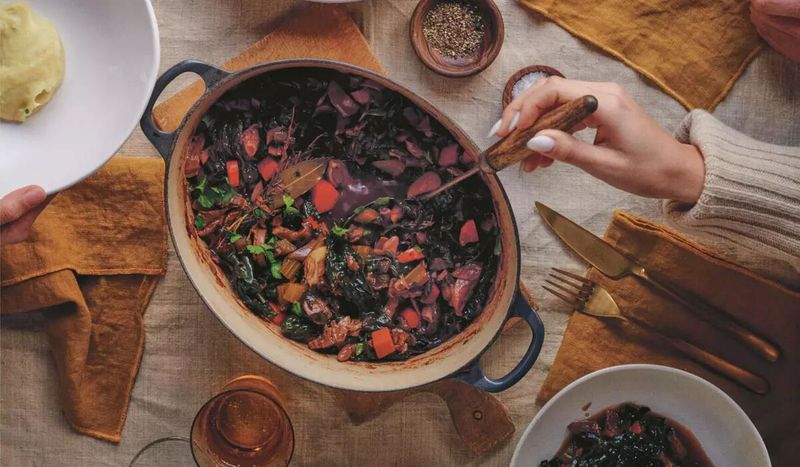
In countries with more progressive prison systems, stewed vegetables make regular appearances on meal trays. Carrots, peas, beans, and potatoes are simmered together to create a nutritious, if somewhat bland, side dish.
These vegetables provide essential vitamins and minerals that help keep inmates healthy. They're usually served alongside a protein like chicken or fish, though portions tend to be modest to keep costs manageable.
10. Hard-Boiled Eggs (Japan, South Korea)
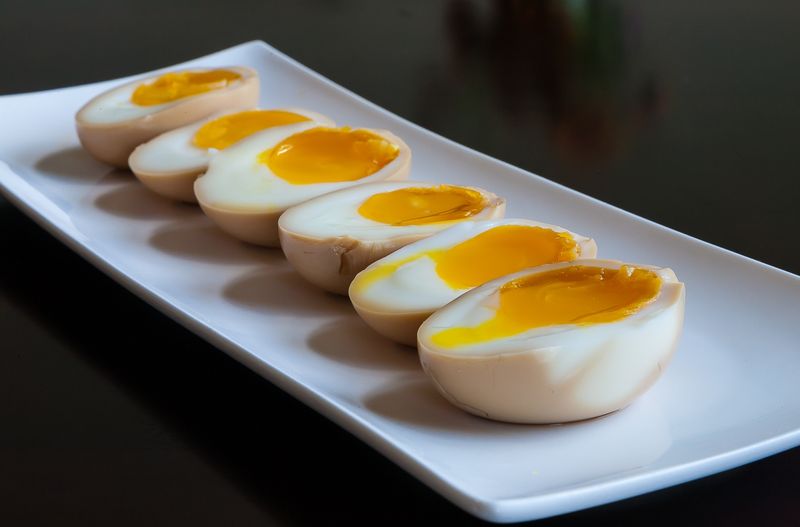
Protein is crucial for maintaining health, and hard-boiled eggs offer an affordable, easy-to-prepare solution. In Japanese and South Korean prisons, inmates receive hard-boiled eggs as part of their breakfast or lunch, providing essential nutrients without complicated cooking.
They're served plain, sometimes with a sprinkle of salt. Eggs are also easy to store and distribute, making them a practical choice for busy prison kitchens.
11. Beans On Toast (United Kingdom)
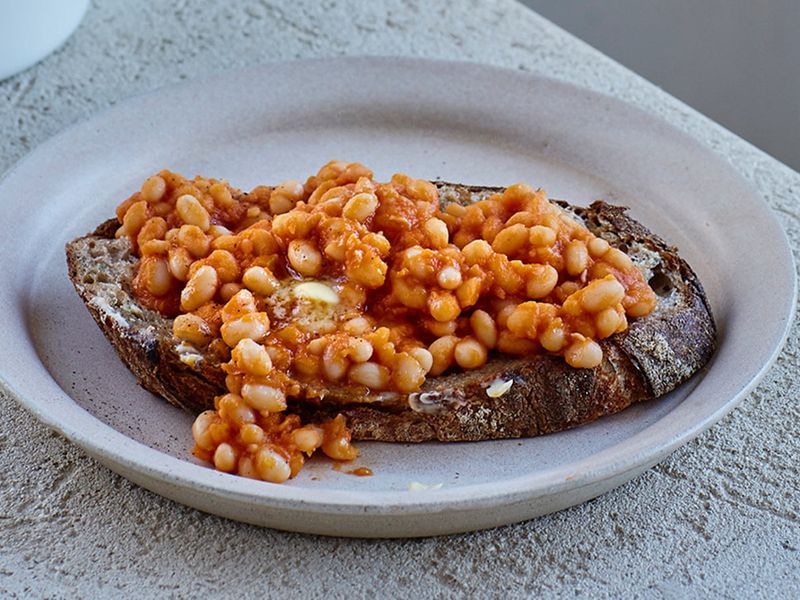
A quintessentially British meal, beans on toast is cheap, quick, and surprisingly filling. UK prisons serve this classic combination regularly, especially for breakfast or light evening meals.
The tinned baked beans provide protein and fibre, whilst the toast adds carbohydrates for energy. It's comfort food that reminds many inmates of home, even if the prison version lacks a bit of the warmth and love.
12. Rice Congee (China)
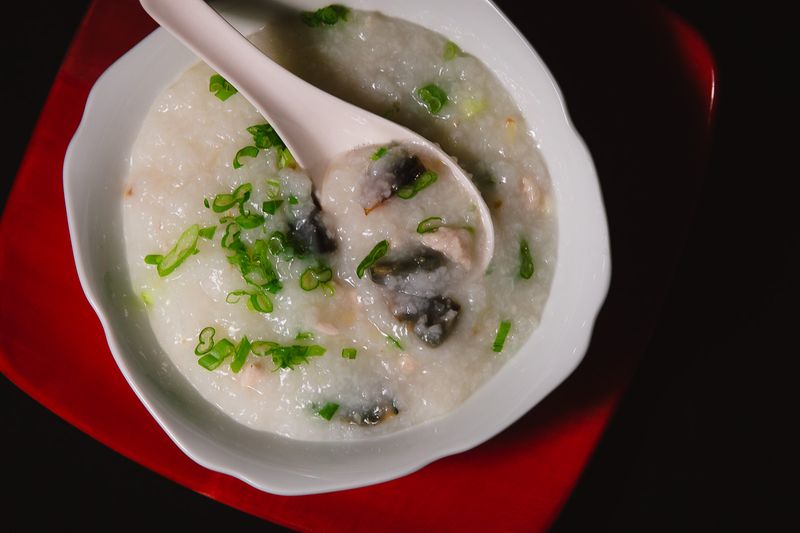
Rice congee, or zhou, is a watery rice porridge that's been eaten in China for centuries. In prisons, it's a breakfast staple that's gentle on the stomach and incredibly cheap to produce in massive quantities.
The rice is boiled until it breaks down into a soft, soupy consistency. Sometimes pickled vegetables or a small amount of meat is added for flavour, though the basic version is quite plain.
13. Chickpea Curry (India)
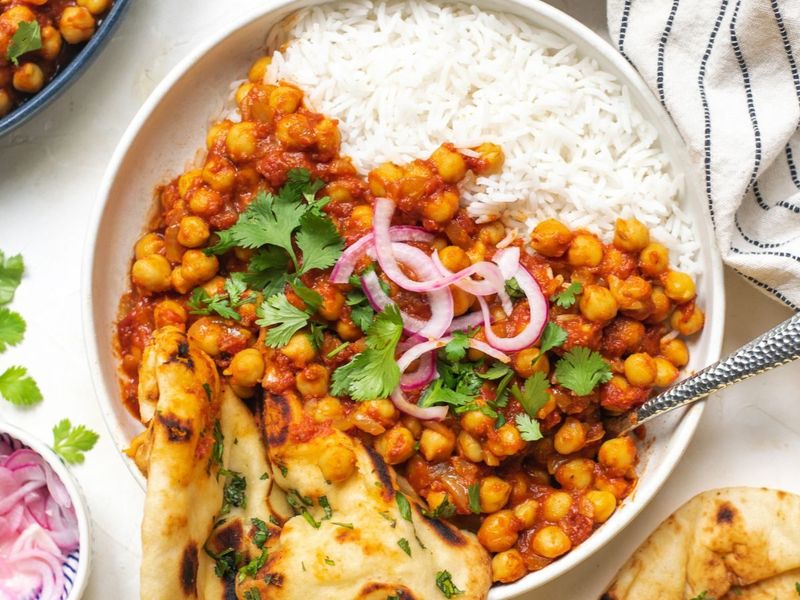
Chickpeas are nutritional superstars, loaded with protein, fibre, and minerals. Indian prisons serve chickpea curry, known as chana masala, as a regular part of the menu because it's affordable, filling, and packed with flavour from spices like coriander and garam masala.
Served with rice or roti, it's a satisfying meal that keeps inmates nourished. The spices also make it more enjoyable than many bland prison dishes served elsewhere.
14. Maize And Vegetable Stew (Peru, Bolivia)
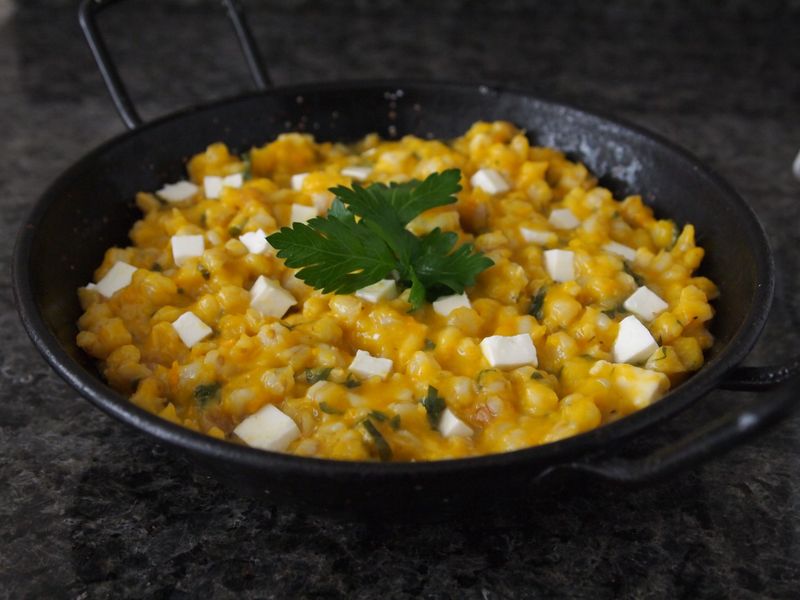
In the highlands of Peru and Bolivia, maize forms the foundation of many prison meals. This hearty stew combines corn kernels with potatoes, beans, and whatever vegetables are available, creating a filling dish that reflects local agricultural traditions.
It's cooked in large pots and ladled out to inmates, providing the calories needed for survival in often harsh conditions. The stew is simple but sustaining, much like the communities outside.