










Restaurant menus quietly reflect changing habits, even when nobody talks about it directly.
Dishes that once felt ordinary have slowly slipped into the background as tastes, lifestyles, and expectations evolved.
Looking back at these foods offers a small snapshot of how dining culture continues to shift.
All information is provided for general interest only. Popularity and availability can vary by region and over time.
1. Liver And Onions
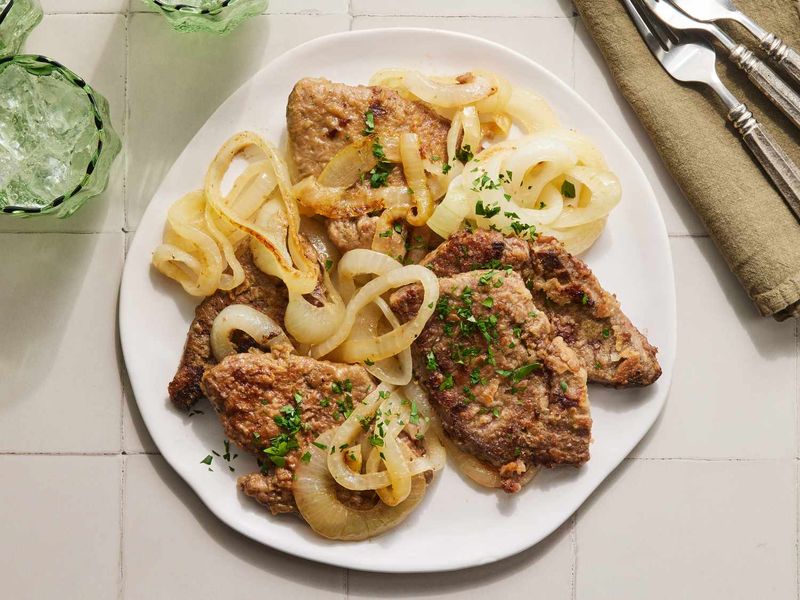
Once a weekly fixture in British households, liver and onions has fallen dramatically out of favour with modern diners.
The strong, metallic flavour and unique texture put off younger generations who didn't grow up with it.
Many restaurants have removed it from menus entirely, recognising that few customers request this iron-rich dish anymore.
It's become a nostalgic memory rather than a practical meal choice for most families today.
2. Aspic
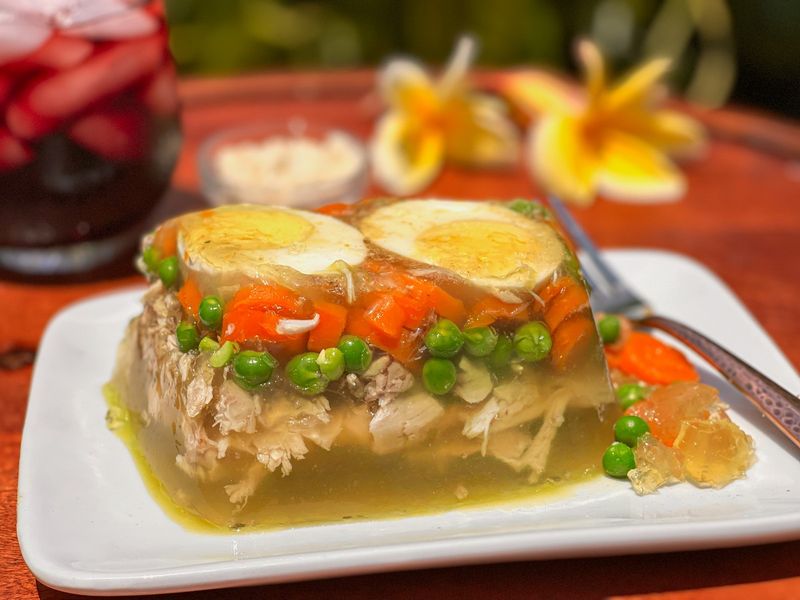
Aspic - savoury jelly made from meat stock - was the height of sophistication at mid-century dinner parties.
Ingredients like ham, eggs, or vegetables were suspended in shimmering gelatin, creating elaborate moulded centrepieces.
Today's diners find the wobbly, translucent appearance rather off-putting.
The labour-intensive preparation and unusual presentation mean aspic has virtually disappeared from contemporary menus, surviving only as a curiosity from culinary history.
3. Steak And Kidney Pudding
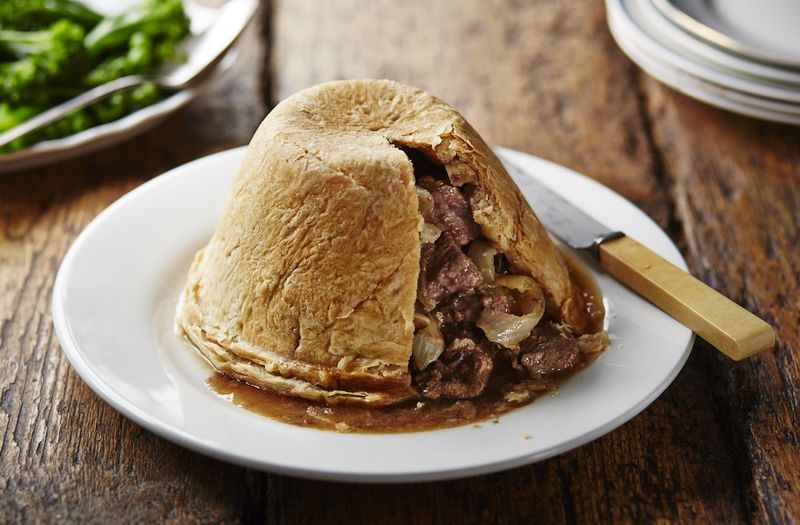
This hearty suet-crusted pudding was comfort food royalty for working-class Britons throughout the 20th century.
Rich gravy, tender beef, and kidney chunks encased in fluffy pastry made it a satisfying winter warmer.
Kidney's distinctive flavour and texture now repel many diners who prefer milder proteins.
The lengthy steaming process also clashes with modern fast-paced lifestyles, making this traditional dish increasingly rare.
4. Jellied Eels
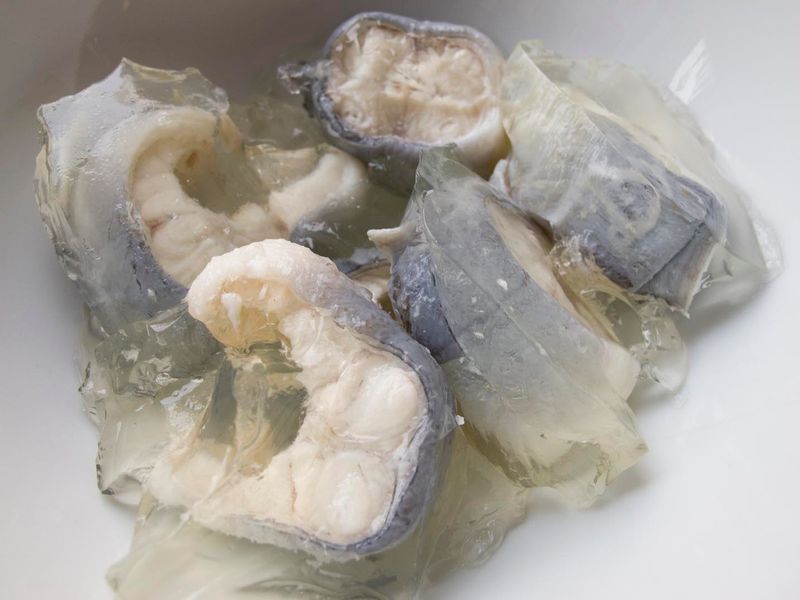
A beloved East End delicacy, jellied eels were once sold from street stalls across London as affordable sustenance.
Chopped eels are boiled in stock that sets into a savoury jelly when cooled.
The slippery texture and fishy taste challenge contemporary palates accustomed to blander seafood options.
Declining eel populations and changing food preferences mean this Cockney classic has become exceptionally niche, found only in specialist pie and mash shops.
5. Tripe
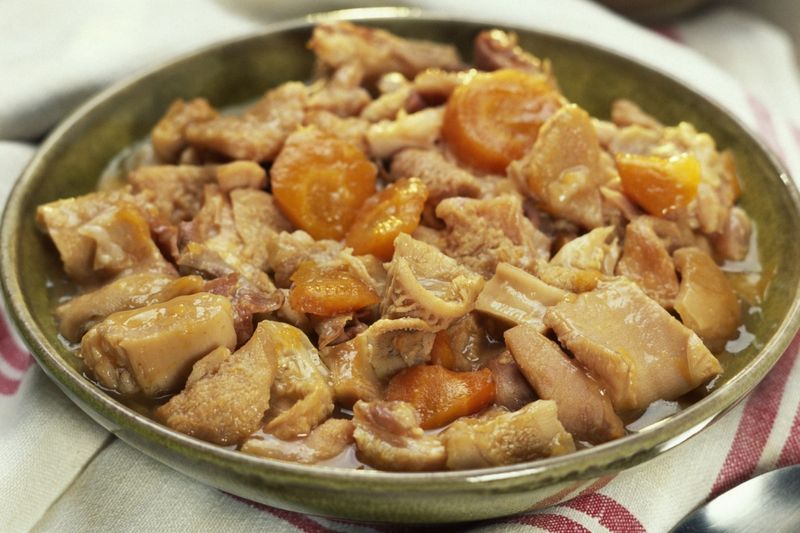
Tripe - the stomach lining of cattle - was an economical protein source that appeared regularly on British tables for centuries.
Cooked slowly in milk or onion sauce, it provided sustenance when budgets were tight.
Its rubbery, honeycomb texture and mild but distinctive flavour now struggle to find fans amongst squeamish modern eaters.
Most butchers no longer stock it, and restaurants rarely feature this once-common offal on their menus.
6. Sardines In Tomato Sauce
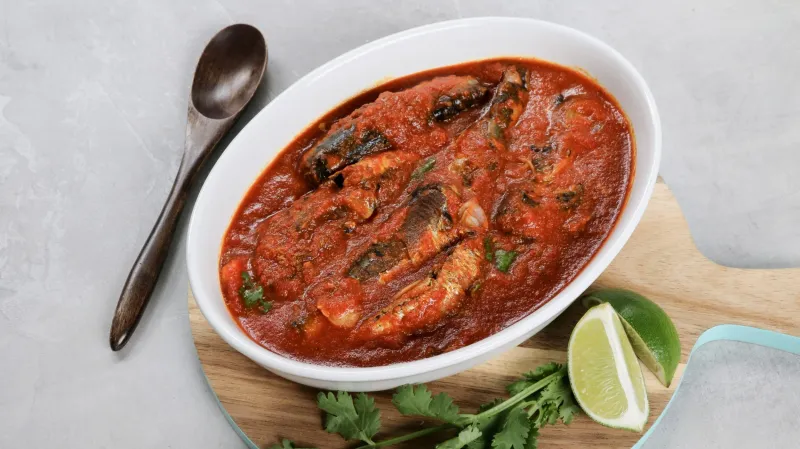
Tinned sardines in tomato sauce were once a regular feature on British tea tables, valued for being quick, affordable, and filling.
The oily fish provides protein and calcium, making it a practical cupboard staple that many households relied on for decades.
Changing tastes and a wider range of convenience foods mean it is ordered and served less often than it used to be.
While still easy to find in shops, it now tends to be chosen by habit or nostalgia rather than appearing frequently on menus.
7. Corned Beef
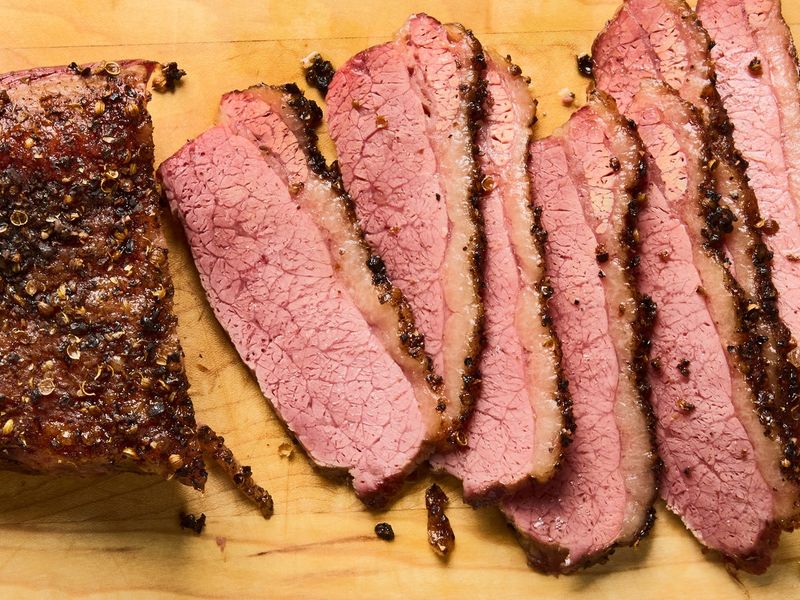
Corned beef - salt-cured beef preserved in distinctive rectangular tins - fed Britain through rationing and beyond.
Hash, sandwiches, and hotpot all featured this convenient protein that needed no refrigeration.
Its processed appearance, salty taste, and gelatinous coating now seem unappetising compared to fresh meats readily available year-round.
Younger generations associate it with deprivation rather than practicality, making it a rarity in modern kitchens.
8. Devilled Kidneys
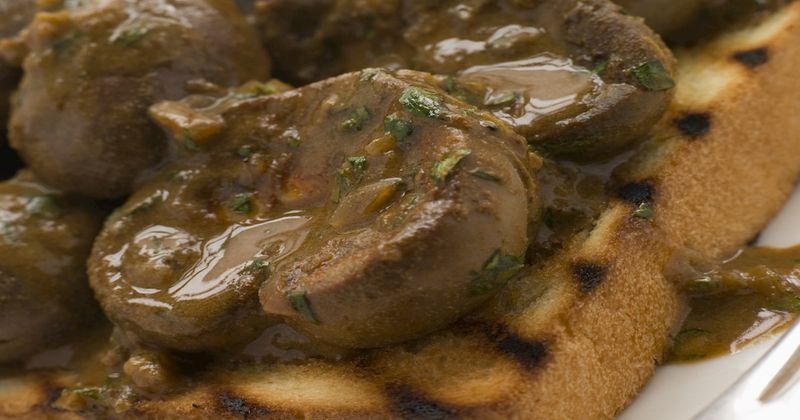
Devilled kidneys - lamb or pig kidneys cooked in a spicy, mustardy sauce - graced Victorian and Edwardian breakfast tables as a protein-rich morning feast.
The piquant flavours awakened appetites before long working days.
Offal's decline in popularity has taken this zesty dish down with it, despite its bold, interesting flavours.
Few modern Britons fancy kidneys for breakfast, preferring sweeter cereals or simpler egg-based options instead.
9. Ox Tongue
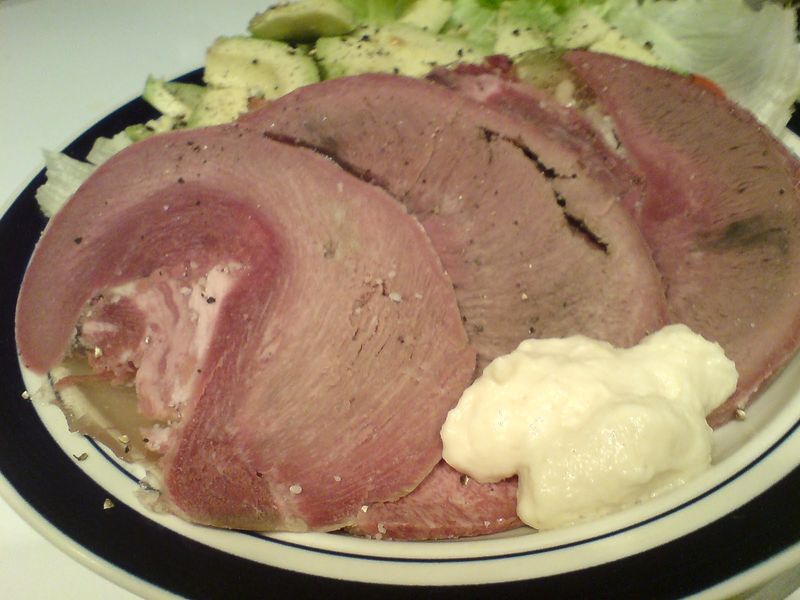
Pressed ox tongue - boiled, skinned, and served cold in thin slices - was a prized delicatessen item for sandwiches and buffets.
Its tender texture and subtle flavour made it a sophisticated choice.
Knowing you're eating an actual tongue proves too confronting for most modern diners, regardless of taste.
The preparation process requires skill and patience that few home cooks possess, contributing to its near-total disappearance from tables.
10. Blancmange
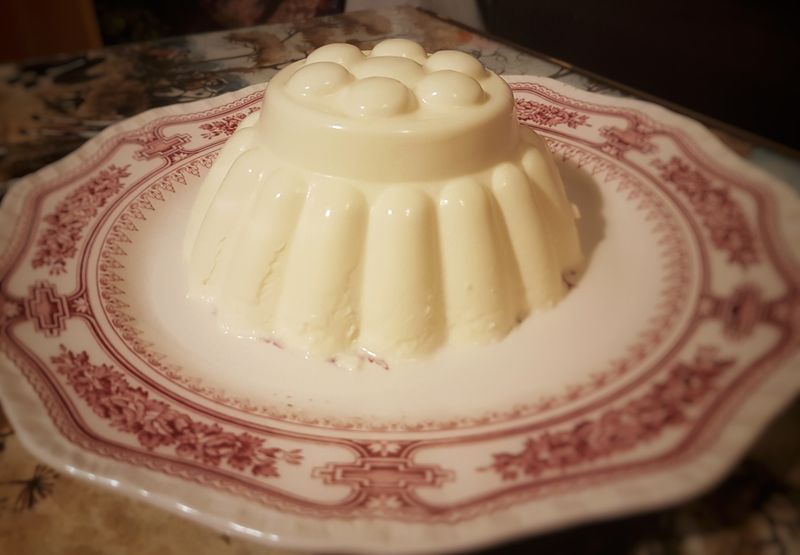
Blancmange - a wobbly, milk-based dessert set with cornflour - delighted children at tea parties throughout the 1950s and 60s.
Available in pastel colours and sweet flavours, it provided an economical pudding option.
Artificial flavours and synthetic appearance now seem unappetising compared to fresh fruit desserts and artisanal puddings.
The rise of more sophisticated sweet options has relegated this nostalgic wobbler to distant childhood memories for most Britons.