










Some foods get a bad reputation simply because we first tried them in the wrong way. Maybe they were overcooked, under-seasoned or paired with something that never let their real flavour shine.
Once you discover how these dishes are actually meant to be enjoyed, it feels a bit like unlocking a secret you wish you’d known sooner.
This piece is meant for general interest and light kitchen inspiration, offering ideas you can explore at your own pace.
1. Brussels Sprouts
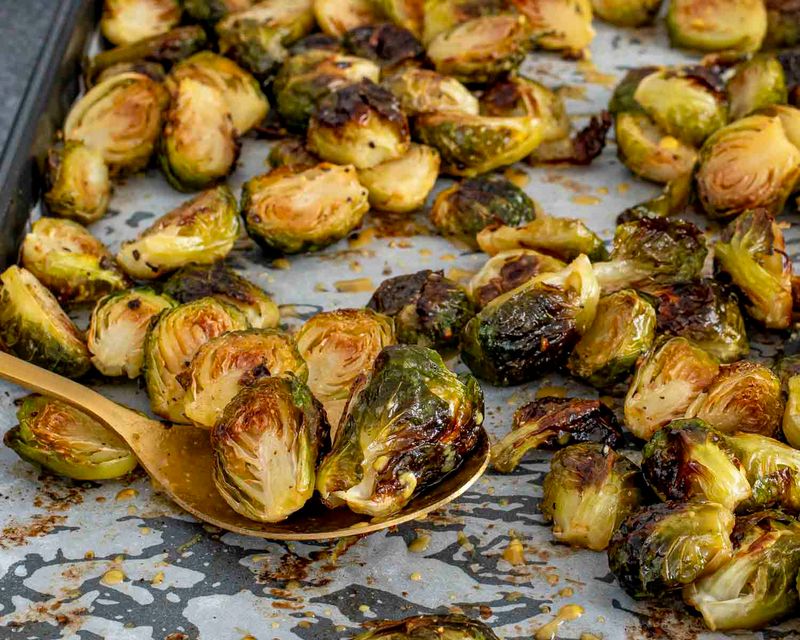
Boiling these mini cabbages until they turn grey and mushy is a culinary crime that ruined them for generations. The secret lies in roasting them at high heat, which caramelises their natural sugars and creates crispy, golden edges.
When cooked properly, they develop a nutty, slightly sweet flavour that's absolutely delicious. Try halving them, tossing with olive oil, and roasting at 200°C for about twenty minutes until the edges turn brown and crispy.
2. Sushi
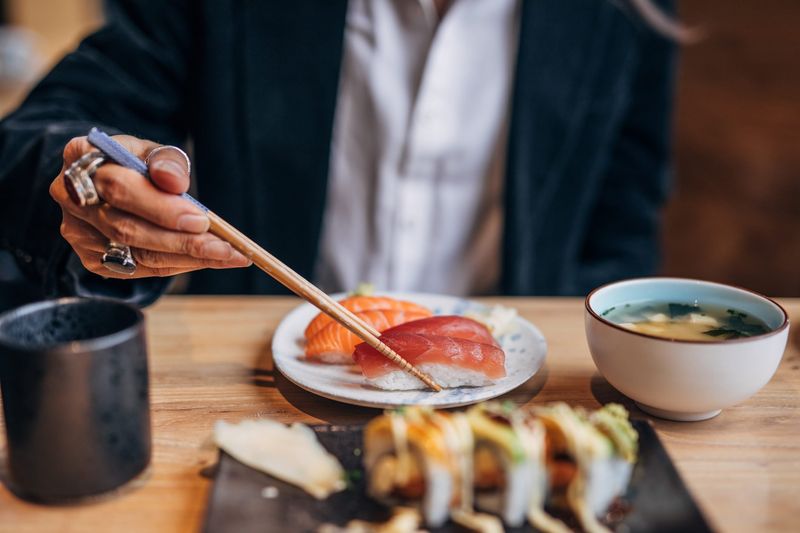
Many first-timers make the mistake of drowning their sushi in soy sauce, which completely overpowers the delicate flavours. The proper method involves lightly dipping only the fish side into soy sauce, never the rice.
Additionally, wasabi should be used sparingly and mixed into your soy sauce rather than piled directly onto the fish. Pickled ginger serves as a palate cleanser between different types, not as a topping to eat with every bite.
3. Avocado
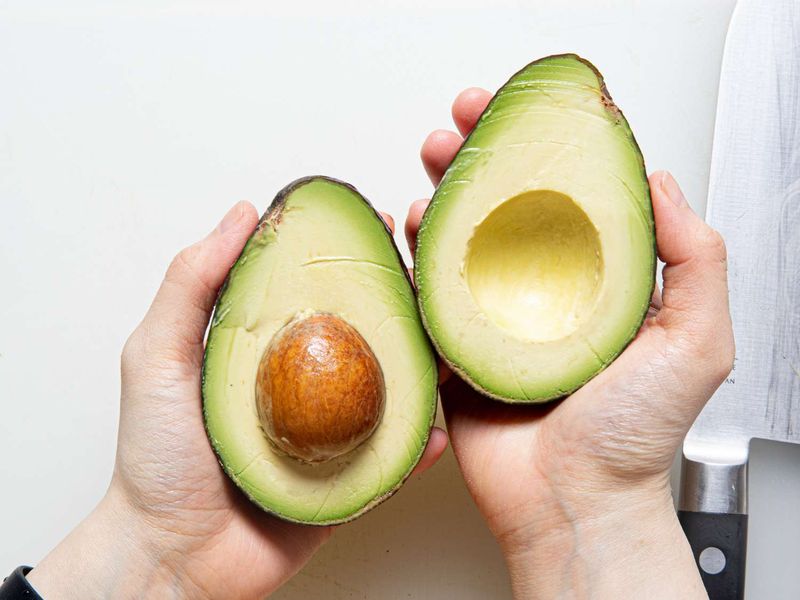
Biting into an underripe, rock-hard avocado is like eating flavourless rubber, whilst an overripe one tastes bitter and brown. The key is waiting until the fruit yields to gentle pressure and has dark, almost black skin.
Once perfectly ripe, the creamy texture and buttery flavour are completely different from the disappointing experience most people remember. A simple sprinkle of salt and squeeze of lemon transforms it into something genuinely wonderful and enjoyable.
4. Tofu
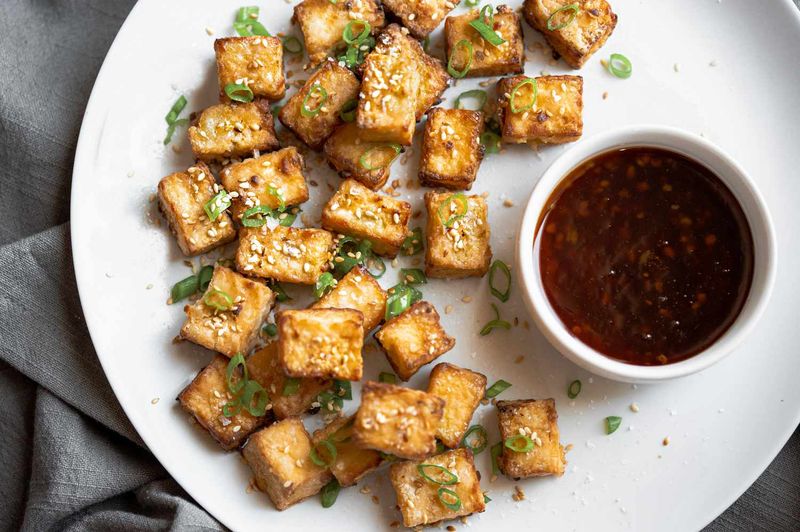
Straight from the packet, tofu is bland, watery, and has an unappealing spongy texture that puts people off forever. The transformation happens when you press out the excess water, cut it into cubes, and pan-fry or bake until golden and crispy.
Marinating beforehand adds incredible flavour, whilst the crispy exterior and tender interior create a satisfying texture. This preparation method turns tofu from something forgettable into a protein-packed ingredient worth celebrating and enjoying regularly.
5. Oatmeal
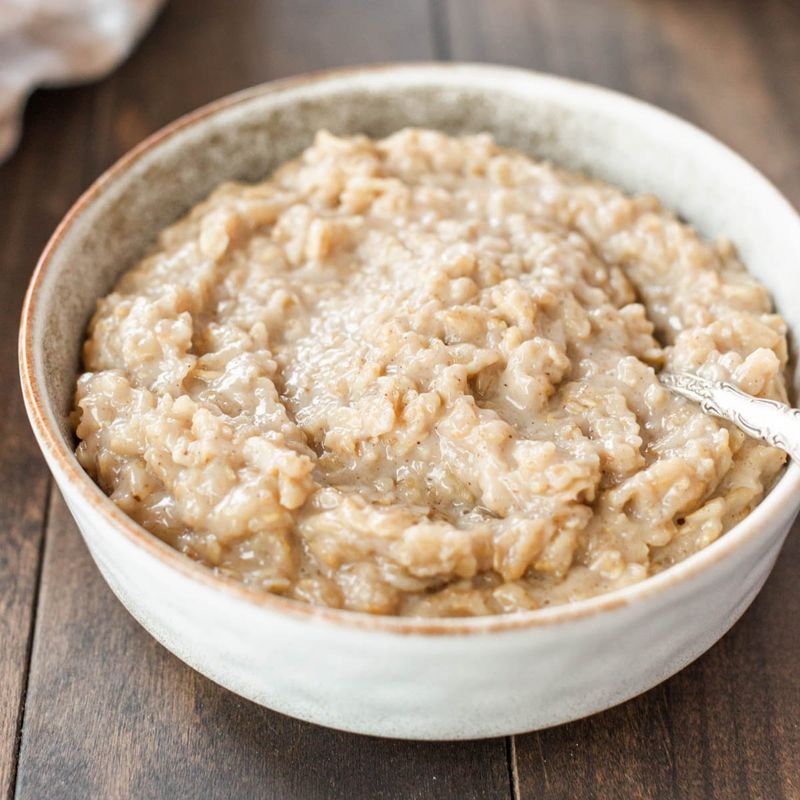
Watery, gloopy porridge made with just water and no toppings is about as appetising as wallpaper paste. The difference comes from using milk or a combination of milk and water, which creates a creamy, comforting texture.
Adding toppings like fresh fruit, nuts, honey, or cinnamon transforms it from boring to brilliant. Cooking it slowly and stirring regularly prevents lumps and creates that perfect, velvety consistency that makes breakfast something to look forward to each morning.
6. Eggplant
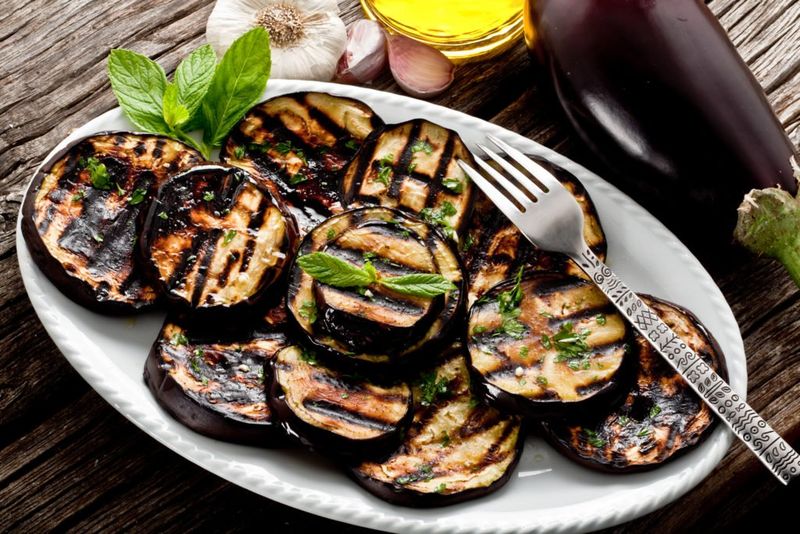
Raw or undercooked aubergine has a bitter, spongy texture that's genuinely unpleasant and off-putting. The magic happens when you salt the slices first to draw out moisture and bitterness, then cook them thoroughly until soft and golden.
Roasting, grilling, or frying transforms the flesh into something creamy and almost meaty in texture. When properly prepared, aubergine absorbs flavours beautifully and develops a rich, satisfying taste that converts even the most determined sceptics.
7. Blue Cheese
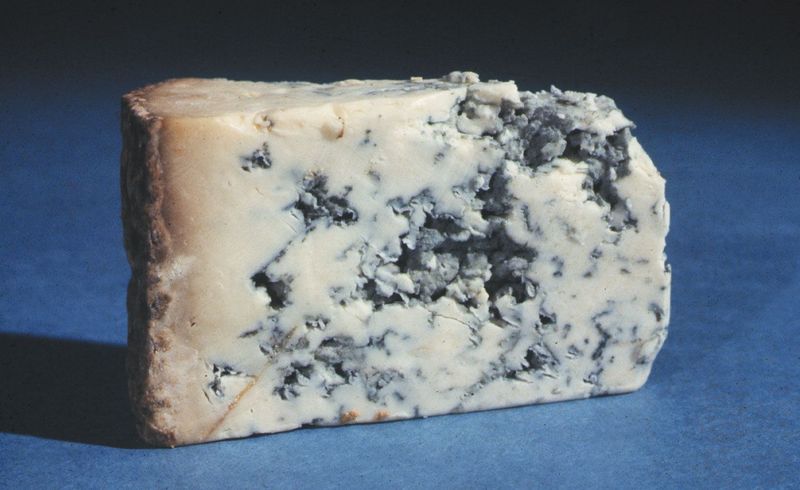
Taking a huge bite of pungent blue cheese on its own can be an overwhelming, shocking experience for your taste buds. The proper approach involves pairing small amounts with something sweet like honey, pears, or figs to balance the strong flavour.
Crumbling it over salads or melting it into sauces dilutes the intensity whilst still providing that distinctive tangy taste. Starting with milder varieties like Gorgonzola dolce helps you appreciate the complexity without the overpowering punch.
8. Lentils
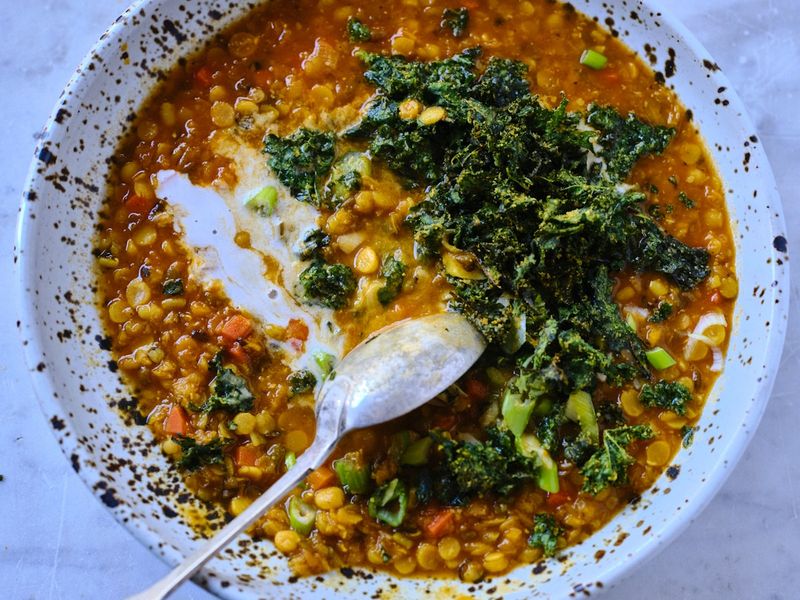
Plain boiled lentils with no seasoning taste like mushy, earthy nothing and put people off this nutritious legume completely. The secret is cooking them in flavourful stock rather than water and adding aromatics like garlic, onions, and herbs.
Different varieties require different cooking times, so red lentils become creamy quickly whilst green ones stay firmer. Properly seasoned and cooked lentils absorb flavours wonderfully and provide a hearty, satisfying meal that's both delicious and incredibly good for you.
9. Quinoa
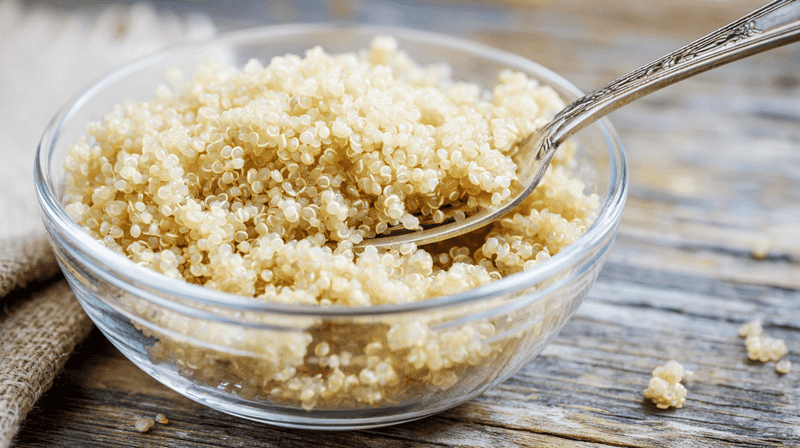
Unrinsed quinoa tastes bitter and soapy because of natural compounds called saponins that coat the seeds. Rinsing thoroughly under cold water for at least thirty seconds removes this bitterness completely and is absolutely essential.
Cooking it in stock instead of water adds flavour, whilst fluffing with a fork after cooking prevents clumping. When prepared correctly, quinoa has a lovely nutty taste and light, fluffy texture that makes it a genuinely enjoyable and versatile grain alternative.
10. Greek Yoghurt
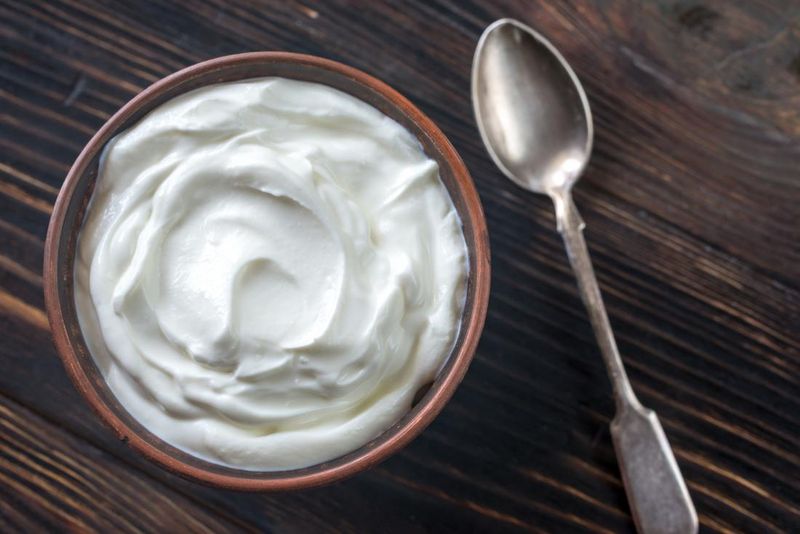
Expecting Greek yoghurt to taste like sweetened dessert yoghurt leads to a shockingly sour, tart disappointment. The thick, tangy flavour is meant to be enhanced with your own additions like honey, fresh fruit, granola, or even used in savoury dishes.
It's also brilliant as a sour cream substitute in cooking or as a base for dips and sauces. Once you understand it's a versatile ingredient rather than a ready-to-eat dessert, its creamy texture and protein content become genuinely appealing.