






Life in 1930s Britain meant tightening belts and finding clever ways to make food go further. With little money to spare and rationing still on the horizon, families turned to plain but filling meals that could keep everyone fed.
Out of necessity came resourceful dishes that reflected the grit and resilience of the times.
This article is for general information only. Recipes, taste, and availability may vary, and photos are for illustrative purposes and may not reflect exact historical dishes.
1. Stews And Soups
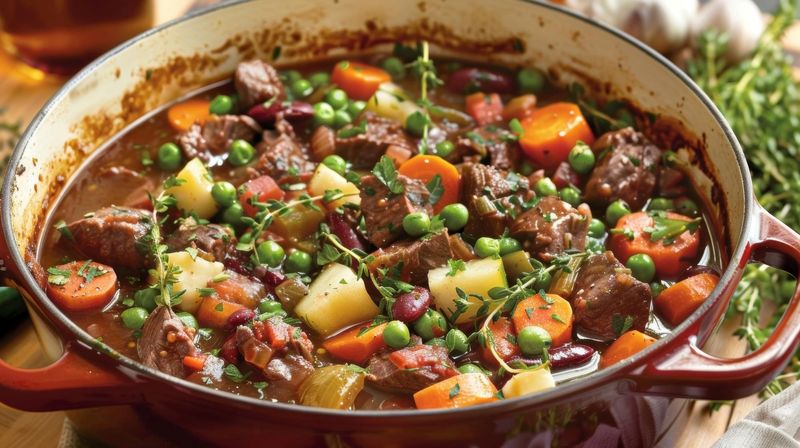
Nothing stretched a meagre budget quite like a pot of something warm and filling. Families would chuck whatever vegetables they could find into a big pot with scraps of meat or bones from the butcher.
Water became the magic ingredient, turning a handful of ingredients into meals for days. Root vegetables like turnips and swedes bulked things out nicely, whilst a bit of barley made everything heartier.
2. Bread And Dripping
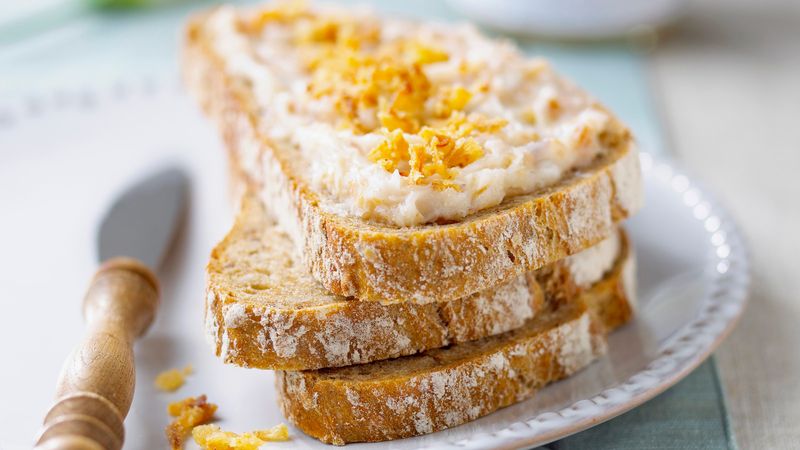
Fancy butter was a luxury most families couldn't afford, but dripping was practically free. After Sunday roast (when there was one), the leftover fat got saved religiously in jars for the week ahead.
Spread thick on doorstop slices of bread, it provided essential calories and surprising flavour. Many kids grew up thinking this salty, savoury treat was better than jam anyway.
3. Porridge
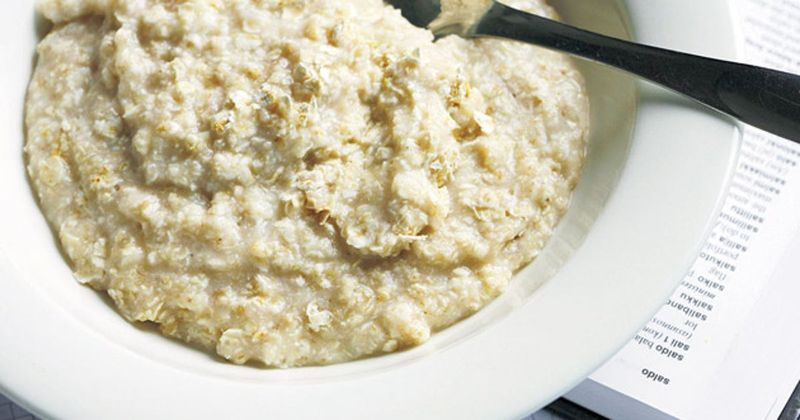
Oats were cheap, filling, and could feed a family for days from one bag. Morning porridge became the foundation that kept people going until their next proper meal, often hours later.
Made with water rather than milk, it wasn't exactly gourmet, but a sprinkle of salt or sugar when available made all the difference. Smart cooks made extra to fry up later as oatcakes.
4. Fish And Chips
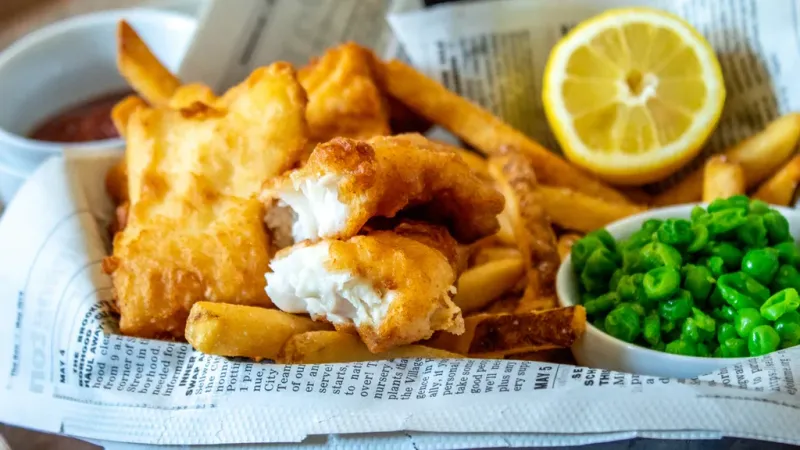
Before it became a national treasure, fish and chips was working-class fuel that offered proper bang for your buck. Cheap white fish, usually cod or haddock, got battered and fried alongside filling potato chips.
Newspaper wrapping kept costs down, and families often shared portions to make the money stretch further. A proper chippy meal could feed several people without breaking the bank completely.
5. Bubble And Squeak
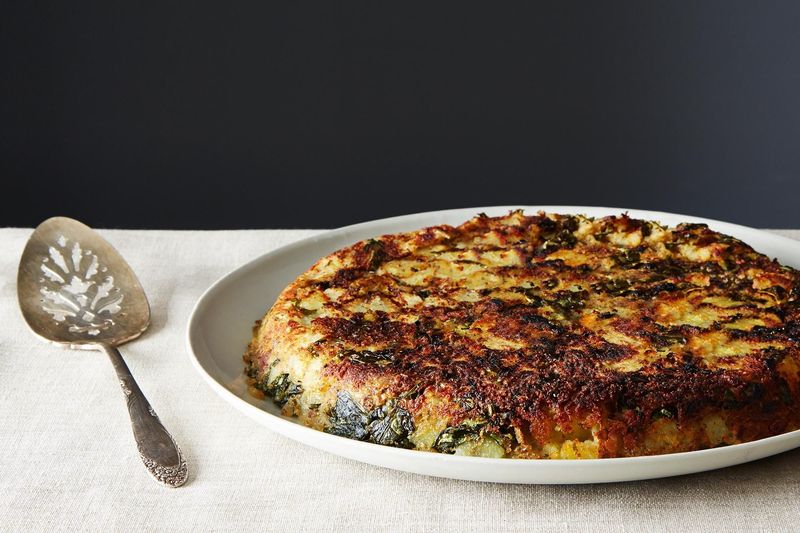
Waste not, want not became the household motto, and bubble and squeak proved that yesterday's leftovers could become today's feast. Leftover vegetables got mashed together and fried until crispy.
Cabbage and potatoes formed the base, but anything edible went into the mix. The satisfying sizzle and pop in the pan gave this dish its cheeky name, whilst providing a filling meal from scraps.
6. Eels Jellied Or Otherwise
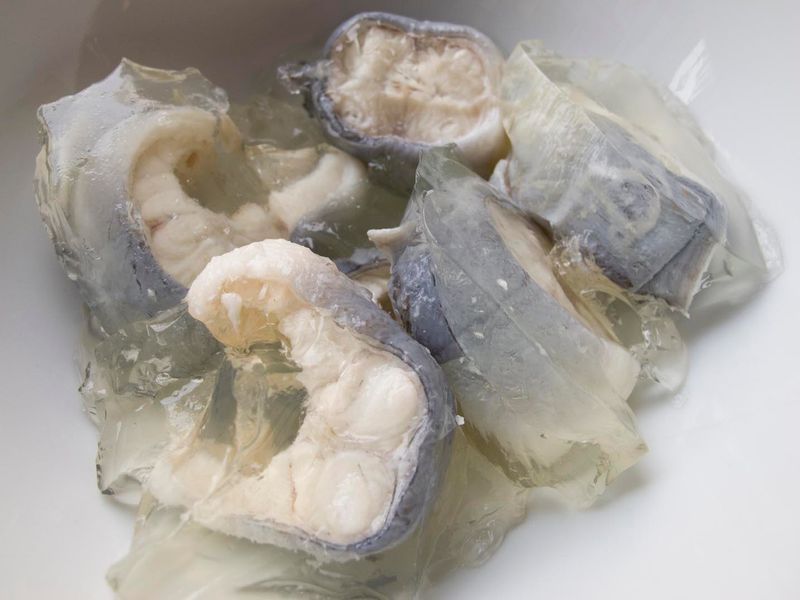
London's East End particularly embraced these slippery customers, which were abundant and affordable when other fish proved pricey. Jellied eels became a proper street food, served cold in their own natural gelatin.
Pie and mash shops also served them hot with liquor (a parsley sauce, not the drinking kind). Rich in protein and surprisingly tasty, eels kept many families fed when times got really tough.
7. Bread Pudding
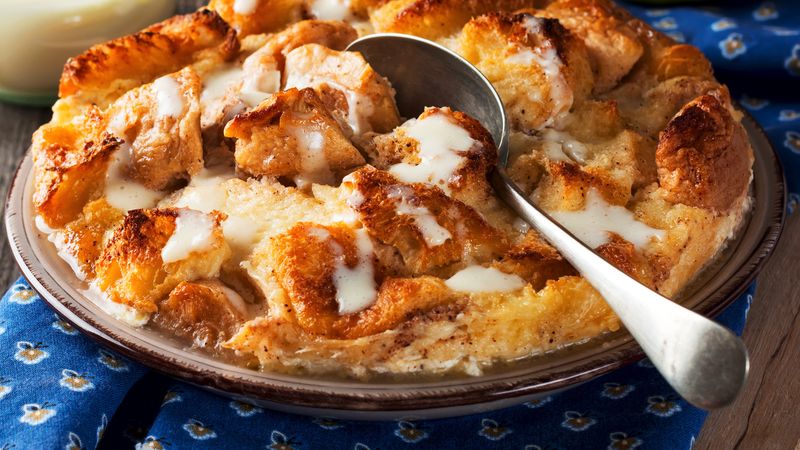
Stale bread never saw the bin when every crumb counted for something. Mixed with whatever milk, eggs, or even water was available, old bread transformed into proper pudding territory.
A handful of currants or sultanas when affordable made it feel like a real treat. Baked until golden, this sweet comfort food proved that resourcefulness could create something genuinely delicious from apparent rubbish.
8. Vegetable Pie

Pastry could make anything feel like a proper meal, even when the filling was mostly vegetables and hope. Root vegetables, onions, and whatever greens were cheap got encased in basic pastry.
Sometimes a bit of gravy or stock added flavour, but often vegetables had to stand on their own merits. These hearty pies filled bellies effectively whilst making families feel they were still eating 'proper' meals despite the circumstances.
9. Tripe And Onions
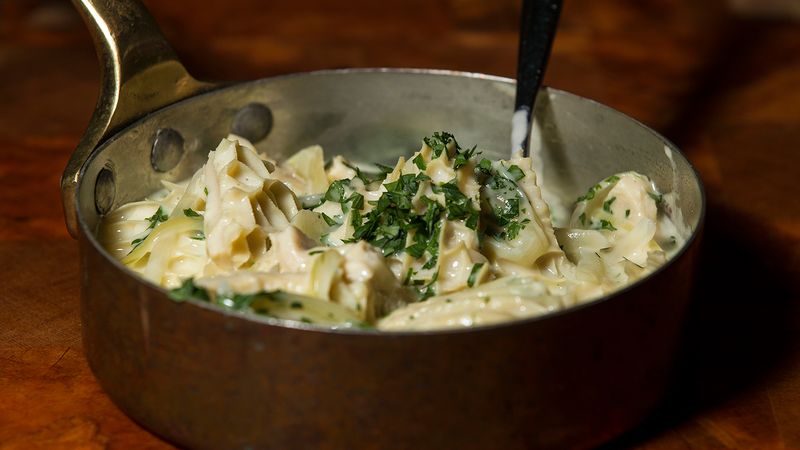
Butchers practically gave away these cow stomach linings because most folk turned their noses up at them. However, desperate times called for adventurous eating, and tripe provided proper protein at rock-bottom prices.
Slow-cooked with onions until tender, it became surprisingly palatable and filling. Many families discovered that poverty introduced them to flavours they'd never have tried otherwise, creating unlikely comfort foods.
10. Offal And Sausages
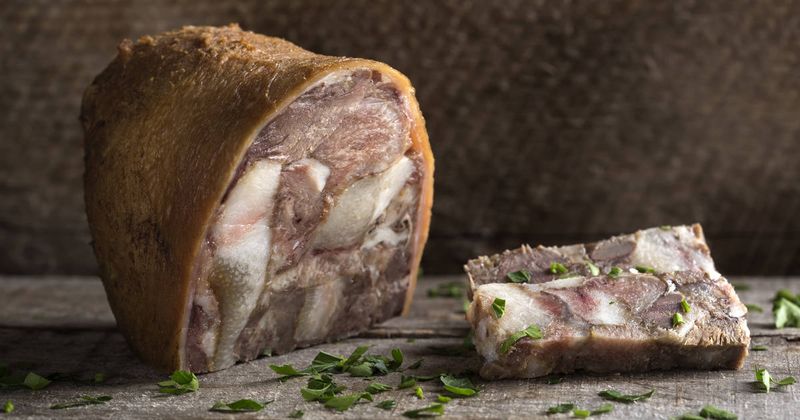
Kidney, liver, and heart cost a fraction of proper cuts, making them essential protein sources when budgets ran tight. Mixed with cheaper sausages, they created hearty meals that satisfied hungry families.
Slow cooking made even the toughest bits tender and flavourful. These organ meats packed serious nutritional punch too, keeping people healthier than they might have managed on bread and potatoes alone during those challenging years.