







Pregnancy brings numerous dietary changes to protect both mum and baby. While eating well is essential for development, certain foods can pose serious risks during these critical nine months.
Understanding which foods to avoid helps ensure a healthier pregnancy and reduces unnecessary complications for you and your little one.
This article is for general informational purposes only and should not replace professional medical advice. Pregnant individuals should always consult a qualified healthcare provider before making dietary changes, as needs may vary by health status and region.
1. Raw Or Undercooked Meat
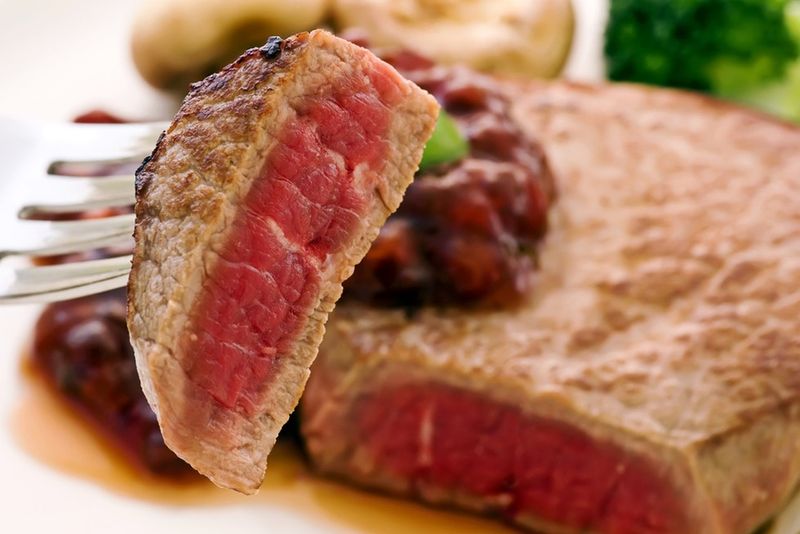
Uncooked meat may contain harmful bacteria and parasites. Always cook meat thoroughly until it is steaming hot all the way through.
Use a food thermometer if needed to ensure it has reached a safe temperature.
2. Deli Meats Unless Reheated
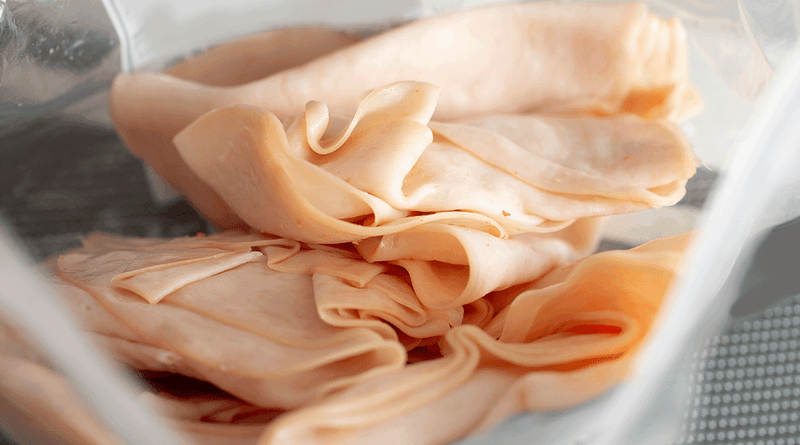
Cold cuts and lunch meats may contain Listeria bacteria, which can be harmful during pregnancy. Because Listeria can survive in the fridge, these ready-to-eat meats carry a higher risk.
Heating deli meats until steaming hot makes them safer to enjoy.
3. Raw Or Undercooked Eggs
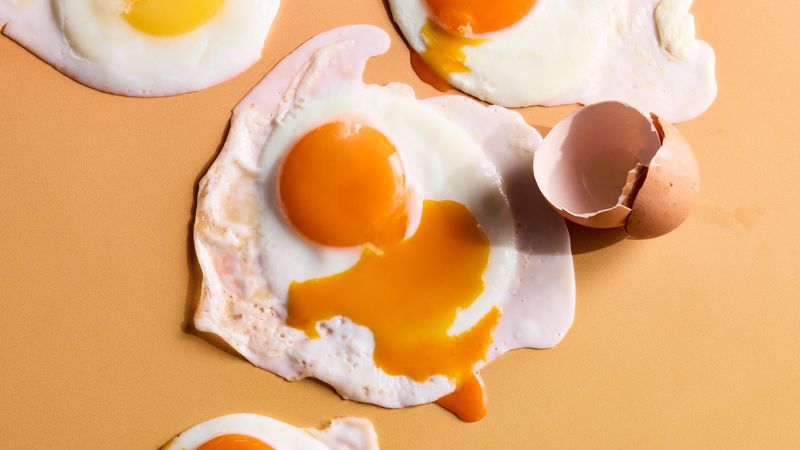
Eggs may carry Salmonella bacteria when not fully cooked. Pregnancy weakens your immune system, making food poisoning more dangerous for both you and your developing baby.
Say goodbye to runny yolks, homemade mayonnaise, and raw cookie dough. Look for pasteurised egg products when preparing foods that traditionally contain raw eggs, like certain dressings or desserts.
4. Soft Cheeses Made With Unpasteurised Milk
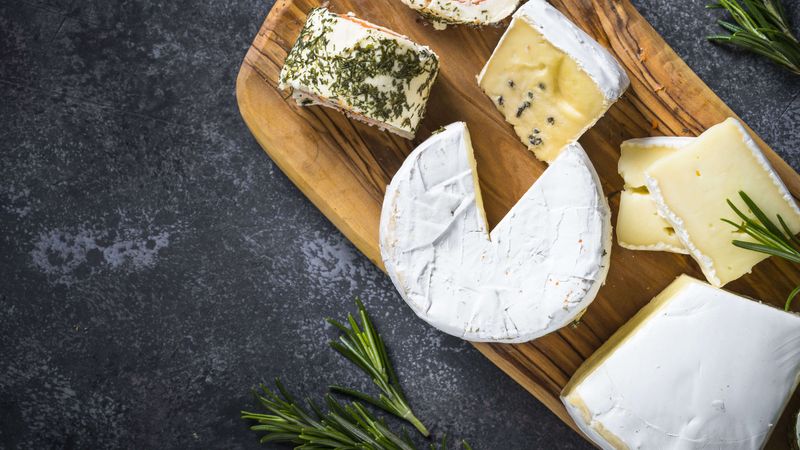
Brie, Camembert, feta, blue cheese and other soft varieties made from raw milk may harbour Listeria. This bacteria can cause listeriosis, which brings flu-like symptoms that can be devastating during pregnancy.
Check labels carefully for "made with pasteurised milk" before indulging your cheese cravings. Hard cheeses like cheddar generally pose lower risks even when unpasteurised.
5. Unpasteurised Milk And Dairy Products
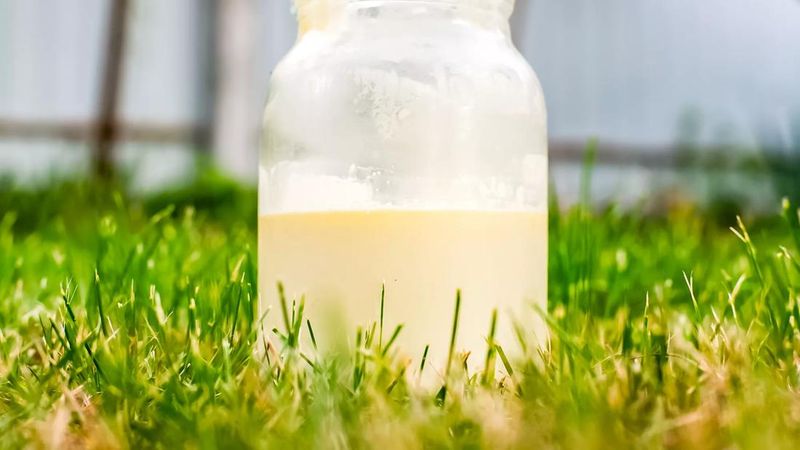
Raw milk hasn't undergone the heating process that kills harmful bacteria. Products made from unpasteurised milk might contain E. coli, Salmonella, or Listeria, all particularly dangerous during pregnancy.
Stick with pasteurised milk products exclusively. Farm-fresh dairy might seem appealing, but the pasteurisation process exists specifically to protect vulnerable populations like pregnant women from serious foodborne illnesses.
6. Certain Fish High In Mercury
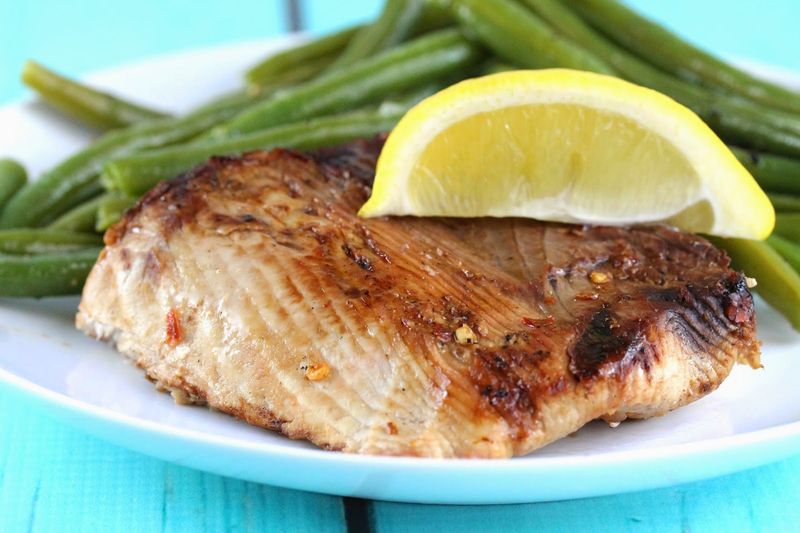
Mercury accumulates in large, predatory fish and can damage a developing baby's nervous system. Shark, swordfish, king mackerel, and tilefish contain the highest levels and should be completely avoided. Safer seafood options include salmon, shrimp, and light tuna.
These provide beneficial omega-3 fatty acids without excessive mercury. Limit even low-mercury fish to 2-3 servings weekly.
7. Raw Or Undercooked Fish And Shellfish
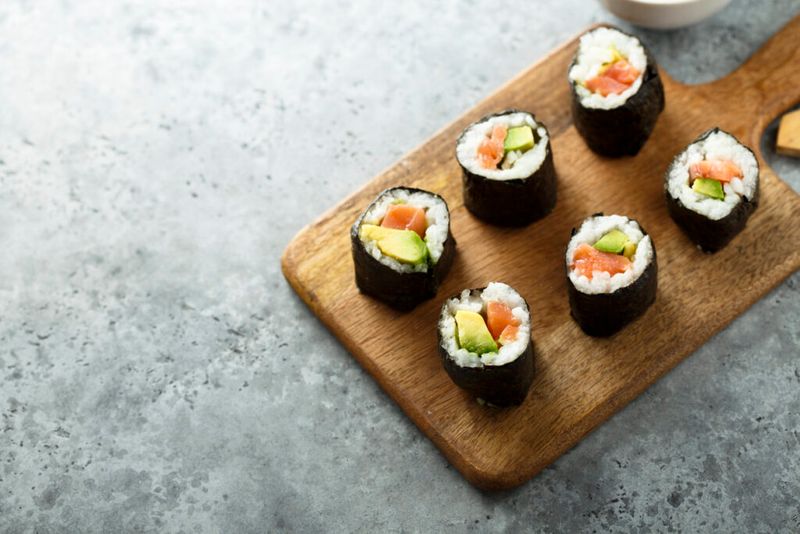
Uncooked seafood may contain harmful parasites and bacteria that can make anyone ill. For pregnant women, these infections can be more severe and potentially harm the developing baby. Sushi lovers should temporarily switch to cooked options like tempura or vegetable rolls.
Shellfish must be cooked until the flesh is pearly and opaque, reaching an internal temperature of at least 63°C.
8. Refrigerated Smoked Seafood Unless Cooked
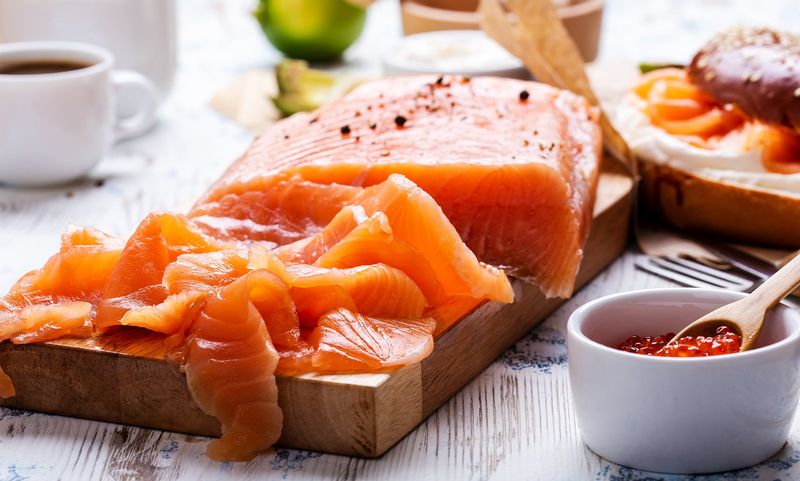
Chilled smoked seafood such as lox or kippered varieties can sometimes contain Listeria. These products are usually found in supermarket refrigerated sections.
They are safer if thoroughly cooked as part of a hot dish, or you can choose canned or shelf-stable versions.
9. Pâté Including Vegetable Pâté
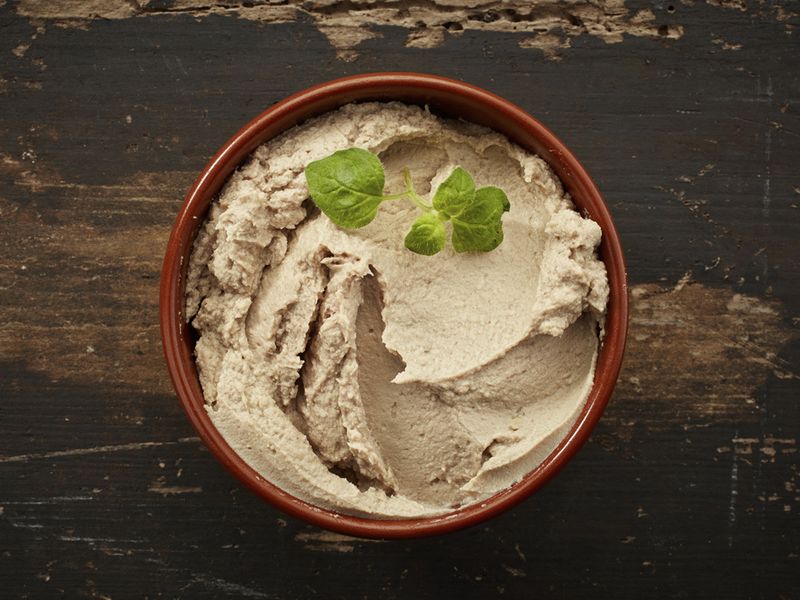
Refrigerated pâtés and meat spreads present another Listeria risk. Surprisingly, even vegetable versions can be contaminated during processing or storage. Canned or shelf-stable versions make safer alternatives.
Always check labels carefully and when in doubt, skip these spreads entirely during pregnancy. Your body will thank you for choosing simpler, safer options.
10. Raw Sprouts Such As Alfalfa, Clover And Radish
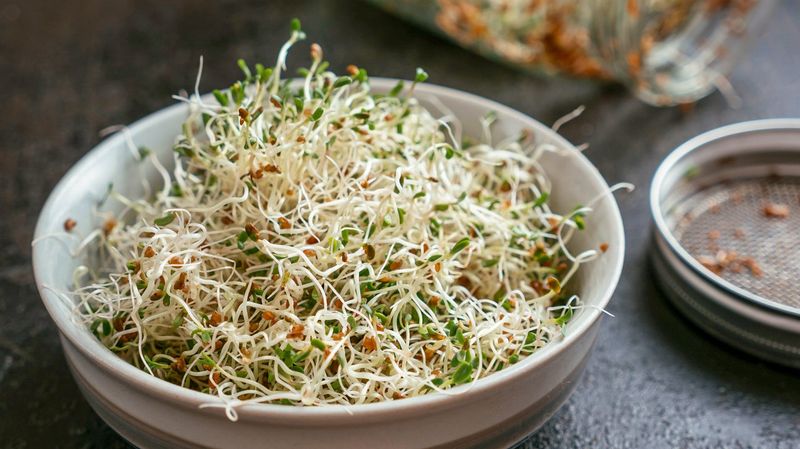
Sprouts grow in warm, humid conditions - the same environment bacteria love. Their seeds may contain bacteria inside that can't be washed away, making even home-grown sprouts potentially unsafe. Cooking sprouts thoroughly kills harmful bacteria.
Consider substituting with other crunchy vegetables like cucumber or carrots in sandwiches and salads for similar texture without the risk.
11. Unwashed Fruits And Vegetables
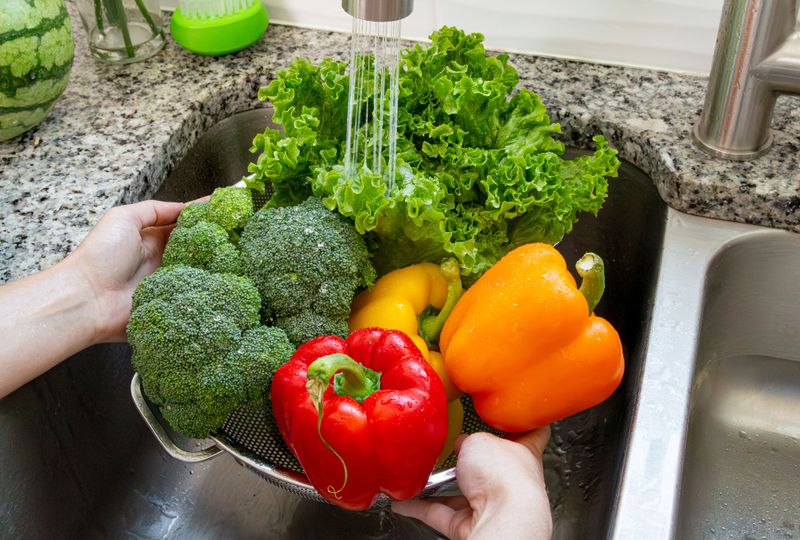
Produce can carry soil bacteria, pesticides, and parasites like Toxoplasma. These contaminants pose special risks during pregnancy, potentially causing serious complications or affecting fetal development. Thoroughly rinse all fruits and vegetables under running water before eating.
Use a produce brush for firm items like melons and cucumbers. Pre-washed, ready-to-eat salads should be fine but washing again provides extra protection.
12. Excess Caffeine
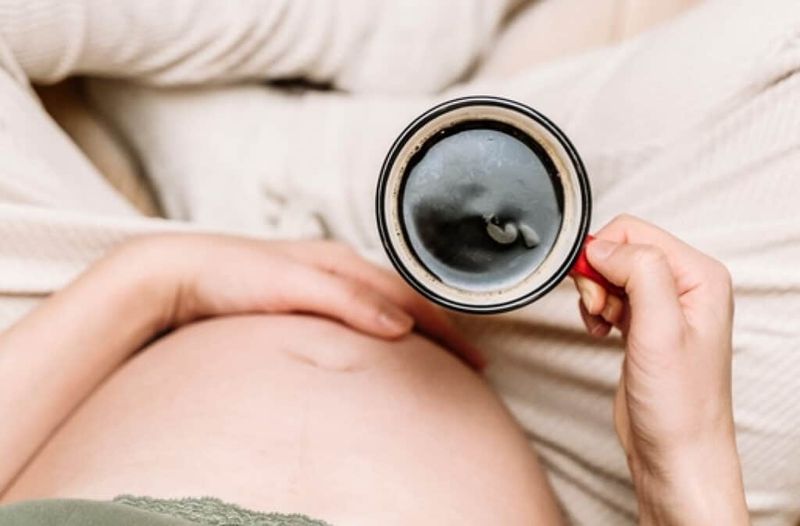
Too much caffeine may increase risks in pregnancy. It crosses the placenta, and your baby can't metabolise it efficiently like you can.
Limit intake to 200mg daily – roughly one 350ml mug of coffee. Remember that caffeine hides in many places: tea, cola, energy drinks, and even chocolate. Read labels carefully and track your daily consumption.
13. Herbal Teas And Supplements
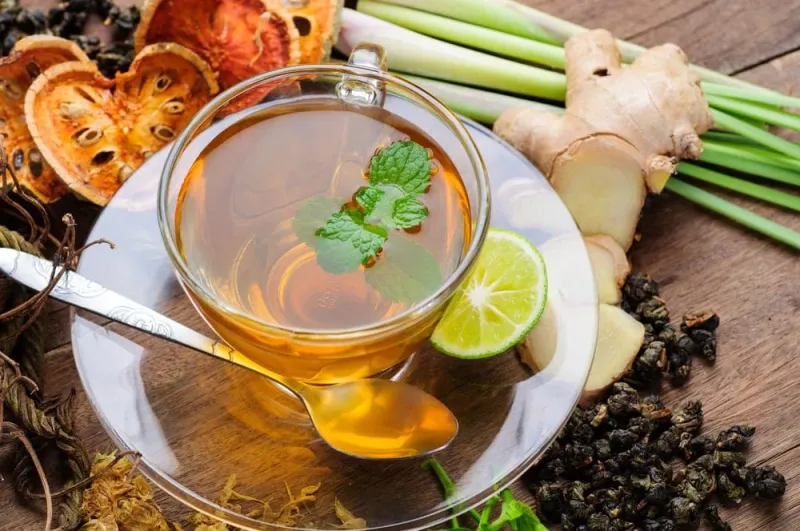
Not all herbal products have been tested for pregnancy safety. Some herbs like black cohosh, dong quai, and certain teas may stimulate contractions or affect hormone levels in ways harmful to your baby. Stick with pregnancy-approved herbal teas like ginger and peppermint.
Always consult your healthcare provider before taking any herbal supplement, no matter how natural it claims to be.