









Food regulations differ between countries, and certain ingredients and production methods approved for use in the United States are not permitted in the United Kingdom.
These differences are based on separate safety assessments, agricultural practices, and regulatory standards.
Looking at a few of the most notable examples can help explain why some products are widely available in the U.S. yet do not appear on UK supermarket shelves.
This article provides general information only and is intended for entertainment. Regulations can change, and product availability may vary by region and over time. Images, if included, are for illustrative purposes only.
1. Chlorine-Washed Chicken
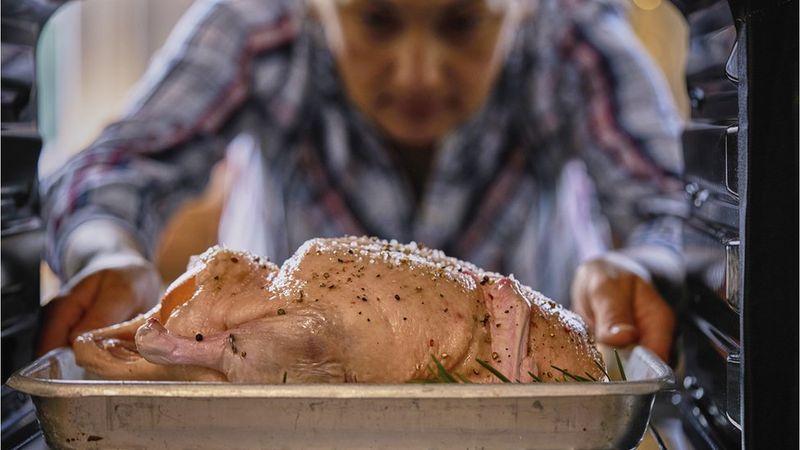
Picture a chicken breast taking a dip in a swimming pool before landing on your plate. Sounds dodgy, right? That's essentially what happens with chlorine-washed chicken in the US, where poultry gets a chemical bath to kill off bacteria.
The UK banned this practice because it's seen as a shortcut for poor hygiene standards during farming and processing. British regulations focus on preventing contamination throughout the entire production process rather than relying on a chlorine rinse at the end.
The European Union shares this view, keeping chlorinated poultry off the menu entirely.
2. Hormone-Treated Beef
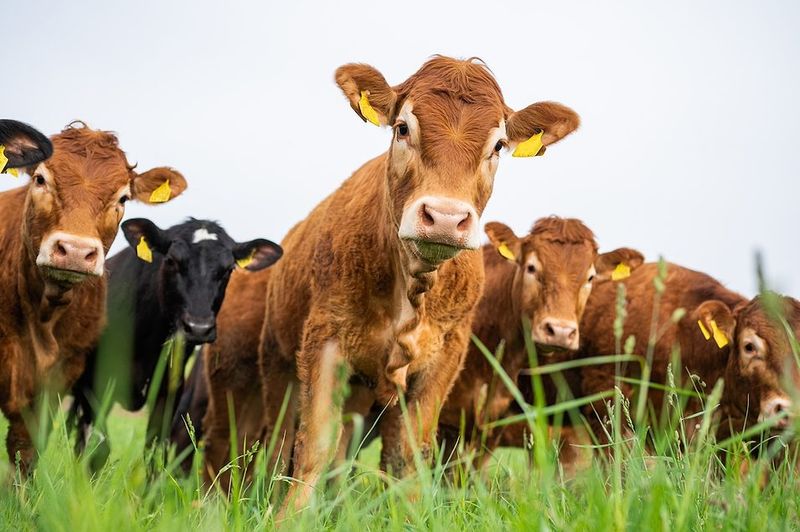
American cattle farmers often use growth hormones to bulk up their livestock faster, creating bigger steaks and more profit. Six different hormones are commonly injected or implanted to speed up the growth process, something that's been standard practice stateside for decades.
Britain banned hormone-treated beef back in the 1980s over concerns about potential health risks, particularly regarding hormone residues in meat. Studies suggested possible links to cancer and early puberty in children, though American authorities maintain the levels are safe.
British farmers raise cattle without these additives, relying on traditional methods instead.
3. Ractopamine-Fed Pork
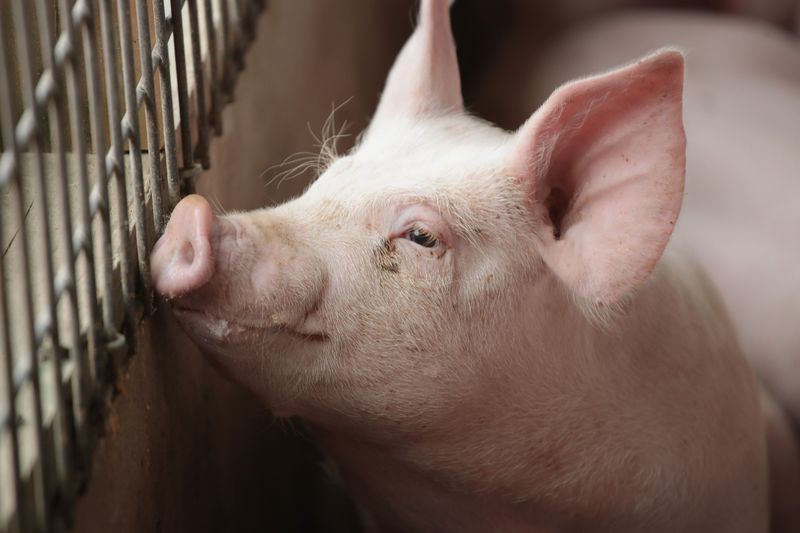
Fancy a bacon sarnie with a side of asthma medication? Ractopamine is a drug used in American pig farming to promote lean muscle growth whilst reducing fat. About 60 to 80 per cent of US pigs are fed this additive before slaughter.
The UK and over 160 countries have banned ractopamine due to concerns about residues in pork products and potential effects on human health. Some studies linked it to increased heart rates and potential cardiovascular issues.
British pig farmers don't use this drug, maintaining more natural rearing practices that meet EU standards.
4. Brominated Vegetable Oil (BVO)
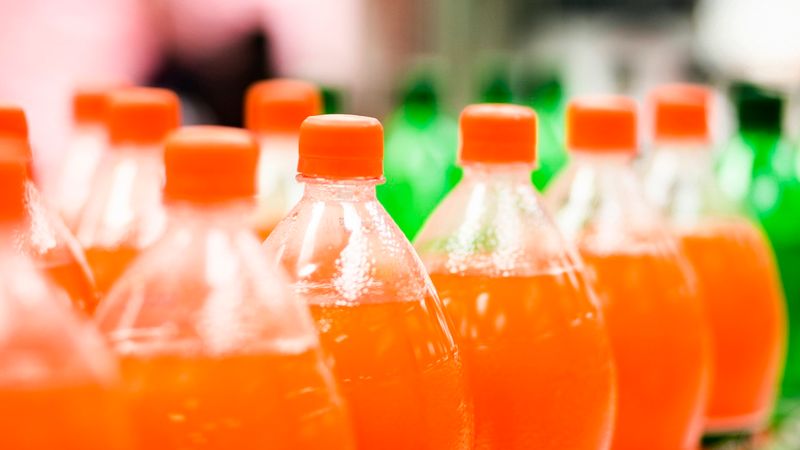
If you've ever sipped a bright orange fizzy drink in America, you might've consumed something originally patented as a flame retardant. BVO is added to certain citrus-flavoured soft drinks to keep the flavouring from separating and floating to the top.
The UK banned BVO because bromine can build up in the body over time, potentially causing memory loss, skin problems, and nerve disorders. It's also banned across Europe and Japan for similar safety concerns.
British soft drink manufacturers use alternative ingredients to achieve the same effect without the dodgy chemical baggage.
5. Potassium Bromate
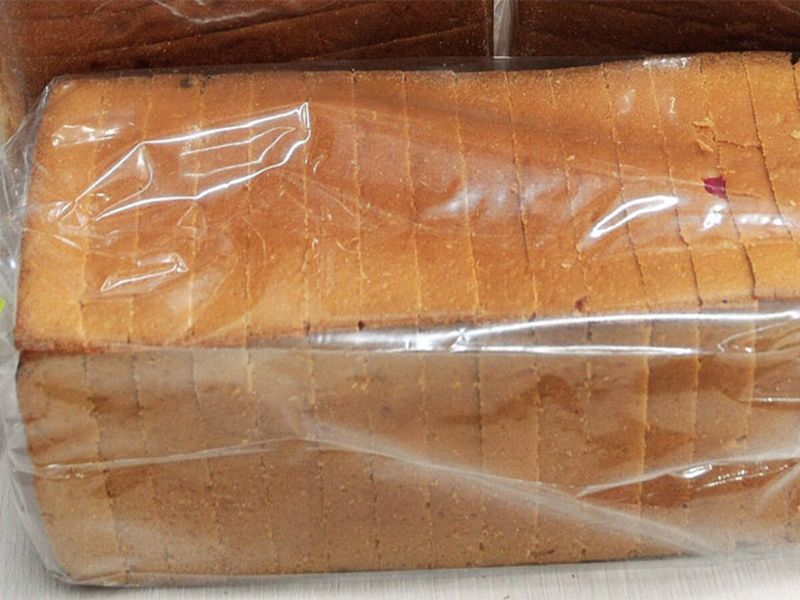
American bread often gets a helping hand from potassium bromate, a chemical that strengthens dough and helps it rise higher for that perfect fluffy texture. Bakers love it because it makes their job easier and the results more consistent.
Britain said no thanks to this additive after research showed it could cause cancer in laboratory animals. The chemical has been linked to kidney and thyroid tumours, leading to bans across the UK, EU, Canada, and China.
British bakers achieve lovely risen bread through other methods, including longer proving times and alternative dough conditioners that don't pose health risks.
6. Azodicarbonamide (ADA)

Here's a wild one: the same chemical used to make yoga mats and shoe soles also appears in American bread, pizza dough, and pastries. Azodicarbonamide works as a bleaching agent and dough conditioner, making bread whiter and improving texture.
The UK banned ADA because when heated, it breaks down into chemicals that may cause respiratory issues and have been linked to cancer. Anyone caught using it in food here could face serious penalties.
British bakeries rely on natural aging processes and safe alternatives to achieve quality baked goods without questionable chemical shortcuts or yoga mat ingredients.
7. Titanium Dioxide (E171)
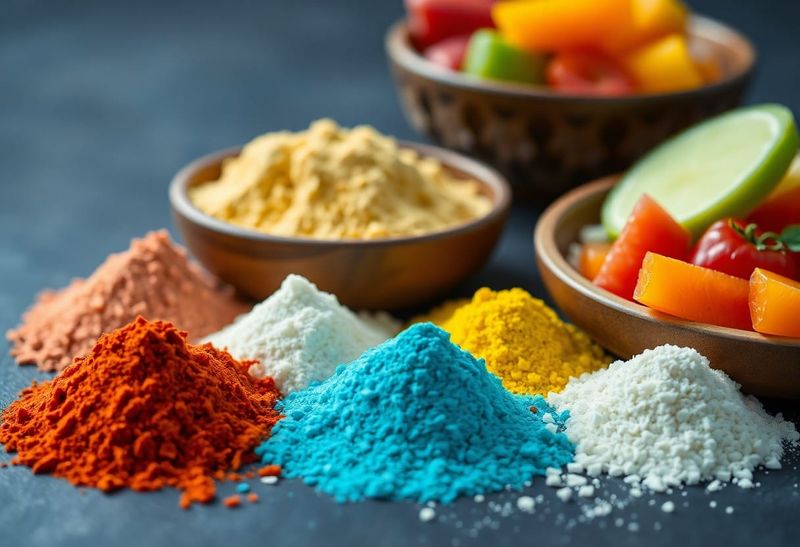
Walk down an American sweet aisle and you'll find this whitening agent in everything from chewing gum to icing to candy. Titanium dioxide makes foods look brighter and more appealing, giving sweets that brilliant white colour consumers apparently love.
Britain recently banned titanium dioxide in food after European safety authorities couldn't rule out concerns about DNA damage and potential cancer risks. The tiny nanoparticles can accumulate in the body, and long-term effects remain unclear.
British confectioners now use natural alternatives like rice starch or calcium carbonate to achieve similar visual effects without the worrying health questions.
8. Olestra
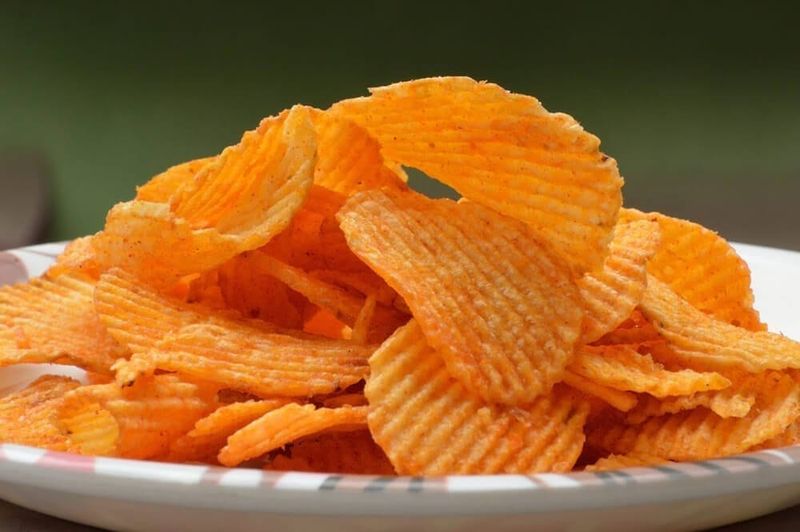
Remember those fat-free crisps that promised guilt-free snacking? Olestra is a synthetic fat substitute created in the 1960s that passes through your body without being absorbed, meaning zero calories from fat.
Sounds brilliant until you read the side effects. The UK never approved olestra because it causes rather unpleasant digestive issues, including cramps and loose stools. It also blocks absorption of essential vitamins A, D, E, and K.
British snack manufacturers stick with traditional ingredients or healthier alternatives like baked crisps rather than resorting to synthetic fats with dodgy consequences for your digestive system.