









Weekly food shops often follow familiar patterns, with many households reaching for the same staples out of habit and convenience. As a result, a number of useful, affordable, and nutritious ingredients tend to be overlooked, even though they are widely available in UK supermarkets.
Bringing a little variety into the trolley can introduce new flavours, support balanced eating, and make everyday meals feel more interesting without adding complexity.
Looking at the foods Britons rarely prioritise offers a simple way to refresh weekly meal planning and broaden what ends up on the plate.
This article is for general informational purposes only. Food preferences, availability, pricing, and preparation methods may vary by location and season.
Photos are for illustrative purposes only.
1. Sardines
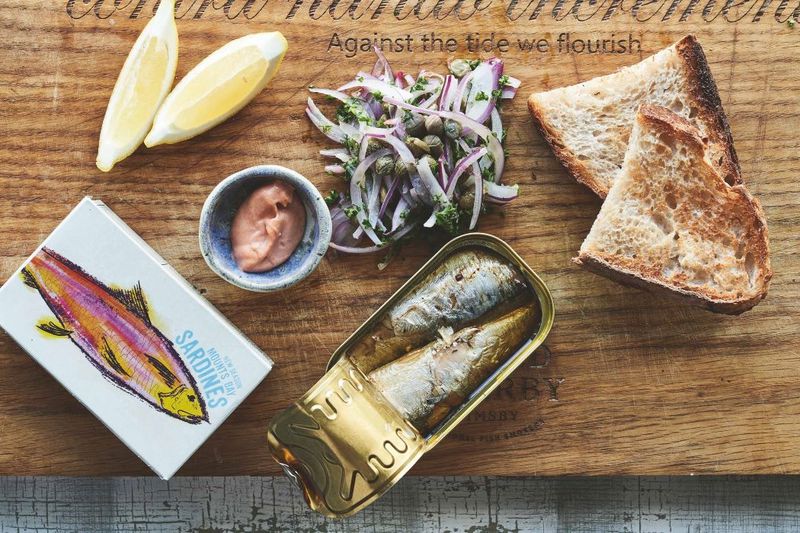
Tiny, oily, and often dismissed as old-fashioned, sardines are nutritional powerhouses swimming with omega-3 fatty acids, calcium, and vitamin D. Pop open a tin, and you've got an instant protein hit that's cheaper than a fancy coffee.
They're brilliant mashed onto toast with a squeeze of lemon, tossed through pasta, or even grilled fresh if you fancy getting adventurous. The bones are soft enough to eat, boosting your calcium intake without any fuss.
Yet most Brits overlook them, reaching instead for pricier fish options that don't deliver half the nutritional punch sardines pack into their silvery little frames.
2. Lentils
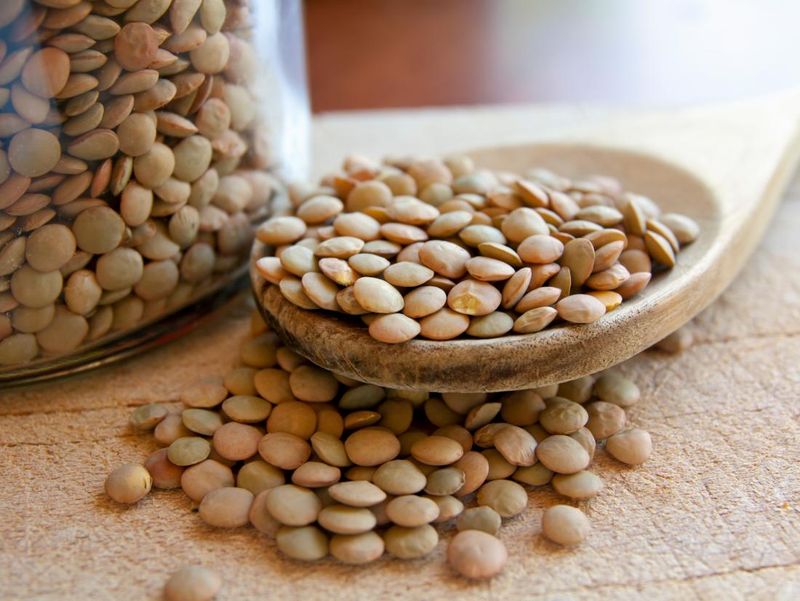
Lentils are the unsung heroes of the pantry, sitting quietly in their bag whilst pasta and rice hog the limelight. These humble pulses cook faster than dried beans, require no soaking, and soak up flavours like edible sponges.
Red lentils dissolve into creamy dahls and soups within 20 minutes, whilst green and brown varieties hold their shape beautifully in salads and stews. They're packed with plant-based protein and fibre, keeping you full for ages without weighing down your wallet.
Despite all this brilliance, lentils rarely make it into the average British shopping basket, overshadowed by convenience foods that can't compete nutritionally.
3. Pearl Barley
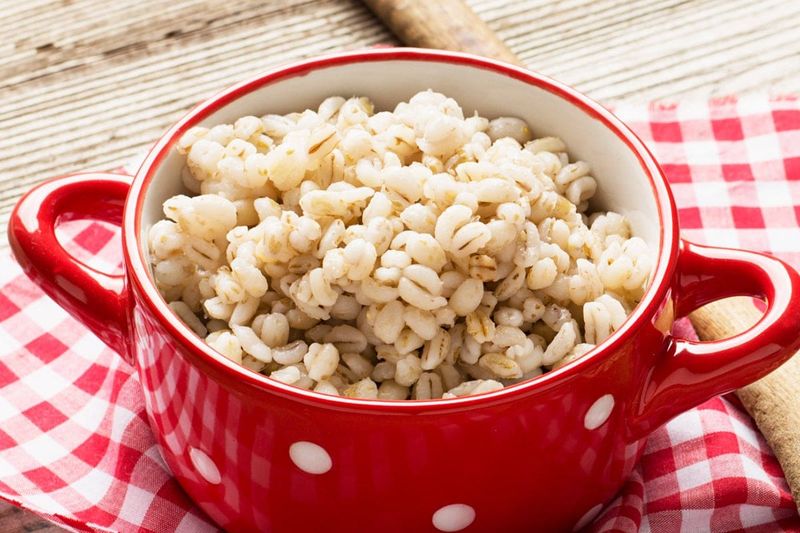
Pearl barley has been a British staple for centuries, yet nowadays it's treated like a relic from granny's cookbook. This chewy, nutty grain adds gorgeous texture to soups and stews, transforming them from watery to wonderfully hearty.
It's particularly brilliant in Scotch broth or risotto-style dishes where its natural starchiness creates a creamy consistency without needing loads of butter. Nutritionally, it's a fibre champion that helps keep blood sugar steady and digestion happy.
But despite its versatility and old-school charm, pearl barley gets sidelined in favour of quicker-cooking grains that simply don't offer the same satisfying bite or wholesome goodness.
4. Mackerel
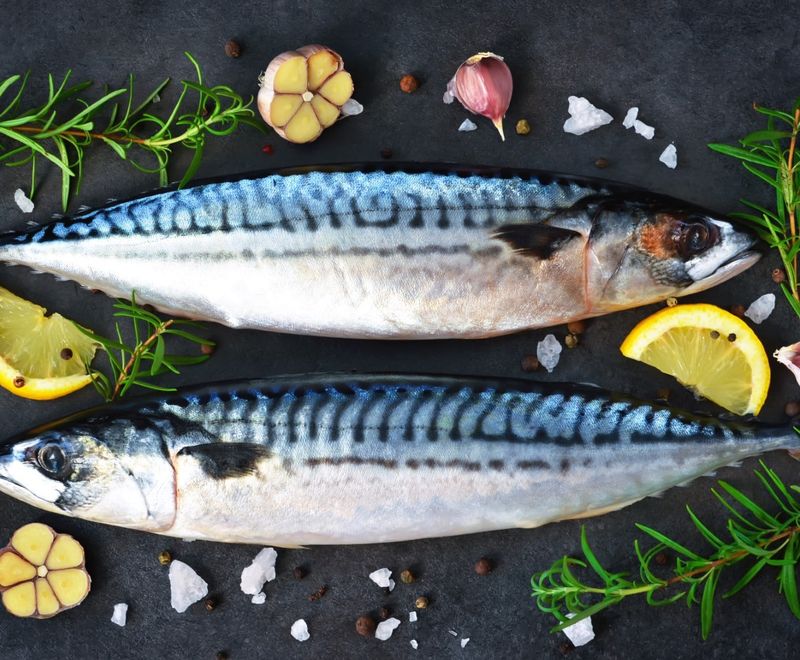
Mackerel is one of Britain's most sustainable and affordable fish, yet it rarely swims onto weekly meal plans. Its rich, oily flesh is loaded with omega-3s, making it a proper brain-boosting, heart-helping superstar.
Fresh mackerel grills beautifully in minutes, whilst smoked mackerel needs zero cooking and flakes perfectly into salads, pâtés, or scrambled eggs. The flavour is bold and distinctive, far more interesting than bland white fish, though perhaps that's why some folks shy away from it.
Still, for the adventurous eater, mackerel offers incredible value and taste that deserves more respect in British kitchens than it currently receives.
5. Beetroot
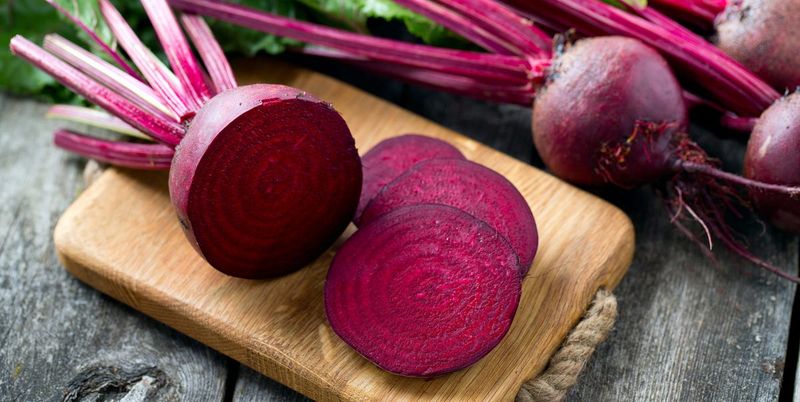
Beetroot's vibrant magenta hue and earthy sweetness make it a vegetable that divides opinion, but those who skip it are missing out on serious nutritional benefits. It's bursting with antioxidants, folate, and nitrates that support healthy blood pressure and athletic performance.
Roasted until caramelised, beetroot becomes wonderfully sweet and tender, whilst raw beetroot grated into salads adds crunch and colour. The vacuum-packed cooked stuff is convenient but doesn't hold a candle to freshly prepared beets.
Yet beetroot remains an afterthought for most Brits, relegated to occasional salad bars rather than starring as the versatile, delicious vegetable it truly is.
6. Cottage Cheese
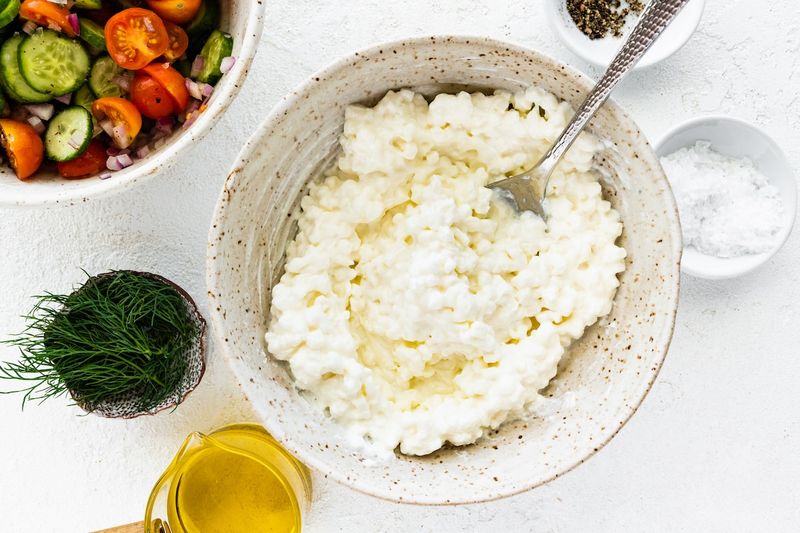
Cottage cheese has an image problem, often dismissed as diet food from the 1980s that belongs on a sad lettuce leaf. But this lumpy, protein-packed dairy product is actually incredibly versatile and surprisingly tasty when used properly.
It's brilliant stirred through scrambled eggs for extra creaminess, dolloped onto baked potatoes, or blended into smoothies for a protein boost without the chalky powder taste. The mild, slightly tangy flavour works in both savoury and sweet dishes, making it far more useful than most people realise.
Despite its nutritional credentials and affordability, cottage cheese languishes in the dairy aisle, overlooked by Brits who haven't discovered its true potential.
7. Celeriac
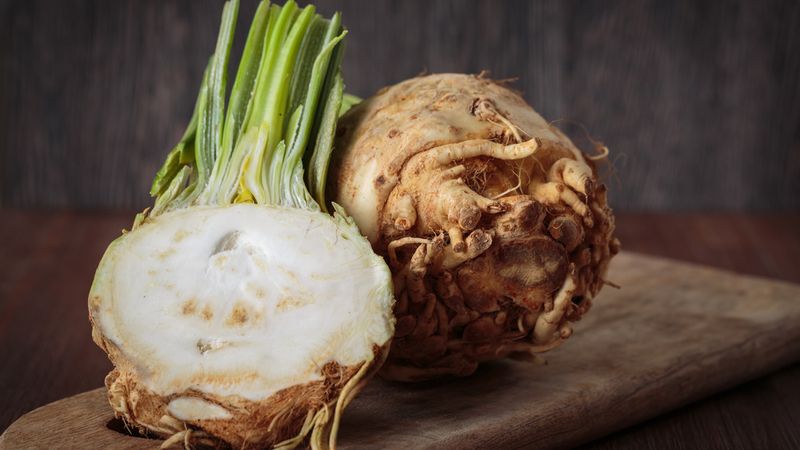
Celeriac looks like something that escaped from a sci-fi film, all gnarly and knobbly and thoroughly uninviting. But beneath that rough exterior lies a creamy, celery-flavoured vegetable that's brilliant mashed, roasted, or turned into chips.
It's lower in carbs than potatoes yet delivers similar comfort and satisfaction, making it perfect for anyone wanting to mix up their usual spud routine. Celeriac remoulade is a classic French bistro dish that's dead simple to make and absolutely delicious.
Yet most British shoppers walk straight past this ugly-but-lovely root vegetable, intimidated by its appearance and unsure what to do with it once they get it home.
8. Tinned Tomatoes
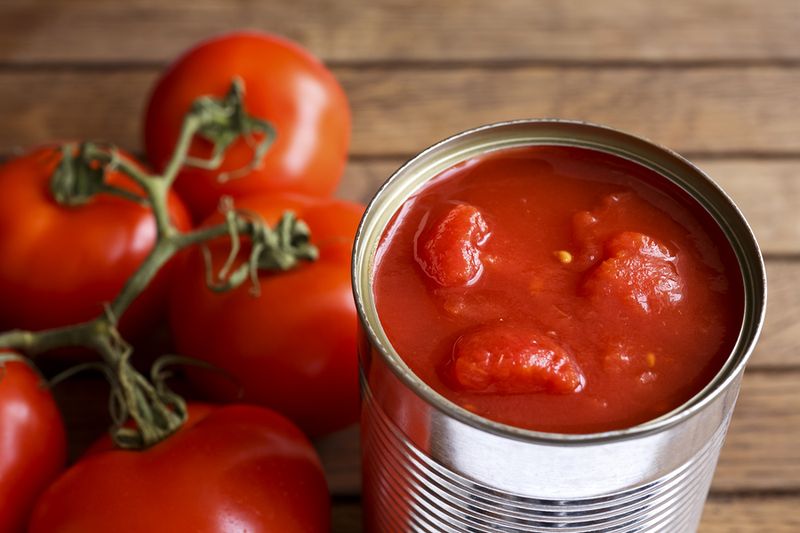
Wait, tinned tomatoes are everywhere, aren't they? Actually, many Brits rely on jarred pasta sauces instead of keeping this pantry essential stocked.
A tin of good-quality tomatoes is the foundation for countless quick, delicious meals from pasta sauces to curries to shakshuka.
They're picked and tinned at peak ripeness, often tasting better than fresh tomatoes in British winter. Plus, they're ridiculously cheap and last for ages in the cupboard, ready whenever inspiration strikes.
Yet despite their versatility and value, tinned tomatoes get overlooked by those reaching for pricier, less flexible convenience options that don't deliver the same cooking potential or authentic flavour.
9. Kale
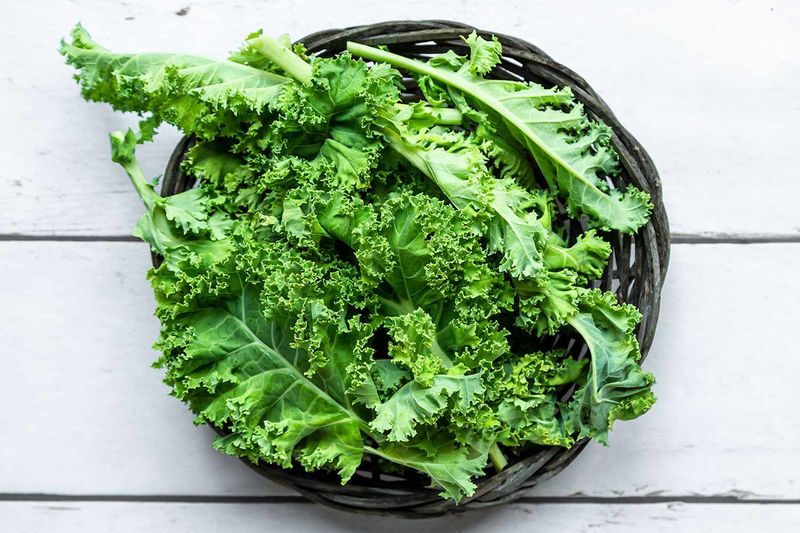
Kale had its trendy moment a few years back, then promptly fell out of fashion as quickly as it arrived. Shame, really, because this sturdy leafy green is genuinely brilliant once you know how to treat it properly.
Massaged with a bit of olive oil and salt, raw kale softens beautifully for salads, whilst a quick sauté transforms it into a flavourful side dish. It's packed with vitamins A, C, and K, plus it's one of the few greens that actually improves with a bit of rough handling.
Despite its nutritional superpowers and year-round availability, kale rarely makes it into weekly shopping baskets, dismissed as either too trendy or too tough by Brits who haven't given it a proper chance.
10. Frozen Berries
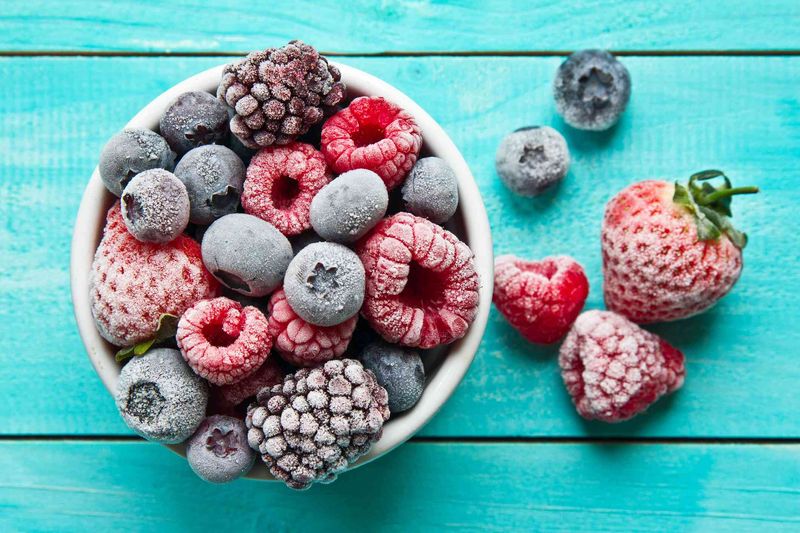
Frozen berries sit patiently in the freezer aisle whilst fresh berries fly off the shelves at triple the price. Yet frozen berries are picked and frozen at peak ripeness, often containing more nutrients than their travelled-for-days fresh counterparts.
They're perfect for smoothies, porridge, baking, or simply defrosting for a quick pudding with yoghurt. No washing, no waste, and available year-round regardless of season, frozen berries offer unbeatable convenience and value.
Still, many Brits overlook them, perhaps thinking frozen means inferior quality, when actually they're getting brilliant fruit without the premium price tag or the pressure to use them before they go mouldy.