











At the turn of the 20th century, food safety wasn’t exactly a priority – and what ended up on people’s plates could be downright dangerous. From toxic dyes to chemical preservatives, everyday foods were laced with substances that would be illegal today.
The introduction of the Pure Food Laws in the early 1900s marked a turning point, forcing manufacturers to clean up their act and banning a range of unsafe ingredients. Here’s a look at some of the most shocking foods that disappeared once those early food regulations took effect.
This article is for general informational purposes only. Historical context and product details are based on available public records. Images are for illustrative purposes only.
1. Lead-Tinted Sweets
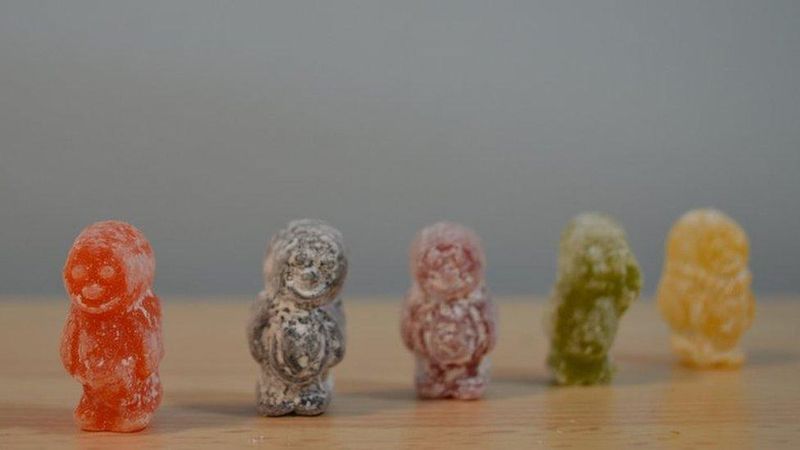
Imagine popping a boiled sweet and unknowingly poisoning yourself with every lick. Victorian confectioners used lead compounds to create brilliant white and vivid colours in their treats, making them irresistible to children. The metal gave sweets a lovely sheen, but it also caused severe neurological damage, stomach cramps, and even death in extreme cases.
Lead poisoning was rampant among sweet-loving kids before authorities finally twigged. Once the Pure Food Laws arrived, lead-tinted confectionery disappeared from British shops almost overnight, saving countless lives in the process.
2. Arsenic-Coloured Candies
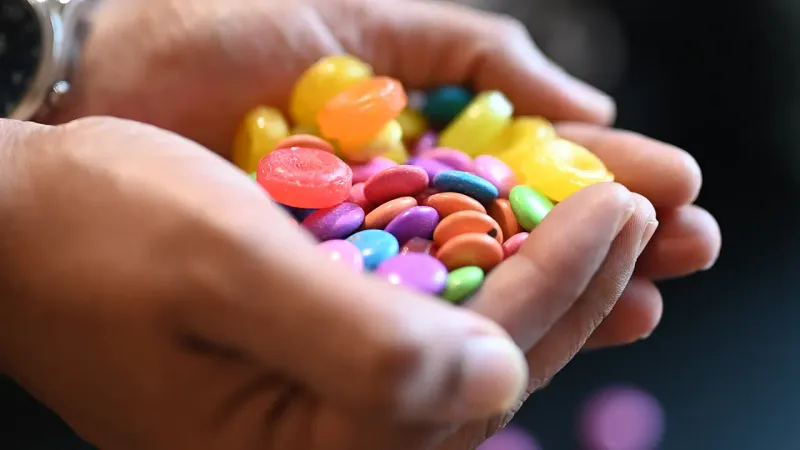
Fancy a side of poison with your pudding? Arsenic compounds were shockingly common in Victorian sweets, particularly those boasting vibrant green hues. Manufacturers loved using copper arsenite because it produced the most gorgeous emerald shades that customers couldn't resist. Unfortunately, arsenic is deadly even in small doses, causing vomiting, organ failure, and worse.
Children were especially vulnerable since they consumed more sweets per body weight. When the Pure Food Laws clamped down on toxic additives, arsenic-laced treats were among the first to vanish from confectionery counters across Britain.
3. Copper-Dyed Green Confectionery
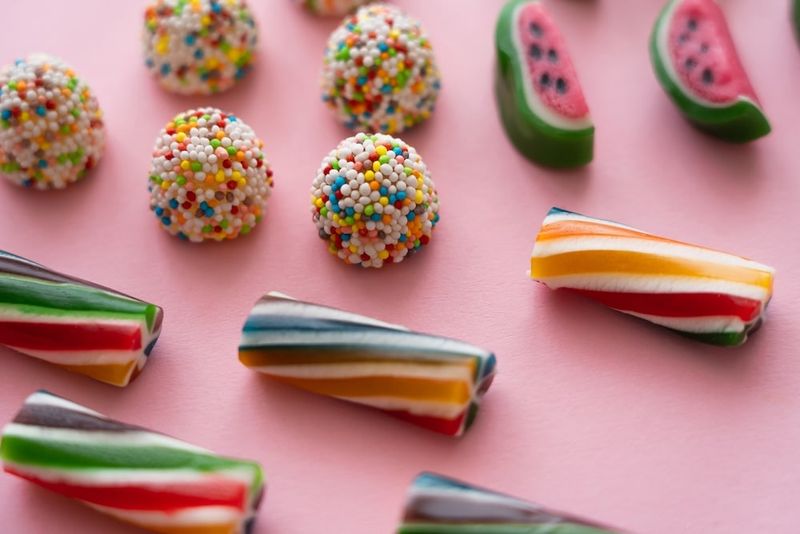
Who knew that achieving the perfect shade of green could be so lethal? Before regulations arrived, sweet makers routinely used copper salts to dye their confections a brilliant verdant colour. Copper sulphate and copper acetate were favourites because they produced stunning results that made treats look fresh and appealing. The problem? Copper is toxic when ingested regularly.
Symptoms ranged from nausea and diarrhoea to liver damage in severe cases. Once the Pure Food Laws banned these dangerous dyes, manufacturers had to find safer alternatives for colouring their green jellies and boiled sweets.
4. Mercury-Laced Cherries
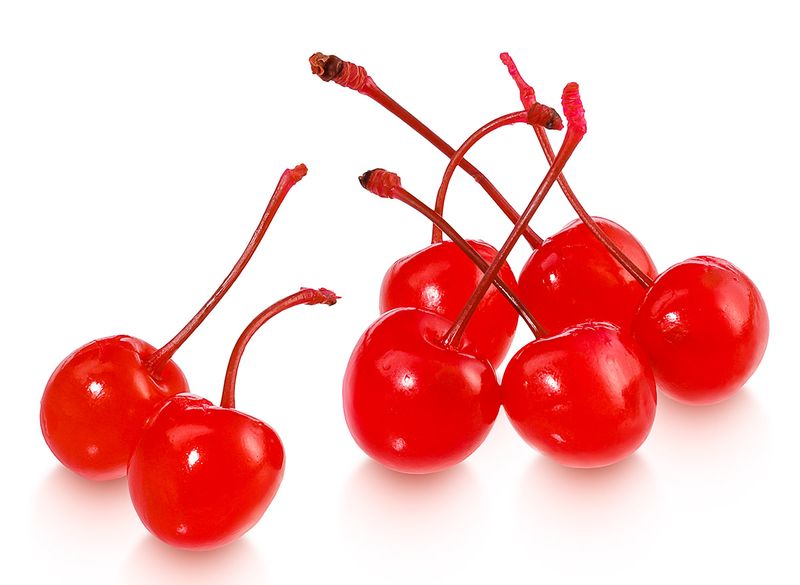
Preserved cherries were all the rage in Edwardian desserts, but the methods used to keep them looking plump and red were absolutely bonkers. Some manufacturers used mercury compounds as preservatives, believing they'd prevent spoilage and maintain that glossy appearance. Mercury is one of the most dangerous heavy metals, causing tremors, memory loss, and kidney damage.
The practice was eventually exposed as scandalous and life-threatening. When the Pure Food Laws came into force, mercury-laced cherries were swiftly removed from shop shelves, much to the relief of pudding lovers everywhere.
5. Coal-Tar Red Dyes
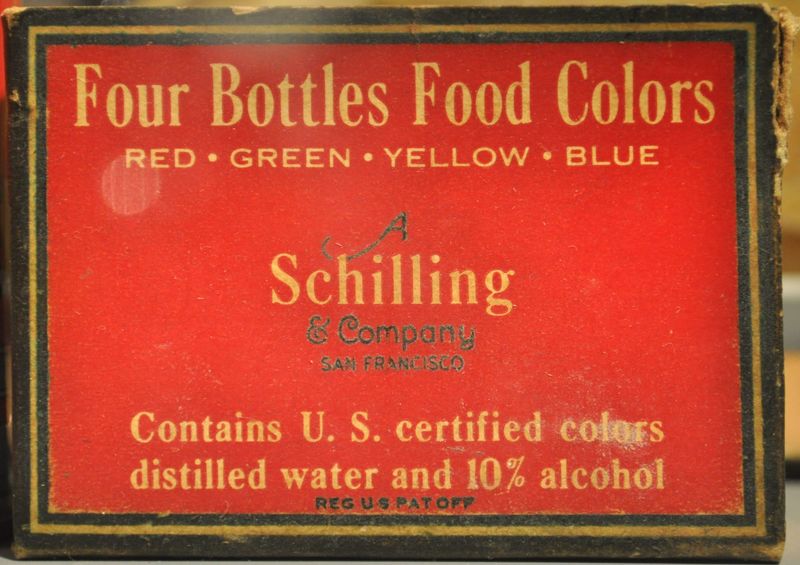
Before synthetic food colourings were properly tested, manufacturers turned to coal tar derivatives for their vibrant red shades. These industrial by-products created stunning crimson hues in jellies, ices, and confectionery, making them hugely popular among Victorian sweet makers. The trouble was that coal tar dyes contained carcinogenic compounds linked to cancer and other serious health problems.
Nobody questioned their safety until people started falling ill. The Pure Food Laws finally put an end to this dodgy practice, forcing manufacturers to find less toxic ways to colour their treats red.
6. Artificial Azo Dyes
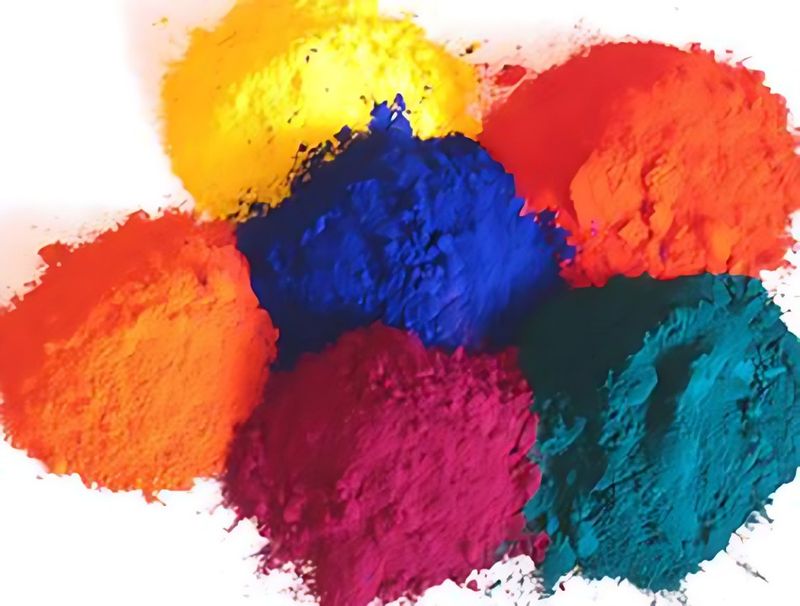
Azo dyes might sound fancy, but they were downright dangerous when first introduced to British food production. These synthetic compounds created brilliant yellows, oranges, and reds that made sweets and desserts look absolutely smashing. Unfortunately, many early azo dyes contained toxic chemicals that caused allergic reactions, digestive problems, and potentially worse health issues.
Food scientists hadn't properly tested them before chucking them into everything from custards to boiled sweets. Once the Pure Food Laws established proper safety standards, the most harmful azo dyes were banned, though safer versions remain in use today.
7. Butter-Yellow Margarine Colouring

Margarine manufacturers faced a tricky problem in the early 1900s – their product looked pale and unappetising compared to proper butter. Their solution was butter yellow, a chemical dye that gave margarine that rich, golden hue people expected. Sounds harmless enough, right? Wrong. Butter yellow was later discovered to be highly carcinogenic, causing liver tumours in laboratory tests.
The Pure Food Laws eventually cracked down on this dangerous practice, though it took years of campaigning by food safety advocates. Today's margarine uses much safer colouring agents, thankfully.
8. Coal-Tar Additives In Desserts
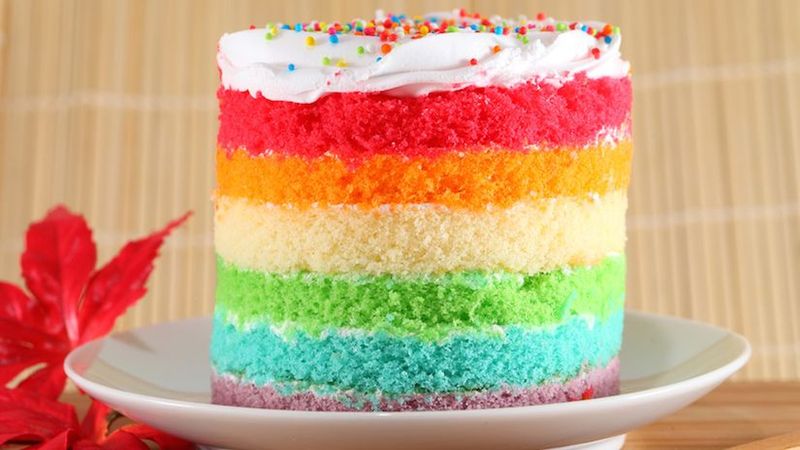
Beyond just colouring, coal tar derivatives found their way into all sorts of Edwardian desserts as flavouring agents and preservatives. Manufacturers believed these industrial chemicals were perfectly safe, using them to enhance everything from custards to trifles. The reality was far grimmer – coal tar compounds contained benzene and other nasties linked to blood disorders and cancer.
Nobody properly regulated what went into food until the Pure Food Laws arrived. Once scientists understood the dangers, coal tar additives were swiftly banned from British desserts, marking a major victory for public health.
9. Chewing Gum With Harmful Yellow Dye

Chewing gum became wildly popular in the early 1900s, and manufacturers competed fiercely to make theirs the most eye-catching. Many used cheap yellow dyes derived from coal tar or other industrial sources to give their gum a sunny, appealing colour. These dyes were never properly tested for safety, and some contained compounds that could damage the liver and kidneys with prolonged exposure.
Children were the primary consumers, making the situation even more alarming. The Pure Food Laws forced gum makers to reformulate their products using safer ingredients.
10. Preservative-Packed Meats Containing Borax
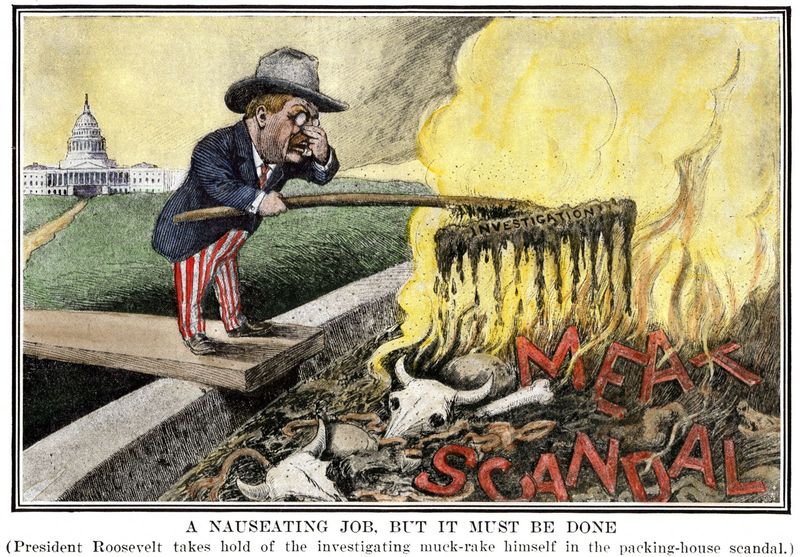
Before refrigeration became widespread, butchers desperately needed ways to keep meat from spoiling. Borax seemed like the perfect solution – it prevented bacterial growth and kept meat looking fresh for days. The problem was that borax is toxic to humans, causing nausea, vomiting, and kidney damage when consumed regularly. Working-class families who relied on cheap preserved meats were particularly at risk.
The Pure Food Laws finally banned borax from food products, forcing the meat industry to adopt safer preservation methods like proper cold storage and smoking.