



Remember when our grandparents talked about dinner parties with strange wobbling towers of meat and vegetables? Food fashions change dramatically over time, just like clothing styles and music.
What once appeared on fancy dining tables might now make us grimace or laugh. These peculiar culinary creations from yesteryear show just how much our tastes have evolved.
This article is for general information and nostalgic interest only. Food preferences vary and some dishes may not reflect today’s dietary standards.
1. Aspic Moulds
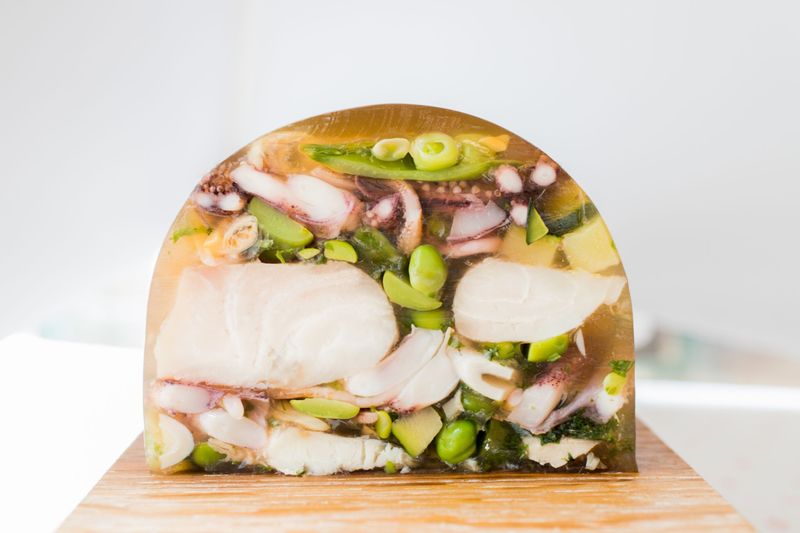
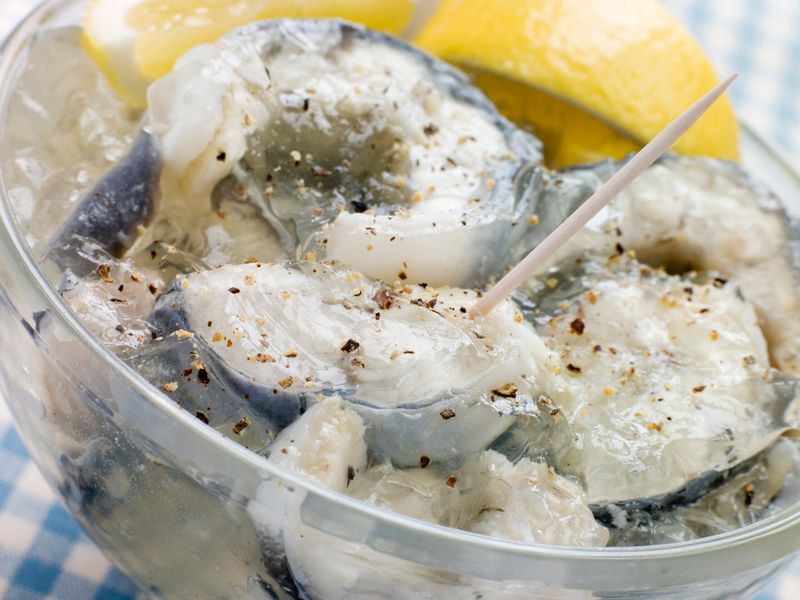
Savory meat jellies encasing various ingredients were the height of 1950s sophistication. Chicken, vegetables, and even entire fish suspended in transparent, wobbly tombs of gelatin graced formal dinner parties.
The texture alone - cold, slippery, and gelatinous - would send most modern diners running. Yet our ancestors considered these quivering towers the pinnacle of culinary achievement!
2. Cabbage Jelly
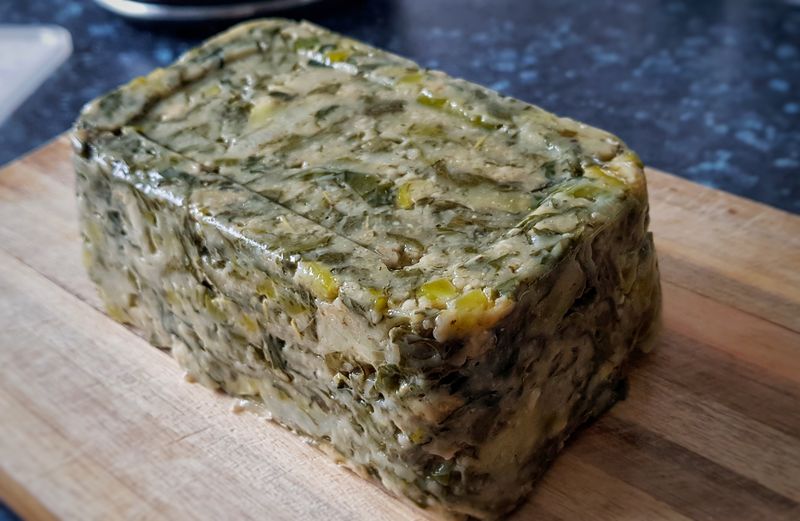
Victorian households transformed ordinary cabbage into strange, sweet preserves. The process involved boiling cabbage with sugar and lemon until it formed a translucent spread for morning toast.
Families consumed this peculiar concoction believing it offered health benefits during cold winter months. The unusual combination of vegetable flavor with sweetness would likely horrify modern breakfast enthusiasts.
3. Spam Loaf
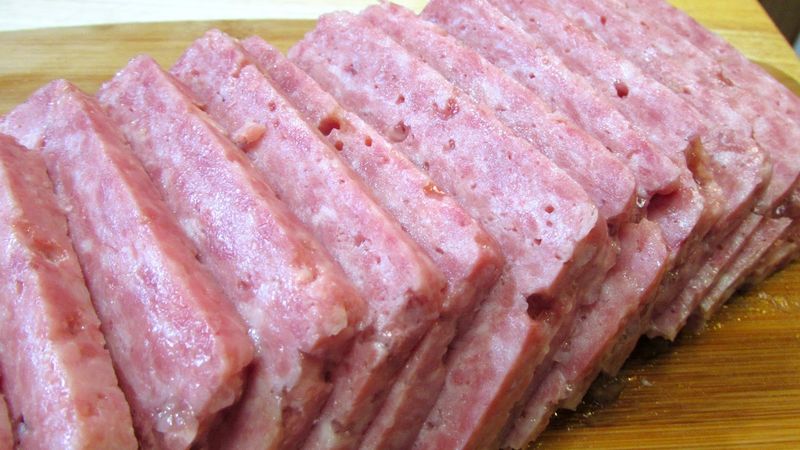
Post-war households embraced this processed meat marvel shaped into festive centerpieces. Cooks would mold canned meat into elaborate designs, glazing it with pineapple juice and decorating with maraschino cherries.
Often featured at holiday gatherings, these meat sculptures represented ingenuity during times of rationing. The combination of processed meat and sweet garnishes creates a flavor profile few contemporary palates would appreciate.
4. Mock Turtle Soup
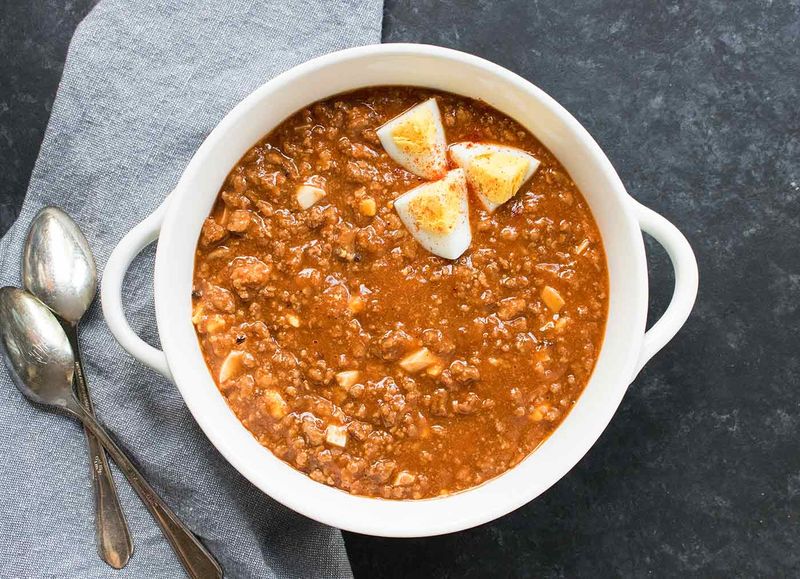
Victorian England's answer to expensive real turtle soup utilised calf's head and feet to mimic the texture and flavour of genuine turtle meat. The preparation process was lengthy – requiring hours of boiling bones and flesh.
Seasoned with rich stock and a blend of herbs and spices, this deceptive delicacy appeared frequently in upscale dining. Charles Dickens even referenced this curious dish in Alice's Adventures in Wonderland!
5. Jell-O Salads
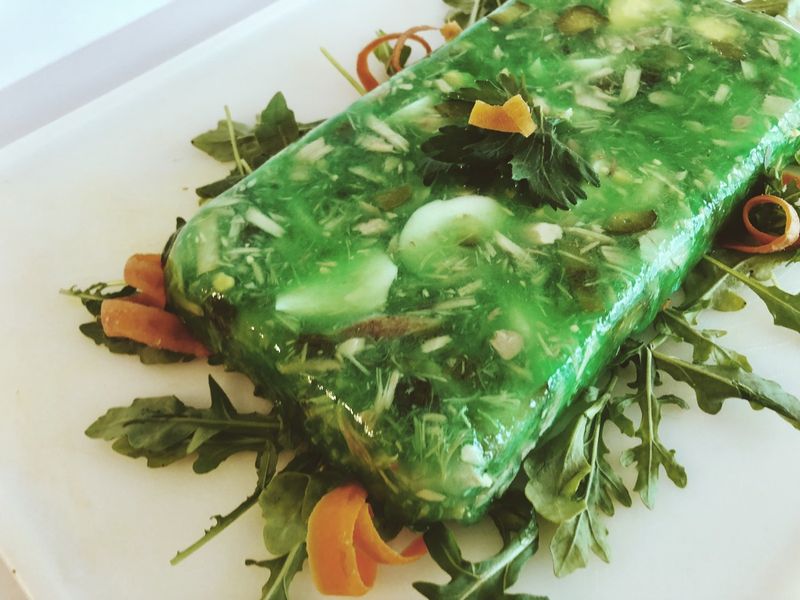
Mid-century American kitchens produced these colorful monstrosities combining lime gelatin with tuna, olives, and mayonnaise. Served proudly at potlucks and family gatherings, these molded creations represented modern convenience food.
Housewives competed to create the most elaborate versions, often using special molds. The jarring combination of sweet gelatin with savory ingredients creates a textural and flavor experience most contemporary eaters would find utterly revolting.
6. Meat Fruit
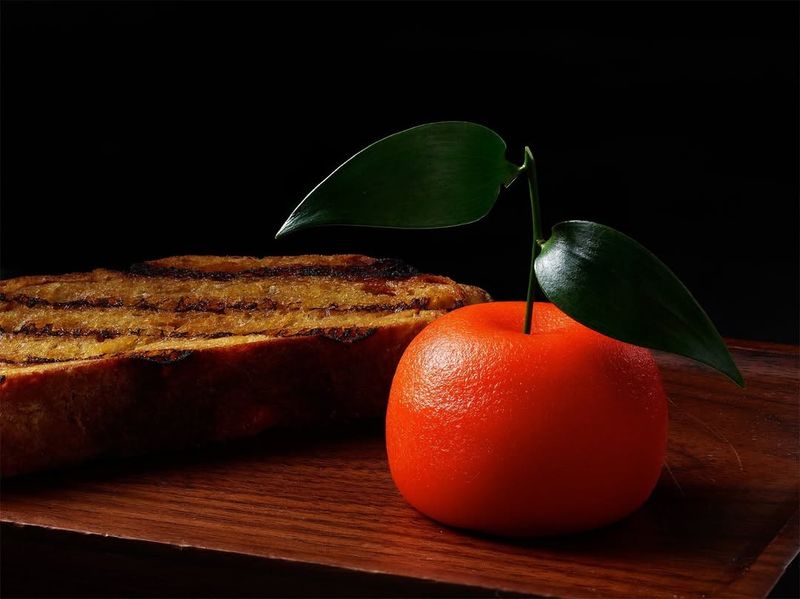
Medieval feasts featured deceptive dishes where meat was disguised as fruits and vegetables. Chefs would shape ground meat into apples or pears, coloring the outside with natural dyes to complete the illusion.
These elaborate creations served as conversation pieces at royal banquets. Biting into what appeared to be a luscious fruit only to discover spiced minced meat would certainly surprise unsuspecting modern diners!
7. Liver Pâté Sandwiches
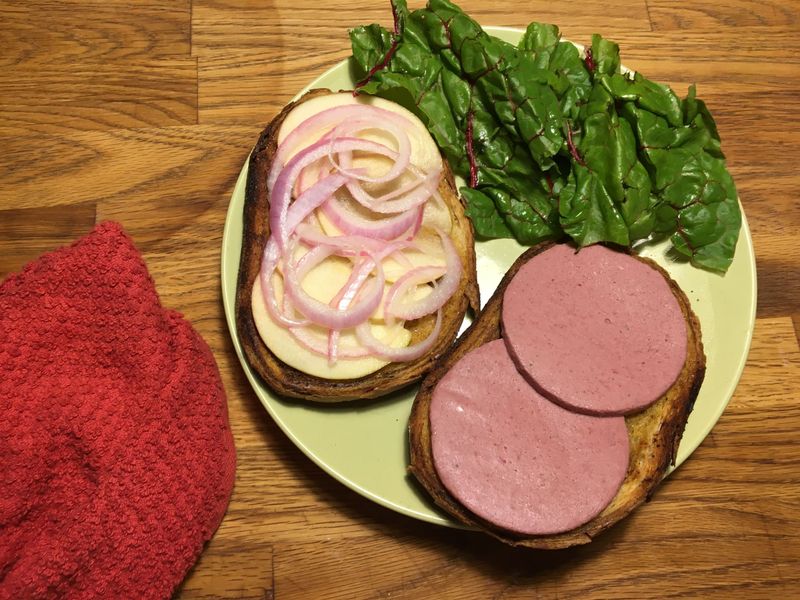
School lunchboxes in the 1940s regularly contained sandwiches spread with liver pâté on white bread. Parents considered these iron-rich sandwiches essential for growing children's health and development.
The strong, distinctive flavor of liver was often masked with butter or mayonnaise. Contemporary children would likely stage playground revolts if served these pungent sandwiches instead of their peanut butter and jam!
8. Powdered Egg Dishes
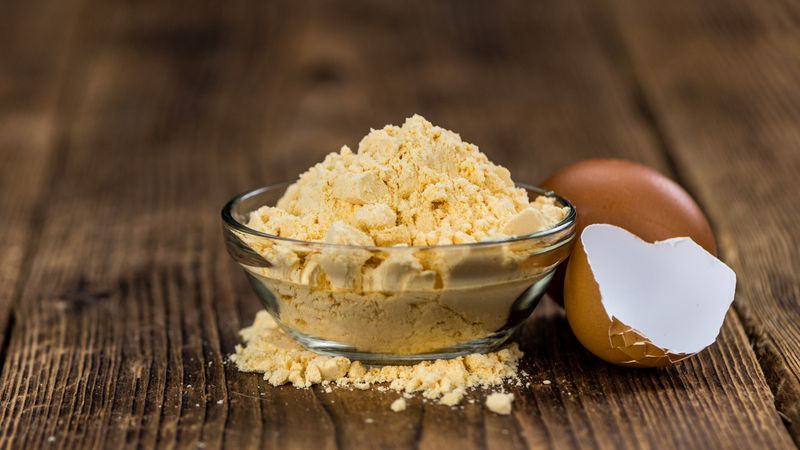
Wartime rationing introduced families to powdered eggs - a shelf-stable alternative to fresh eggs. Homemakers created everything from breakfast scrambles to birthday cakes using this peculiar ingredient despite its sulfurous smell and grainy texture.
Recipe booklets encouraged creative uses for this wartime staple. The characteristic aftertaste and unnatural yellow color would make today's farm-to-table enthusiasts shudder with dismay!
9. Boiled Calf's Foot Jelly
Victorian invalids were served this gelatinous medicine-food made by boiling calf's feet until the collagen created a wobbly jelly. Sometimes sweetened with fruit flavours to make it more palatable, it was believed to strengthen those recovering from illness.
Nurses would spoon-feed this trembling substance to bedridden patients. The knowledge that your dessert came from boiled animal hooves would surely diminish appetite for most modern consumers!