










Food fashions used to move fast, especially when celebrity chefs, glossy magazines, and flashy packaging told us what was exciting that week. Kitchens filled with odd gadgets, bold flavour experiments, and novelty ingredients that felt thrilling at the time but rarely stuck around.
Looking back, some of those trends feel charmingly dated, while others make you wonder how they ever caught on in the first place. A few might even spark a laugh or two as forgotten favourites resurface in memory.
These observations reflect broad food culture trends and personal recollections, and experiences may differ depending on location, household habits, and changing consumer preferences.
1. Sun-Dried Tomato Everything

Restaurants and home cooks alike couldn't resist tossing sun-dried tomatoes into every dish imaginable during the early 2000s. Salads, pasta, wraps, and even cream cheese spreads got the ruby-red treatment.
Their intense, concentrated flavour made them seem sophisticated and gourmet. But eventually, people grew tired of that distinctive tangy taste appearing everywhere.
Today, they've retreated to speciality ingredient status, rarely commanding the spotlight they once enjoyed on every trendy menu.
2. Foams And Culinary Espuma
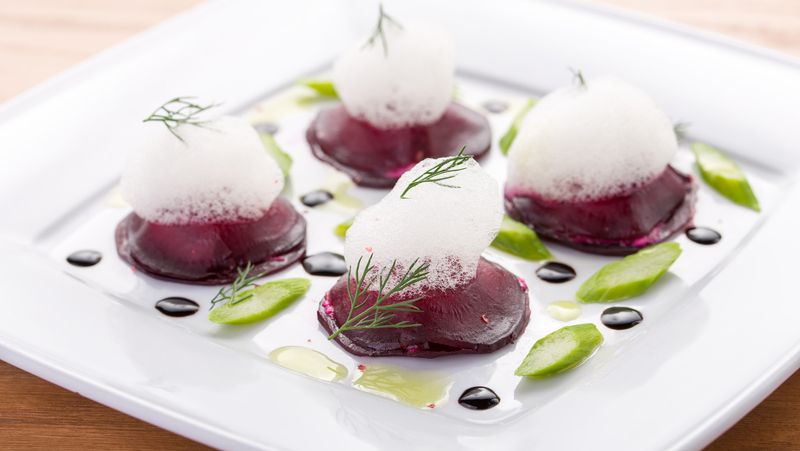
Chefs armed with whipping siphons created airy foams from everything - beetroot, parmesan, even bacon - transforming liquids into delicate clouds. This technique borrowed from molecular gastronomy made plates look like science experiments.
Diners found the foams visually stunning but often lacking in substance and flavour. The novelty wore thin when people realised they were paying premium prices for what amounted to flavoured air.
Now, foams have largely vanished from mainstream restaurant menus.
3. Cupcake-Only Bakeries On Every High Street
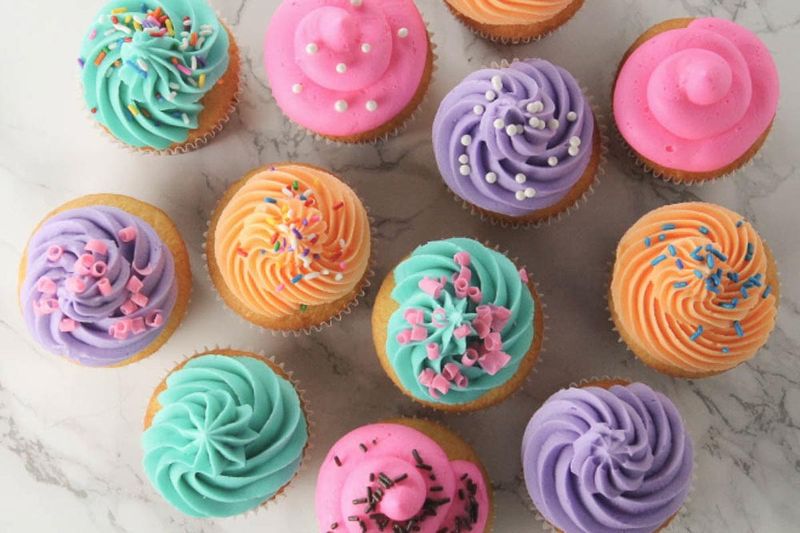
For a while, cupcake shops felt like they were popping up in lots of busy shopping areas and city centres. Glass displays showed off rows of brightly iced cakes topped with swirls, sprinkles, and novelty decorations that made them feel a little bit special.
Social media buzz helped turn cupcakes into a treat people queued for rather than baked at home. Over time, the excitement faded as customers looked for more variety than a single product could offer.
Many of those shops quietly closed or expanded their menus, leaving cupcakes as just one option rather than the main attraction.
4. Low-Fat Packaged Snack Craze

Supermarket shelves once filled with snacks proudly labelled low fat, promising lighter choices for everyday grazing. Brands reformulated products to remove fat, often adjusting sweetness, texture, or shelf life in the process.
Shoppers gradually started paying closer attention to ingredient lists and portion sizes rather than relying on bold front-of-pack claims. The idea that low fat automatically meant better choices began to lose its shine.
These days, balance and moderation tend to guide snack choices more than single buzzwords.
5. Extreme Fusion Menus
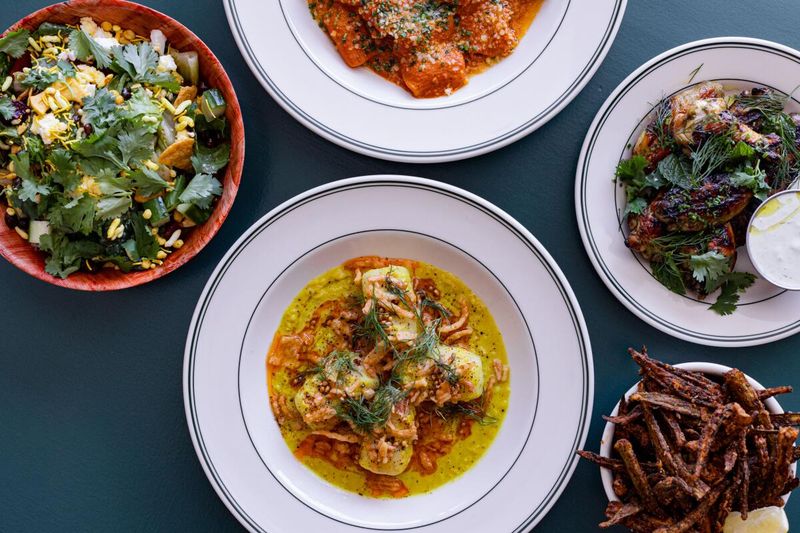
Chefs threw culinary traditions out the window, creating wild combinations like sushi burritos, Korean tacos, and Thai pizza. Fusion cooking reached peak experimentation, with menus featuring dishes that mashed up cultures without much consideration for authenticity.
Whilst some fusion concepts succeeded brilliantly, many combinations felt forced and confusing rather than innovative. Diners eventually craved more focused, authentic flavours instead of chaotic mashups.
Modern fusion still exists but with far more restraint and respect for original cuisines.
6. Designer Olive Oil Tastings

Upmarket food shops and restaurants hosted olive oil tasting events, treating the golden liquid like fine wine. People swirled, sniffed, and sipped expensive single-estate oils, learning terms like "peppery finish" and "grassy notes."
Whilst quality olive oil certainly matters in cooking, the elaborate tasting rituals felt overly pretentious to many. Most home cooks simply wanted decent oil for cooking, not a £40 bottle for drizzling.
The tasting trend faded as olive oil returned to being a kitchen staple rather than a status symbol.
7. Mini Dessert Shooters In Glasses
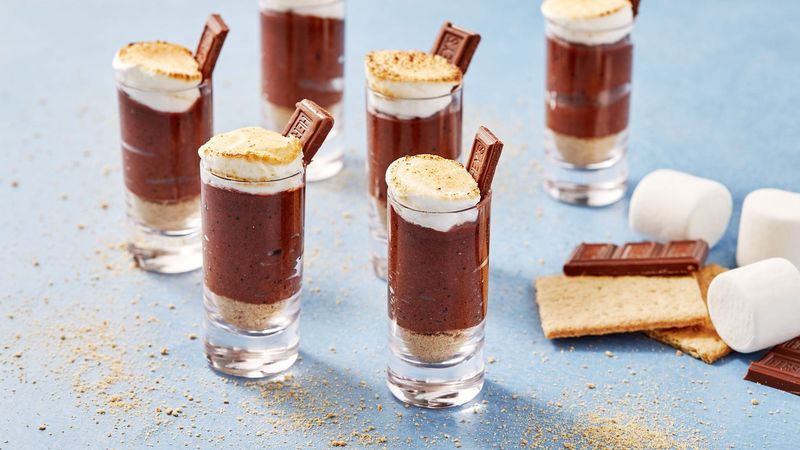
Desserts suddenly shrank and moved into shot glasses, with layered parfaits, mousses, and trifles served in tiny portions. Restaurants and party planners embraced these miniature sweets as elegant, portion-controlled treats that looked adorable on serving trays.
But eating dessert from a shot glass proved awkward and unsatisfying. Long spoons struggled to reach the bottom layers, and the tiny portions left sweet-toothed diners wanting more.
Eventually, people realised they'd rather have a proper-sized dessert on an actual plate.
8. Sweet Chilli Sauce On Everything
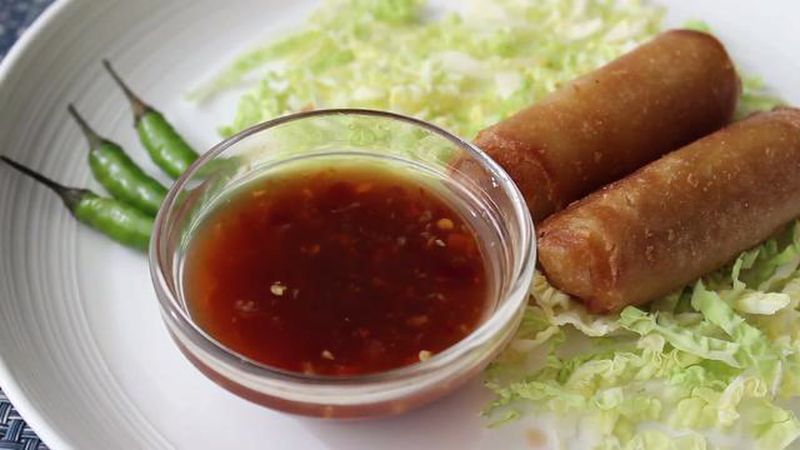
That sticky, glossy sweet chilli sauce became the go-to condiment for the entire decade, appearing on spring rolls, chicken, chips, and sandwiches. Its perfect balance of sugar and mild heat made it universally appealing and endlessly versatile.
Restaurants slathered it on dishes that didn't need it, and soon the novelty wore thin. People grew tired of that same sweet-spicy flavour dominating every meal.
Today, sweet chilli sauce still exists but has lost its ubiquitous status to newer condiments.
9. Build-Your-Own Frozen Yoghurt Chains
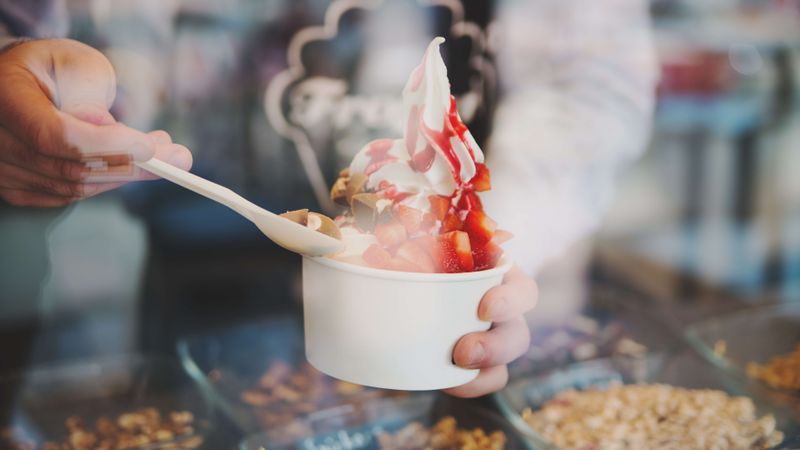
Self-serve frozen yoghurt shops brought a sense of novelty, letting customers mix flavours and pile on toppings exactly how they liked. The pay-by-weight system made every visit feel slightly different, which added to the fun.
As more shops opened in the same areas, the experience started to feel less special and more repetitive. Some customers also noticed how quickly toppings could turn a small treat into a pricey one.
Many locations closed over time, leaving only a handful of well-established chains still operating.
10. Gourmet Sliders As A Standalone Concept
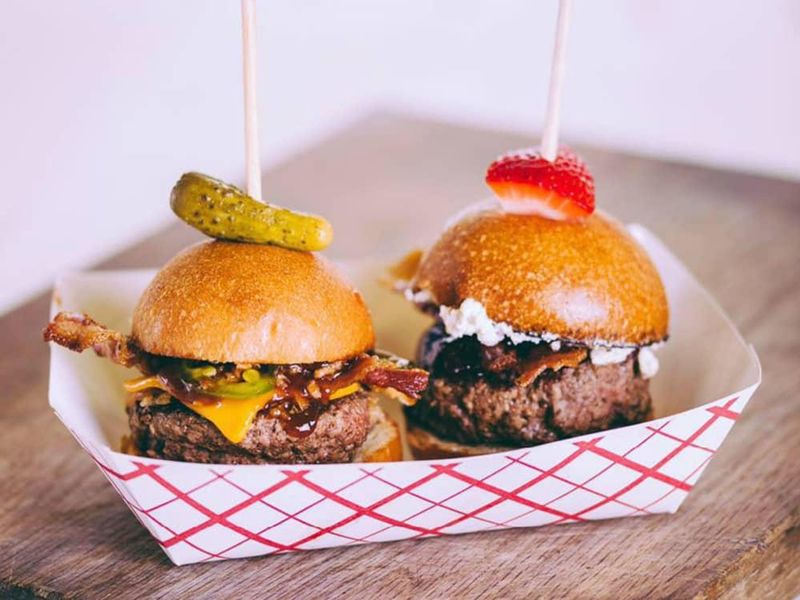
Restaurants built entire menus around sliders - those miniature burgers that let diners sample multiple flavours in one sitting. Upmarket versions featured fancy ingredients like truffle aioli, aged cheddar, and brioche buns, elevating the humble mini burger.
The appeal faded when people realised they were paying restaurant prices for what amounted to tiny portions. Three sliders rarely satisfied like one proper burger, and the novelty couldn't justify the cost.
Sliders now appear as appetisers rather than main attractions.
11. Bacon In Every Dish
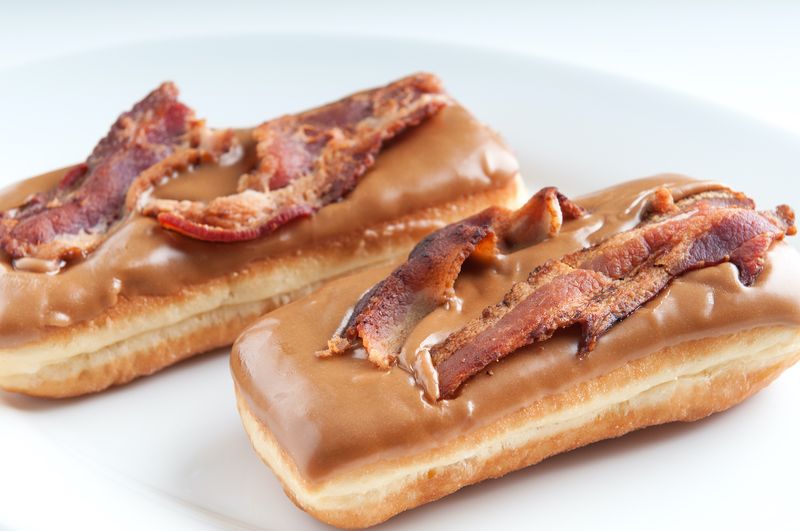
Bacon enthusiasm reached impressive levels as chefs began adding it to sweets, sauces, and all sorts of unexpected dishes. Online food culture helped fuel the obsession, turning bacon into a playful talking point rather than just a breakfast favourite.
The novelty eventually tipped into excess, with novelty products and gimmicks stretching the idea a little too far. Diners started craving balance again instead of smoky flavour in every bite.
Bacon settled back into its familiar supporting role rather than dominating menus everywhere.
12. Overloaded Stuffed Crust Pizzas
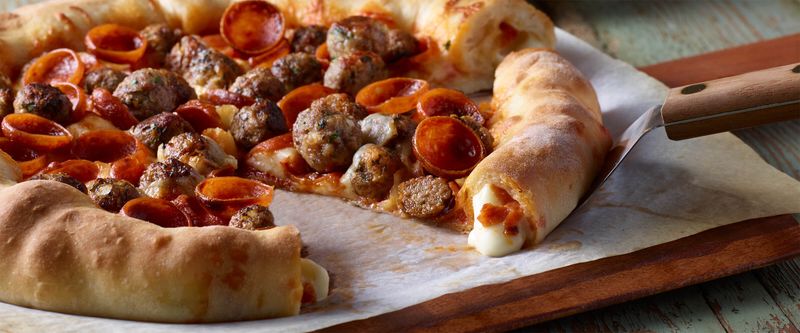
Pizza chains competed to create the most outrageous stuffed crusts, filling edges with cheese, hot dogs, and even mini burgers. Each new variation promised to revolutionise pizza eating, making the crust as exciting as the toppings.
But these creations often felt like too much of a good thing, leaving diners overstuffed and overwhelmed. The gimmicks couldn't mask that the pizza itself often suffered in quality.
Today, stuffed crust still exists but without the extreme experimentation that defined the 2000s.
13. Restaurant Tasting Menus With Foam Courses
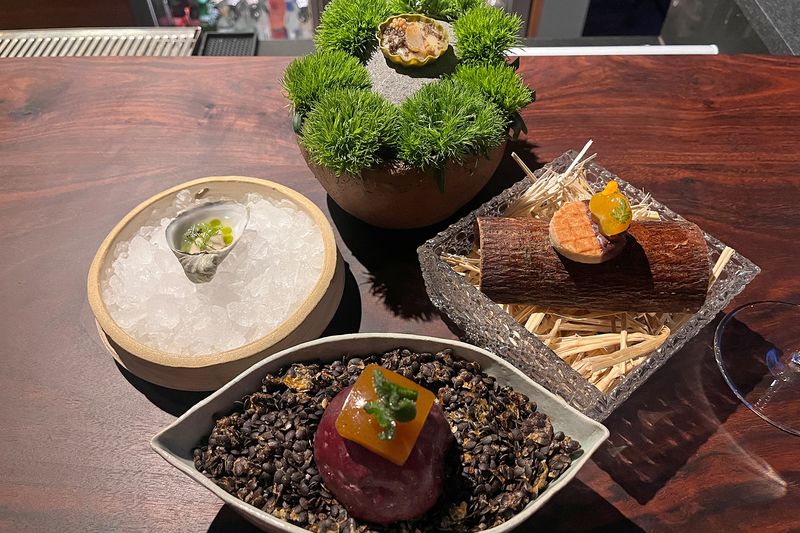
Fine dining embraced theatrical presentation for a time, with foams often appearing as part of elaborate tasting menus. The airy textures looked dramatic on the plate and added a sense of performance to the experience.
Some diners enjoyed the creativity, while others felt the portions leaned more towards spectacle than satisfaction. Preferences slowly shifted back towards comforting, clearly defined dishes.
Foams still appear occasionally, but they no longer dominate menus in the way they once did.
14. Oversized Decorative Food Garnishes
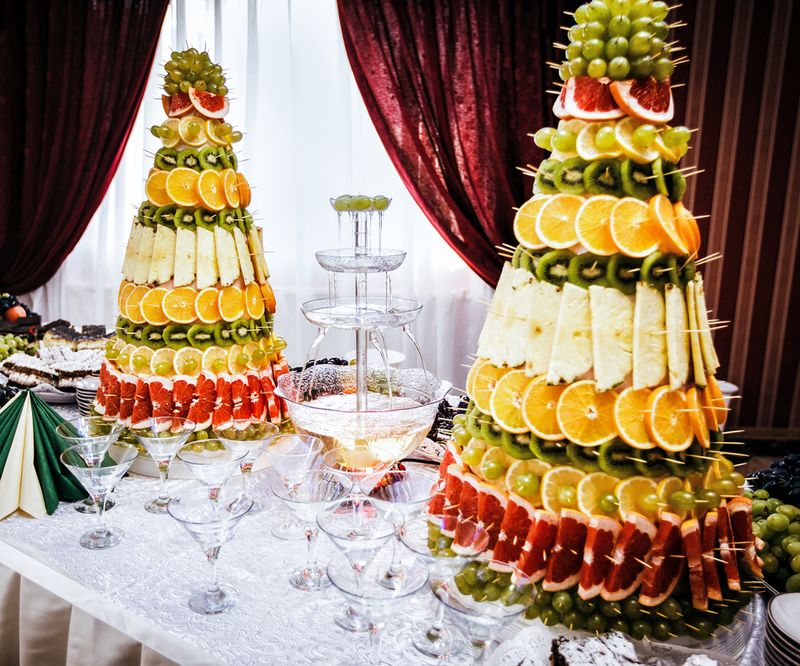
Plates arrived at tables topped with enormous garnishes - giant herb sprigs, towering vegetable crisps, and elaborate chocolate sculptures that overshadowed the actual food. Chefs seemed to compete over who could create the most dramatic presentation.
Diners found themselves awkwardly removing massive decorations before they could actually eat their meals. These garnishes added nothing to flavour and often made dishes difficult to navigate.
Modern plating has returned to more restrained, edible garnishes that enhance rather than distract from the food itself.