










Dining with the royal family isn’t just about fine china and sparkling silverware - it’s about centuries of carefully preserved etiquette. Every gesture, from how you hold your fork to when you start eating, carries meaning and tradition.
These rules may seem old-fashioned, but they reveal the fascinating blend of discipline and decorum that still defines royal dining today.
This article is light-hearted and for general interest. Royal dining rules have changed over time and may vary with each occasion.
1. Maintain Appropriate Silence
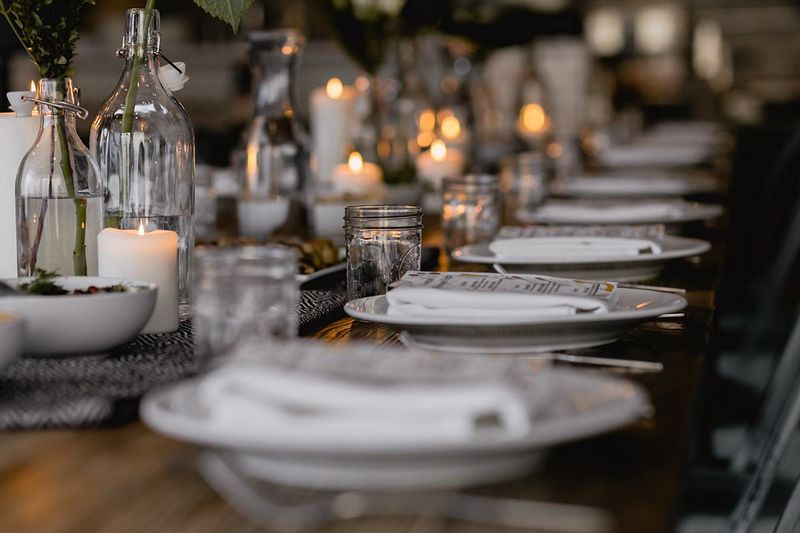
Royal dining isn’t the place for loud chatter or bursts of laughter across the table. Guests are expected to keep their voices low and speak only when it’s appropriate, allowing the monarch or host to lead the conversation.
Even the clinking of cutlery should be minimal - calm composure is key to keeping the refined atmosphere intact.
2. Use The Right Glass
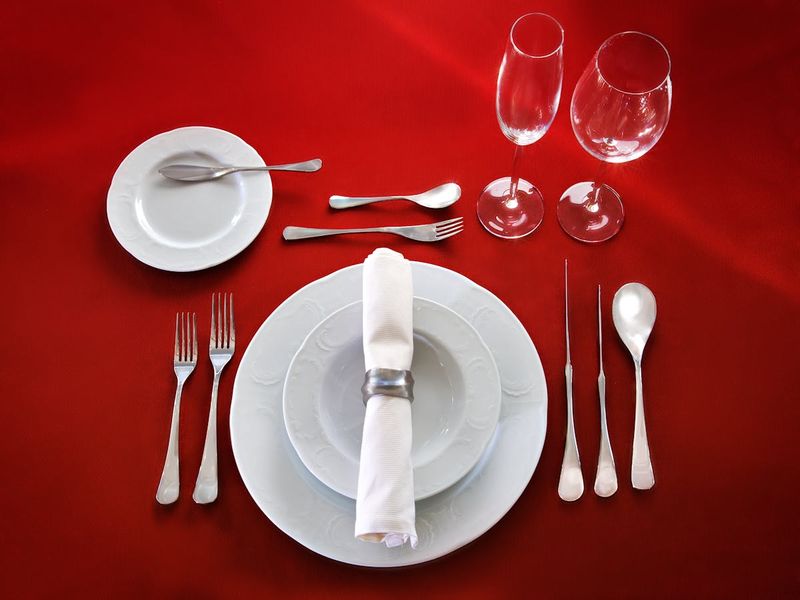
Each place setting at a royal table includes several glasses, each designed for a specific beverage. The general rule is to work from the outermost glass inward as the meal progresses.
Even if you’re only drinking water or juice, using the correct glass shows attention to detail and respect for formal dining customs.
3. Wait For The Monarch To Begin
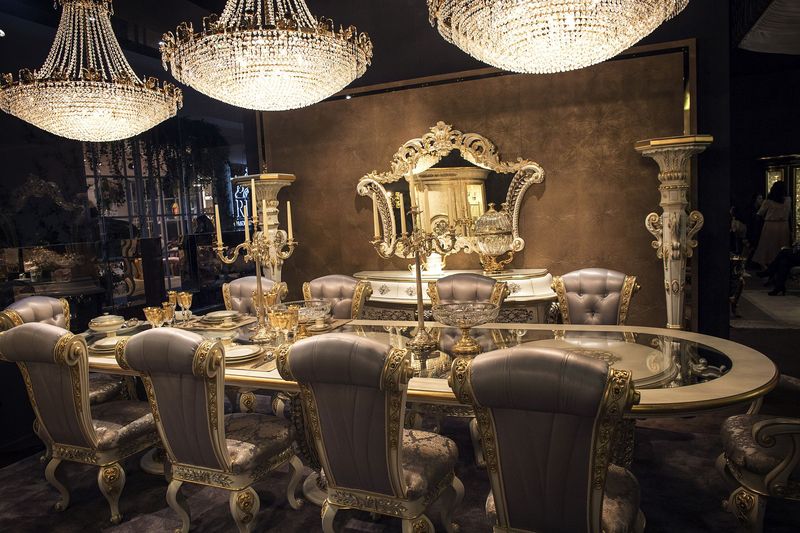
The golden rule at any royal table! Nobody lifts a fork until the monarch takes the first bite.
This tradition dates back centuries and shows respect to the sovereign. Even if your stomach’s rumbling and the food’s getting cold, patience is non-negotiable.
4. Use Cutlery Correctly
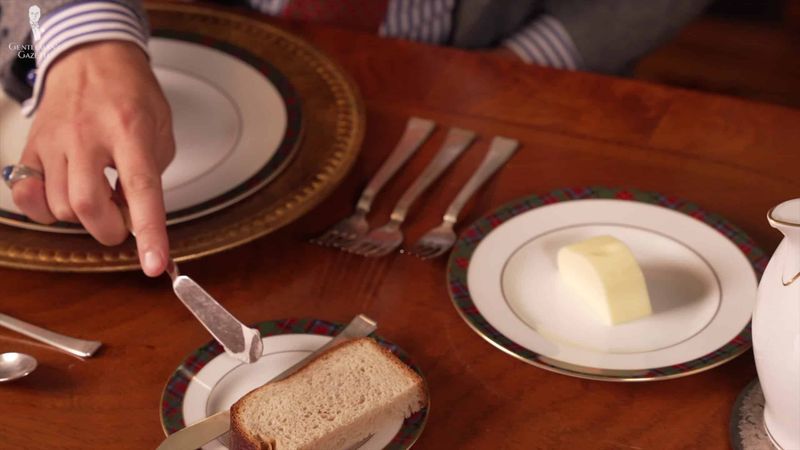
Royal dining requires the Continental style – fork in left hand, knife in right, tines facing downward.
No stabbing food or waving utensils about! The knife edge should always face inward, and you'll need to master the art of balancing peas on the back of your fork rather than scooping them up.
5. Follow Strict Table Manners
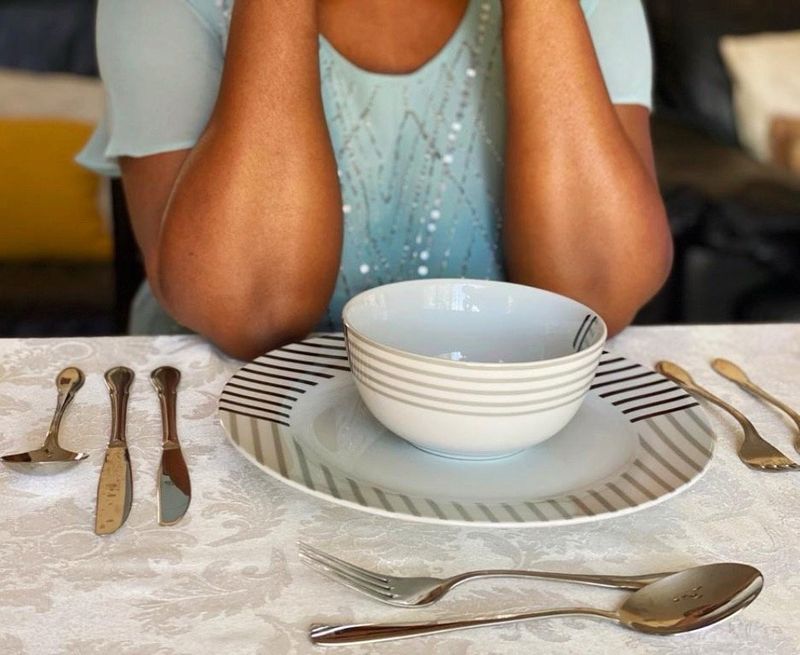
Elbows off the table, please! Royal dining demands perfect posture with a straight back, shoulders down, and absolutely no slouching.
Chewing must be silent with closed lips, and speaking with food in your mouth is an absolute no-go. The royals consider good table manners a reflection of proper upbringing.
6. No Garlic Allowed
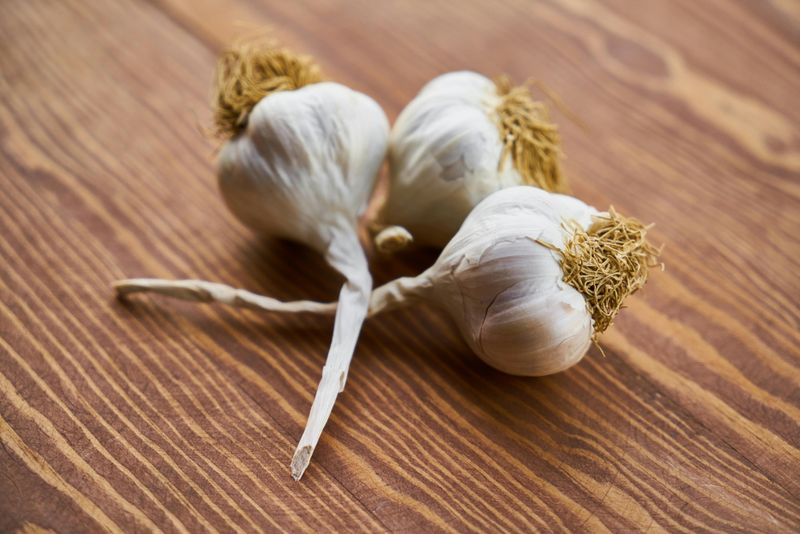
Fancy a bit of garlic bread? Not at Buckingham Palace! Former royal chef Darren McGrady revealed garlic is banned from royal menus.
The Queen dislikes the smell and taste, but there's also a practical reason – royals do lots of meeting and greeting, and garlicky breath isn't ideal for close conversations with dignitaries.
7. Teacup Held Properly
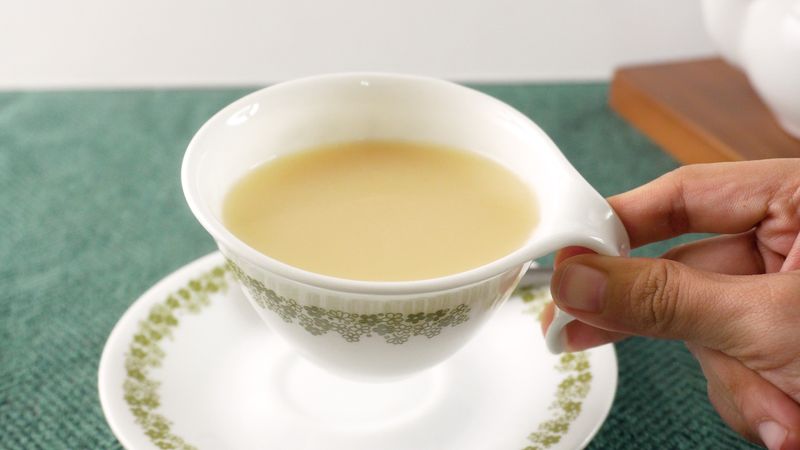
Forget what you've seen in films! Royal teacup handling involves pinching the handle between your thumb and index finger – not looping your finger through it.
The pinky finger should never stick out (that's considered pretentious). Ladies should try to sip from the same spot to minimize lipstick marks.
8. Stop Eating When The Monarch Does
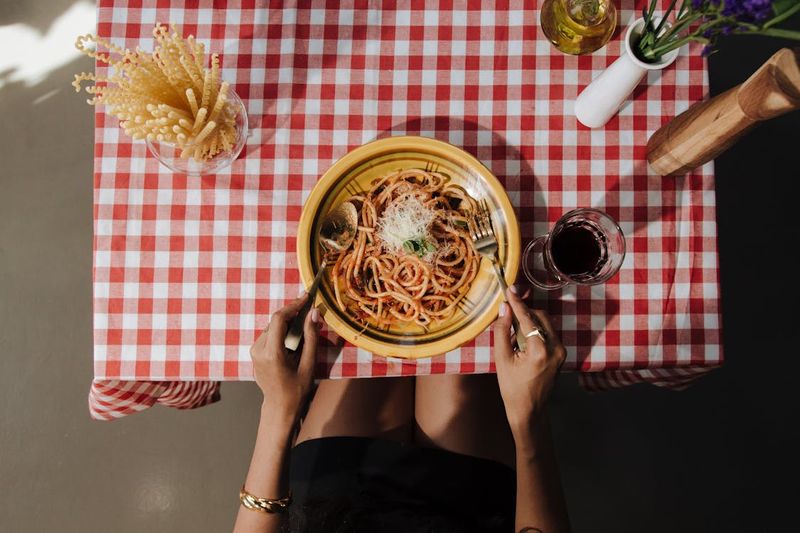
When the monarch is finished, everyone else is finished too. If the host places down their cutlery, all guests are expected to follow suit.
This can be tricky for slower eaters – there are tales of diplomats leaving nearly full plates behind when the meal ended sooner than expected.
9. Napkin Etiquette Matters
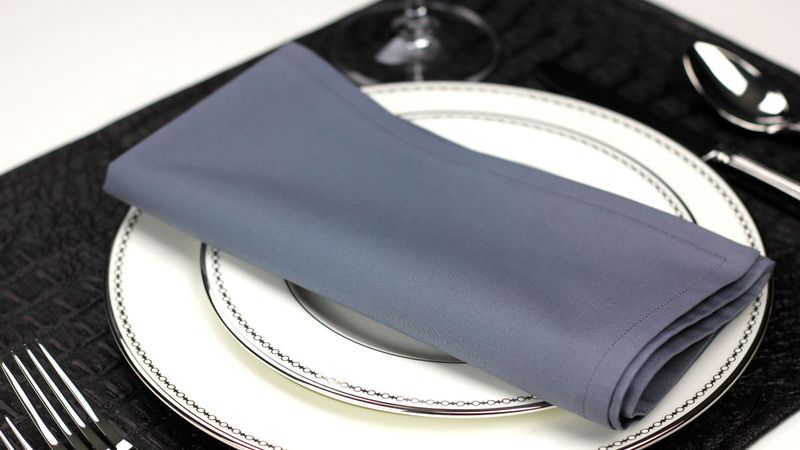
Royal napkin rules are precise – fold it in half with the crease facing you, then use only the inside to dab your mouth.
Never wipe! If you need to leave the table temporarily, place it on your chair, not the table. And when finished eating, loosely fold it rather than crumpling it up like at the local pub.
10. No Shellfish At The Table

Lobster lovers beware! The Royal Family traditionally avoids shellfish at public events and official functions.
This isn’t about taste but practicality – shellfish carries a higher risk of food poisoning, which could interfere with official duties. Though younger royals may enjoy it privately, the tradition is still respected at formal occasions.
11. Correct Use Of Conversation
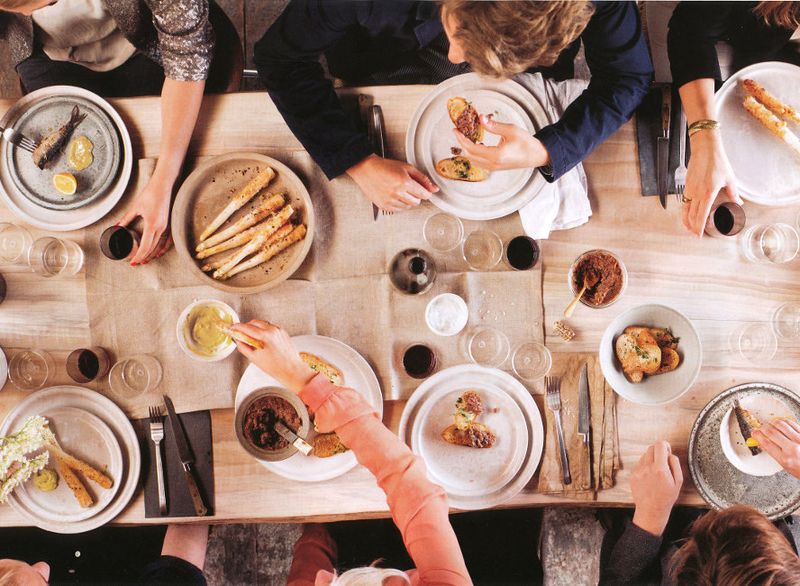
Mealtime chat follows a set pattern – guests typically speak first to the person on their right, then switch to their left after the main course.
Politics, overly personal questions, and controversial topics are always avoided. Conversation tends to stay polite and light, following the lead of the host.
12. Follow Seating Protocol
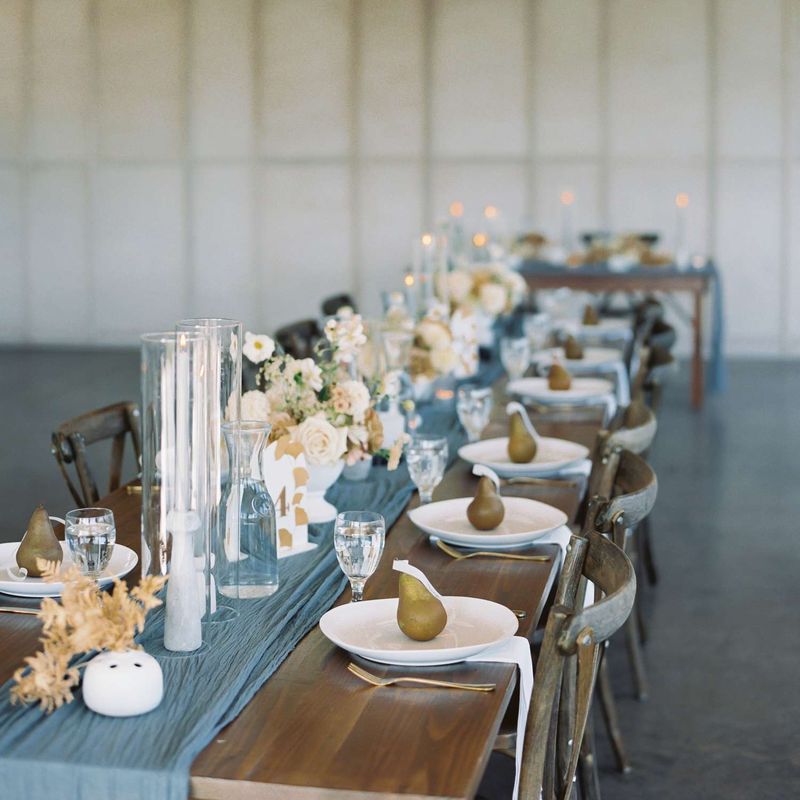
Royal seating isn’t random – it’s carefully arranged based on rank and tradition. The monarch or senior royal usually sits at the head with the guest of honour nearby.
Guests wait to be seated and remain attentive to formal cues throughout the meal. The best advice? Know your place card before sitting down to avoid an awkward faux pas.