







A few years ago, the future of food felt like it was just around the corner, promising bold ideas and big changes.
From how meals are made to how they are personalised, expectations ran high as technology and sustainability conversations gathered pace.
Looking back offers a fascinating snapshot of what people thought everyday eating might look like by now.
All information is provided for general interest only. Developments in food technology, availability, and adoption can vary widely by country, regulation, and consumer demand.
1. Lab-Grown Meat In Supermarkets
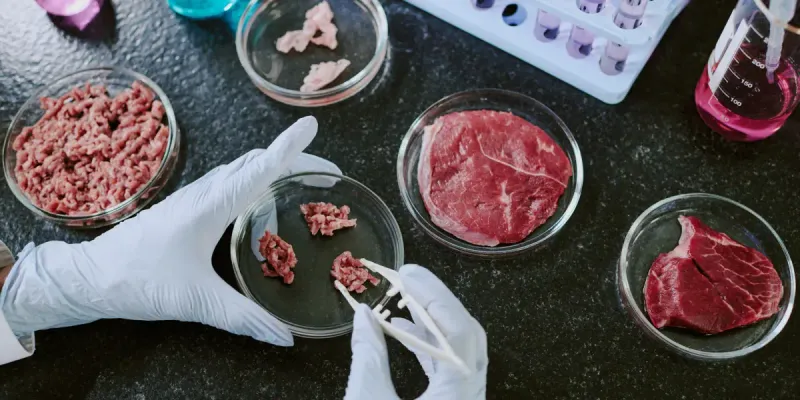
Scientists have been working on meat that grows in laboratories without needing to raise animal
The idea sounded like science fiction, but companies promised it would fill supermarket shelves by now.
Whilst some countries have approved it for sale, most shoppers still haven't spotted it next to traditional meat.
The technology exists, but making it affordable and tasty enough for everyday meals remains tricky.
2. Personalised Nutrition Based On DNA
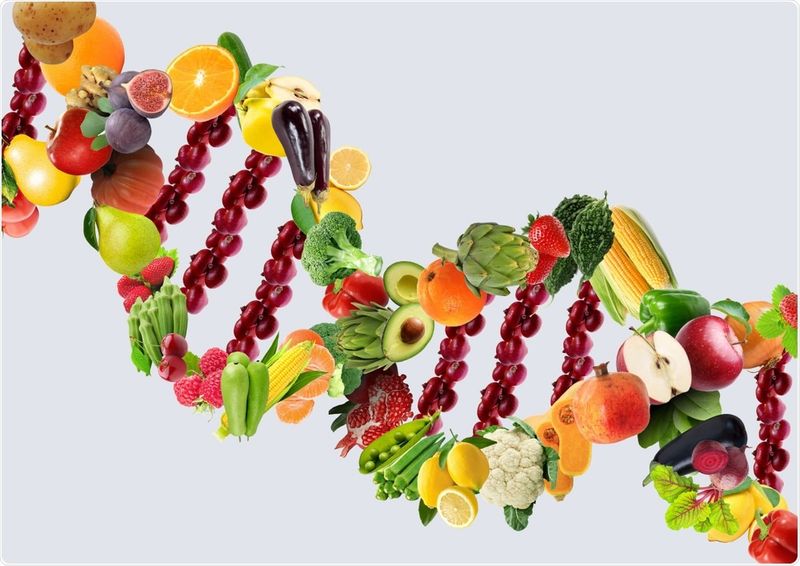
Imagine getting a meal plan designed specifically for your genes.
That's what personalised nutrition promised - food recommendations based on your unique DNA code.
Testing kits became available, yet most people still follow general diet advice.
The science is real, but translating genetic information into practical daily meals turned out more complicated than expected.
Cost and accessibility remain significant barriers for average families.
3. 3D-Printed Food For Home Use
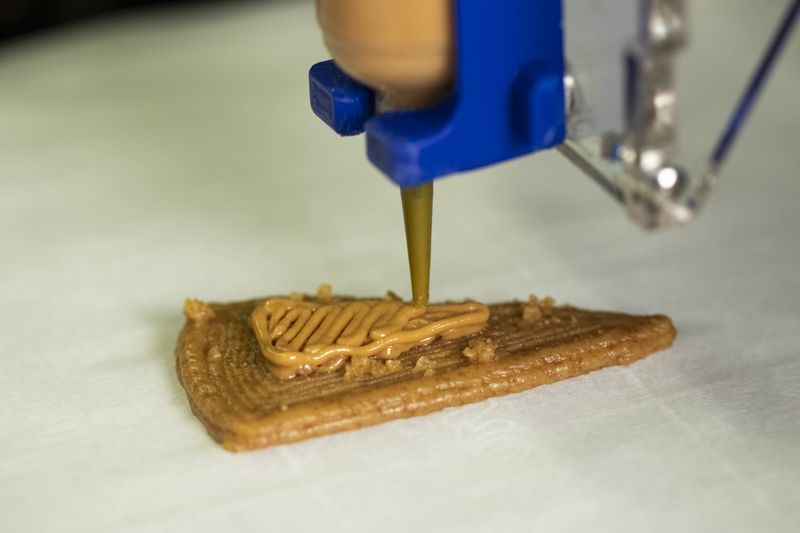
Picture a machine that prints your dinner like a regular printer makes documents.
Food printers were supposed to let you create custom shapes and textures at home.
Some restaurants experimented with the technology, creating fancy desserts and decorations.
However, home versions never became common.
The machines cost too much, and most families prefer traditional cooking methods that feel more natural and satisfying.
4. AI-Designed Recipes
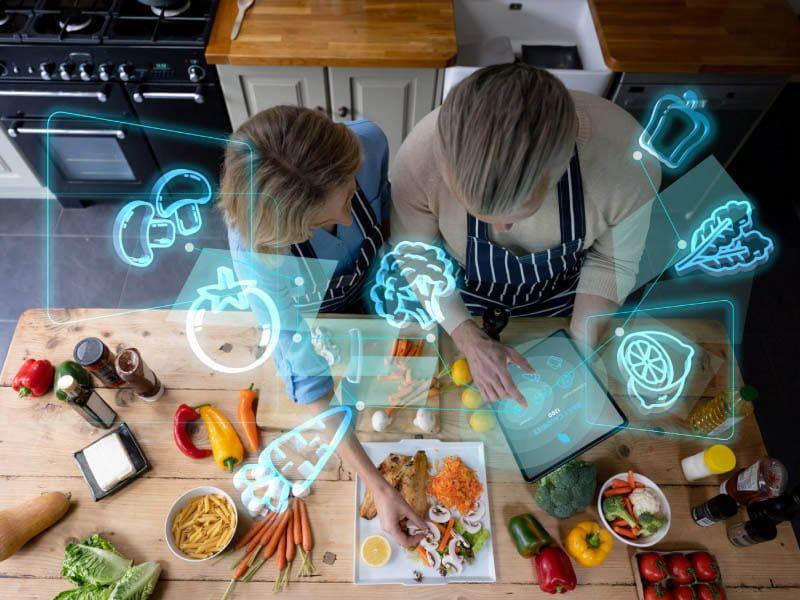
Artificial intelligence was meant to revolutionise cooking by inventing entirely new recipes.
Computers would analyse flavour combinations and create dishes humans never imagined.
Apps now suggest recipes based on what's in your fridge, which is helpful.
Yet truly creative AI chefs haven't taken over kitchens.
Cooking remains a human art where intuition and tradition matter more than algorithms can currently capture.
5. Smart Kitchens With Automated Cooking
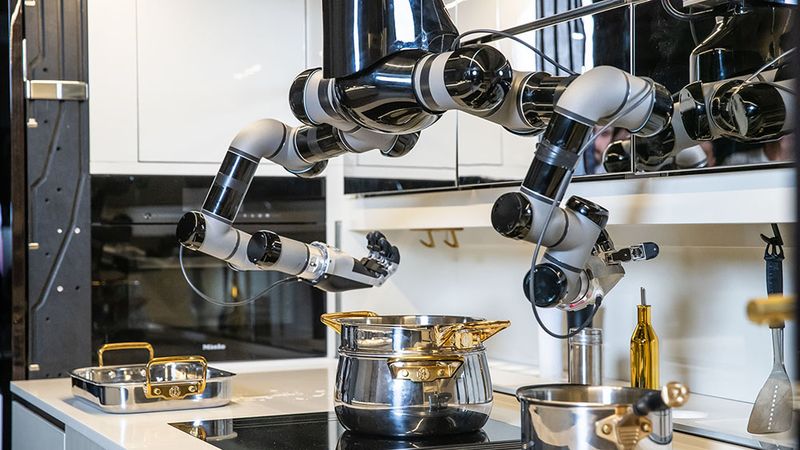
Kitchens that cook meals without you lifting a finger sounded amazing.
Connected appliances would work together, starting dinner automatically when you left work.
Smart fridges and voice-activated ovens exist now, but they're expensive luxuries.
Most families still chop vegetables and stir pots themselves.
The dream of fully automated cooking hasn't matched reality, partly because people actually enjoy the cooking process.
6. Vertical Farming In Cities
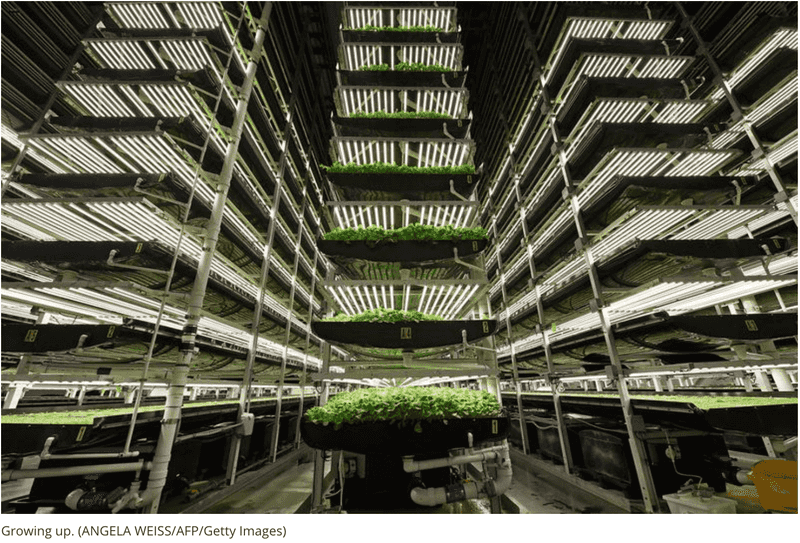
Growing food in skyscrapers instead of fields captured imaginations everywhere.
Vertical farms would bring fresh produce right into city centres, reducing transport needs.
Some cities now have commercial vertical farms supplying restaurants and shops.
They're not as common as predicted, though. High electricity costs for lighting and climate control make the vegetables expensive.
The technology works brilliantly but scaling it affordably remains challenging.
7. Alternative Protein From Insects
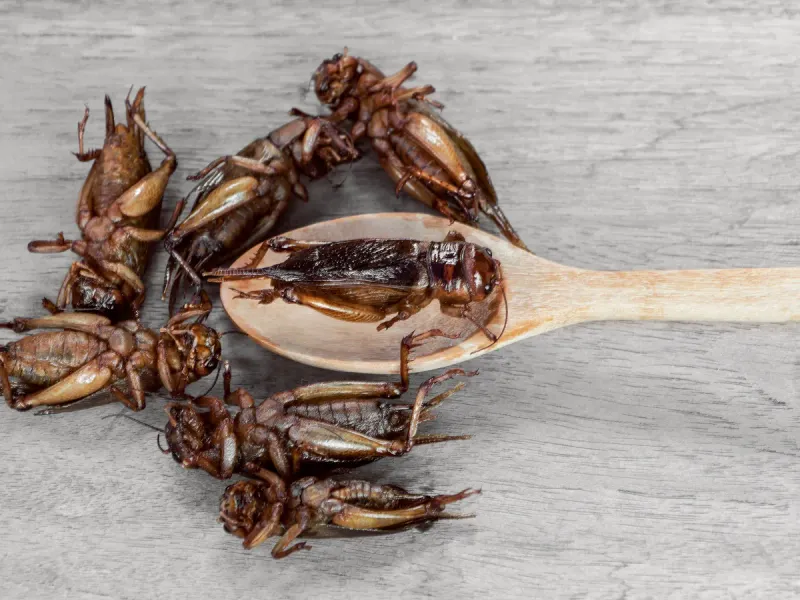
Bugs for dinner might sound strange, but insects offer incredible protein with minimal environmental impact.
Cricket flour and mealworm snacks were predicted to become mainstream.
Specialty shops sell insect products now, yet most Western shoppers remain hesitant.
Cultural attitudes change slowly, even when logic supports the idea.
Environmental benefits haven't overcome the psychological barrier of eating creatures we usually swat away.
8. Smart Fridges That Track Nutrition
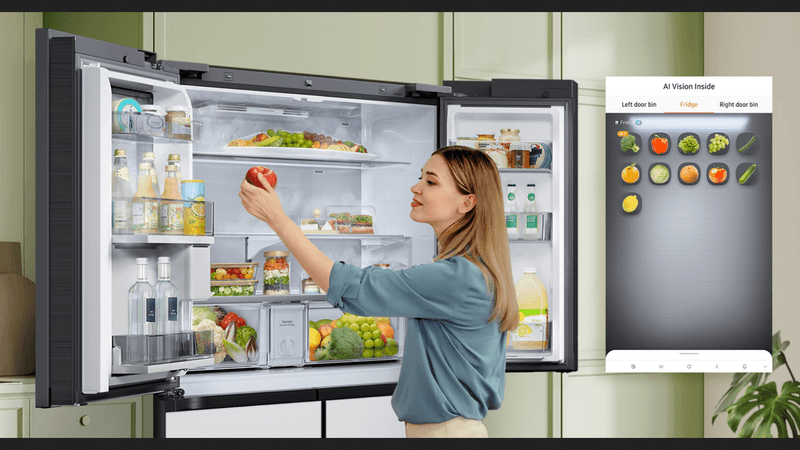
Your fridge could become your personal nutritionist, tracking everything you eat and suggesting healthier choices.
Cameras inside would monitor food freshness and calculate daily nutrients.
High-end models with screens and connectivity exist now.
Most people find them unnecessary, though. Traditional fridges work perfectly well, and tracking apps on phones do similar jobs.
The convenience didn't justify the premium price for average households.
9. Customised Vitamin-Infused Foods
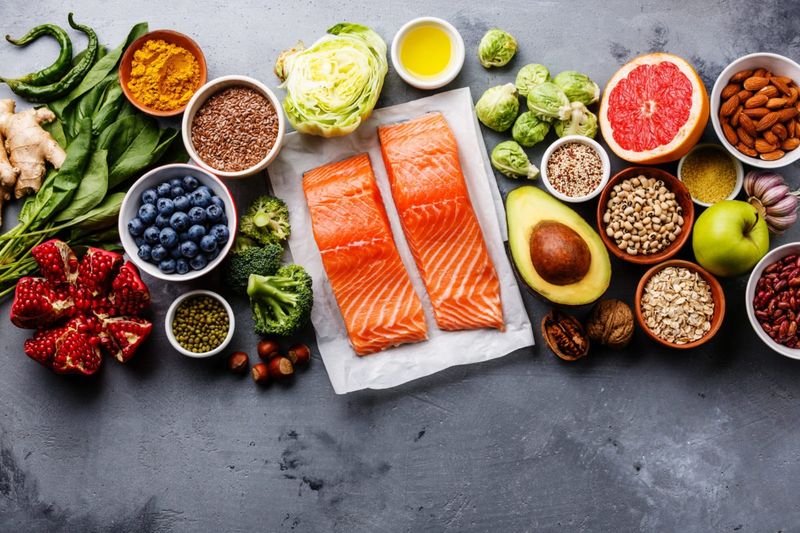
Everyone has different nutritional needs, so why not customise food with exactly the vitamins you're missing?
Personalised fortified foods would target individual deficiencies.
Vitamin-enriched products line shelves already, but truly personalised versions remain rare.
Creating custom formulations for each person costs too much for mass production.
Generic fortification continues instead, helping populations broadly rather than individuals specifically.
The dream awaits better manufacturing solutions.
10. Fully Automated Restaurants
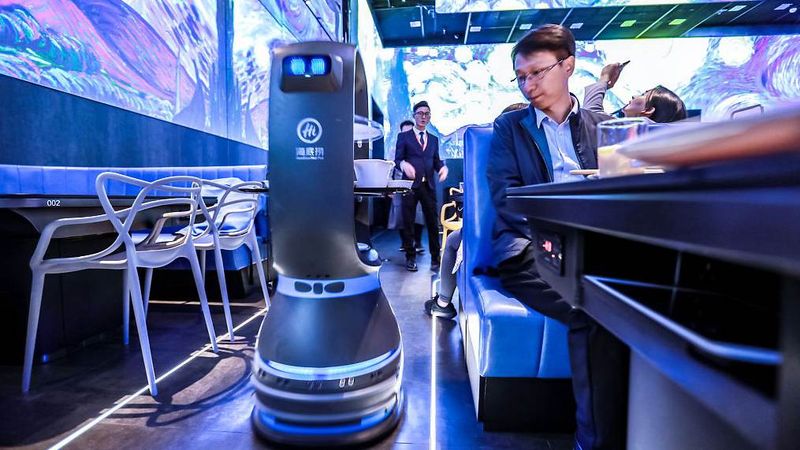
Restaurants without any human staff seemed inevitable.
Robots would cook, serve, and clean whilst customers ordered through tablets.
Some places experimented with robot servers and automated kitchens, creating novelty experiences. Complete automation hasn't replaced traditional restaurants, though.
People value human interaction and the warmth of personal service.
Technology can assist, but diners still prefer meals with a human touch behind them.
11. Sustainable Coffee And Chocolate Alternatives

Coffee and chocolate farming harm rainforests and exploit workers, so scientists sought alternatives grown differently or created in labs.
Sustainable versions exist, like shade-grown coffee and fair-trade chocolate.
Lab-grown options are still experimental, though.
Changing beloved flavours people grew up with faces resistance.
Most consumers choose familiar tastes over environmental benefits, even when they care about sustainability.