








Food has a habit of surprising us in ways that sound almost unbelievable at first.
Many everyday ingredients come with stories that seem too odd to be true until you look closer.
Keep reading and you may never see your kitchen staples the same way again.
All information is provided for general interest only. Food facts are based on widely documented sources and general knowledge.
1. Honey Never Spoils
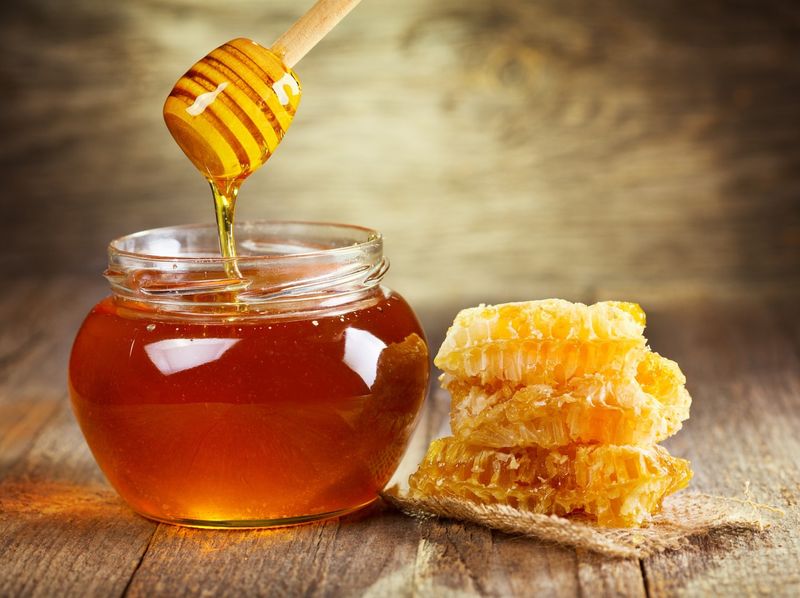
Archaeologists have discovered pots of honey in ancient Egyptian tombs that are over 3,000 years old and still perfectly edible.
The secret lies in honey's unique composition: it's incredibly low in moisture and highly acidic, creating an environment where bacteria simply cannot survive.
Bees also add an enzyme that produces hydrogen peroxide, giving honey natural antibacterial properties.
As long as the jar stays sealed and dry, your honey will outlast you by centuries!
2. Bananas Are Botanically Berries
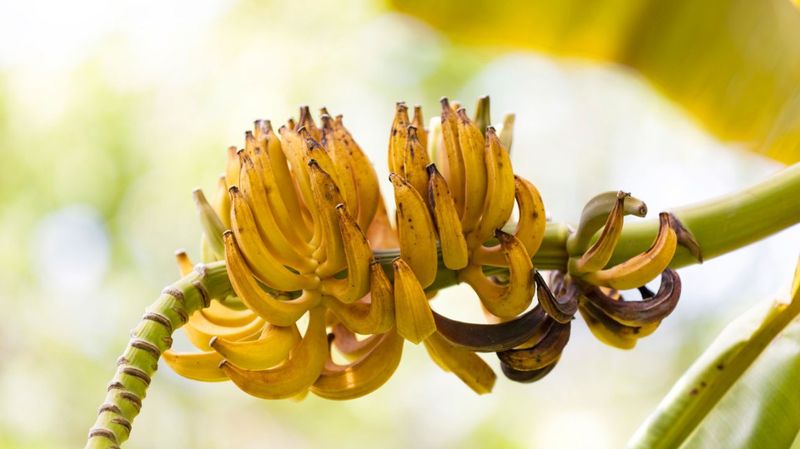
Your morning banana is actually a berry, at least according to botanists.
True berries develop from a single flower with one ovary and have seeds embedded in the flesh, which bananas fit perfectly.
Wild bananas even have large, hard seeds inside them, though modern cultivated varieties have been bred to be nearly seedless.
Those tiny black specks in the centre?
They're undeveloped seeds that never quite grew up!
3. Strawberries Are Not True Berries
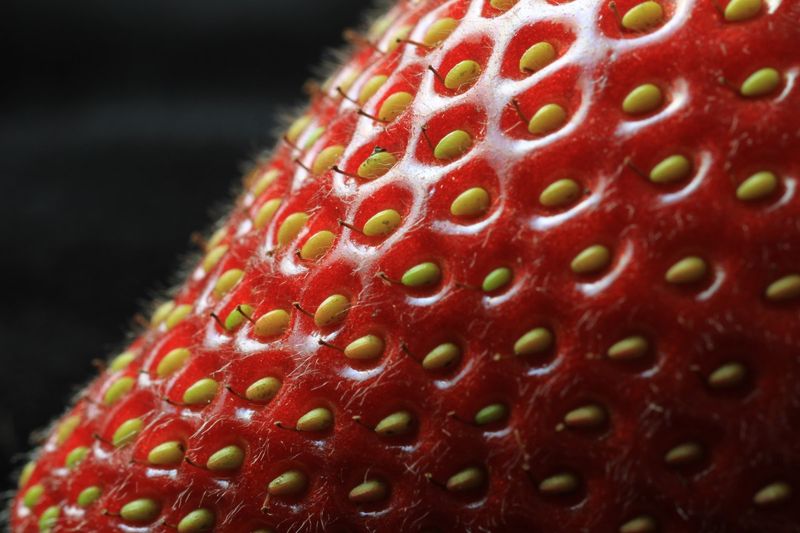
Despite their name, strawberries fail the botanical berry test spectacularly.
Real berries have seeds on the inside, but strawberries wear their seeds proudly on the outside - about 200 of them per fruit!
What we eat is actually the swollen receptacle of the flower, whilst each of those tiny yellow specks is technically the real fruit.
Nature certainly has a sense of humour when it comes to naming conventions!
4. Apples Float In Water
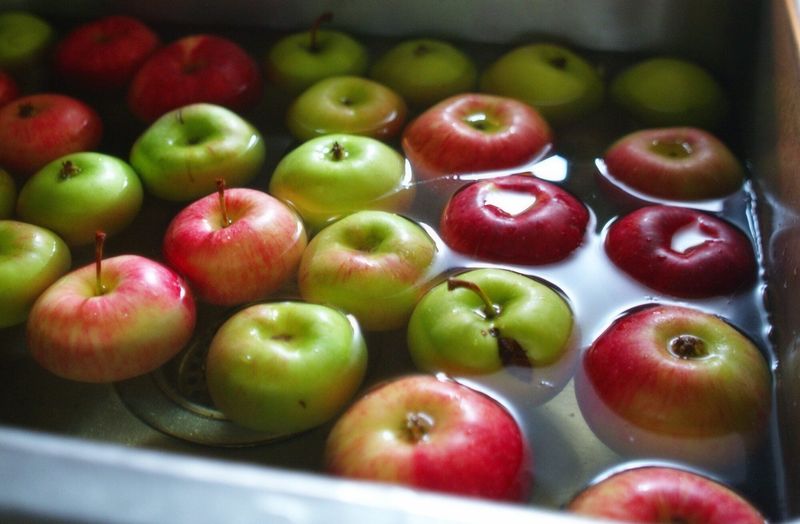
Apples float because their flesh contains many tiny air spaces that reduce their overall density.
These air pockets are part of the fruit’s natural structure and help apples stay buoyant in water.
The same structure also contributes to their crisp texture when eaten fresh.
This is why apples reliably rise to the surface during activities like apple bobbing.
5. Peanuts Are Not Nuts
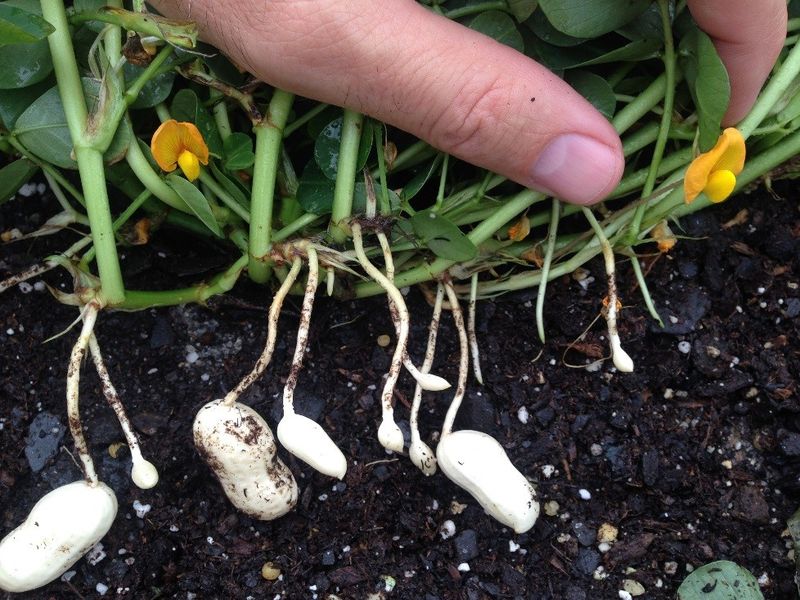
Plot twist: peanuts are legumes, just like peas and beans, not nuts at all.
Whilst true nuts grow on trees, peanuts develop underground in pods after the flower gets pollinated.
The plant literally pushes its developing pods into the soil where they mature hidden from view.
This underground growing habit is why they're sometimes called groundnuts or earthnuts in different parts of the world!
6. Carrots Were Originally Purple
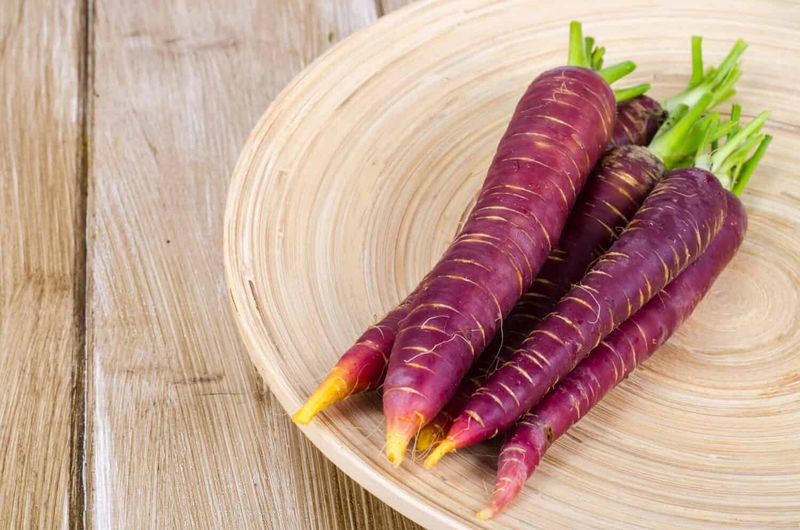
The bright orange carrots we know today are actually a relatively recent invention.
For thousands of years, carrots came in purple, yellow, white, and red varieties, with purple being the most common.
Dutch farmers in the 17th century selectively bred orange carrots, possibly to honour the Dutch Royal Family, the House of Orange.
The orange variety eventually became so popular that it overshadowed all the colourful originals!
7. Chocolate Was Once Used As Currency
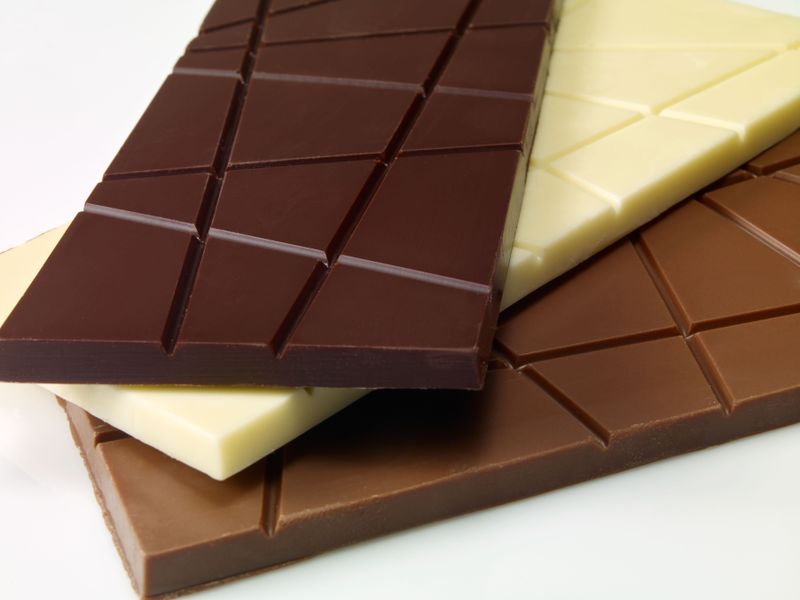
Imagine buying your groceries with chocolate bars!
The Aztecs valued cacao beans so highly that they used them as actual currency throughout their empire.
A turkey might cost 100 cacao beans, whilst a fresh avocado was worth just three.
The beans were precious because cacao trees only grew in specific regions, making them rare and valuable.
Counterfeiting was even a problem, with some crafty folks filling empty cacao shells with dirt!
8. Pineapples Are Berries
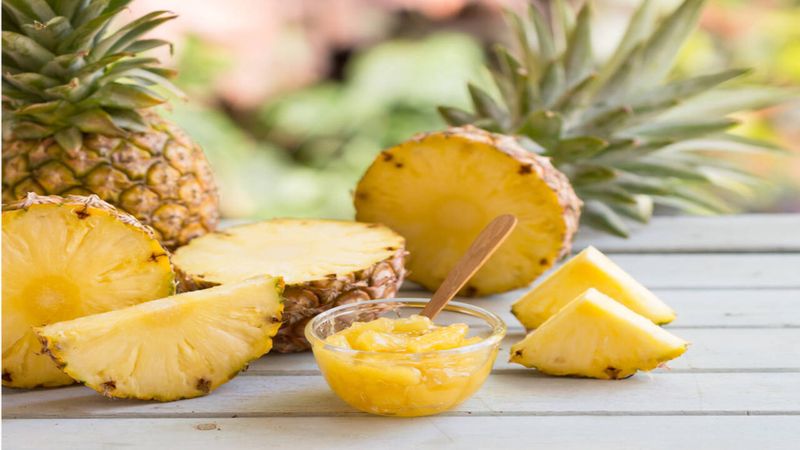
Here's another botanical curveball: pineapples are technically berries too, or rather, they're multiple berries fused together.
Each of those hexagonal segments on a pineapple's skin represents an individual flower that produced its own berry.
These tiny berries then merged around a central core to create the tropical fruit we recognise.
One pineapple is actually a collection of up to 200 berry-like fruitlets working together as a delicious team!
9. Nutmeg Can Be Toxic In Large Amounts
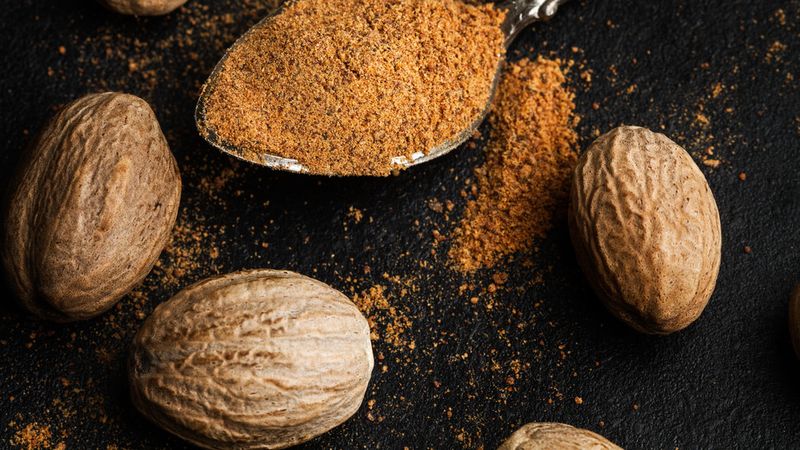
Nutmeg contains a natural compound called myristicin that can cause unpleasant effects if consumed in large quantities.
Very high intake has been linked to symptoms such as nausea, dizziness, and confusion.
Cases of nutmeg poisoning are rare and usually involve amounts far beyond normal culinary use.
The small quantities used in cooking and baking are considered safe for most people.
10. Ketchup Was Once Sold As Medicine
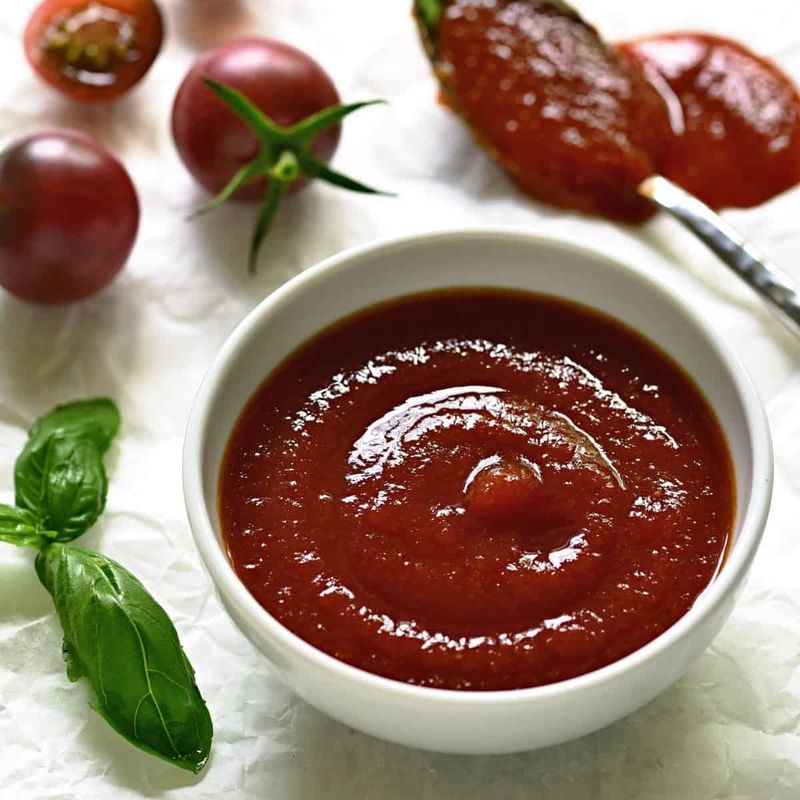
Back in the 1830s, an American doctor named John Cook Bennett claimed that tomatoes could cure pretty much everything.
He sold concentrated tomato ketchup in pill form as a miracle medicine for ailments ranging from indigestion to jaundice.
People actually believed it and bought these ketchup pills by the thousands!
Whilst tomatoes do contain beneficial nutrients like lycopene, they're definitely not the cure-all Bennett promised his eager customers.
11. Cheese Is The Most Stolen Food Worldwide
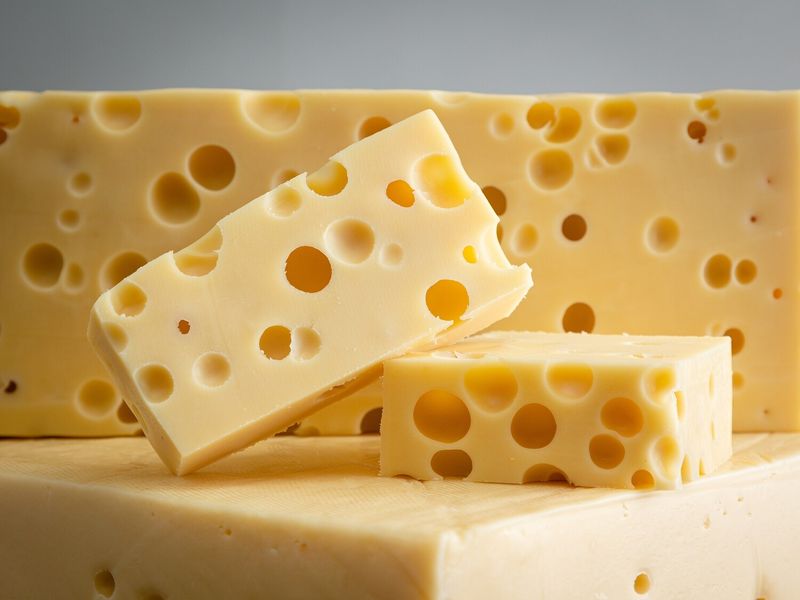
About 4% of all cheese produced globally ends up stolen, making it the world's most pilfered food item.
The phenomenon is so common that experts have coined the term "cheese crime" to describe it.
Why cheese? It's valuable, easy to resell, and doesn't spoil quickly, making it perfect for thieves.
In some countries, organised crime rings steal lorry-loads of premium cheese worth hundreds of thousands of pounds.
Who knew dairy could be so dangerous?
12. Wasabi Is Often Not Real Wasabi
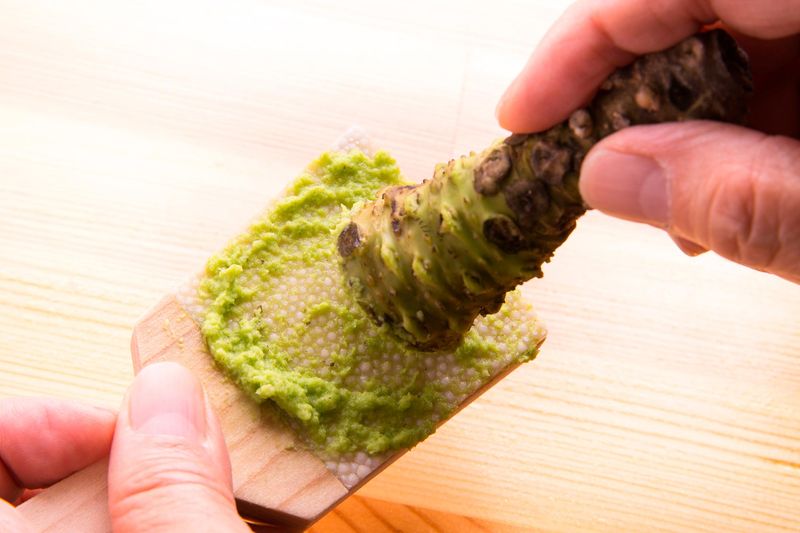
Real wasabi comes from the root of the Wasabia japonica plant, which is difficult to grow outside specific conditions.
Because of this, genuine wasabi is uncommon and costly compared to substitutes.
Many restaurants serve a mixture of horseradish, mustard, and green colouring instead of real wasabi.
True wasabi has a milder heat that fades quickly rather than lingering on the palate.
13. Almonds Are Related To Peaches
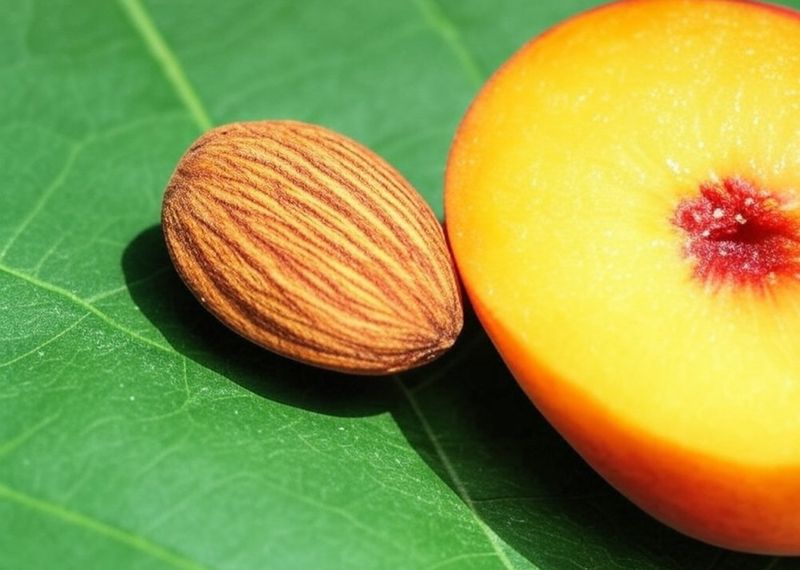
Almonds and peaches are actually cousins in the botanical world, both belonging to the genus Prunus.
If you've ever cracked open a peach stone, you'll find a kernel inside that looks remarkably similar to an almond.
In fact, they taste similar too, though peach kernels can contain dangerous compounds and shouldn't be eaten.
Both plants produce beautiful pink blossoms in spring, another clue to their shared family heritage.
Nature's family resemblance runs deep!
14. Cherries Can Explode When Heated
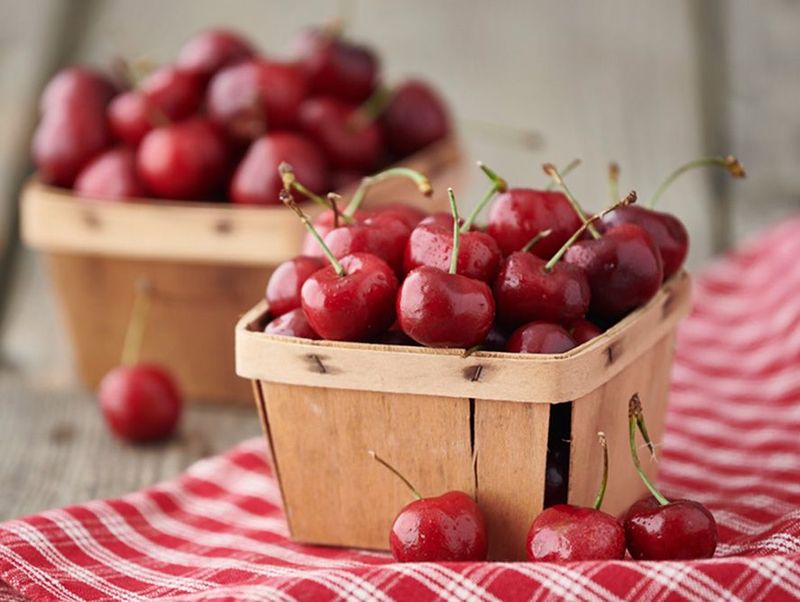
Cherries can split open during cooking as the juice inside heats and expands.
The skin resists the pressure until it eventually breaks, causing the fruit to burst.
This effect is common in baked dishes such as pies and crumbles.
Vents in pastry help release steam and reduce pressure build-up during baking.
15. Mushrooms Can Produce Vitamin D In Sunlight
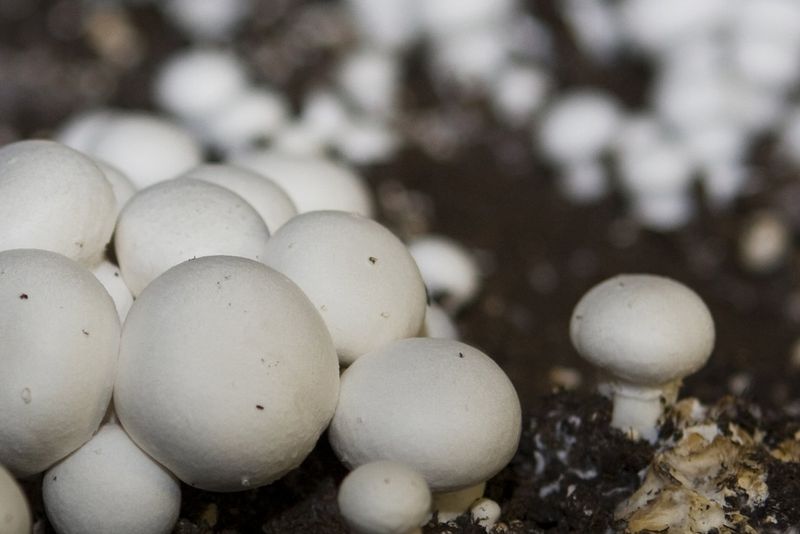
Mushrooms contain a compound called ergosterol that can convert to vitamin D when exposed to ultraviolet light.
This process is similar to how human skin produces vitamin D from sunlight.
Some commercially sold mushrooms are intentionally exposed to UV light to increase their vitamin D content.
Vitamin D levels in mushrooms depend on light exposure rather than the type of mushroom alone.
16. Cashews Grow Outside The Fruit
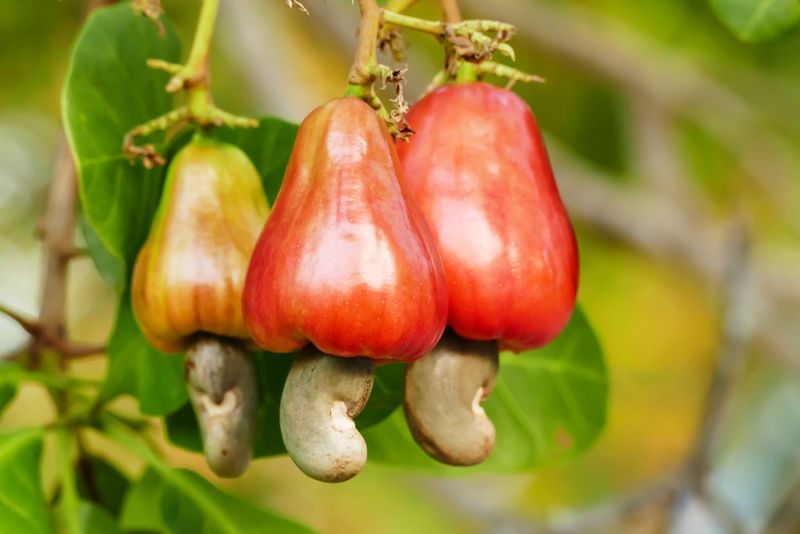
Cashews have the strangest growing arrangement you've ever seen.
The nut dangles outside and below a kidney-shaped shell, which hangs from a swollen fruit called a cashew apple.
The shell contains toxic oils related to poison ivy, which is why you never see cashews sold in their shells - they must be carefully processed to remove the dangerous substances.
The cashew apple itself is edible and sweet, though it rarely reaches international markets because it spoils quickly.
17. Tomatoes Were Once Considered Poisonous
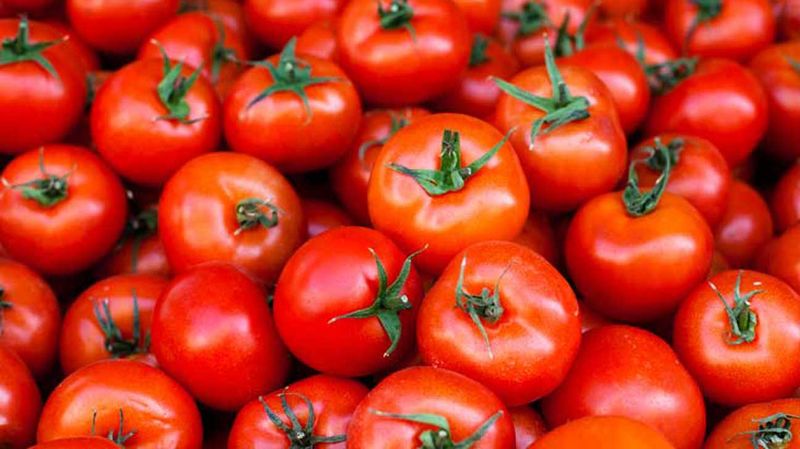
For centuries, wealthy Europeans believed tomatoes were deadly poison and refused to eat them.
The real culprit? Their fancy pewter plates, which contained lead.
Tomatoes are highly acidic, and when served on lead plates, they'd leach the toxic metal from the dishware, actually poisoning diners.
People blamed the tomatoes instead of the plates, and the vegetable's dangerous reputation stuck for generations.
Poor tomatoes got a bad rap for someone else's mistake!
18. Potatoes Were The First Vegetable Grown In Space
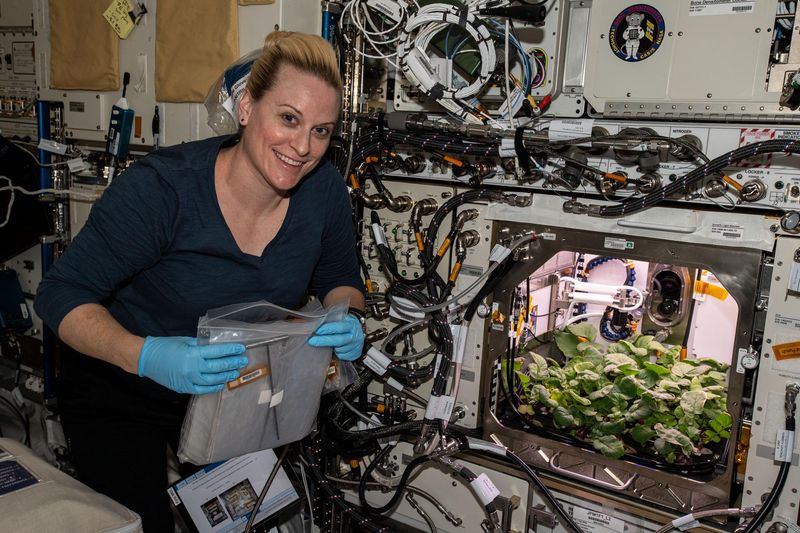
In October 1995, potato plants became the first vegetables to be grown in space aboard the Space Shuttle Columbia.
NASA and the University of Wisconsin created a special technology to cultivate them in zero gravity.
Scientists chose potatoes because they're nutritious, easy to grow, and could be crucial for feeding astronauts on long space missions.
This historic spud proved that humans could potentially grow food during extended space travel or on future Mars colonies!
19. Vanilla Comes From An Orchid
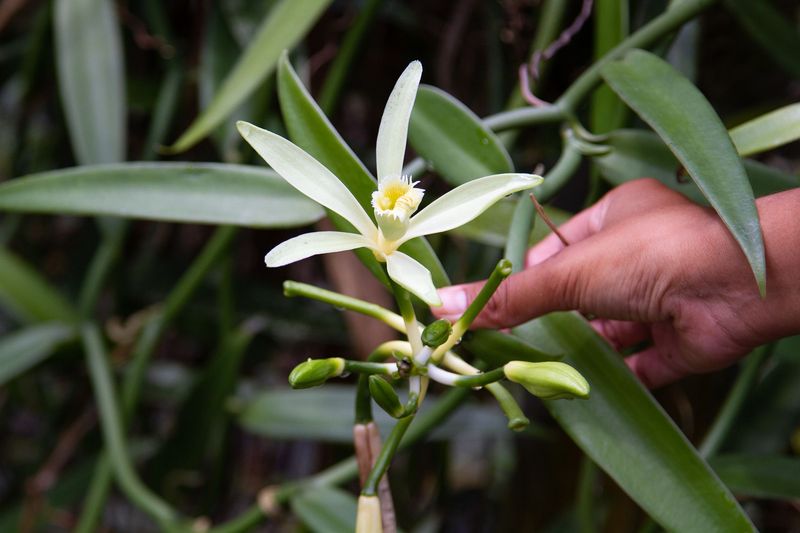
That bottle of vanilla extract in your cupboard comes from one of the world's most beautiful flowers.
Vanilla beans are actually the seed pods of a specific orchid species native to Mexico.
The flowers only bloom for a few hours and must be pollinated by hand in most growing regions, making vanilla one of the most labour-intensive crops on Earth.
This is why real vanilla is so expensive compared to artificial flavouring - each pod represents hours of careful work!
20. Pomegranates Have Been Cultivated For Over 4,000 Years
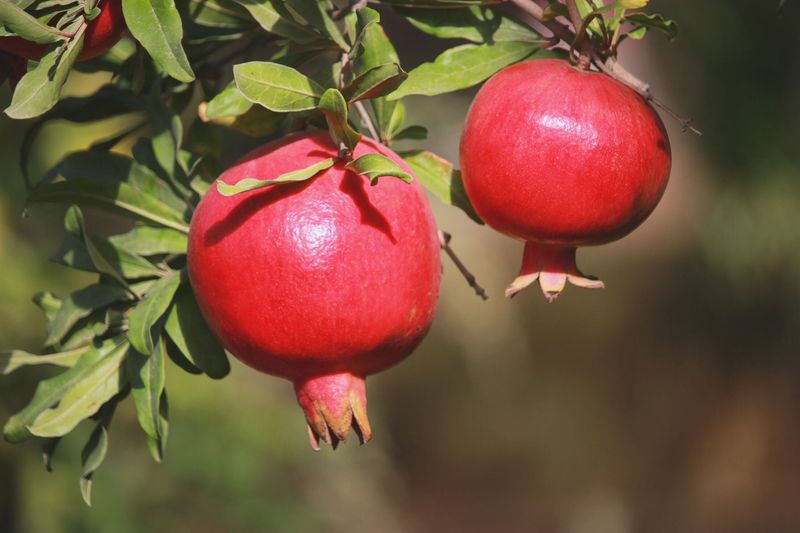
Pomegranates are amongst humanity's oldest cultivated fruits, with evidence of farming dating back to 3000 BCE in ancient Mesopotamia and Persia.
They appear in Egyptian hieroglyphics, Greek mythology, and religious texts across multiple cultures.
Ancient traders carried pomegranates along the Silk Road, spreading them throughout the known world.
The fruit's remarkable ability to stay fresh for months without refrigeration made it invaluable for long journeys.
That jewelled fruit has witnessed human history unfold!