









were a world apart from what we know today. Housewives were flooded with food advice that would raise more than a few eyebrows now.
From unusual cooking shortcuts to outdated health tips, these post-war food habits show just how much our understanding of nutrition and good eating has changed over time.
This content is for general informational and historical purposes only and is based on publicly available knowledge. Food practices from the past may differ from modern dietary guidance. Photos are for illustrative purposes only.
1. Canned Foods Are Always Healthier And More Convenient
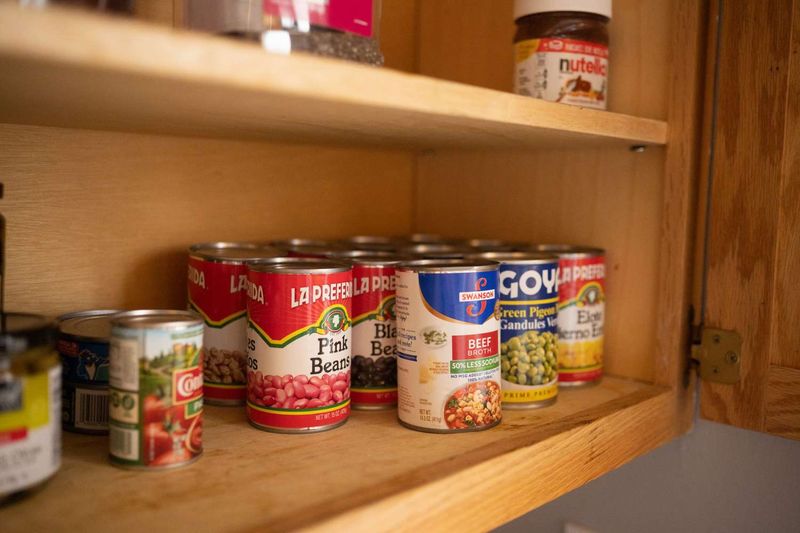
Homemakers in the 50s were told that canned foods were modern, practical, and sometimes even more reliable than fresh. Adverts highlighted convenience and shelf life, often claiming that vitamins were preserved through the canning process.
While canned goods can still be useful, today we know that fresh produce generally offers higher nutritional value, and canned foods often contain added sodium.
2. Gelatine Dishes Should Be Served At Nearly Every Occasion
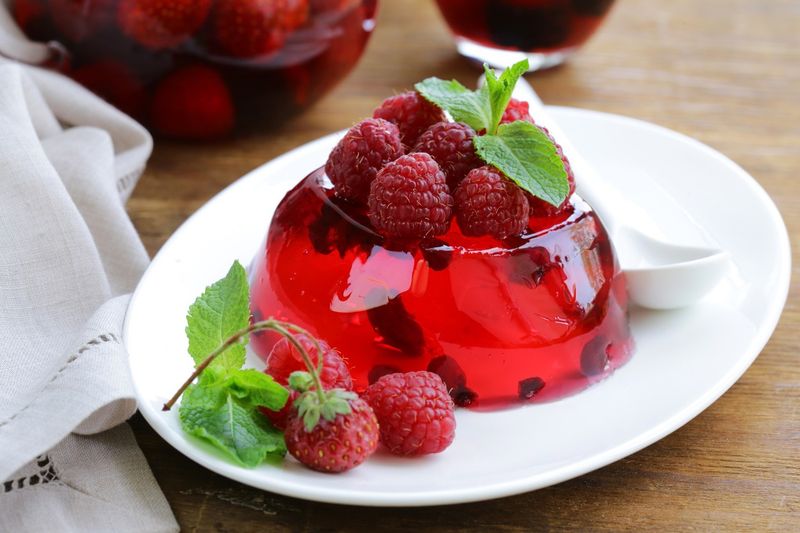
From meat suspended in lime jelly to seafood salads trapped in wobbling towers – gelatine dishes were considered the height of sophistication. Cookbooks featured entire sections dedicated to these molded creations.
The more bizarre the ingredients combined, the more impressive the dish was considered! Thankfully, we've moved beyond expecting dinner to bounce.
3. Fresh Fruit Should Always Come From A Tin Or Jar
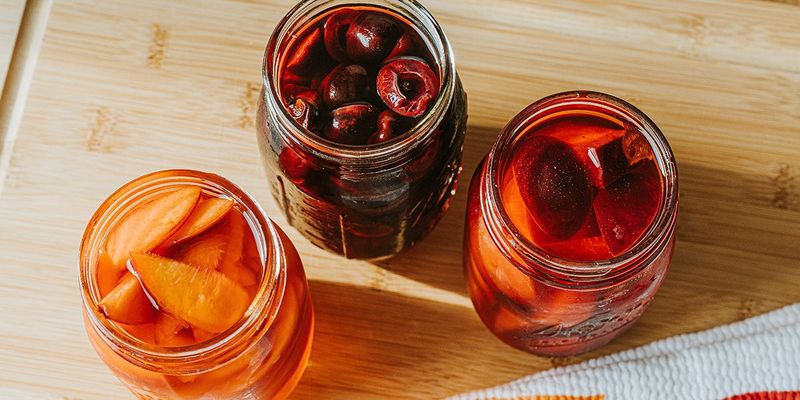
Women were taught that tinned fruit was hygienic, consistent, and economical. Adverts showed syrup-soaked peaches and pears as a practical alternative to fresh fruit.
The sugar syrup was marketed as part of the appeal rather than a drawback. Modern nutrition now recognises that high sugar content makes these options less healthy than fresh fruit.
4. Butter And Lard Are The Only Proper Cooking Fats
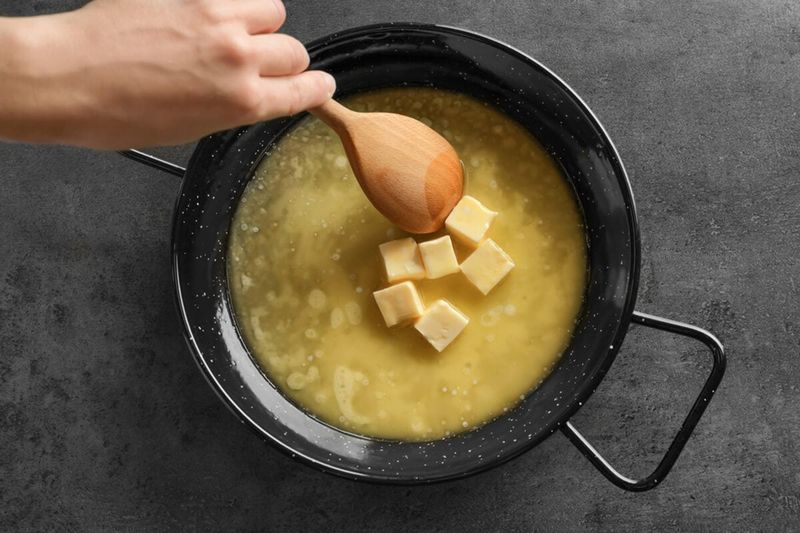
Recipes from the 50s called for generous amounts of butter and lard without hesitation. A proper housewife would never question using a full stick of butter in a simple vegetable dish. Heart health wasn't a consideration, and alternatives were viewed with suspicion.
The concept of healthy fats versus unhealthy ones simply didn't exist in most household kitchens.
5. Leftovers Should Always Be Disguised In Casseroles
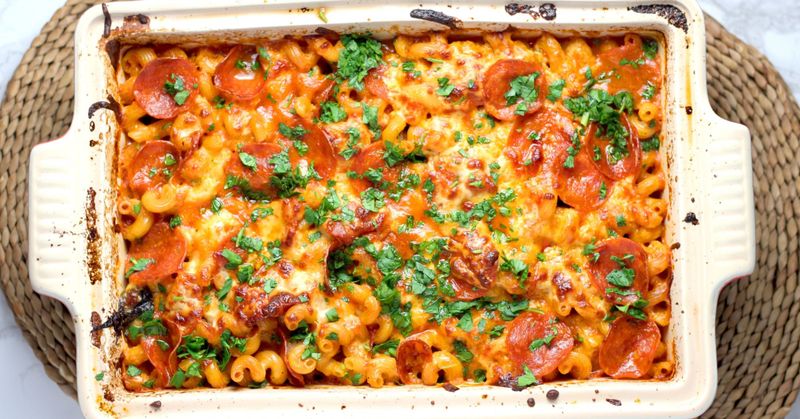
Waste not, want not! Women's magazines promoted hiding yesterday's dinner in today's casserole as clever homemaking. The more unrecognizable the original ingredients became, the more accomplished the cook.
Adding cream of mushroom soup was the universal solution to reviving any leftover. Modern approaches favor intentional meal planning rather than disguising old food.
6. Bread And Potatoes Belong At Every Dinner Table
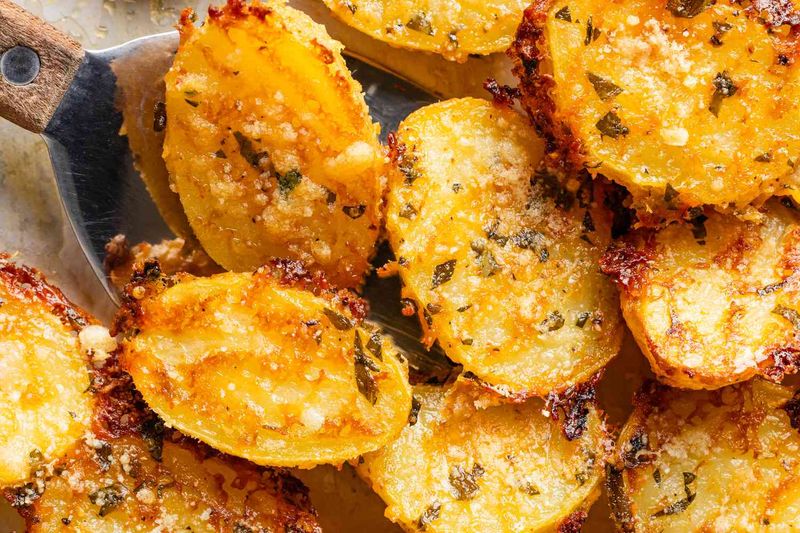
Double-starching was standard practice in 50s meal planning. A proper dinner featured both bread and potatoes, sometimes alongside pasta or rice too! Carbohydrates were considered essential energy foods rather than something to moderate.
The balanced plate concept with proportional food groups was decades away from becoming standard nutritional advice.
7. Meat Should Be The Centrepiece Of Every Meal
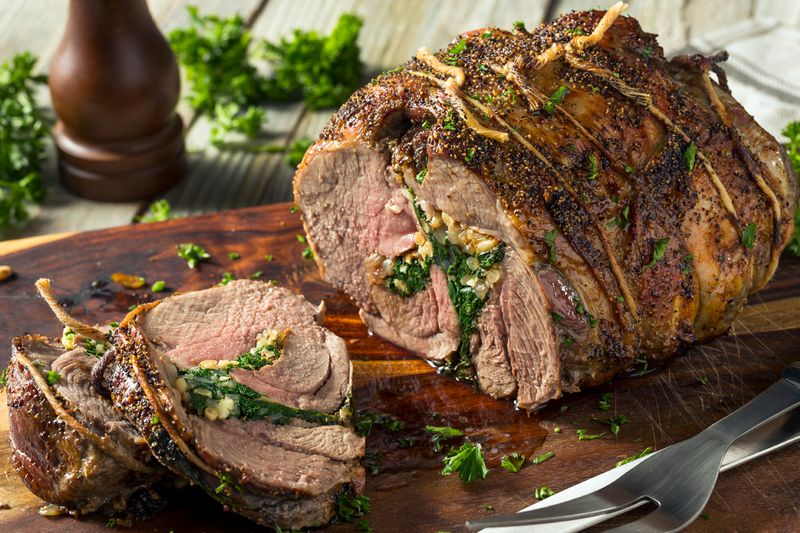
The 50s housewife learned that a meal without meat wasn't really a meal at all. Protein alternatives were virtually unheard of, and vegetarian cooking was considered strange or foreign. Enormous roasts and hams symbolized prosperity and proper nurturing.
Modern dietary guidelines now recommend plant-forward eating with meat in moderation.
8. Packaged And Processed Foods Are A Modern Miracle
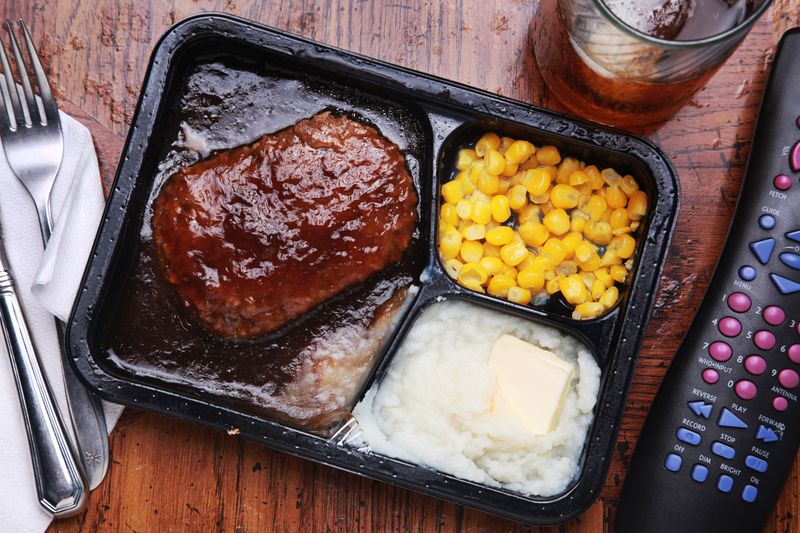
Women were told that instant mashed potatoes and TV dinners represented the pinnacle of modern convenience and nutrition. Food technology was celebrated without question about preservatives or additives.
Advertisers positioned these products as scientific advancements that liberated women from kitchen drudgery. Today we recognize the nutritional trade-offs of highly processed foods.
9. Sugar Is Essential For Energy And Should Be Added Generously
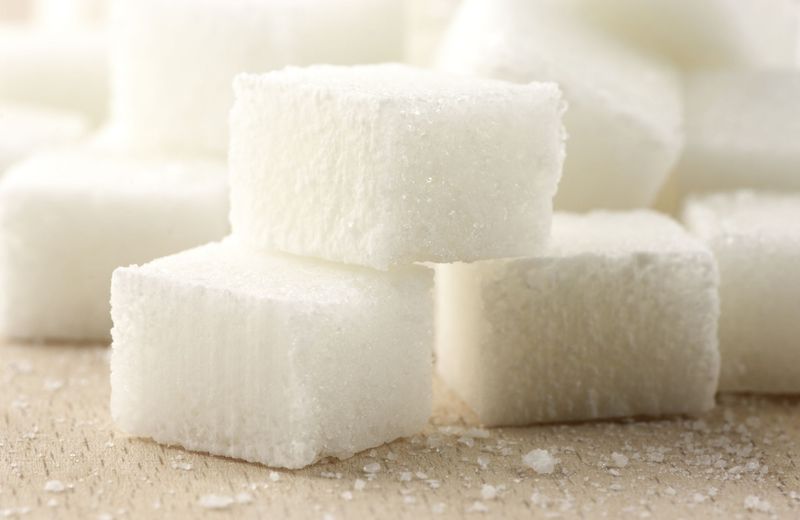
Sugar wasn't just a treat – it was marketed as a vital energy source! Advertisements encouraged adding sugar to everything from breakfast cereals (already sweetened) to vegetable dishes. Children were encouraged to consume sugar for "quick energy."
The connection between excessive sugar consumption and health problems wasn't widely recognized or acknowledged.
10. Coffee Helps You Lose Weight

In the 1950s, coffee wasn’t just a morning pick-me-up; it was often touted as a slimming secret. Women’s magazines and diet guides claimed that drinking cup after cup could boost metabolism and melt fat, long before caffeine’s real effects were properly studied.
While a cup of coffee can give you a short-term energy lift, it doesn’t actually burn calories or replace a balanced diet. Many of those so-called “coffee diets” left people jittery, dehydrated, and hungry – proof that a hot brew isn’t a magic weight-loss fix.
11. No Eating After 6 PM
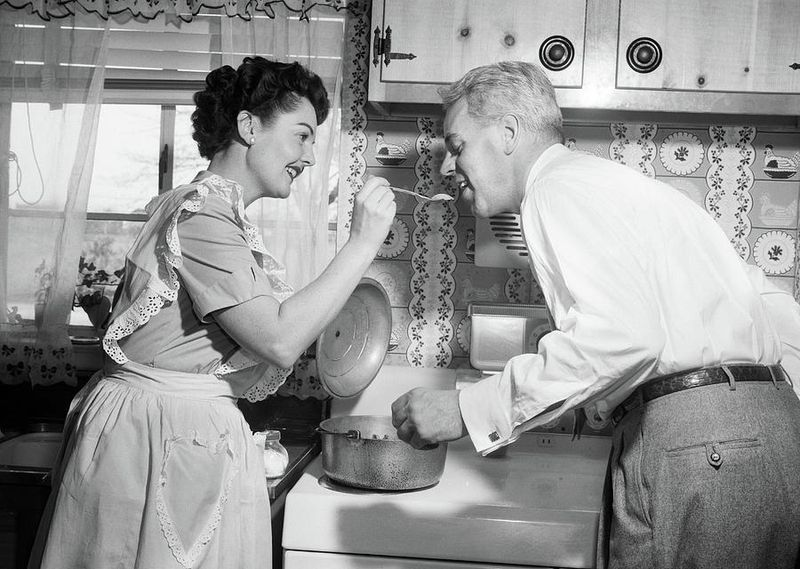
In the 1950s, many women were told that eating after 6 PM would instantly lead to weight gain.
Diet books and beauty columns insisted that the body “shut down” at night, meaning any food eaten late would supposedly turn straight into fat. This idea became a household rule, even though it had no scientific backing.
Today, nutritionists know it’s not the clock that matters but what – and how much – you eat overall. A light evening snack can actually help stabilise blood sugar and prevent late-night cravings, proving that strict mealtime cut-offs belong firmly in the past.