











Fibre plays an important role in supporting digestion, maintaining steady energy levels and contributing to overall dietary balance, yet many everyday meals still fall short. Small changes in shopping habits and meal planning can gradually increase fibre intake without dramatically altering familiar routines.
A growing number of foods are becoming more common in British kitchens as awareness improves and availability widens across supermarkets. Understanding where fibre naturally appears helps make everyday choices simpler and more practical.
All information is provided for general interest only and does not replace professional medical or nutritional advice. Individual dietary needs and responses vary.
Consult a qualified healthcare professional or registered dietitian for personalised guidance. Taste, appearance, and availability may vary.
1. Chia Seeds
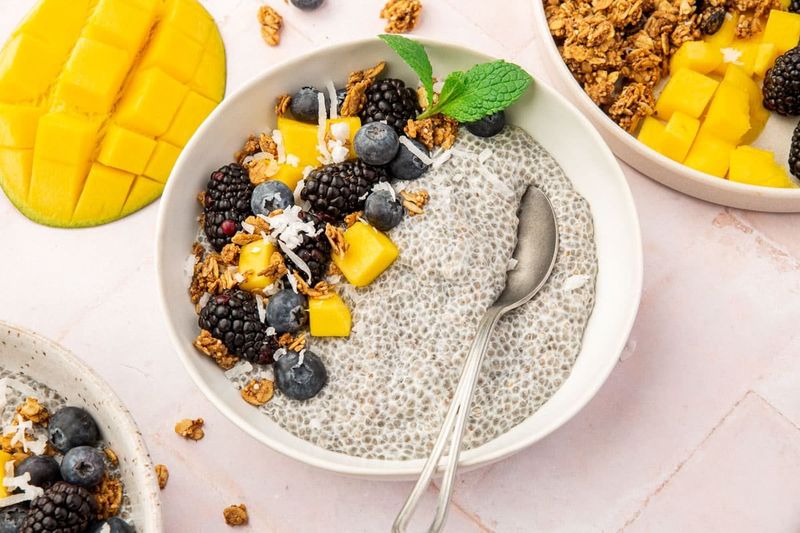
Just two tablespoons of chia seeds pack around 10 grams of soluble fibre, which is brilliant for keeping your digestion ticking along nicely. They swell up when soaked, forming a gel that helps steady blood sugar spikes after meals.
Sprinkle them over porridge, stir into yoghurt, or blend into smoothies for a quick nutrient boost. Their mild, nutty flavour won't overpower anything, making them an easy addition to your breakfast routine or even baking experiments.
2. Lentils
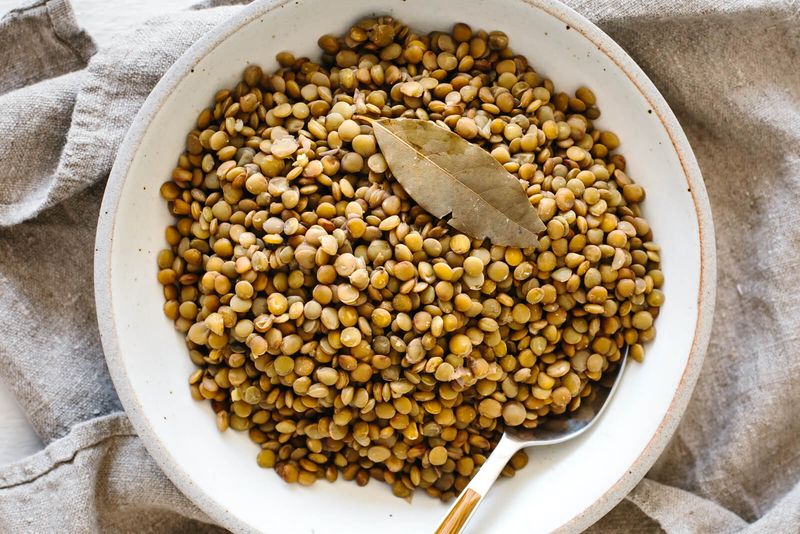
A single cup of cooked lentils delivers a whopping 15 grams of fibre, plus prebiotics that feed the good bacteria living in your gut. They're ridiculously versatile too, whether you fancy a warming curry, a hearty soup, or a quick salad.
Red lentils cook down soft and creamy, while green and brown varieties hold their shape beautifully. They're budget-friendly, store well in the cupboard, and cook faster than most dried pulses, making weeknight dinners far less stressful.
3. Black Beans

Black beans bring about 8 grams of fibre per cooked cup, along with a satisfying, earthy flavour that works brilliantly in Mexican-inspired dishes. They're also loaded with plant protein, making them a smart choice for veggie meals.
Toss them into tacos, blend into dips, or stir through rice for a quick burrito bowl. Their creamy texture and subtle taste mean they soak up spices beautifully, so don't be shy with the cumin and smoked paprika.
4. Oats
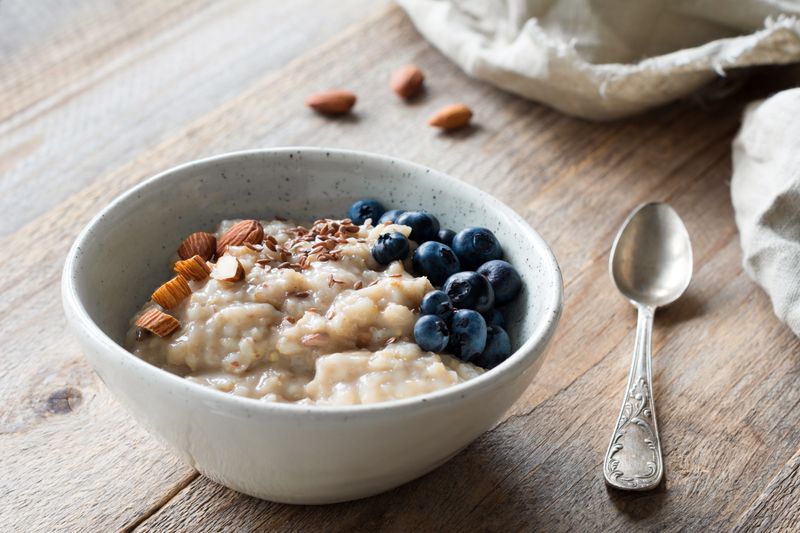
Oats are packed with a special type of soluble fibre called beta-glucan, which helps lower cholesterol and keeps you feeling full until lunchtime. A bowl of porridge in the morning is one of the simplest ways to boost your daily fibre intake.
Try topping yours with sliced banana, a drizzle of honey, or a handful of nuts for extra crunch. Oats also work brilliantly in homemade flapjacks, overnight oats, or even savoury porridge if you're feeling adventurous.
5. Raspberries

A cup of raspberries delivers roughly 8 grams of fibre, plus a hefty dose of antioxidants that support gut health and overall wellness. Their tart sweetness makes them a brilliant addition to breakfast bowls, smoothies, or even a cheeky afternoon snack.
Fresh or frozen, they're equally nutritious and blend beautifully into yoghurt or porridge. Their delicate flavour pairs well with dark chocolate, making them a guilt-free treat when you fancy something sweet without overdoing the sugar.
6. Broccoli
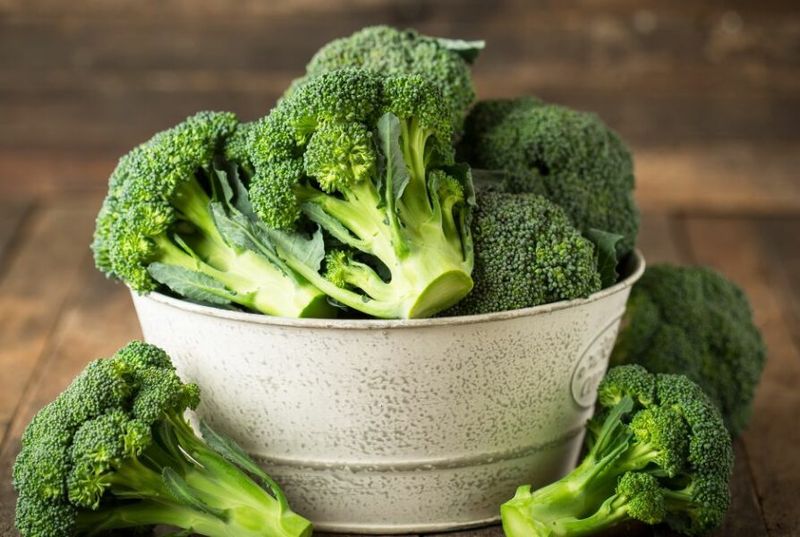
Broccoli might have a reputation as the vegetable kids love to hate, but it's quietly brilliant for your gut. A cup of cooked broccoli offers around 5 grams of fibre, along with vitamins C and K.
Roast it with a little olive oil and garlic until the edges crisp up, or steam it lightly to keep the crunch. It works beautifully in stir-fries, pasta dishes, or even blended into soups for a creamy texture without the cream.
7. Sweet Potatoes

Sweet potatoes are a brilliant source of fibre, especially when you eat the skin, which adds extra texture and nutrients. One medium spud delivers around 4 grams of fibre, plus a healthy dose of beta-carotene for good measure.
Roast them in wedges, mash them with a touch of butter, or bake them whole and top with beans for a simple, filling meal. Their natural sweetness means they pair beautifully with both savoury and sweet flavours, making them incredibly versatile.
8. Wholegrain Pasta
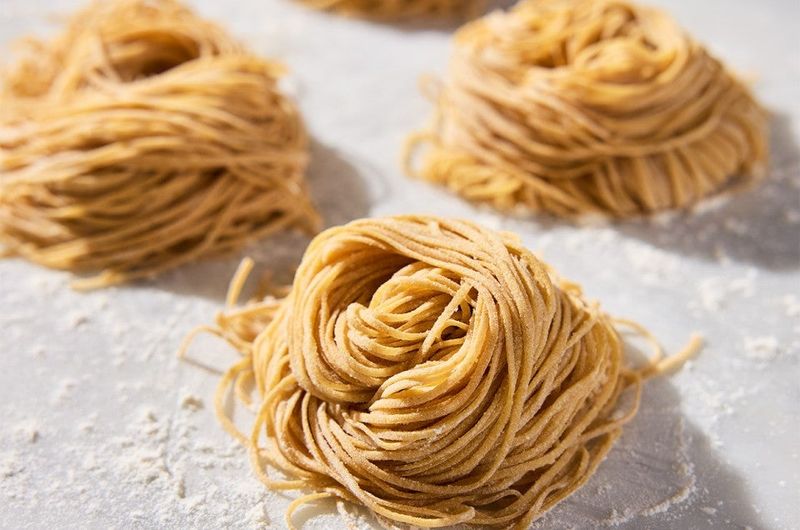
Swapping regular pasta for wholegrain versions is one of the easiest ways to boost your fibre intake without changing much about your favourite meals. Wholegrain pasta offers roughly double the fibre of white pasta, plus extra B vitamins and minerals.
It has a slightly nuttier flavour and firmer texture, which holds up beautifully under hearty sauces like Bolognese or pesto. Cook it al dente to avoid mushiness, and you'll hardly notice the difference once it's dressed and served.
9. Pearl Barley
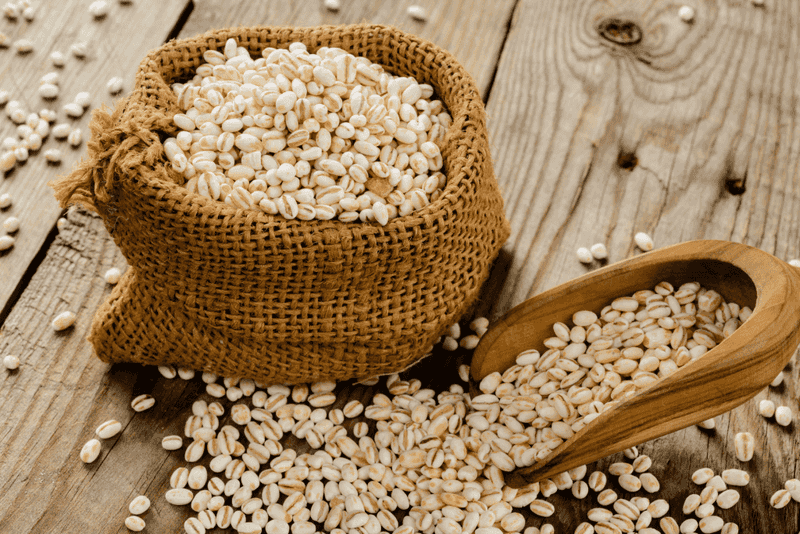
Pearl barley is a wonderfully chewy grain that adds body and texture to soups, stews, and salads. A cooked cup delivers around 6 grams of fibre, along with a mild, slightly nutty flavour that pairs well with almost anything.
It takes a bit longer to cook than rice, but the result is worth the wait. Try it in a hearty vegetable soup or toss it through a salad with roasted veg and a tangy dressing for a satisfying lunch.
10. Flaxseeds
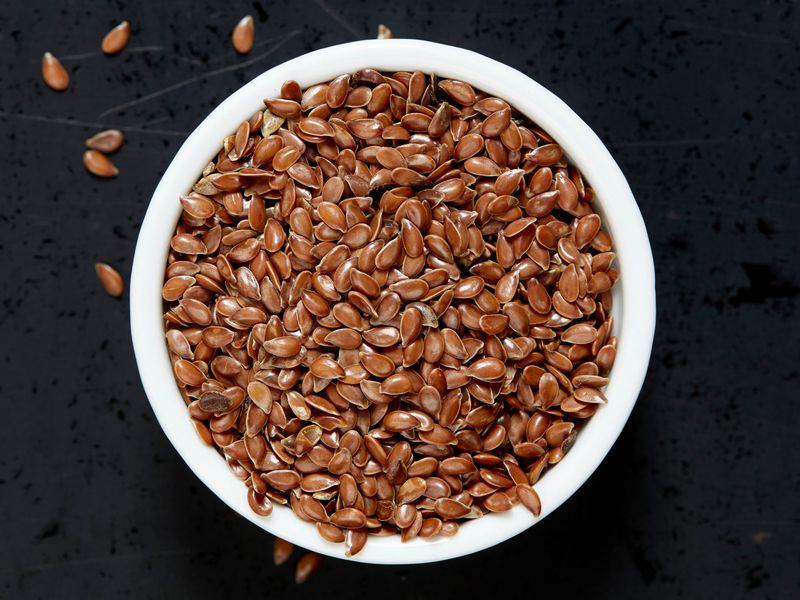
Flaxseeds are tiny nutritional powerhouses, offering around 3 grams of fibre per tablespoon, along with omega-3 fatty acids that support heart health. Grind them before eating to unlock their full benefits, as whole seeds can pass through your system undigested.
Sprinkle ground flaxseeds over cereal, blend into smoothies, or stir into baking for a subtle nutty flavour. They also work as an egg substitute in vegan baking when mixed with water, making them surprisingly versatile in the kitchen.