










Chicken is one of the world’s most popular protein sources, but not every part of the bird is considered safe to eat. A recent study in Southeast China found that certain chicken parts may contain residues or pose potential health risks.
Nutritionists and food safety experts advise knowing which parts to avoid to make healthier, safer choices when cooking or enjoying chicken meals.
This content is for general information only. Always consult a healthcare professional or nutritionist for personalised advice. Photos are for illustrative purposes only and may not represent the exact chicken parts discussed.
1. Chicken Skin Can Hide Extra Fat And Calories
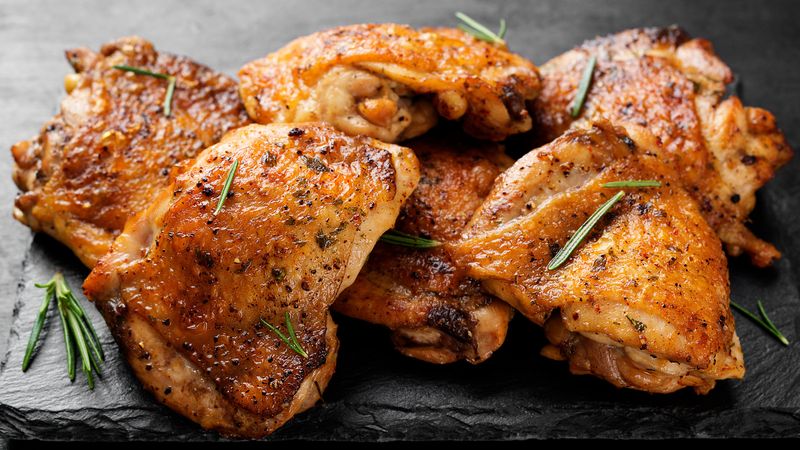
That crispy, golden skin might taste delicious, but nutritionists warn it's packed with saturated fat and calories. A single piece of chicken skin can contain up to 80 calories and significant amounts of cholesterol.
Removing the skin before cooking can reduce your meal's fat content by nearly 50 percent. Your heart will thank you for making this simple swap during meal preparation.
2. Why Chicken Lungs May Contain Parasites
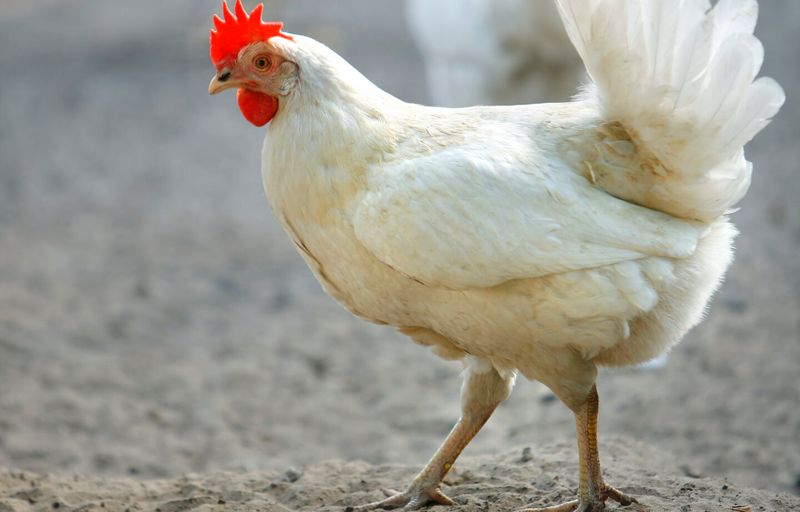
Chicken lungs present a serious health concern due to their high risk of parasite contamination. These organs filter air constantly, making them prime locations for harmful organisms to settle and multiply.
Food safety experts strongly advise against consuming chicken lungs, as proper cleaning and cooking may not eliminate all parasites. Commercial processors typically remove these organs before sale for good reason.
3. Chicken Head Might Carry Pesticide Residues
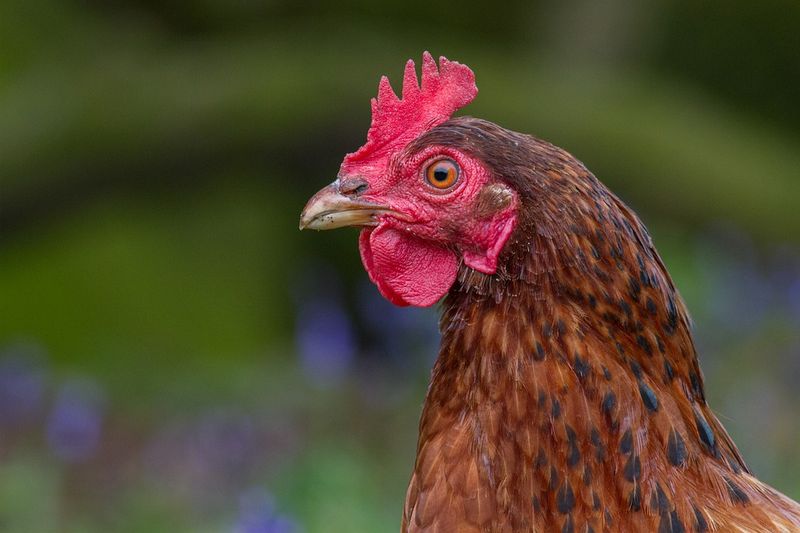
Chicken heads can accumulate pesticide residues from contaminated feed and environmental exposure. The brain tissue particularly tends to concentrate these harmful chemicals over time.
Many cultures consider chicken heads a delicacy, but food safety specialists recommend avoiding them entirely. The potential health risks from pesticide exposure far outweigh any nutritional benefits these parts might offer to your diet.
4. Intestines Are A Potential Bacteria Hazard
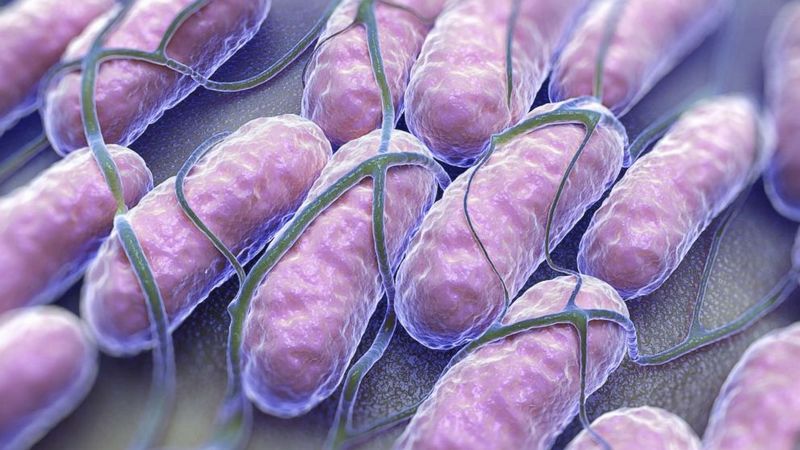
Chicken intestines harbour dangerous bacteria like Salmonella and E. coli, even after thorough cleaning attempts. These organs naturally contain digestive waste and harmful microorganisms that pose serious health risks.
Professional chefs and food safety experts unanimously agree that intestines should never be consumed. The risk of severe food poisoning simply isn't worth taking, regardless of preparation methods used.
5. Chicken Feet Aren't Always Fully Cleaned
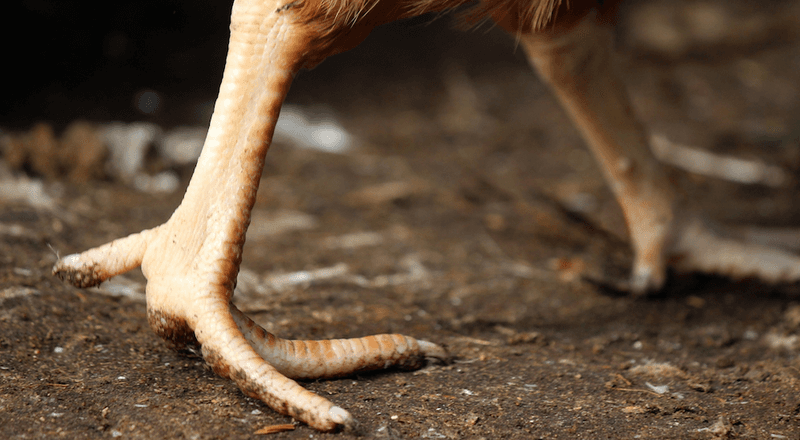
Chicken feet often retain dirt, bacteria, and faecal matter despite commercial cleaning processes. The numerous scales and crevices make thorough sanitisation extremely difficult to achieve properly.
While popular in some cuisines, food safety experts caution against eating chicken feet due to contamination risks. If you choose to consume them, ensure they undergo extensive cleaning and high-temperature cooking processes.
6. Eat Chicken Heart With Caution
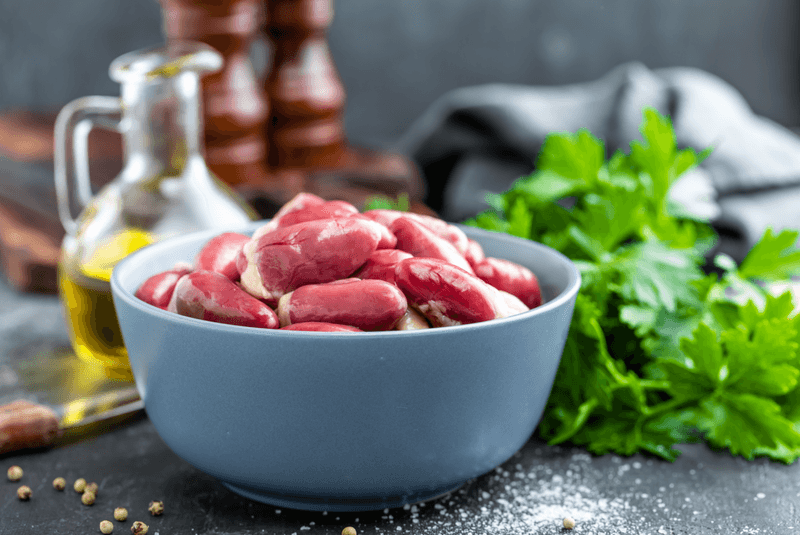
Chicken hearts contain extremely high cholesterol levels, with a single heart providing nearly 130mg of dietary cholesterol. People with heart conditions or high cholesterol should particularly avoid this organ meat.
Additionally, hearts can accumulate toxins and medications given to chickens during their lifetime. Nutrition experts suggest choosing lean breast meat instead for a healthier protein option that supports your wellbeing.
7. Gizzards Require Thorough Cleaning Before Cooking
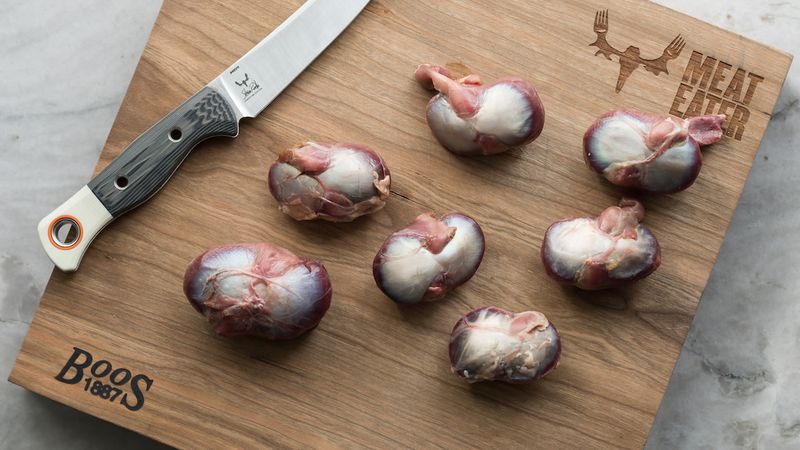
Chicken gizzards contain grit, stones, and undigested food particles that birds use for digestion. Improper cleaning can leave dangerous debris that damages teeth and digestive systems.
Many home cooks lack the expertise to clean gizzards properly, leading to potential health hazards. Food safety specialists recommend leaving gizzard preparation to experienced professionals or avoiding them altogether for safer dining.
8. Chicken Neck Can Harbour Harmful Bacteria
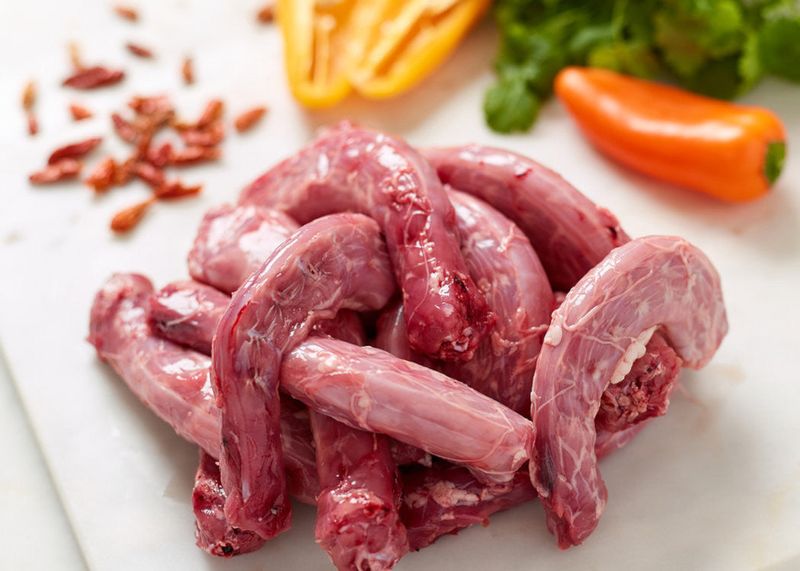
Chicken necks present unique food safety challenges due to their irregular shape and bone structure. Bacteria easily hide in small crevices and joints, making complete sanitisation nearly impossible.
The neck area also contains lymph nodes that filter toxins and waste products from the chicken's body. Smart consumers skip this part entirely and focus on safer, cleaner cuts that provide better nutrition value.
9. Wing Tips Provide Little To No Nutritional Value
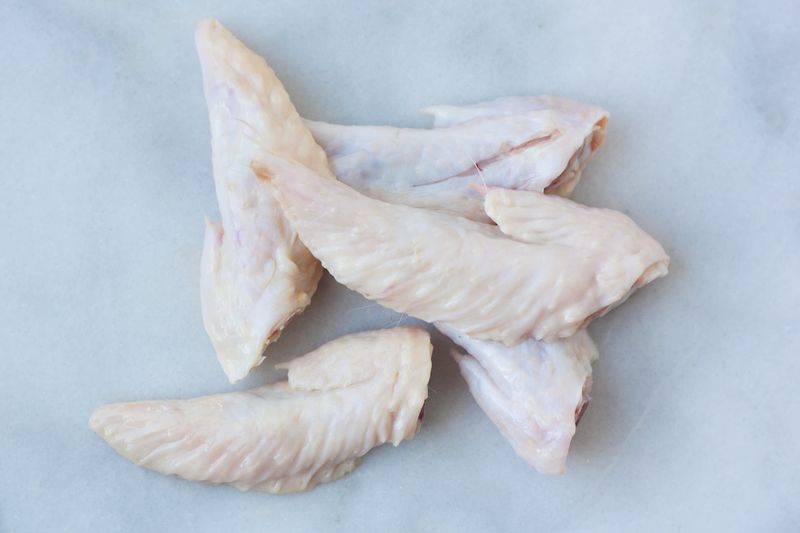
Often overlooked and discarded, chicken wing tips offer minimal nutritional benefit. These parts are mostly skin and bone, contributing little in terms of protein or other essential nutrients. Their meager meat content means they’re not worth the energy invested in cooking them.
Wing tips are primarily used in stock-making for their gelatin. However, consuming them directly does not provide significant nutritional value. Instead, focus on meatier parts of the wing, such as the drumettes, for a more nutritious meal.
10. Blood Left In The Marrow Can Pose Health Risks
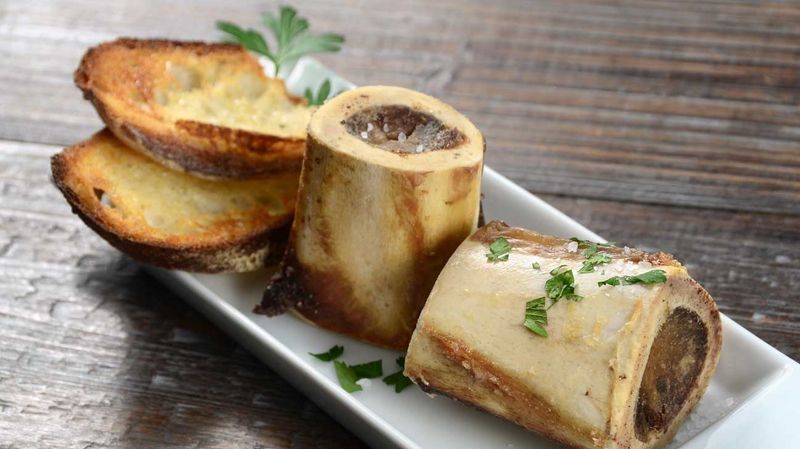
Blood left in chicken marrow poses potential health risks. Even after thorough cooking, marrow can harbor bacteria like Salmonella. When eating chicken, ensure bones are cooked thoroughly to reduce risk. Marrow is rich in nutrients, but the presence of blood can indicate undercooking.
Always check that juices run clear. Moreover, the marrow's texture may not be appealing to everyone. If concerned about potential risks, avoid eating chicken bones altogether.
Alternatively, use a meat thermometer to ensure proper cooking temperatures. Safety first ensures a healthier dining experience without the worry of blood contamination.