









There’s something wonderfully nostalgic about the scent of gingerbread wafting through a kitchen in December.
Gingerbread House Day, celebrated every year on 12 December, gives everyone an excuse to unleash their creativity and build edible architecture worthy of a fairy tale.
It’s sticky, sweet, and guaranteed to bring out the childlike joy in just about anyone.
All information is provided for general interest only. Availability of events, recipes and activities may vary depending on region.
1. The Origins Of Gingerbread House Day
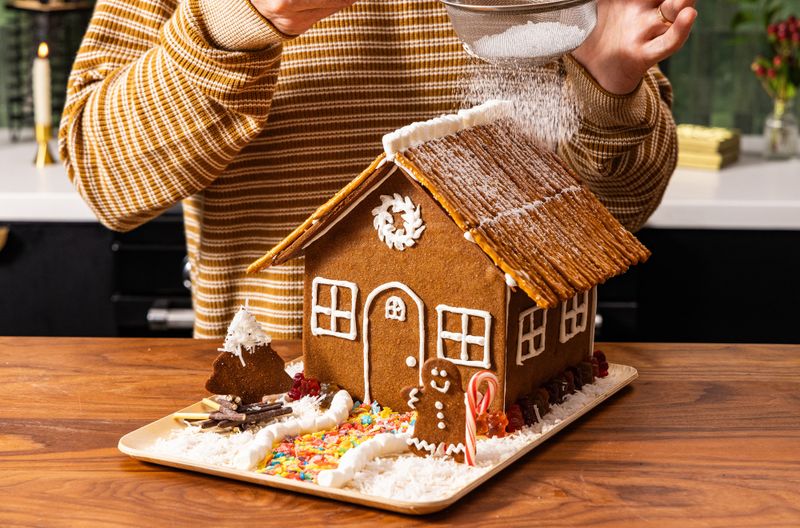
Believe it or not, this delightful day traces back to the Brothers Grimm fairy tale, Hansel and Gretel.
Published in 1812, the story featured a witch's house made entirely of bread, cake, and sugar, sparking imaginations across Europe.
German bakers began crafting edible houses inspired by the tale, turning a spooky story into a beloved tradition that eventually got its own special day of recognition each December.
2. Why We Celebrate It Every December
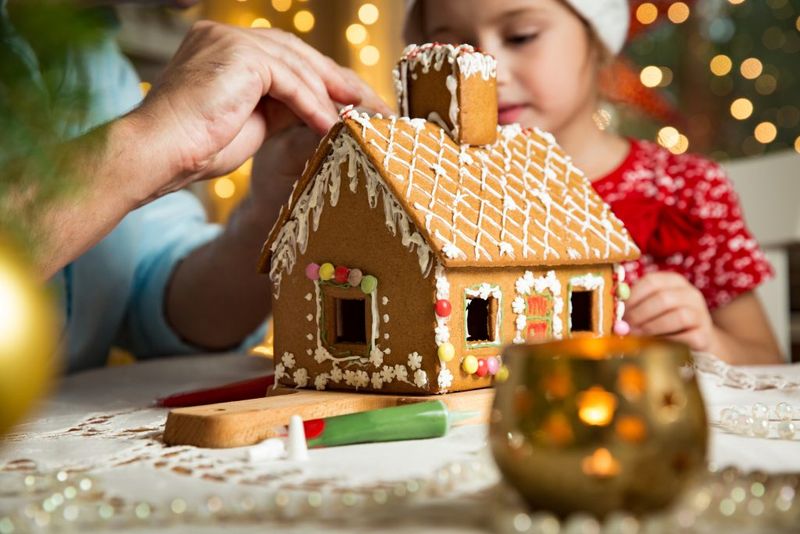
December 12th marks the official Gingerbread House Day, perfectly timed during the festive season when families gather and baking fills the air.
This date gives everyone a chance to slow down amidst holiday chaos and create something magical together.
Celebrating in December also means your edible masterpiece can double as gorgeous table decor throughout the Christmas period, making it both practical and utterly charming.
3. The History Of Gingerbread Itself
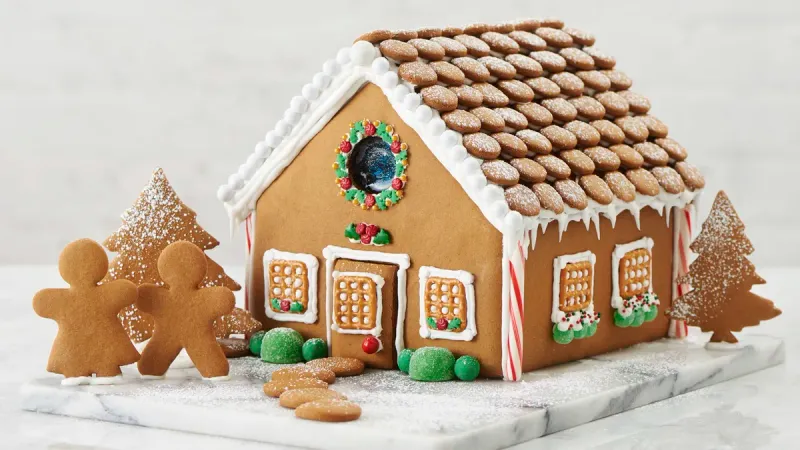
Gingerbread's story stretches back over a thousand years, with medieval monks in Europe baking spiced honey cakes.
The addition of ginger from Asia transformed these simple treats into something extraordinary, prized for both flavour and supposed medicinal properties.
By the 16th century, gingerbread had become an art form, with elaborate moulds creating intricate shapes that were sold at fairs and festivals across the continent.
4. Iconic Designs Through The Years
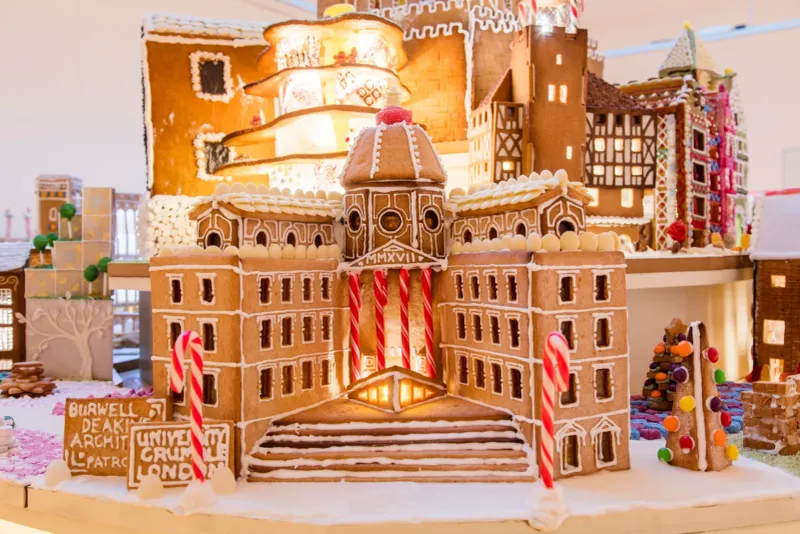
From simple cottages to elaborate Victorian mansions, gingerbread architecture has evolved beautifully over decades.
The 1950s brought pastel-coloured icing and gumdrop gardens, whilst the 1980s saw elaborate castle designs with turrets and drawbridges.
Today's creations range from minimalist Scandinavian-inspired houses to pop culture tributes, proving that gingerbread construction knows absolutely no creative limits when imagination takes the lead.
5. How Families Traditionally Celebrate

Most families kick off their celebration by baking gingerbread dough together, filling kitchens with that unmistakable spicy-sweet aroma.
Once cooled and assembled with royal icing 'glue,' the real fun begins – decorating with sweets, chocolates, and whatever edible treasures the pantry holds.
Many households make it an annual competition, with each family member creating their own miniature house before voting on the most creative design.
6. Fun Facts About Giant Gingerbread Creations
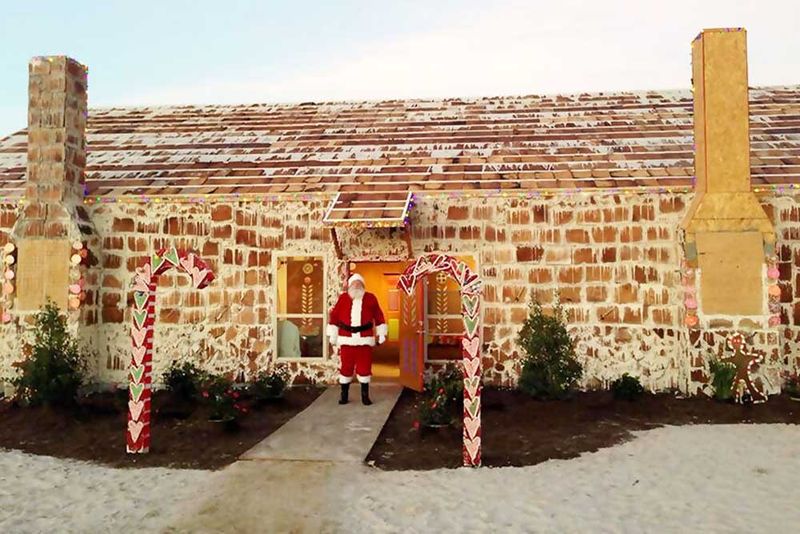
The world's largest gingerbread house was built in Texas in 2013, covering nearly 40,000 square feet – bigger than many actual homes!
It required 7,200 eggs, 3,000 kilograms of flour, and enough icing to coat a football pitch.
Some hotels build life-sized gingerbread houses each year that guests can actually walk through, complete with candy cane columns and royal icing chandeliers overhead.
7. Competitions And Record-Breaking Houses

Professional bakers and ambitious amateurs compete worldwide to create the most jaw-dropping gingerbread structures imaginable.
Competitions judge on structural integrity, artistic design, and sheer creativity, with some entries resembling famous landmarks or fictional buildings.
Winners often spend weeks planning and days constructing, using advanced techniques like sugar glass windows and hand-piped snow effects that look almost too beautiful to eventually nibble.