










Food might look the same on your plate, but take a bite in another country and you'll be surprised. Local ingredients, cultural preferences, and traditional recipes transform everyday foods into completely different experiences. Here's how some of our most familiar foods change their flavour profiles as they cross borders.
This article is for general informational and cultural interest only. Taste and flavour of foods may vary depending on recipe, region, and preparation.
1. Chocolate
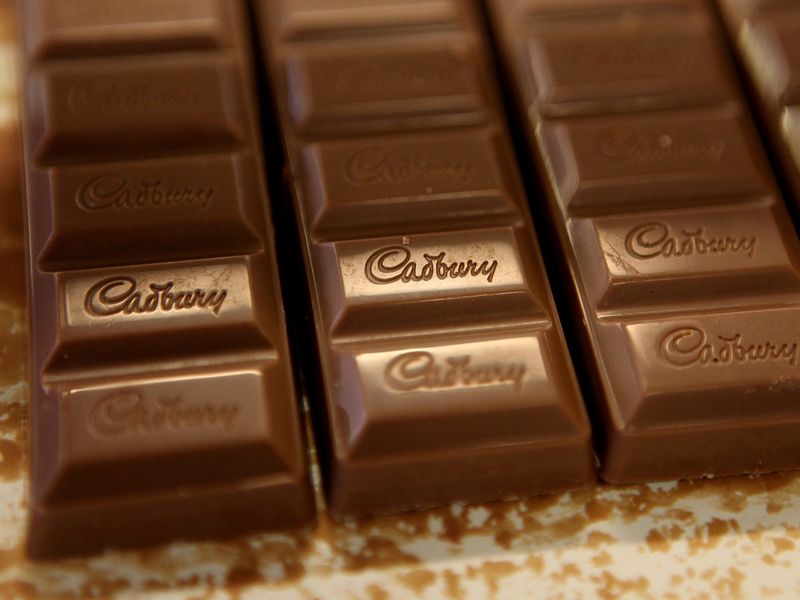
Chocolate doesn’t taste the same everywhere, and that comes down to recipes and local traditions. In the UK and much of Europe, bars usually contain more cocoa butter and milk, giving them a creamier, richer texture.
In the US, chocolate often tastes a bit sweeter because of different sugar levels and production methods. A Dairy Milk in London and a Hershey’s bar in New York offer two very different flavour experiences.
2. Bread
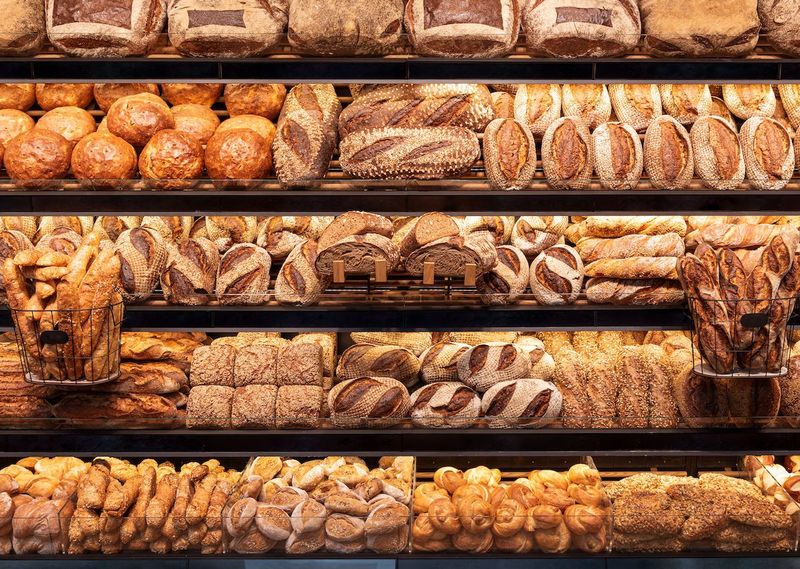
Not all loaves are created equal. In the US, sandwich bread is famously soft and a little sweet, while in France or Germany, you'll get crustier, denser loaves with a more complex flavour.
British bread sits somewhere in between, with both fluffy white slices and hearty brown options. Travel abroad, and your toast suddenly feels like a different food.
3. Cheese
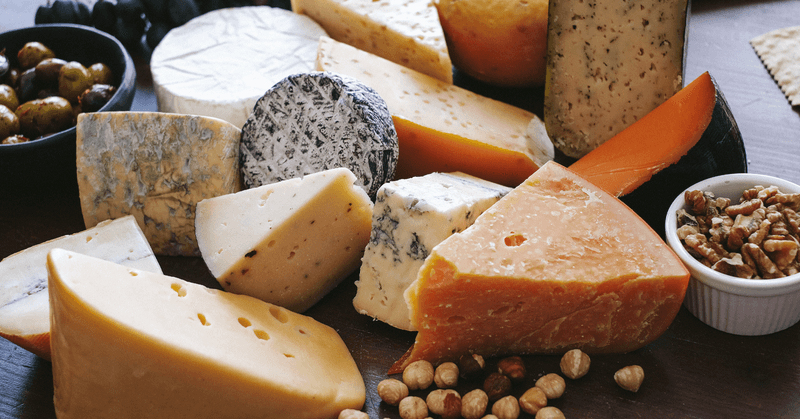
Cheese changes personality depending on where it's made. A cheddar in Somerset is sharp and mature, while versions made abroad are often creamier and much milder.
The same goes for mozzarella, which in Italy is fresh and soft, compared to the firmer blocks sold in many supermarkets elsewhere. Even something as simple as cheese on toast can taste like a brand-new dish.
4. Coffee

Morning coffee isn't a one-size-fits-all experience. Italians love a short, strong espresso, while Scandinavians often prefer lighter roasts brewed in big cups.
In the UK, instant coffee remains a staple, but head to Australia and you'll be offered a flat white with a totally different flavour profile. It's the same drink in name, but not in taste.
5. Ketchup
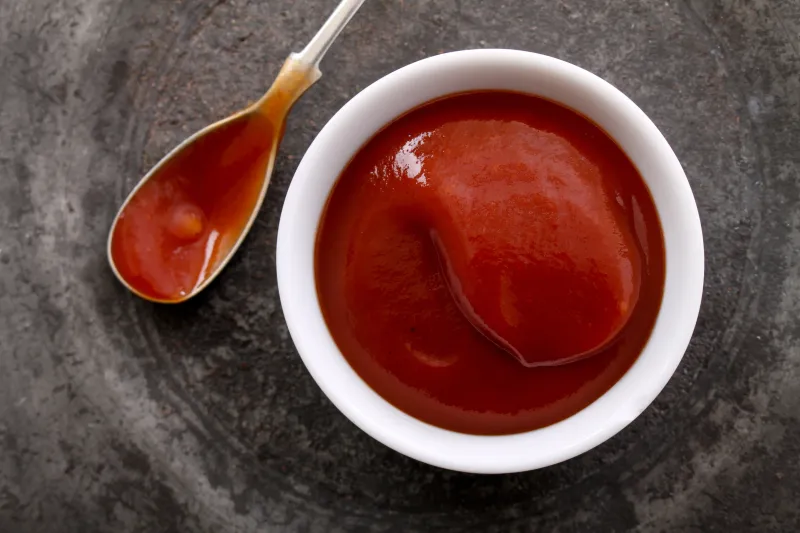
That familiar red sauce isn't identical everywhere. In Britain, Heinz ketchup tastes tangy with a decent hit of vinegar, while in the US it's often a touch sweeter.
Travel further afield and you might find banana ketchup in the Philippines, which is fruity and bright. The fries might look the same, but the dip tells a different story.
6. Yoghurt
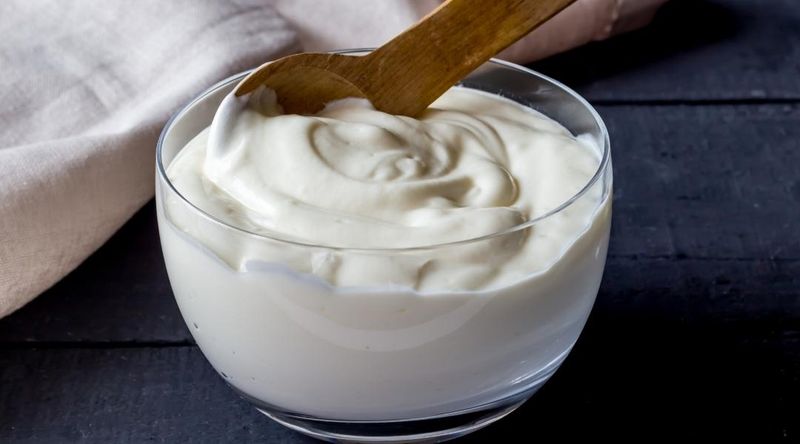
Yoghurt varies hugely depending on where you spoon it up. Greek yoghurt is famously thick and tangy, while British tubs tend to be smoother and often flavoured with fruit.
In countries like India, it's a key part of savoury dishes rather than a sweet breakfast option. One product, so many personalities.
7. Crisps
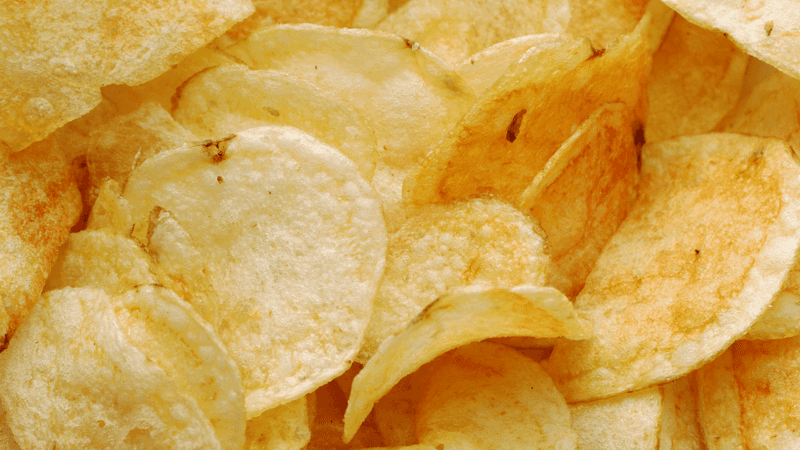
Crisps are where global tastes really shine. In the UK, flavours like prawn cocktail and salt and vinegar are firm favourites, while Japan offers seaweed or even squid versions.
The base potato crisp also changes, with some countries frying them harder for extra crunch. Pick up a packet abroad, and it can feel like snack roulette.
8. Ice Cream

Ice cream isn't quite universal. Italian gelato is dense, smooth, and packed with flavour thanks to less air and lower fat content, while American ice cream often feels creamier and fluffier.
In Britain, both styles are enjoyed, but soft-serve cones on the seaside stand apart as their own tradition. No two scoops are ever exactly the same.
9. Soft Drinks
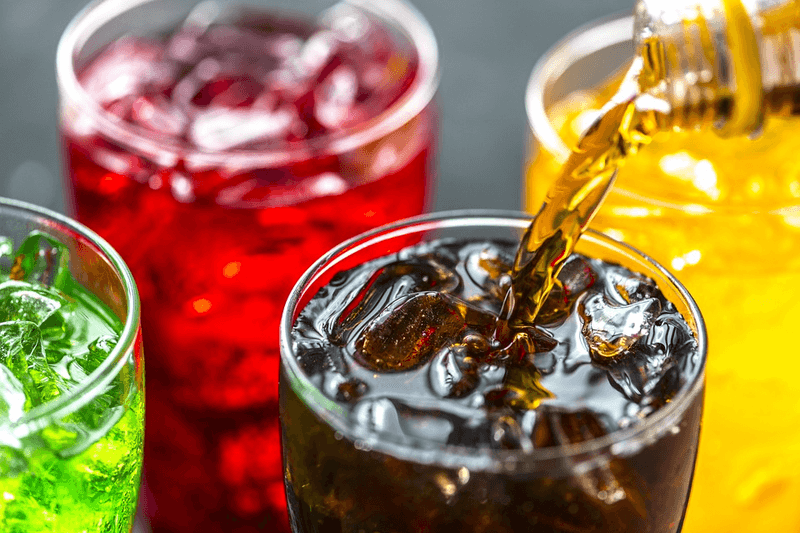
Even a can of cola doesn't have the same taste worldwide. In Europe, many soft drinks are made with beet or cane sugar, while in the US corn syrup is the go-to sweetener.
That single change shifts the flavour more than you'd expect. Add local tweaks to fizz levels, and suddenly your favourite drink feels unfamiliar.
10. Fruit
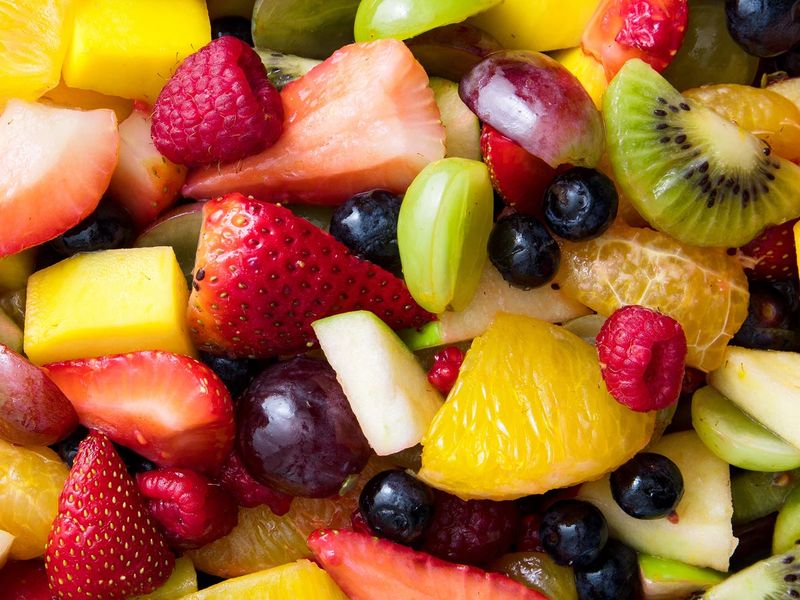
Fruit might look the same, but the flavour is often different depending on where it's grown. Tomatoes in Italy, ripened under hot sun, are famously sweeter and juicier than the ones shipped long distances to Northern Europe.
Bananas in Central America taste stronger than the milder Cavendish variety sold in British supermarkets. Local climate and varieties make the biggest difference.
11. Butter
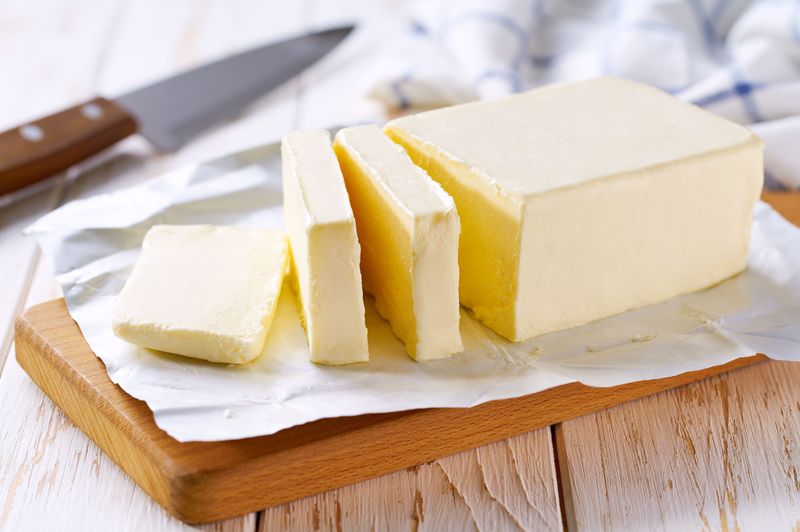
Butter isn't just butter everywhere. In Ireland and parts of France, grass-fed cows produce milk that gives butter a deeper yellow colour and a richer taste.
British butter is creamy and mild, while American versions are sometimes salted more heavily. Spread each on bread and you'll notice the contrast straight away.
12. Honey
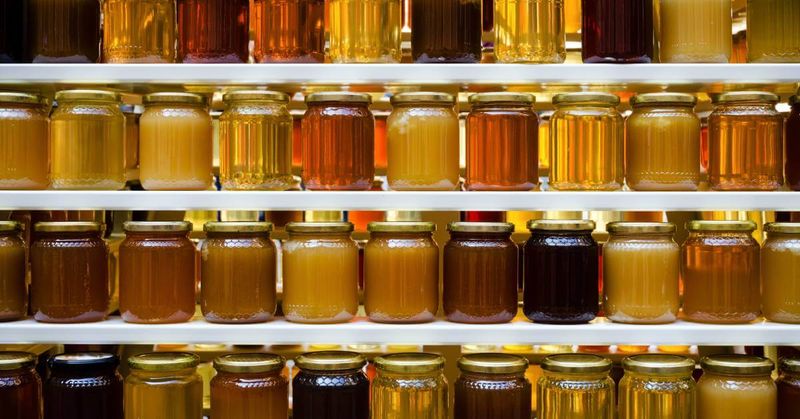
Honey jars change flavour with the flowers that bees feed on. In the UK, heather honey has a strong, almost herbal taste, while in Greece thyme honey is floral and fragrant.
Move over to New Zealand, and manuka honey is earthy and medicinal. It's one of the clearest examples of how place shapes taste.
13. Tea
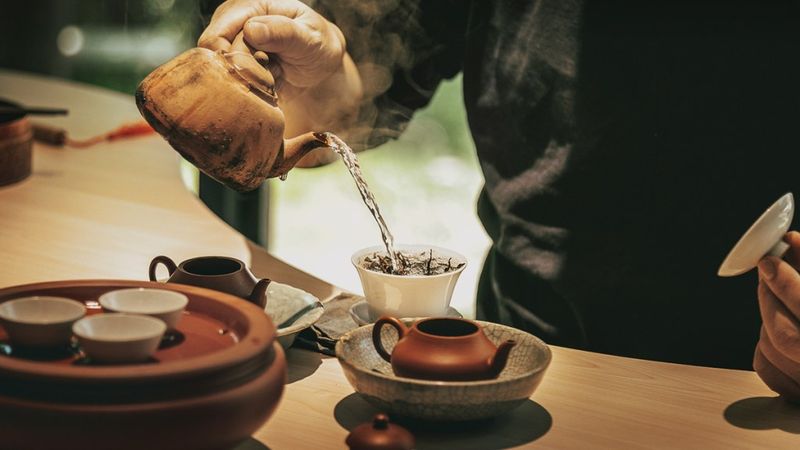
Tea is a global favourite, but it's rarely brewed the same way twice. Brits love a strong builder's brew with milk, while in China loose-leaf green teas are sipped without additions.
In India, spiced chai simmered with milk and sugar takes centre stage. One drink, countless flavours across the world.