








Many foods we proudly claim as British staples actually have surprising foreign roots. From breakfast favourites to Sunday dinner classics, a few dishes on our plates didn’t start here at all. You might be surprised to learn just how international some of the UK’s most “British” foods really are.
This article is for general informational and entertainment purposes only. Historical origins of foods can vary based on sources and regional adaptations. Photos are for illustrative purposes, and dishes may differ in appearance or ingredients.
1. Victoria Sponge Cake
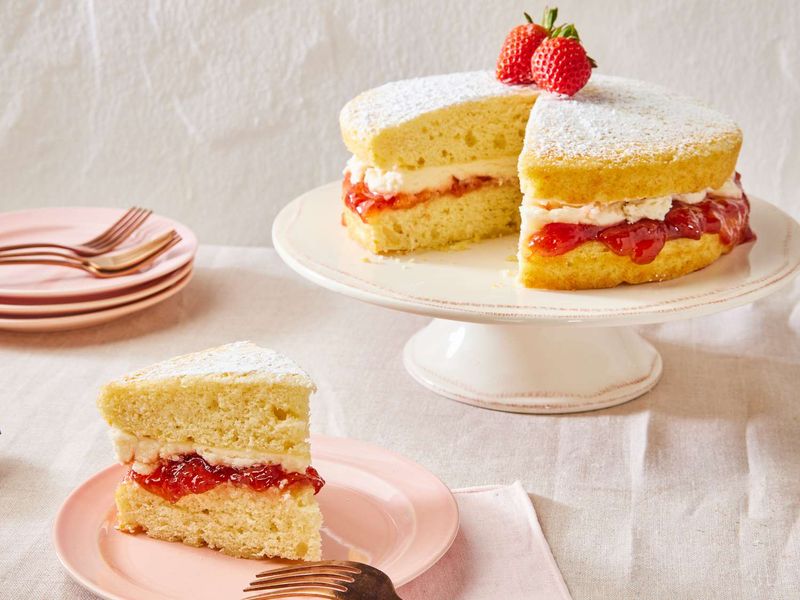
Though the name honours Queen Victoria, the sponge cake itself didn’t originate in Britain. Early versions of sponge cake were developed in Renaissance Italy and refined in France long before reaching British tea tables.
What the Victorians did was adapt the European recipe by adding butter and jam, turning it into the classic afternoon tea staple we know today. It’s now so synonymous with British culture that few realise its continental beginnings.
2. Shepherd’s Pie
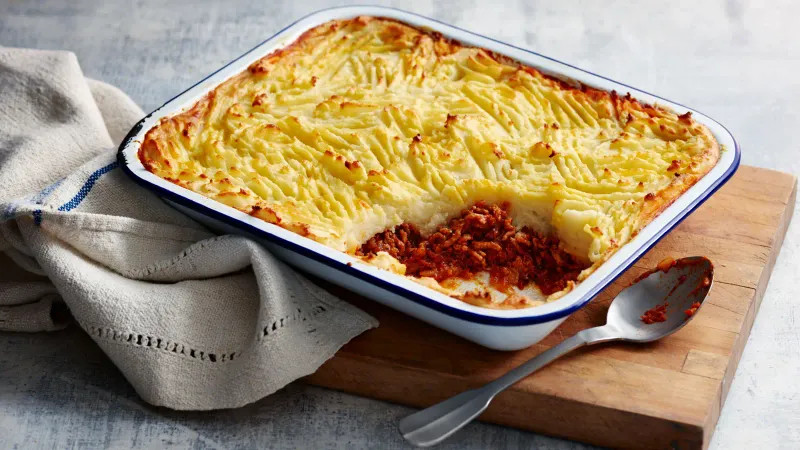
Many assume shepherd’s pie is a purely British invention, but its true origins lie in Ireland. The dish evolved in the late 18th century when resourceful Irish homemakers used leftover roast meat and mashed potatoes to create hearty, budget-friendly meals.
Britain later popularised it under the name “shepherd’s pie” when made with lamb and “cottage pie” when made with beef. Today, it’s seen as a classic British comfort food, even though its roots are distinctly Irish.
3. Chicken Tikka Masala
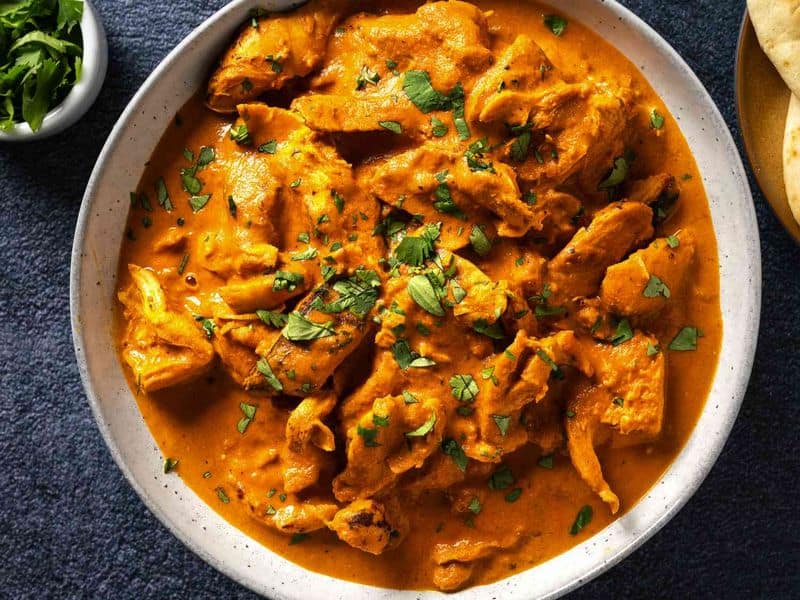
You might call it Britain's national dish, but chicken tikka masala represents culinary fusion at its finest. Legend has it that a Bangladeshi chef in Glasgow created it when a customer complained about dry chicken tikka, prompting the addition of a creamy tomato sauce.
The dish beautifully marries Indian cooking techniques with British tastes. Ironically, while Parliament once declared it a true British national dish, its roots are firmly planted in South Asian culinary traditions.
4. Scotch Eggs
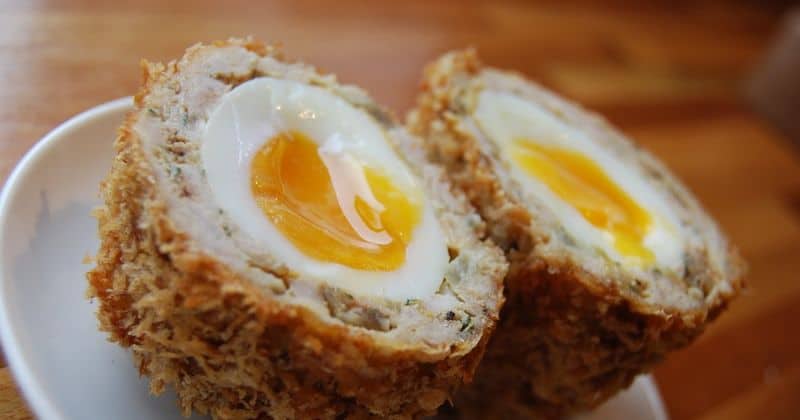
Despite the name suggesting Scottish heritage, these protein-packed snacks have connections to the Indian subcontinent. The concept of meat-wrapped eggs bears striking similarities to nargisi kofta, a Mughal dish that predates the British version.
Fortnum & Mason claims to have invented them in 1738 as portable snacks for wealthy travelers. However, food historians now believe the idea traveled to Britain via returning colonial officials who'd developed a taste for similar Indian delicacies.
5. Fish And Chips
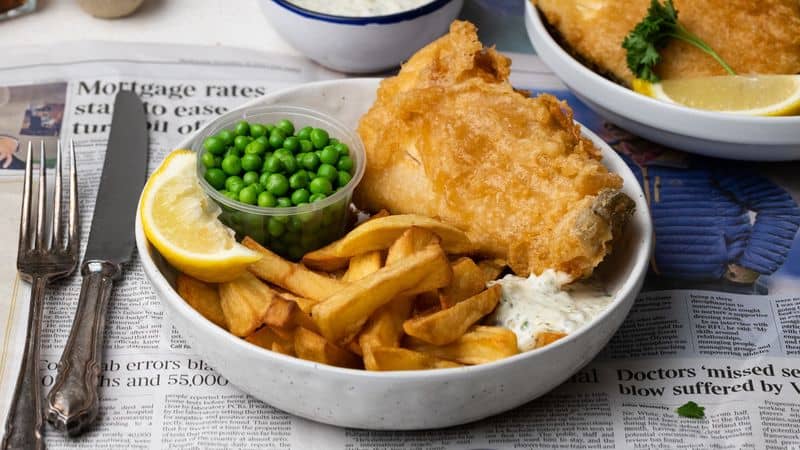
The Friday night chippy tea feels quintessentially British, but this beloved combo has multicultural roots. Fried fish was introduced by Jewish refugees from Portugal and Spain fleeing persecution in the 17th century.
The chips part? That's likely a French or Belgian import. Joseph Malin, a Jewish immigrant, opened the first fish and chip shop in London around 1860, combining these international influences into what would become Britain's most iconic takeaway.
6. Full English Breakfast
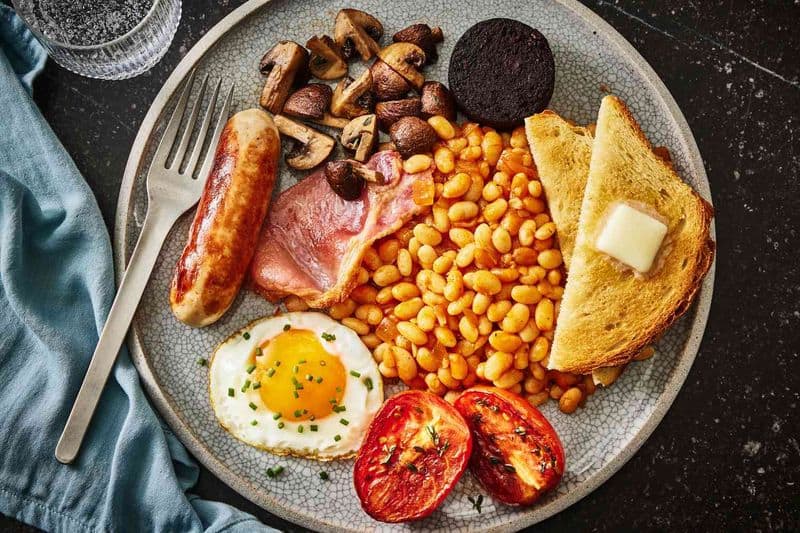
That hearty plate of eggs, bacon, sausages, beans, and toast seems thoroughly British, but it's actually a hodgepodge of international influences. The concept of a protein-heavy morning meal came from Victorian gentry who borrowed from European breakfast traditions.
Baked beans, now a breakfast staple, were imported from America. Even black pudding has cousins across Europe, from Spanish morcilla to French boudin noir. The "Full English" is really a global breakfast that Britain adopted and perfected.
7. Mince Pies
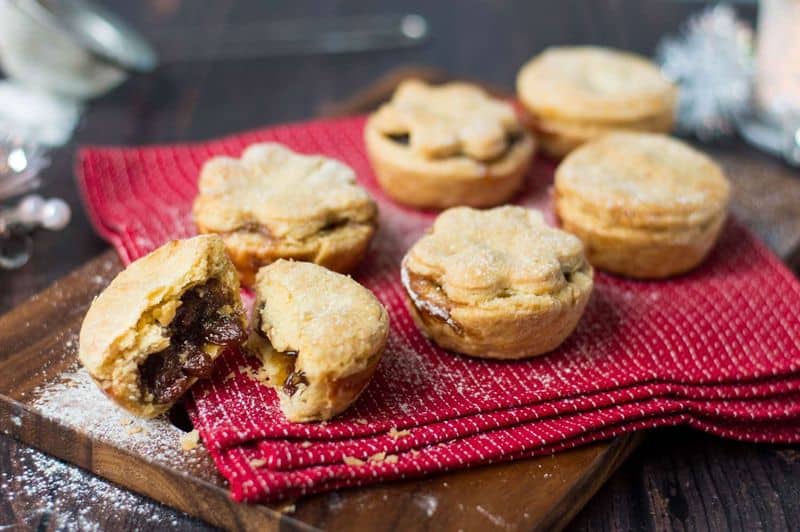
Those festive Christmas treats have a surprising Middle Eastern heritage. Medieval crusaders returned with recipes featuring spices, fruits and minced meat – flavours from Syria and Lebanon that evolved into our modern mince pies.
Originally rectangle-shaped to represent Jesus' manger, they contained actual meat mixed with dried fruits and spices. The sweet-only version we enjoy today emerged in Victorian times, but the spice blend still whispers of their exotic origins across the Mediterranean.
8. Curry (General)
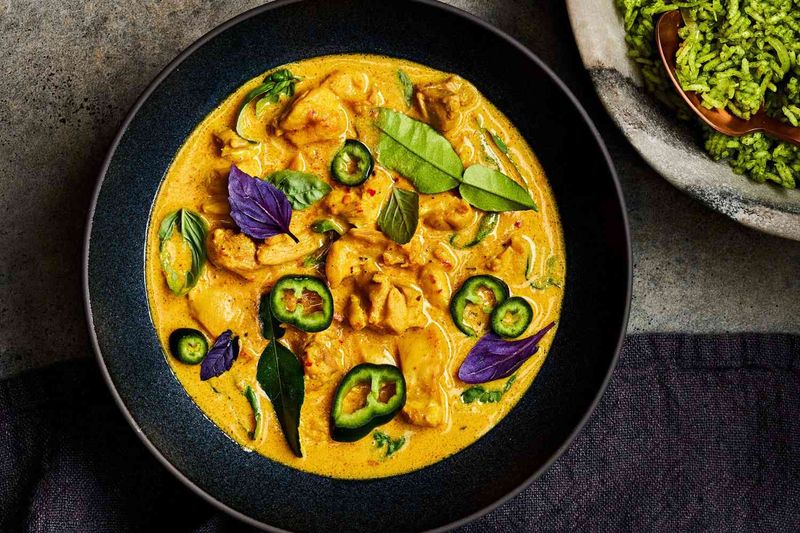
The Friday night curry tradition feels thoroughly British now, but obviously originated in the Indian subcontinent. British colonial officers developed a taste for spiced dishes during their time in India and brought these flavours home.
What's fascinating is how Britain adapted and transformed curry. The term "curry" itself is a British invention – a catchall phrase for various Indian dishes that bears little resemblance to authentic regional Indian cuisine. Yet curry houses now outnumber fish and chip shops across the UK!
9. Cornish Pasty
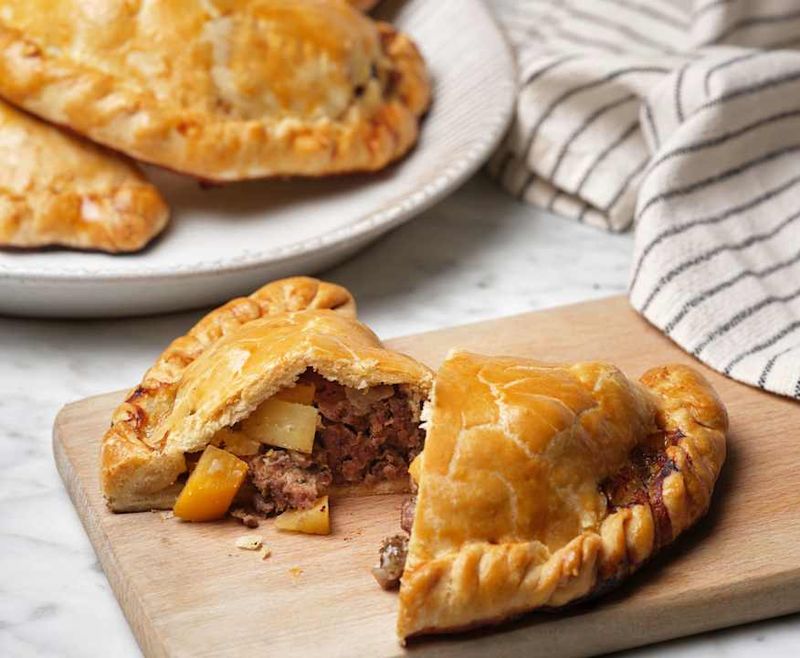
Despite being named after Cornwall, the concept of wrapping meat and vegetables in pastry existed long before in other parts of Europe. Historians trace similar hand-pies to medieval France, where miners and labourers also needed portable meals.
The Cornish version simply became Britain’s most famous adaptation, with its crimped edge designed as a handle for tin miners. While Cornwall perfected it, the idea wasn’t born on British soil.
10. Pizza
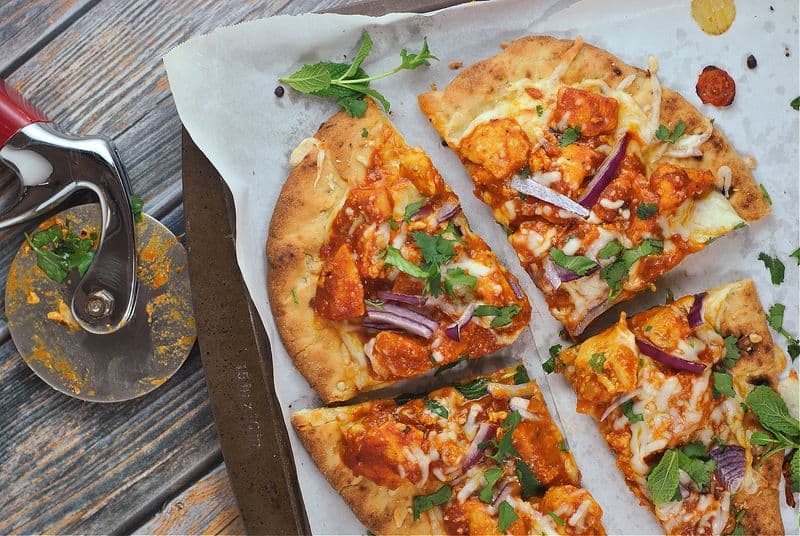
While nobody seriously claims pizza as British, many would be surprised at how thoroughly Brits have adopted and adapted this Italian classic. From deep-pan creations to controversial pineapple toppings, British pizza culture has developed its own distinct identity.
The first pizzeria in Britain, Pizza Express, opened in London's Soho in 1965. Now the UK consumes over 850 million pizzas annually, with distinctly British interpretations like chicken tikka pizza representing a curious full-circle of culinary adoption.
11. Pâté
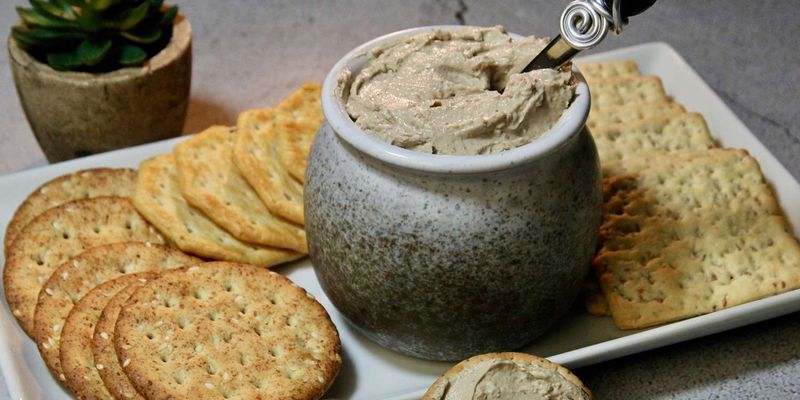
Found on practically every British Christmas table and in countless sandwich fillings, pâté feels like a British staple. Yet this smooth meat spread is thoroughly French in origin, from the word "pastry" - referring to how it was traditionally encased.
Pâté became fashionable in Britain during the 1970s when continental influences revolutionised British dining. Brussels pâté particularly conquered British supermarkets, despite being neither British nor particularly Belgian! It's a perfect example of Britain's talent for adopting foreign foods as our own.