


Not all beverages keep you hydrated as you might expect. Some everyday drinks can subtly draw water from your body, potentially leaving you feeling tired, sluggish, or unfocused.
Knowing which drinks may contribute to dehydration can help you make smarter choices and maintain proper hydration throughout the day.
This article is for general informational purposes only and should not replace professional medical or dietary advice. Individual hydration needs may vary. Photos are for illustrative purposes only.
1. Coffee

Ever notice how you need the loo shortly after your morning brew? That's because caffeine acts as a diuretic, encouraging your kidneys to flush out more water than usual. While moderate coffee drinking won't leave you parched, downing multiple cups without water can tip the balance.
Nutritionists suggest pairing each coffee with a glass of water to stay on top of hydration. Your beloved flat white or Americano isn't the enemy, but it's worth being mindful of how much you're consuming daily.
2. Black Tea
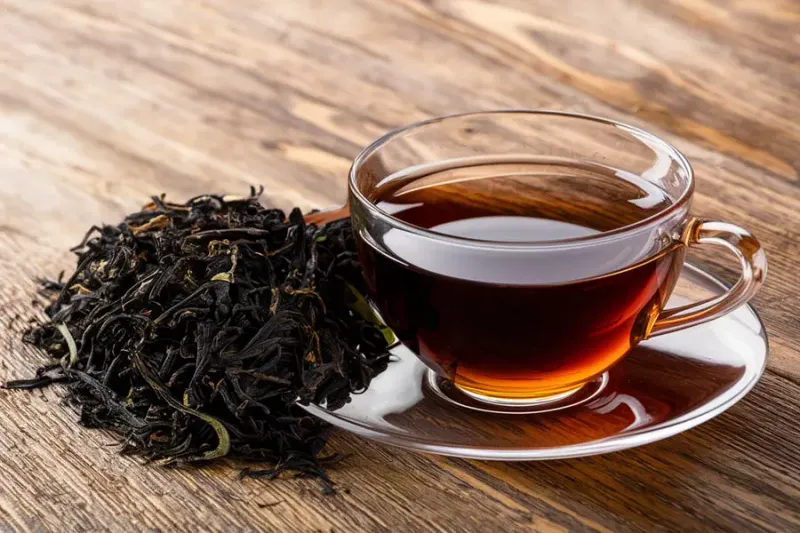
Britain's favourite cuppa contains caffeine too, though usually less than coffee. A strong builder's tea can still have a mild diuretic effect, especially if you're knocking back multiple mugs throughout the day. The tannins in black tea can also interfere with how your body absorbs certain nutrients.
That said, tea does contribute to your fluid intake overall. Doctors recommend balancing your tea habit with plain water, particularly if you're feeling unusually thirsty or tired between brews.
3. Energy Drinks
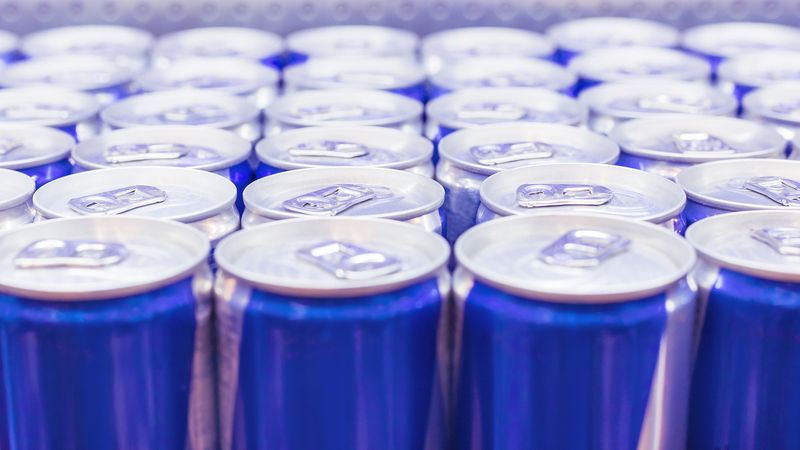
Packed with caffeine and sugar, energy drinks promise a quick boost but can leave you feeling worse later. A single can often contains more caffeine than two espressos, which ramps up urine production and pulls fluids from your system. The high sugar content can also cause blood sugar spikes and crashes.
Nutritionists warn that relying on energy drinks for hydration is a risky game. If you need an afternoon pick-me-up, consider water with a splash of fruit juice instead.
4. Sugary Sodas
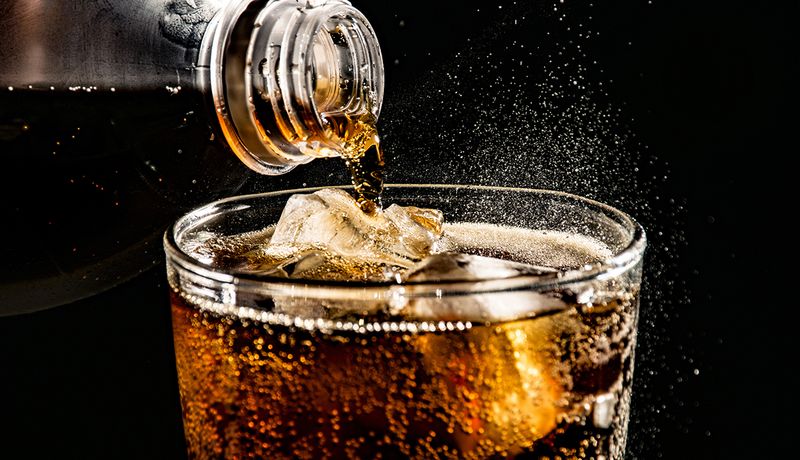
Fizzy drinks might quench your thirst momentarily, but all that sugar actually makes your body work harder to process it. High sugar levels in your bloodstream can draw water out of your cells, leaving you feeling even thirstier than before. Plus, many sodas contain caffeine, adding another dehydrating layer.
Swap your Coke or Irn-Bru for sparkling water with a squeeze of lemon if you're craving bubbles. Your body will thank you, and you'll avoid the sugar crash that often follows.
5. Diet Soft Drinks
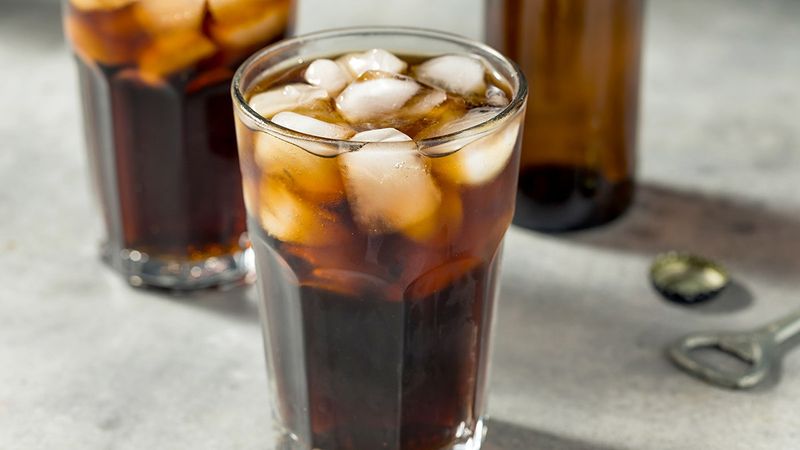
Switching to diet versions might save calories, but artificial sweeteners can still mess with your hydration. Some studies suggest sweeteners may affect how your kidneys handle fluids, though research is ongoing. The caffeine found in many diet sodas also contributes to increased urination.
Doctors advise treating diet drinks as an occasional treat rather than a daily hydration source. Plain or lightly flavoured water remains the gold standard for keeping your body properly topped up throughout the day.
6. Certain Sports Drinks
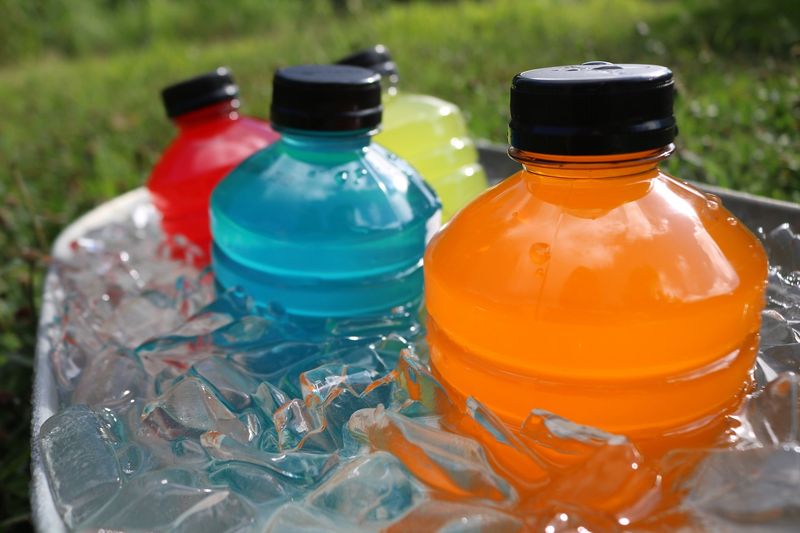
Designed for intense workouts, sports drinks can backfire if you're just sipping them casually. Many contain high levels of sodium and sugar, which can actually increase thirst rather than satisfy it. Unless you're sweating buckets during exercise, plain water is usually enough to keep you hydrated.
Nutritionists recommend reserving sports drinks for genuine athletic activity lasting over an hour. For everyday hydration or light exercise, stick with water or add a pinch of salt and lemon for a homemade electrolyte boost.
7. Fruit Juice With Added Sugar
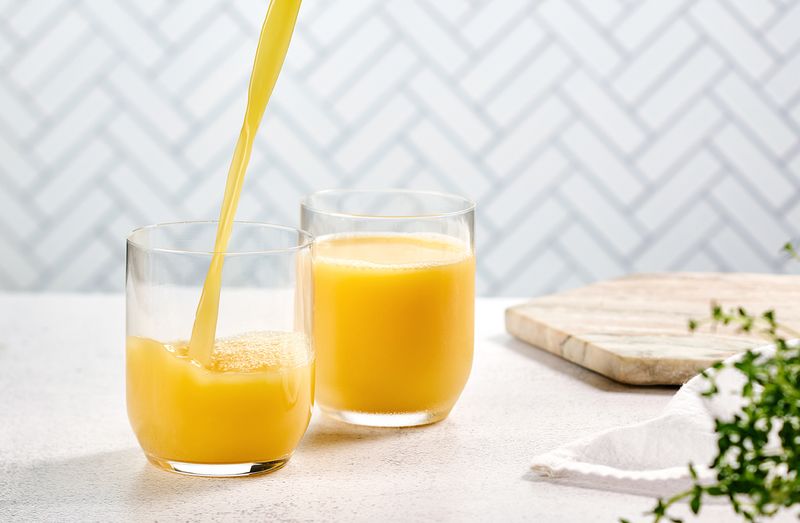
Shop-bought fruit juice often seems healthy, but many cartons are loaded with added sugars that rival fizzy drinks. Even pure juice contains natural sugars that, in large amounts, can affect your body's fluid balance. The concentrated sweetness can leave you feeling thirstier rather than refreshed.
Check labels carefully and opt for 100% juice with no added sugar, diluted with water. Better yet, eat whole fruit instead, which provides fibre and hydration without the sugar overload that comes from drinking your fruit.